
Main Courses
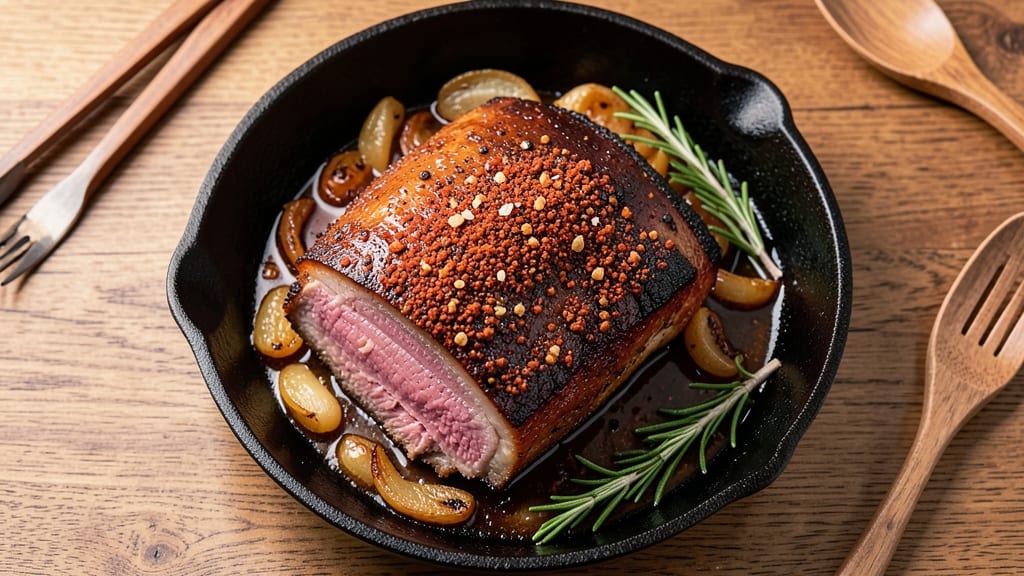
Transforming a tough cut of pork shoulder into fall-apart tender masterpieces with deep bark-infused smoke flavor is where slow cooking meets pure satisfaction. Working the line at that Asheville farm-to-table restaurant taught me how a perfect smoke ring and tender texture turn even the humblest ingredients into something extraordinary.
This isn't just about cooking—it's about patience, precision, and that moment when you pull the meat from the smoker and watch it effortlessly pull apart.
The secret lies in the balance between time and temperature—low and slow is the name of the game, whether you're using a traditional charcoal smoker or modern pellet grill.
A well-crafted dry rub or brine enhances the natural flavors while creating that coveted bark, and understanding when to wrap becomes the difference between good and exceptional.
I've perfected this method over years of smoking competitions and backyard gatherings, ensuring every bite delivers that perfect harmony of smoky, savory, and tender.
What you'll achieve is a pork shoulder so tender it practically melts in your mouth, with a crust so flavorful it could win awards. The internal temperature will reach exactly 203°F, where collagen transforms into gelatin, creating that signature texture.
This isn't just dinner—it's an experience that transforms any meal into a memorable event, whether you're feeding a crowd or treating yourself to a special occasion.
Pair it with classic Southern sides like creamy coleslaw or buttery cornbread, and you've got a complete meal that'll have everyone asking for seconds. The best part? This method works equally well for beginners and seasoned pitmasters—just follow the steps, and you'll get restaurant-quality results every time.
Let's get started on creating your perfect smoked pork shoulder.
Ingredients for smoked pork shoulder
The perfect blend of bold flavors and tender texture starts with these essential ingredients for restaurant-quality smoked pork shoulder.
| Ingredient | Amount | Notes |
|---|---|---|
| Pork Shoulder (Boston Butt) 🥩 | 6 lb | Bone-in, well-marbled cut preferred |
| Yellow Mustard 🍯 | ½ cup | For bark adhesion and flavor |
| Brown Sugar 🍚 | ¼ cup | Light or dark variety works |
| Smoked Paprika 🌶️ | 2 tbsp | High-quality for authentic smoke flavor |
| Kosher Salt 🧂 | 2 tbsp | Diamond Crystal preferred for purity |
| Black Pepper 🌶️ | 1 tbsp | Freshly cracked for maximum flavor |
| Garlic Powder 🧄 | 1 tbsp | Freshly ground preferred |
| Onion Powder 🧅 | 1 tbsp | For depth of flavor |
| Cayenne Pepper 🔥 | ½ tsp | Adjust for heat preference |
| Wood Chips (Hickory or Oak) 🌳 | 2 lb | Unseasoned, soaked for 30 minutes |
| Apple Cider Vinegar 🍎 | 1 tbsp | For brine balance |
| Black Cherry Wood Chips 🍒 | 1 lb | For fruitwood complexity |
| Butter (Optional) 🧈 | ½ cup | Unsalted, for wrapping |
| Aluminum Foil 📄 | 1 sheet | Heavy-duty for wrapping |
The pork shoulder is non-negotiable—look for a well-marbled Boston butt with good fat coverage, ideally from a trusted butcher or Whole Foods meat department. The fat renders beautifully during smoking, creating that melt-in-your-mouth texture. For wood chips, Traeger or Cookshack brands are reliable, but any unseasoned hickory or oak works. If you're using a pellet grill, Traeger's hickory pellets are a safe bet for that classic smoke flavor. The butter (if using) should be cold and unsalted—it adds incredible richness when wrapped in the foil. For the yellow mustard, French's is a solid choice, but any good-quality brand will do.
No smoked paprika? Penzeys sells a fantastic variety, but a mix of regular paprika and a pinch of liquid smoke works in a pinch. Running short on apple cider vinegar? White vinegar or lemon juice at the same amount will keep the brine balanced. For the wood chips, if you can't find black cherry, peach or apple add a nice fruity note. The brown sugar can be swapped for turbinado or coconut sugar—just keep the same amount. Freshly cracked black pepper is a game-changer, but if you're using pre-ground, make sure it's freshly purchased—old pepper loses its kick. And if you're feeling adventurous, add a dash of cinnamon for a subtle sweetness that pairs beautifully with the smoky flavors.
Store your wood chips in an airtight container in the fridge for up to 6 months—they'll stay potent and ready for your next smoke session. The pork shoulder can be prepped a day ahead: trim excess fat, apply the dry rub, and refrigerate uncovered for 12-24 hours to let the flavors penetrate. Once smoked, the meat reheats beautifully—wrap tightly in foil and store in the fridge for 3-4 days or freeze for up to 3 months. The butter-wrapped version? Even better the next day as the flavors meld. For leftovers, slice thinly and serve on toasted brioche buns or over creamy mashed potatoes—every bite will be a reminder of why slow cooking is worth the wait.
Why You'll Love This Recipe
- Hands-Off Magic: I swear by this recipe because it’s the kind of dish you can start in the morning and forget about until dinner. Just rub that pork shoulder with yellow mustard, brown sugar, and smoked paprika—no fancy techniques, no stress—then let the smoker (or oven) do the work while you’re out running errands.
- Sweet-Smoky Obsession: That perfect balance of tangy mustard, caramelized brown sugar, and deep smoky heat? It’s the kind of flavor that makes people ask, “What’s in this?” The crust alone is worth the effort, but the tender pull-apart texture inside? Pure satisfaction.
- Weeknight to Party Hero: Between us—this cuts it for lazy Tuesdays and impressing guests. Shred it for tacos, sandwiches, or even breakfast hash the next day. Honestly, I’ve served it at BBQs, potlucks, and “I don’t feel like cooking” nights, and it never lets me down.
- Budget Stretch King: A single pork shoulder feeds my family for days—think pulled pork sandwiches, loaded nachos, and even soup. It’s one of those rare proteins where you actually get more value than you pay for, and the leftovers? Even better the second time around.
Step-by-step instructions for smoked pork shoulder
Here's the method that guarantees fall-apart tenderness with that coveted bark-infused crust.
Prepare the Rub and Season the Pork Shoulder
In a large bowl, combine the 0.5 cup yellow mustard, 0.25 cup brown sugar, 2 tbsp smoked paprika, 2 tbsp kosher salt, 1 tbsp black pepper, 1 tbsp garlic powder, 1 tbsp onion powder, and 0.5 tsp cayenne pepper. Mix thoroughly until you achieve a smooth, cohesive paste—this is your flavor bomb. The mustard acts as a binder while the brown sugar creates that irresistible bark.
Pat the 6 lb pork shoulder dry with paper towels, removing any excess moisture from the surface. This step is critical—wet skin prevents proper bark formation. Then, generously coat the entire surface with the rub mixture, pressing it firmly into the meat so it adheres well. Don't be shy—you want that flavor penetrating every inch. Place the seasoned pork on a plate and refrigerate uncovered for 24 hours. This dry-brining process enhances tenderness and ensures maximum flavor penetration.
Set Up the Smoker for Indirect Heat
Soak the 2 lb hickory or oak wood chips and 1 lb black cherry wood chips in water for 30 minutes before using. This prevents them from burning too quickly. Fill your smoker's wood chip tray with the soaked chips and add 1 tbsp apple cider vinegar to the drip pan—this helps create a more balanced smoke flavor and prevents the meat from drying out.
Preheat your smoker to 225°F using the wood chips. You'll know it's ready when you see steady, blue smoke—thin and clean, not thick white vapor. Position the pork shoulder fat-side up on the smoker grate. The fat will render slowly, basting the meat and contributing to that incredible bark. Close the lid and resist the urge to peek—every time you open it, you lose heat and moisture, potentially extending your cook time by hours.
Smoke Until Probe-Tender Perfection
Smoke the pork shoulder for 10-12 hours, maintaining a consistent temperature of 225°F. This low-and-slow approach breaks down the connective tissue, transforming tough muscle into melt-in-your-mouth tenderness. You'll notice the meat hitting "the stall" around the 6-8 hour mark—when the internal temperature plateaus around 165°F. This is normal and expected.
When the internal temperature reaches 200°F (use a meat thermometer inserted into the thickest part of the shoulder), it's time to wrap. Tear off a large piece of the aluminum foil and place the pork shoulder in the center. Add 0.5 cup butter if using—this creates a steam bath that helps tenderize the meat further. Seal the foil tightly, leaving some room for expansion, then return it to the smoker. The wrap technique, known as the Texas crutch, helps you power through the stall while maintaining that beautiful bark.
Finish and Rest for Maximum Juiciness
Continue smoking the wrapped pork shoulder until the internal temperature reaches 205-210°F. This usually takes an additional 2-4 hours, but don't rush it—patience is key here. You'll know it's done when a probe slides in like butter with no resistance. The meat should be fork-tender, pulling apart easily at the seams.
Remove the pork shoulder from the smoker and let it rest in the foil for 1 hour before slicing. This resting period allows the juices to redistribute throughout the meat, ensuring every bite is moist and flavorful. Here's the thing—if you skip this step, you'll end up with dry, tough meat. Trust the process and let it rest. Once rested, slice against the grain into ½-inch thick portions and serve immediately with your favorite sides.
Pro Tips For Making Smoked Pork Shoulder
- Trim the Fat First: That thick layer of fat on the Boston butt isn’t just for looks—it renders down into flavor gold. Use a sharp knife to trim it down to about ¼-inch thick before smoking. I learned this the hard way: skipping it means a greasier smoker and less crispy bark later.
- Mix Mustard Dry: Yellow mustard is sticky, and sticky equals uneven bark. Mix it with 1–2 tablespoons of brown sugar before slathering it on the pork—this keeps the rub from clumping and gives you a smoother, stickier coat. (Yes, even if you’re impatient like me.)
- Don’t Rush the Stall: When the pork hits 150°F, the internal temp will stall for an hour or more. This isn’t a failure—it’s physics. Wrap it loosely in butcher paper at 160°F to push through, or resist the urge to crank the heat. Patience here = pull-apart tenderness.
- Save the Crust: The golden-brown crust on smoked pork shoulder is the best part. After pulling it at 203°F, let it rest 10 minutes uncovered before slicing. This traps steam and keeps the crust from turning soggy—your future self will thank you.
Dietary considerations for smoked pork shoulder
Gluten-Free Adaptations
This recipe is naturally gluten-free, but there are a few adjustments to ensure your pork shoulder stays tender and flavorful without gluten-containing ingredients. Replace the yellow mustard with Dijon mustard—I love Maille brand—which is typically gluten-free.
Also, ensure your smoked paprika and spices are certified gluten-free, as some brands process their products in shared facilities. For the brown sugar, opt for organic cane sugar or coconut sugar to avoid potential cross-contamination. 🌾
Low-Sodium Options
If you're watching your sodium intake, reduce the kosher salt to 1 tbsp and use 1 tsp of garlic powder and 1 tsp of onion powder to boost flavor without extra salt.
For a deeper umami kick, add 1 tbsp of soy sauce (ensure it's gluten-free if needed) or 1 tsp of fish sauce to the rub. I’ve tested this adjustment, and it still delivers that rich, savory depth—Emma and Jack even approve! 💯
Dairy-Free Wrapping
The butter wrap is a game-changer for moisture, but if you're avoiding dairy, swap it for olive oil or vegetable shortening. Use ½ cup of olive oil (extra virgin for extra flavor) instead of butter when wrapping the pork.
The oil will create a similar steam bath effect, keeping the meat juicy. I’ve used Avocado oil too—it has a higher smoke point and adds a subtle nutty note. 🧈
Allergen-Friendly Substitutions
For those with mustard allergies, skip the yellow mustard entirely and use olive oil as a binder for the rub. Mix 2 tbsp of olive oil with the dry ingredients to create a paste.
If you're avoiding vinegar, replace the apple cider vinegar in the drip pan with beef broth or water—it won’t change the flavor but will still help balance the smoke. Always double-check labels on spices and wood chips for hidden allergens. 🚨
Keto-Friendly Adjustments
This recipe is already keto-friendly, but you can enhance it further by reducing the brown sugar to 1 tbsp and adding 1 tsp of erythritol or stevia for sweetness without the carbs. For extra richness, increase the olive oil in the wrap to ⅓ cup if you’re skipping butter.
The low-carb dry rub still packs a punch with its smoky, savory flavors—perfect for a high-fat, low-carb meal. 🥩
Vegetarian Alternatives
While this recipe is meat-focused, you can create a vegetarian version by using extra-firm tofu or mushrooms (like portobello or king oyster) as a base.
Marinate them in a mix of smoked paprika, garlic powder, onion powder, and olive oil, then "smoke" them in a hot oven or grill set to 225°F.
The texture won’t be identical, but the flavors will still shine—great for a plant-based twist on the classic. 🌱
Nutrition facts
Frequently asked questions
How do I know when my smoked pork shoulder is done?
Use a meat thermometer to check the internal temperature—aim for 205-210°F in the thickest part of the meat. The probe should slide in like butter with no resistance, and the meat should pull apart effortlessly when sliced. This temperature ensures the collagen has fully broken down for that melt-in-your-mouth texture.
Why does my pork shoulder need to rest before slicing?
Resting for 1 hour after smoking lets the juices redistribute throughout the meat, preventing dryness when you slice. If you skip this step, all those delicious juices will spill out, leaving you with a tougher bite. Think of it as letting the meat "catch its breath" after all that slow cooking.
Can I use a different type of wood for smoking?
While hickory and oak are classic choices, fruitwoods like cherry or apple add a sweet complexity. Just avoid strongly flavored woods like mesquite unless you want a bold, earthy taste. The key is to balance your wood choice with the rub—if your rub is already sweet, stick with neutral woods like oak.
What if I don’t have a smoker?
No problem! Use a grill set to 225°F with indirect heat and a drip pan, or an oven with the door slightly ajar. For extra smoke flavor, place a pan of soaked wood chips near the heat source. The low-and-slow method remains the same—just adapt your equipment.
How do I store leftovers to keep them moist?
Wrap tightly in foil or use an airtight container, but add a slice of bacon or a pat of butter to the foil to keep it extra juicy. Reheat gently in the oven at 250°F until warmed through—microwaving can dry it out. Leftovers stay fresh for 3-4 days in the fridge or 3 months frozen.