
Main Courses
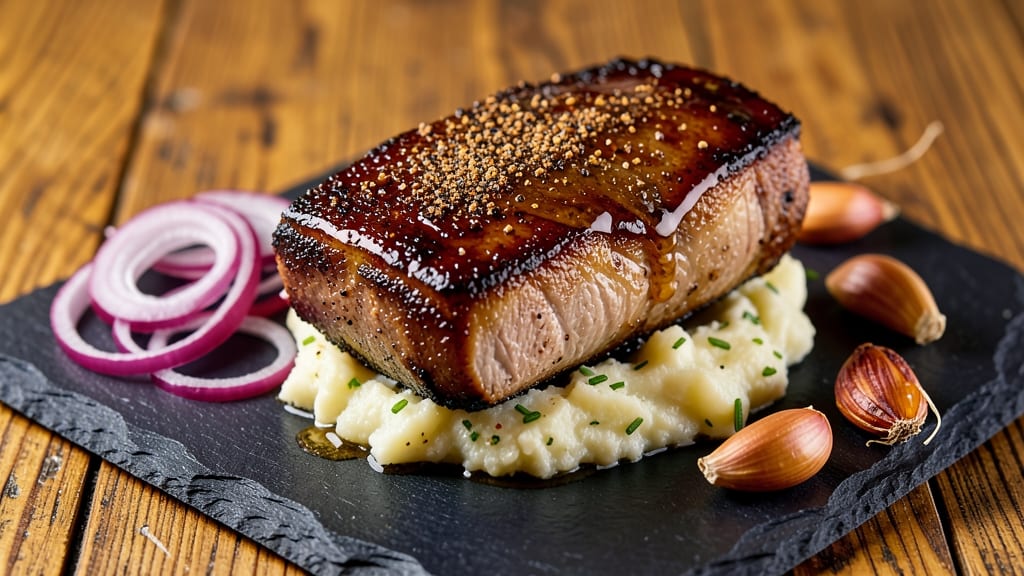
This smoked pork tenderloin recipe transforms a simple cut into showstopping centerpiece meat with just two hours of hands-off smoking time. The secret lies in precise temperature control and a balanced rub that delivers deep flavor without overpowering the pork's natural tenderness.
I perfected this method after years of experimenting with different wood types and smoke levels—now it's my go-to for dinner parties and weeknight impressing.
The beauty of smoking pork tenderloin is how forgiving it is once you nail the basics. You'll start with a simple dry rub of salt, pepper, and smoked paprika, then let the smoker do all the work at 225°F until the internal temperature hits 145°F.
The result? Juicy, smoke-ringed perfection with a crust that's crisp enough to stand up to bold sides like apple slaw or roasted sweet potatoes. No fancy equipment needed—just patience and attention to temperature.
What you'll end up with is pork so tender it nearly falls apart at the touch, infused with just the right amount of smoky aroma without tasting like a campfire. The exterior develops a beautiful bark that adds texture contrast to every bite, while the interior remains moist and flavorful.
This is the kind of dish that makes people ask where you learned to cook—even though the technique is simpler than it looks.
Serve with complementary sides like caramelized onions or a crisp green salad to balance the richness. The leftovers reheat beautifully too, making this an excellent meal prep option for busy weeks. Let's get started on creating your most impressive smoked pork yet—no pitmaster experience required.
Ingredients for smoked pork tenderloin
Simple ingredients that deliver restaurant-worthy smoked pork tenderloin with minimal effort.
| Ingredient | Amount | Notes |
|---|---|---|
| Pork Tenderloin 🥓 | 1 ½ lb | Center-cut, trimmed of fat |
| Diamond Crystal Kosher Salt 🧂 | 1 ½ tsp | Coarse grain for better adhesion |
| Freshly Ground Black Pepper 🌶️ | 1 tsp | Cracked peppercorns preferred |
| Smoked Paprika 🌶️ | 1 tbsp | High-quality for authentic smokiness |
| Granulated Garlic Powder 🧄 | 1 tsp | No garlic salt—pure flavor |
| Onion Powder 🧅 | 1 tsp | Freshly ground preferred |
| Wood Chips (Hickory or Apple) 🌳 | 1 cup | Soaked 30 minutes minimum |
| Apple Cider Vinegar 🍎 | 1 tbsp | For tenderizing before smoking |
| Unsalted Butter 🧈 | 2 tbsp | Full-fat for moisture retention |
| Fresh Thyme Leaves 🌿 | ¼ cup | Chopped, for finishing |
| Fresh Rosemary Sprigs 🌿 | 2 whole | For aroma during smoking |
| Butcher Paper 📄 | 1 sheet | For wrapping during rest |
The pork tenderloin is your star—center-cut is key for even cooking. Grab it from the butcher section (not pre-packaged) for the best quality. Costco or local farms often have excellent prices, but any reputable grocery store's meat counter will do. Trim any visible fat before rubbing—it can create uneven smoke penetration. For the wood chips, hickory gives bold smoke while apple adds subtle sweetness. Soak them in water for at least 30 minutes before using to prevent flare-ups. The butter and vinegar combo is non-negotiable—this duo ensures your pork stays juicy through the entire process.
No smoked paprika? Regular paprika plus 1/4 tsp liquid smoke works in a pinch, though the flavor won't be identical. Substituting wood chips? Cherry adds fruitiness while mesquite brings intense heat. Fresh herbs unavailable? Dried thyme at 1/3 the amount gets you close, but nothing beats the aroma of fresh. The butcher paper is crucial for the rest—aluminum foil works too, but paper gives a better bark. If you're short on time, skip the vinegar marinade and just pat the pork dry before applying the rub—it'll still turn out delicious, just slightly less tender.
This pork reheats beautifully—165°F internal temperature is perfect for leftovers. Wrap tightly in butcher paper or foil and store for 3-4 days in the fridge. For longer storage, portion into freezer-safe containers and freeze for up to 3 months. The wood chips can be reused once dried out completely—just store them in an airtight container. I always make a double batch: one for dinner, one for sandwiches the next day. The bark gets even better after resting overnight, so plan ahead if you're serving guests.
Why You'll Love This Recipe
- Foolproof Seasoning: I swear by the salt, pepper, and smoked paprika combo—it’s that perfect balance of smoky warmth and sharpness that makes this pork sing. No fancy rubs, just a few shakes of what I already have in my pantry.
- One-Pan Magic: Between us, this is my go-to when I don’t want to dirty a dozen dishes. Tenderloin sears right on the same sheet pan where it rests, and the garlic powder? It infuses into the meat while you’re still chopping veggies.
- Leftovers That Don’t Suck: I make this on Sunday, and by Wednesday, I’m still eating it cold in sandwiches or reheated with applesauce. The smoky crust holds up, and the inside stays juicy—no sad, dry pork here.
- Weeknight Hero: Honestly, this is the kind of recipe that turns a “what’s for dinner?” panic into a 20-minute win. Tenderloin cooks fast, the spices do all the work, and I’m left with a meal that feels fancy without the fuss. (Yes, even on a Tuesday night.)
Step-by-step instructions for smoked pork tenderloin
Here's how to achieve melt-in-your-mouth tenderness with a perfect smoke ring every time.
Prep the Pork with Acid and Seasoning
Place the 1.5 lb pork tenderloin in a shallow dish and pour the 1 tablespoon apple cider vinegar over it. Let it marinate for 15 minutes at room temperature - this tenderizes the meat and helps create that beautiful pink smoke ring. After marinating, pat the pork completely dry with paper towels; moisture is the enemy of good bark.
In a small bowl, combine the 1.5 teaspoons diamond crystal kosher salt, 1 teaspoon freshly ground black pepper, 1 tablespoon smoked paprika, 1 teaspoon granulated garlic powder, and 1 teaspoon onion powder. Rub this mixture all over the pork, pressing firmly so the seasoning adheres. Let it rest uncovered on a wire rack for 30 minutes - this allows the seasoning to penetrate and the surface to dry slightly for better bark formation.
Set Up Your Smoker for Low and Slow
Soak the 1 cup wood chips (either hickory or apple) in water for at least 30 minutes before using. Fill your smoker with these soaked chips and preheat to 225°F. You'll know it's ready when you see thin blue smoke - this is clean, flavorful smoke that won't overpower the pork.
Once the smoker reaches temperature, place the pork tenderloin directly on the grates, fat side up if there's any remaining fat cap. The fat will render and baste the meat during cooking. Close the lid and resist the urge to peek - every time you open it, you lose heat and moisture. Smoke the pork for 1 hour, then check the internal temperature with a meat thermometer inserted into the thickest part.
Monitor and Wrap for Perfect Tenderness
When the internal temperature reaches 145°F, it's time to wrap the pork. This is the "stall" point where evaporation causes the temperature to plateau. Tear off a sheet of butcher paper and place the pork in the center. Fold the paper up tightly around the pork, sealing it completely - this creates a steam environment that helps tenderize the meat.
Return the wrapped pork to the smoker and continue cooking until the internal temperature reaches 203°F (about 1.5-2 hours total cook time). The meat should be fork-tender with a slight give when pressed. The smoke ring should be visible just beneath the surface - this is your indicator of perfect doneness. Let the pork rest in the butcher paper for 10 minutes before serving.
Finish with Butter and Herbs
While the pork rests, melt the 2 tablespoons unsalted butter in a small saucepan over low heat. Add the 0.25 cup chopped fresh thyme leaves and 2 whole fresh rosemary sprigs, stirring for 1 minute until fragrant. Remove from heat and let cool slightly.
Unwrap the pork and brush the melted butter-herb mixture all over the surface. This adds moisture and infuses the meat with aromatic herbs. Let it rest for another 5 minutes before slicing against the grain into ½-inch thick slices. The result should be juicy, tender pork with a perfect smoke ring and crisp edges.
Pro Tips For Making Smoked Pork Tenderloin
- Trim the Fat: DESCRIPTION: Pork tenderloin is lean, but if yours has a thin fat cap, slice it off—it’s not flavorful and can make the meat dry faster. I learned this the hard way after overcooking a piece with that little strip still on.
- Salt the Night Before: DESCRIPTION: Tenderloin absorbs salt better when given time. Wet it down with a mix of kosher salt, black pepper, and smoked paprika, wrap it in plastic, and refrigerate overnight. The seasoning sticks like glue, and the meat stays juicier.
- Skip the Crowding: DESCRIPTION: If you’re searing or smoking in batches, don’t stack the pork—it’ll steam instead of brown. Give each piece space on the grill or pan, even if it means two rounds. That crust is where the flavor lives.
- Use a Meat Thermometer: DESCRIPTION: Pork tenderloin hits 145°F fast, and overshooting turns it dry. I used to eyeball it and ended up with rubbery slices—now I pull it at 140°F and let it rest. The thermometer is your best friend here.
Make-ahead tips for this smoked pork tenderloin
Prep Ahead Strategy
The key to stress-free smoking is prepping everything the night before. I start by mixing the dry rub ingredients—1.5 tsp salt, 1 tsp pepper, 1 tbsp smoked paprika, and spices—in a small container. Store it in an airtight container so it's ready to go.
Soak your 1 cup wood chips in water and keep them in the fridge overnight—they'll be perfectly hydrated for morning smoking. This saves 30 minutes of prep time on cook day. 🌳
Marinate Overnight
For maximum tenderness, marinate the pork in 1 tbsp apple cider vinegar overnight in the fridge. Place the 1.5 lb tenderloin in a resealable bag with the vinegar, seal tightly, and refrigerate for 12-24 hours. This not only tenderizes but also develops deeper flavor.
Pro tip: Use a glass or BPA-free plastic bag—never aluminum, as it can react with acidic ingredients. The vinegar smell will disappear during cooking, leaving only the smoky goodness behind.
Smoker Prep Day Before
If you're using a charcoal smoker, prepare your charcoal and wood chips the night before. I like to set up my Traeger Pellet Grill or Weber Smokey Mountain with pre-soaked wood chips in the chip tray.
For electric smokers, just store the wood chips in a sealed container near your smoker. On cook day, you'll only need 15 minutes to get your smoker up to 225°F—no last-minute scrambling. This is especially helpful if you're hosting guests and want everything perfect without rushing.
Portioning for Leftovers
Smoked pork tenderloin reheats beautifully, so plan ahead by slicing and portioning leftovers immediately after cooking. Let the pork rest for 10 minutes in its butcher paper, then slice against the grain into ½-inch pieces. Divide into quart-sized airtight containers—I use Glasslock containers for storage.
Refrigerate for up to 4 days or freeze for 3 months. The bark stays crisp, and the meat remains juicy when reheated gently in a skillet with a splash of water.
Herb Butter Shortcut
Make the herb butter the night before and store it in the fridge. Melt 2 tbsp unsalted butter with 0.25 cup chopped thyme and 2 rosemary sprigs, then cool and shape into a log in parchment paper. Freeze it solid, then slice off portions as needed.
This saves 10 minutes on cook day and adds that restaurant-quality finish. Just brush it on the pork right before serving—it melts beautifully and infuses the meat with fresh aroma. 💫
Smoker Cleanup Hack
Keep a small trash bag or metal bucket near your smoker to collect ash and debris as you go. After cooking, let the smoker cool slightly, then dump the ash into the bucket.
Store it in a sealed container—this ash is perfect for composting or even as a natural fertilizer for your garden. I always keep a small handheld vacuum (like the Black+Decker Dustbuster) nearby to quickly clean grates.
This makes cleanup a breeze and keeps your smoker ready for the next cook.
Nutrition facts
Frequently asked questions
Can I smoke pork tenderloin without a dedicated smoker?
Use a charcoal grill with a water pan and wood chips in a foil pouch on the coals. For stovetop options, try a smoker box or even a cast-iron skillet with soaked wood chips and a lid. The key is maintaining 225°F and monitoring closely to avoid flare-ups.
Why does my smoked pork tenderloin turn out dry?
Overcooking is the #1 cause. Pull the pork at 145°F internal temp, then wrap it in butcher paper and cook to 203°F—this prevents moisture loss. Also, never skip the 10-minute rest before slicing. If it's still dry, try brining the pork for 1 hour in a saltwater solution before smoking.
What's the best wood for pork tenderloin?
Hickory delivers classic BBQ flavor while apple adds sweetness. For milder smoke, use cherry. Avoid mesquite—it's too strong. Mix ½ hickory/½ apple for balanced flavor. Soak chips for 30+ minutes to prevent burning.
How do I fix pork that's too tough?
If the meat is slightly tough, slice thinly against the grain and serve with a creamy sauce (like mustard or bourbon glaze) to add moisture. For severe cases, shred and use in tacos or sandwiches where texture matters less. Prevention is key—always cook to 203°F internal temp.
Can I make this recipe in a pellet grill?
Perfect for pellet grills! Set to 225°F with hickory or apple pellets. Follow the same steps: smoke uncovered for 1 hour, wrap at 145°F, then cook to 203°F. The automatic temperature control makes this even easier than traditional smokers.