
Main Courses
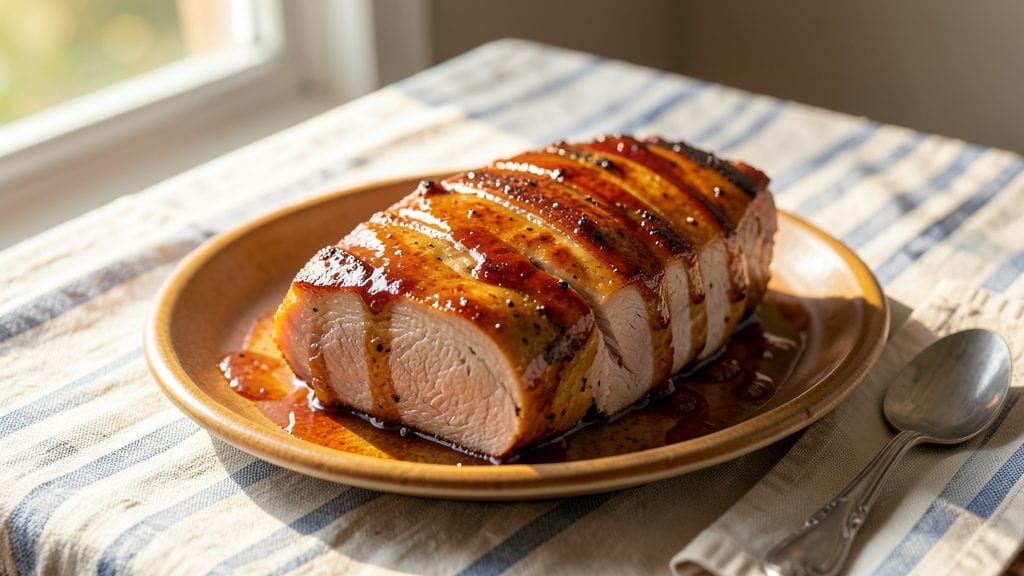
This spiced pork tenderloin recipe delivers restaurant-quality results with effortless technique—where tender meat meets aromatic herbs in a single, foolproof method. I remember standing on a step stool in my Nonna’s Sicilian kitchen, watching her transform simple ingredients into something extraordinary, and that’s the inspiration behind this dish.
The secret lies in a dry-brine seasoning that enhances flavor while keeping the meat juicy, paired with a glossy herb-infused glaze that caramelizes beautifully in the oven. Unlike traditional pork dishes that dry out, this method ensures every bite is tender and packed with depth.
The glaze isn’t just decorative—it’s the flavor anchor, balancing spices with natural sweetness.
What you’ll achieve is pork with a crispy exterior and melt-in-your-mouth interior, all while maintaining a professional finish that feels approachable. The glaze reduces to a sticky, aromatic finish that coats the meat perfectly, turning a simple roast into a showstopper.
This is the kind of dish that elevates weeknight dinners without requiring advanced skills.
Serve it with roasted vegetables or a simple arugula salad to balance the richness, and you’ll have a meal that’s both elegant and effortless. The technique translates to other proteins too—just adjust the seasoning, and you’re ready to experiment.
Ingredients for spiced pork tenderloin
Twelve ingredients transform ordinary pork into a restaurant-worthy centerpiece with effortless technique.
| Ingredient | Amount | Notes |
|---|---|---|
| Pork Tenderloin 🥩 | 1 ½ lb | Center-cut, trimmed of silver skin |
| Kosher Salt 🧂 | 1 ½ tbsp | Diamond Crystal preferred for purity |
| Freshly Ground Black Pepper 🌶️ | 1 tsp | Cracked peppercorns for optimal flavor |
| Garlic Cloves 🧄 | 6 cloves | Peeled, smashed for aromatic release |
| Fresh Rosemary 🌿 | ¼ cup | Finely chopped, organic preferred |
| Fresh Thyme 🌿 | ¼ cup | Leaves only, stems removed |
| Extra-Virgin Olive Oil 🫒 | ¼ cup | Ligurian variety for fruity depth |
| Honey 🍯 | 2 tbsp | Raw, unfiltered for natural sweetness |
| Balsamic Vinegar 🍷 | 1 tbsp | Aged 12+ months for complexity |
| Ground Cinnamon 🌶️ | ½ tsp | Ceylon variety for subtle warmth |
| Ground Nutmeg 🌶️ | ¼ tsp | Freshly grated for potency |
| Unsalted Butter 🧈 | 2 tbsp | European-style for higher fat content |
| Orange Zest 🍊 | 1 tbsp | Freshly grated, organic preferred |
The pork tenderloin is the foundation—center-cut and silver-skinned to ensure consistent cooking. Source from a reputable butcher or high-quality market like Whole Foods or D'Agostino's, where the meat is typically pre-trimmed and vacuum-sealed. If buying whole, trim excess fat and silver skin yourself for even cooking. The fresh herbs (rosemary and thyme) should be vibrant and fragrant—avoid wilted stems, which indicate age. Penzeys Spices or La Boîte are excellent for premium dried spices, though their ground cinnamon and nutmeg will work fine too. For the olive oil, Ligurian varieties like Colavita or Filippo Berio deliver the fruity depth needed for the glaze.
No fresh rosemary? Dried rosemary at one-third the amount works, but toast it first for 30 seconds in a dry pan to enhance aroma. Substitute orange zest with lemon zest if needed, though the citrus notes differ slightly. For the honey, local raw honey adds subtle floral notes, but any unfiltered variety will suffice. The balsamic vinegar should be aged—12+ months for complexity—though a pinch of Dijon mustard can mimic its depth if unavailable. Ground spices lose potency over time; if your cinnamon or nutmeg smells dull, toast it lightly in a dry pan before grinding. The unsalted butter is crucial for the glaze's richness—European-style (like Plugrá or Kerrygold) has higher fat content, which prevents the glaze from breaking.
Store the pork tenderloin in its original packaging in the coldest part of your fridge—use within 3 days for optimal texture. Fresh herbs should be wrapped in damp paper towels and sealed in a plastic bag, lasting 5-7 days. The dry spices (cinnamon, nutmeg) keep indefinitely in an airtight container away from light, while the olive oil, honey, and vinegar can be stored at room temperature for 6-12 months. Prep the glaze ingredients ahead: mix the honey, balsamic, zest, and spices in a jar up to 2 days in advance. The butter can be softened at room temperature 30 minutes before cooking for easier incorporation into the glaze.
Why You'll Love This Recipe
- The secret’s in the crust: black pepper and kosher salt caramelize the edges while the garlic and rosemary infuse the tenderloin until it’s dangerously hard to stop slicing. Not fancy, but ridiculously good.
- One-Pan Magic: I swear by this for nights when I’d rather not wash a million dishes. Just sear the pork, toss it with smashed garlic, rosemary, and a pinch of salt—then let the oven do the work. That’s my kind of effortless dinner.
- Rosemary-Kissed Crisp: The secret’s in the crust: black pepper and kosher salt caramelize the edges while the garlic and rosemary infuse the tenderloin until it’s dangerously hard to stop slicing. Not fancy, but ridiculously good.
- Leftovers That Don’t Suck: Between us—most pork leftovers turn into sad, dry hockey pucks. This? It reheats like a dream, perfect for sandwiches or a quick stir-fry the next day. Honestly, I make it just for the leftovers now.
Step-by-step instructions for spiced pork tenderloin
Here's the method for achieving perfectly tender pork with a caramelized glaze and aromatic crust.
Prepare the Herb Glaze and Season the Pork
In a small saucepan, combine the 0.25 cup extra-virgin olive oil, 2 tbsp honey, 1 tbsp balsamic vinegar, 0.5 tsp ground cinnamon, 0.25 tsp ground nutmeg, and 1 tbsp orange zest. Simmer over medium-low heat for 5 minutes until the mixture thickens slightly and the aromatics meld together. Remove from heat and stir in the 0.25 cup fresh rosemary and 0.25 cup fresh thyme leaves.
While the glaze simmers, pat the 1.5 lb pork tenderloin completely dry with paper towels—this ensures maximum crispiness. In a small bowl, mix the 1.5 tbsp kosher salt and 1 tsp freshly ground black pepper. Rub this generously over the entire surface of the pork, pressing the seasoning into the meat so it adheres evenly. Let the seasoned pork rest at room temperature for 15 minutes while you prepare the oven.
Sear the Pork for Crispy Texture
Preheat your oven to 400°F. Heat a large oven-safe skillet over medium-high heat until it's very hot. Add the 2 tbsp unsalted butter and let it melt, then add the 6 smashed garlic cloves. Swirl the pan to coat the bottom evenly—this creates a flavorful crust on the pork.
Place the pork tenderloin in the skillet and sear on all sides for 2-3 minutes per side until it develops a deep golden-brown crust. The pork should release easily from the pan when ready to flip. Remove the skillet from heat and carefully pour the prepared herb glaze over the seared pork, coating it completely. The glaze should cling to the surface and begin to caramelize immediately.
Roast to Perfect Tenderness
Transfer the skillet to the preheated oven and roast for 15-18 minutes until the internal temperature reaches 145°F when measured at the thickest part of the pork. The glaze should bubble and darken to a rich amber color, creating a sticky, caramelized crust. If the glaze thickens too much during roasting, add 1 tablespoon water to maintain its glossy consistency.
Here's the thing—pork tenderloin can dry out quickly, so don't overcook it. The moment the internal temperature hits 145°F, remove it from the oven immediately. Tent the pork loosely with aluminum foil and let it rest for 10 minutes before slicing. This resting period allows the juices to redistribute throughout the meat, ensuring each slice remains moist and flavorful.
Slice and Serve with Glazed Perfection
After resting, slice the pork tenderloin into ½-inch thick medallions against the grain for maximum tenderness. Arrange the slices on a warm serving platter and spoon any remaining glaze from the skillet over the top. The glaze should be thick enough to coat the back of a spoon but still retain its glossy sheen.
Serve immediately with the pan sauce drizzled generously over each portion. The combination of crispy edges, tender meat, and aromatic glaze creates a harmonious balance of textures and flavors. Pair with roasted vegetables or a fresh salad to complete the dish, and enjoy the perfect balance of sweet, savory, and herby notes in every bite.
Pro Tips For Making Spiced Pork Tenderloin
- Pat Dry First: You’d be surprised how much moisture clings to pork tenderloin after trimming—just pat it aggressively with paper towels before seasoning. I learned this the hard way when my crust kept sticking instead of crisping up; dry meat sears better and browns faster.
- Sear Fast, Then Lower Heat: High heat for the first 2–3 minutes—this isn’t the time to be gentle. After that, drop the temp to medium-low and cover loosely with foil to finish cooking. I used to babysit the pan, but this method gives you that perfect crust without drying out the inside.
- Smash the Garlic: Don’t just chop the garlic—smash the cloves with the flat side of your knife first, then mince. The cell walls break open, releasing more flavor (and less bitterness). I skip this step sometimes, but the difference is noticeable—like the difference between a whisper and a shout.
- Use Rosemary Needles Whole: Tuck the rosemary sprigs whole into the pork’s pockets before searing—they’ll infuse the meat as it cooks, and you can pluck them out later. Chopping them up makes the dish smell great, but the flavor gets lost in the sauce or pan drippings. Trust the process.
Regional styles of this dish
Italian-American Style
In my Nonna's kitchen, pork tenderloin was often prepared with a simple but bold Italian-American twist—garlic, rosemary, and a splash of red wine instead of honey.
The technique remains the same, but I replace the glaze with ½ cup dry red wine (like Chianti) reduced by half with 2 tbsp butter and 1 tbsp fresh parsley. After searing, pour this reduction over the pork and roast as directed.
The wine adds depth without sweetness, perfect for those who prefer a more classic Italian profile. 🍷
Caribbean Jerk Twist
For a bold Caribbean-inspired version, swap the cinnamon and nutmeg for 1 tbsp jerk seasoning (store-bought or homemade with allspice, scotch bonnet, thyme, and garlic). Use 1 tbsp soy sauce instead of balsamic vinegar in the glaze, and add 1 tbsp lime zest for brightness.
The jerk spices bring smoky, spicy heat that pairs beautifully with the tender pork. Serve with mango salsa for a refreshing contrast. 🌶️
German-Style Schnitzel Glaze
Transform this dish into a German-inspired schnitzel by coating the pork in 1 cup flour, 1 tsp paprika, and ½ tsp salt before searing. Replace the herb glaze with ½ cup beer (like Helles lager) reduced with 2 tbsp butter and 1 tbsp Dijon mustard.
After roasting, pan-fry the pork in 2 tbsp butter for an extra-crispy finish. The beer glaze adds a malty sweetness that complements the breaded crust. 🍺
Middle Eastern Harissa Glaze
For a North African-inspired version, blend 2 tbsp harissa paste (like Bouillante) with 1 tbsp honey and 1 tbsp olive oil for the glaze. Replace the cinnamon and nutmeg with ½ tsp ground cumin and ½ tsp smoked paprika.
The harissa adds a fiery, smoky kick that pairs perfectly with the tender pork. Garnish with toasted pine nuts and cilantro for a vibrant finish. 🌿
Southern BBQ Glaze
Give it a Southern BBQ flair by replacing the herb glaze with a vinegar-based BBQ sauce (like Sweet Baby Ray's). Add 1 tbsp brown sugar and ½ tsp smoked paprika to the seasoning rub.
After roasting, brush the pork with the BBQ sauce and broil for 2-3 minutes to create a sticky, caramelized crust. Serve with cornbread and collard greens for a full Southern feast. 🔥
Japanese Miso-Glazed
For an umami-rich Japanese twist, replace the honey with 2 tbsp white miso paste and 1 tbsp mirin in the glaze. Add 1 tsp grated ginger and 1 tsp sesame seeds to the seasoning rub.
The miso glaze creates a savory, slightly sweet coating that pairs beautifully with the pork’s natural flavors. Garnish with sesame seeds and thinly sliced scallions for a fresh finish. ✨
Nutrition facts
Frequently asked questions
Can I use this recipe for a larger crowd?
The recipe serves 4, but you can easily scale it up by doubling or tripling the ingredients. For a crowd, use a 3-4 lb pork tenderloin and adjust the glaze proportionally—about 1/4 cup glaze per pound of meat. Increase oven time by 5-8 minutes for thicker cuts, checking with a meat thermometer at 145°F.
What if I don't have fresh rosemary or thyme?
No problem! Use 1/3 cup dried rosemary and 1/3 cup dried thyme instead, but toast the dried herbs in a dry pan for 30 seconds first to enhance their aroma. For extra depth, add 1 tsp dried oregano or ½ tsp dried marjoram to mimic the herbal complexity.
Why does the pork turn out dry sometimes?
Overcooking is the most common cause—pork tenderloin cooks quickly! Always use a meat thermometer and remove it at 145°F (not 160°F). Let it rest for 10-15 minutes before slicing to lock in juices. For extra moisture, brush the pork with 1 tbsp olive oil before seasoning.
Can I make this ahead of time?
Yes! Prep the glaze up to 2 days ahead and store it in the fridge. Season the pork and refrigerate it (uncooked) for up to 12 hours, then cook as directed. For leftovers, slice the cooked pork and reheat in a skillet with 1 tbsp butter and 1 tbsp glaze over low heat for 3-4 minutes.
What’s the best way to store leftovers?
Slice the cooked pork and store it in an airtight container with any remaining glaze. Keep it refrigerated for up to 4 days or freeze for 3 months. To reheat, thaw in the fridge overnight, then warm in a skillet with a splash of water or broth to prevent drying.