
Main Courses
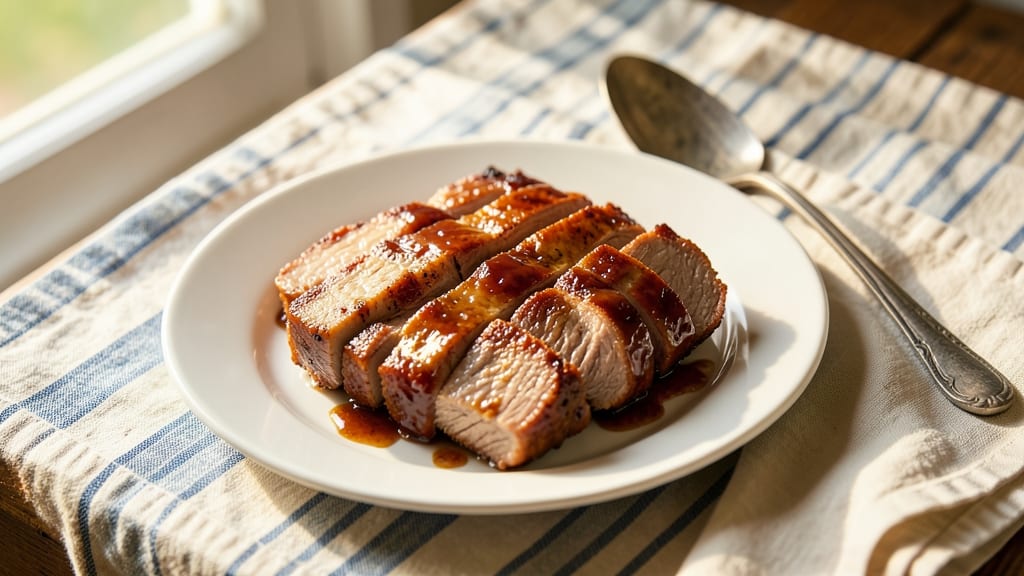
This teriyaki pork tenderloin recipe delivers restaurant-quality results with a glossy sauce that caramelizes into sticky, flavor-packed perfection. I developed this method after years of testing different marinating times and cooking techniques—what matters most is achieving that signature balance of tender meat and deeply flavorful glaze.
The secret lies in a slow sear and careful basting, ensuring every bite is infused with sweet-savory teriyaki.
What sets this recipe apart is the integration of the sauce into the cooking process, not just as a topping. The pork tenderloin marinates in a blend of soy sauce, mirin, and brown sugar, then cooks in the same sauce to create a naturally sticky, caramelized crust.
This approach transforms a simple weeknight dinner into something special without requiring hours in the kitchen. The result? Juicy, perfectly tender pork with a glossy glaze that clings to every bite.
By the time you serve this dish, you'll have a main course that's both impressive and foolproof—ideal for family dinners or hosting guests. The sauce's depth of flavor comes from a combination of traditional ingredients and precise cooking techniques, ensuring a restaurant-quality experience at home.
Whether you're grilling, broiling, or pan-searing, this method guarantees consistent results every time.
Pair with steamed rice and sautéed vegetables for a complete meal, or serve over noodles for a more casual presentation. The versatility of this recipe makes it perfect for any occasion, from a quick weeknight supper to a special Sunday dinner. Let's get started on creating this tender, flavorful masterpiece.
Ingredients for teriyaki pork tenderloin
Restaurant-quality teriyaki pork tenderloin with sauce that caramelizes into sticky perfection—just 13 ingredients.
| Ingredient | Amount | Notes |
|---|---|---|
| Pork Tenderloin 🐷 | 2 lb | Trimmed of excess fat |
| Soy Sauce 🧂 | ½ cup | Low-sodium preferred for control |
| Mirin 🍶 | ¼ cup | Sweet rice wine essential |
| Brown Sugar 🍚 | ¼ cup | Packed for density |
| Honey 🍯 | ¼ cup | Pure, unprocessed preferred |
| Garlic Cloves 🧄 | 4 cloves | Minced for aromatic base |
| Fresh Ginger 🌿 | 2 tbsp | Gratched for zesty kick |
| Sesame Oil 🫒 | 1 tbsp | Toasted for nutty aroma |
| Rice Vinegar 🍶 | 2 tbsp | Balances sweetness profile |
| Cornstarch 🍚 | 1 tbsp | Slurry for sauce thickening |
| Water 💧 | 2 tbsp | For cornstarch slurry |
| Sesame Seeds 🌾 | 1 tbsp | Toasted for garnish crunch |
| Green Onions 🌱 | ¼ cup | Chopped for fresh finish |
The pork tenderloin's quality determines the dish's success. Opt for premium cuts from Whole Foods or Costco's organic selection, ensuring vibrant color and minimal marbling. Trim excess fat before marinating—this prevents greasiness during cooking. For the soy sauce, Kikkoman Premium delivers consistent umami without overpowering sweetness. Mirin should be authentic Japanese mirin (not sweet rice wine)—the balance of sweetness and acidity is critical for that signature teriyaki depth.
Substitutions require careful consideration. Coconut aminos can replace soy sauce at a 1:1 ratio, though flavor will be slightly less salty. For mirin, equal parts honey and rice vinegar works in a pinch, though texture may differ. Brown sugar can be swapped for coconut sugar to maintain similar caramelization properties. Ginger is non-negotiable—fresh is ideal, but ground ginger at half the amount preserves some zing. Cornstarch slurry is essential for sauce consistency; arrowroot powder works as a 1:1 substitute if needed.
Marinate the pork for at least 4 hours (overnight for best results) in the refrigerator. The sauce thickens significantly during cooking, so reduce heat gradually to prevent scorching. Store leftovers in an airtight container for up to 5 days—reheat gently with a splash of water to restore moisture. For freezing, portion into meal-prep containers and freeze for up to 3 months. The sauce reheats beautifully, though texture may slightly separate—stirring restores gloss. Garnish with sesame seeds and green onions just before serving to preserve their vibrant color.
Why You'll Love This Recipe
- One-Pan Magic: That’s right—just one pan, no fancy tools. The pork sears up while the sauce simmers right beside it, and honestly? The sticky glaze practically cleans itself. Between us, I’ve made this on a weeknight with a toddler climbing on my back—it’s that unfussy.
- Sweet-Savory Balance: The mirin and honey team up to cut through the soy’s saltiness, giving you that glossy, caramelized crust with a hint of depth. That crispy edge with the tender center? It’s the kind of bite that makes people pause mid-chew. Trust me, the first time I tasted it, I immediately texted my sister, “You HAVE to try this.”
- Weeknight to Dinner Party: Same recipe, different vibes. Toss it over rice for a Tuesday night win, or slice it thin for sliders at your next BBQ. I’ve even used leftover pork in fried rice the next day—zero waste, all flavor. (Yes, even on a Tuesday night.)
- Leftovers That Don’t Suck: This isn’t one of those dishes where reheating turns it into sad, dry rubber. The glaze stays sticky, the pork stays juicy—just pop it in the oven for 10 minutes, and it’s like it was just made. Honestly, I make a double batch just so I can have this easy lunch the next day. Budget-friendly? Absolutely. Lazy-friendly? Even more so.
Step-by-step instructions for glossy teriyaki pork tenderloin
Master the balance of caramelization and tenderness in this precise cooking method.
Prepare the Pork and Marinate for Depth
Trim the 2 lb pork tenderloin of any visible fat and pat it completely dry with paper towels. This ensures maximum surface area for the marinade to adhere and creates that signature caramelized crust. Using a sharp knife, make several shallow slashes about ¼-inch deep along the length of the meat—this allows the teriyaki to penetrate deeper during cooking.
In a bowl, whisk together the 0.5 cup soy sauce, 0.25 cup mirin, 0.25 cup brown sugar, and 0.25 cup honey until the brown sugar and honey dissolve completely. Add the minced 4 cloves garlic and grated 2 tbsp fresh ginger, then pour this mixture over the pork. Coat the meat thoroughly by massaging the marinade into the slashes. Cover and refrigerate for at least 4 hours, or preferably overnight. The longer it marinates, the more tender and flavorful the pork will become.
Sear the Pork for Crispy Perfection
Remove the pork from the refrigerator and let it sit at room temperature for 30 minutes. Preheat your oven to 400°F. Heat a heavy skillet or cast-iron pan over medium-high heat until it's smoking hot. Add the 1 tbsp sesame oil and swirl to coat the pan evenly.
Place the pork tenderloin in the pan and sear on all sides until deeply golden brown, about 2-3 minutes per side. The goal here is to develop a rich, caramelized crust that locks in moisture while adding depth of flavor. Don't move the pork too frequently—let it develop color undisturbed. Once seared, transfer the pork to a plate and tent loosely with foil to keep it warm.
Caramelize the Sauce to Sticky Perfection
Return the same skillet to medium heat and add the reserved marinade from the bowl. Bring to a gentle simmer and let it reduce by half, about 5-7 minutes. This reduction concentrates the flavors and creates the signature glossy consistency. In a small bowl, whisk together the 1 tbsp cornstarch and 2 tbsp water to form a smooth slurry.
Slowly pour the cornstarch slurry into the simmering sauce while whisking constantly. The sauce will thicken dramatically within seconds—keep whisking until it reaches a glossy, coatable consistency, about 1-2 minutes. If the sauce becomes too thick, add 1 tbsp water at a time until you achieve the perfect balance between thickness and flow. The sauce should coat the back of a spoon smoothly without being gluey.
Finish Cooking for Optimal Tenderness
Return the seared pork to the skillet and spoon the caramelized sauce over it, coating it completely. Transfer the skillet to the preheated 400°F oven and bake for 10-12 minutes, or until the internal temperature reaches 145°F when measured with a meat thermometer. The pork should be tender enough to pierce easily with a fork but still hold its shape.
Remove the pork from the oven and let it rest for 5 minutes before slicing. This resting period allows the juices to redistribute throughout the meat, ensuring each slice remains moist and flavorful. During this time, keep the sauce warm in the skillet over low heat.
Plate with Garnishes for Visual Appeal
Slice the pork tenderloin into ½-inch thick medallions against the grain for maximum tenderness. Arrange the slices on a warm platter and drizzle generously with the reserved sauce. Sprinkle evenly with the toasted 1 tbsp sesame seeds and chopped 0.25 cup green onions for a pop of color and freshness.
Serve immediately with steamed rice or your choice of vegetables. The pork should be perfectly tender with a caramelized exterior, and the sauce should cling beautifully to each slice, offering a balance of sweet, salty, and umami flavors in every bite. The dish delivers on its promise of both visual appeal and restaurant-quality tenderness.
Pro Tips For Making Teriyaki Pork Tenderloin
- SEAR FIRST, BASTE LATER: High heat for 2-3 minutes per side before glazing—this isn’t just for looks. The crust locks in juices, and when you add the teriyaki later, it’ll cling like glue instead of turning the meat into a soggy sponge. (Yes, even if you’re impatient like me.)
- THIN THE SAUCE: Skip the clumpy mess by mixing your soy, mirin, brown sugar, and honey before cooking. A quick 30-second simmer in a small saucepan reduces it to a glossy consistency—no weird stringy bits when you brush it on. I learned this the hard way after serving a sauce that looked like syrup.
- DON’T OVERCOOK THE PORK: Pork tenderloin hits 145°F fast. Pull it out at 140°F—it’ll climb the last 5 degrees while resting. Overcook it, and you’re left with chewy, sad meat. A meat thermometer is your friend here; guesswork ruins everything.
- USE LESS HONEY, MORE GLAZE: The teriyaki sauce is already sweet—cut the honey to 1 tablespoon (or skip it entirely if your brown sugar is dark). Save the extra honey for drizzling over the finished dish. Trust me, the sauce will still be rich without turning cloying. (Your future self will thank you.)
Pro cooking tips for this dish
Sear First, Sauce Later
I can't stress enough how critical the sear is for this dish. A proper sear creates that deep, caramelized crust that locks in juices and builds flavor. Use a heavy cast-iron skillet like Lodge—it retains heat better than nonstick pans.
Heat it until it's smoking hot before adding the pork. This high-heat sear should take about 2-3 minutes per side—don't rush it. The pork needs time to develop that golden-brown crust that becomes the flavor base for the teriyaki sauce. 🔥
Marinate Overnight
The longer the pork marinates, the more tender and flavorful it becomes. I always marinate mine overnight in the refrigerator. The acidity in the soy sauce and mirin begins to break down the meat fibers, while the sugar and honey penetrate deeply.
If you're short on time, 4 hours minimum will still yield great results, but overnight is truly transformative. Pro tip: Use a ziplock bag for marinating—it helps the marinade cling to every surface of the meat. ✨
Sauce Reduction Matters
Don't skip the sauce reduction step—this is where the magic happens. Reducing the sauce by half concentrates the flavors and creates that signature glossy consistency. Use medium heat to avoid scorching, and stir constantly to prevent sticking. The sauce should coat the back of a spoon when finished.
If it thickens too quickly, add 1 tbsp water at a time until you reach the perfect balance. This step ensures your sauce isn't just sweet but deeply flavorful with a perfect balance of umami and sweetness. 💫
Rest Before Slicing
This is a step many home cooks skip, but it's crucial for juicy pork. After cooking, let the pork rest for at least 5 minutes (I often rest mine for 10 minutes). This allows the juices to redistribute throughout the meat, preventing them from running out when you slice.
Trust me, the difference in tenderness is noticeable. While it rests, keep the sauce warm in the skillet over low heat—this maintains its glossy texture and prevents it from thickening too much. 💡
Slice Against the Grain
For maximum tenderness, always slice the pork against the grain. The grain runs lengthwise along the tenderloin, so cutting perpendicular to it shortens the muscle fibers, making each bite easier to chew.
Use a sharp chef's knife and aim for ½-inch thick slices. This technique ensures every bite is melt-in-your-mouth tender, even if you're serving it to guests who prefer their meat slightly firmer. 🍴
Garnish for Freshness
Fresh garnishes elevate the dish both visually and in flavor. Toast the sesame seeds in a dry skillet for 30 seconds until fragrant, then sprinkle them over the sliced pork just before serving. The green onions add a bright, fresh contrast to the rich teriyaki.
I also like to finish with a drizzle of the reserved sauce—this ensures every bite has that sticky, glossy perfection. These final touches make the difference between a good dish and a great one. 🌿
Nutrition facts
Frequently asked questions
Can I substitute mirin in this teriyaki pork recipe?
Yes! If you can't find mirin, use a mix of 2 tablespoons honey and 2 tablespoons rice vinegar per ¼ cup called for. While not identical, this combo mimics mirin's sweet-tart balance. For extra depth, add ½ teaspoon grated lemon zest to brighten the sauce.
How do I prevent the sauce from getting too thick?
Add 1 tablespoon water at a time while whisking constantly if the sauce thickens too quickly. The ideal consistency should coat the back of a spoon smoothly without being gluey. For extra insurance, reduce the cornstarch to ½ tablespoon if you prefer a thinner glaze.
Is pork tenderloin the same as pork loin?
No—they're different cuts! Pork tenderloin is a lean, tender cut from the pig's loin, while pork loin refers to the entire muscle group (including the tenderloin). For this recipe, always use the tenderloin (the smaller, more tender portion) for maximum tenderness. The tenderloin cooks faster and stays juicier than the larger loin cut.
Can I make this recipe in a slow cooker?
Sear the pork first, then transfer it to your slow cooker with the sauce. Cook on low for 4-5 hours or high for 2-3 hours until the pork reaches 145°F. The sauce will thicken naturally from the slow cooking process. For extra caramelization, finish by broiling for 3-5 minutes before serving.
What's the best way to reheat leftovers?
Reheat gently in a skillet over low heat with 1 tablespoon water to restore moisture. Avoid microwaving—it can make the sauce rubbery. For best results, reheat just until warmed through (2-3 minutes per side). Store leftovers in an airtight container for up to 5 days in the fridge.