
Main Courses
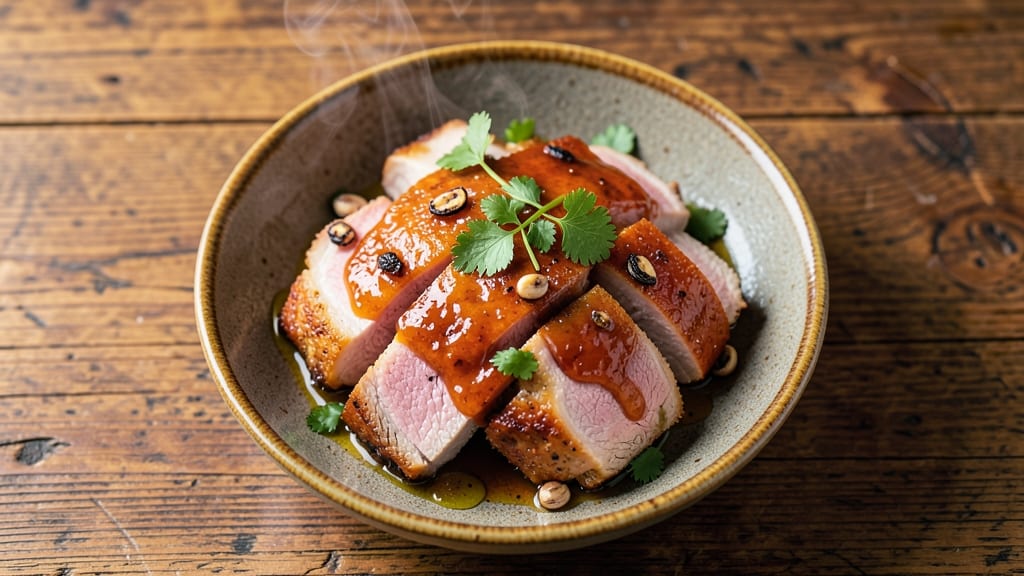
This traditional Cuban pork recipe brings the soul of Havana to your kitchen with slow-braised tenderness and the bright, citrusy magic of mojo marinade.
Growing up in small-town Georgia, I first tasted this dish at a Cuban restaurant where the aroma of garlic, oregano, and roasting pork filled the air—it became my benchmark for what slow-cooked pork should taste like.
The secret lies in marinating the pork overnight in a vibrant blend of citrus, garlic, and spices, then braising it until fall-apart tender.
The mojo marinade transforms tough cuts into melt-in-your-mouth perfection, while the slow braising method ensures every bite is infused with deep, savory flavors. This isn’t your average pork roast—it’s a celebration of Cuban tradition, where citrus and spices work together to create a dish that’s both comforting and vibrant.
The result is rich, juicy pork that pairs beautifully with black beans, rice, and crisp plantains, making it a complete meal fit for any gathering.
What makes this recipe truly special is its balance of simplicity and depth. The marinade does most of the work, allowing the pork to absorb layers of flavor while you prepare the rest of your meal.
By the time it’s done, you’ll have a dish that’s tender, aromatic, and bursting with the bright, tangy notes of mojo—just like the one I fell in love with decades ago. Whether you’re hosting a dinner or simply craving a taste of Cuba, this recipe delivers.
Serve it with classic sides like yellow rice, black beans, and fried plantains for an authentic Cuban feast. The slow-cooked pork stays juicy and flavorful even when reheated, making it perfect for meal prep or leftovers.
Let’s get started on creating this timeless dish that brings a little Havana to your table.
Ingredients for traditional cuban pork
Six ingredients transform tough pork into melt-in-your-mouth Cuban magic—citrus, garlic, and spices work their slow-cooked wonder.
| Ingredient | Amount | Notes |
|---|---|---|
| Pork Shoulder (Boston Butt) 🥩 | 4 lb | Bone-in, cut into 2-inch chunks |
| Fresh Orange Juice 🍊 | 2 cups | Freshly squeezed, no pulp |
| Fresh Lime Juice 🍋 | ½ cup | Freshly squeezed |
| Garlic Cloves 🧄 | 8 cloves | Peeled, lightly crushed |
| Fresh Cilantro 🌿 | ½ cup | Stems removed, chopped |
| Ground Cumin 🌶️ | 1 tbsp | Toasted for deeper flavor |
| Dried Oregano 🍃 | 1 tbsp | Mexican oregano preferred |
| Ground Black Pepper 🌶️ | 1 tsp | Freshly ground preferred |
| Bay Leaves 🌿 | 2 whole | Fresh or dried |
| Olive Oil 🫒 | ½ cup | Extra-virgin for richness |
| Salt 🧂 | 1 ½ tsp | Kosher or sea salt |
| Brown Sugar 🍯 | 2 tbsp | Light or dark |
| Onion 🧅 | 1 whole | Yellow, chopped |
| Water 💧 | 1 cup | For braising liquid |
The pork shoulder is the star here—bone-in, cut into 2-inch chunks for maximum flavor. Costco or your local butcher are great spots for this cut; look for good marbling and ask for it cut into chunks if they don’t already. The citrus juices need to be fresh—no bottled stuff. I grab oranges from Trader Joe’s (they’re seedless and juicy) and limes from the Mexican section at H-E-B. The garlic should be plump and firm, not sprouting or dry. Cilantro? Bunch with bright green leaves—the stems are tough, so chop them separately if you’re feeling fancy.
No fresh oregano? Mexican oregano from the Latin market has a completely different, more citrusy flavor—worth hunting down. Short on brown sugar? White sugar works fine, but it won’t caramelize as nicely. The onion can be yellow, white, or even red—just make sure it’s fresh (no wrinkly skins). For the olive oil, Spanish or Italian brands from the international aisle have the best flavor. The bay leaves? Fresh is ideal, but dried works in a pinch—just double the amount. And if you’re worried about the pork being too fatty, trim off any excess before marinating.
Marinated pork keeps in the fridge for up to 2 days—perfect for meal prep. The braised pork reheats beautifully; just add a splash of water or broth to keep it moist. Leftovers? 5 days in the fridge, or freeze for 3 months. I like to portion it into containers with a little extra braising liquid so it stays juicy. The marinade itself? Use within 5 days—it’s best fresh, but you can freeze it for 1 month. Trust me, the extra day of marinating makes all the difference.
Why You'll Love This Recipe
- One-Pot Magic: I swear by this recipe because it’s literally hands-off after the initial sear. The pork shoulder slow-cooks with citrus and garlic until it falls apart—no flipping, no fuss, just rich, tender perfection waiting for you.
- Citrus Kiss: That bright tang from fresh orange and lime juice? It’s the secret weapon. The acid tenderizes the meat while cutting through the fat, leaving you with a dish that’s juicy, aromatic, and dangerously addictive—especially when you garnish it with chopped cilantro right before serving.
- Party in a Pan: Between us, this is my go-to for gatherings because it’s unfussy yet impressive. Serve it shredded over rice for a crowd, or let guests pile it onto crusty bread with pickles—it’s the kind of dish that disappears fast and leaves everyone asking for seconds.
- Budget Hero: Pork shoulder is a steal, and a single roast stretches across meals. I’ll make this on Sunday, then repurpose leftovers for tacos, sandwiches, or even breakfast hash the next day. Honestly, it’s the kind of recipe that makes grocery day feel like a win.
Step-by-step instructions for traditional Cuban pork recipe
Here's how to create authentic Cuban pork with tender meat and bold mojo flavors.
Prepare the Mojo Marinade
In a large bowl, combine the 2 cups of fresh orange juice, 0.5 cup of fresh lime juice, 0.5 cup of olive oil, 8 lightly crushed garlic cloves, 0.5 cup of chopped cilantro, 1 tablespoon of ground cumin, 1 tablespoon of dried oregano, 1 teaspoon of ground black pepper, 1.5 teaspoons of salt, and 2 tablespoons of brown sugar. Whisk vigorously until fully incorporated and the mixture becomes emulsified.
This marinade is the soul of Cuban pork—bright citrus cuts through the richness while spices penetrate the meat. Let it sit at room temperature for 10 minutes to allow the flavors to meld before using. The acidity will begin tenderizing the pork shoulder immediately.
Marinate the Pork Shoulder
Place the 4 lb pork shoulder in a large resealable plastic bag or a deep dish. Pour the prepared mojo marinade over the meat, ensuring it's completely coated. Seal the bag or cover the dish and refrigerate for at least 4 hours, or preferably overnight. The longer it marinates, the more flavorful and tender the pork will become.
Turn the pork occasionally during marinating to ensure even exposure to the citrus and spices. The marinade should penetrate deeply, giving the meat its signature Cuban flavor profile. If marinating overnight, remove it from the fridge 1 hour before cooking to bring it to room temperature.
Sear the Pork for Depth of Flavor
Remove the pork from the marinade (reserve the marinade for later) and pat it dry with paper towels. Heat a large Dutch oven over medium-high heat and add the chopped onion. Cook for 5 minutes until softened and slightly caramelized. Remove the onions and set aside.
Increase heat to high and add the pork shoulder to the Dutch oven. Sear on all sides until deeply browned, about 5-7 minutes total. This step develops a rich crust that locks in juices during the slow cook. Don't rush this—you want that beautiful mahogany color that signals proper browning.
Braise the Pork to Tender Perfection
Return the seared pork to the Dutch oven along with the reserved mojo marinade, the 1 cup of water, and the 2 bay leaves. Bring to a simmer over medium heat, then reduce heat to low, cover, and transfer to a preheated 300°F oven. Braise for 3 to 4 hours until the pork is fork-tender and easily pulls apart.
Check the pork after 3 hours—it should be falling apart when tested with a fork. If it needs more time, continue cooking in 30-minute increments until tender. The braising liquid should reduce to a thick, flavorful sauce that coats the pork beautifully. This slow cooking method transforms tough pork into melt-in-your-mouth tenderness.
Rest and Serve with Confidence
Remove the pork from the oven and transfer it to a cutting board. Tent loosely with foil and let it rest for 15 to 20 minutes before slicing. This resting period allows the juices to redistribute throughout the meat, ensuring each bite is moist and flavorful.
Discard the bay leaves and skim any excess fat from the braising liquid if desired. Serve the pork sliced against the grain with the reduced mojo sauce spooned over the top. The combination of tender meat, citrusy sauce, and aromatic spices delivers authentic Cuban flavor in every bite. This dish pairs perfectly with black beans, white rice, and warm plantains.
Pro Tips For Making Traditional Cuban Pork
- Sear the Pork Hard: Get that Dutch oven smoking hot—cast iron or stainless steel—before the pork even touches it. I learned this the hard way after serving a batch where the crust was barely there. Two minutes per side until deep golden brown, then pull it out and let it rest while you build the sauce.
- Strain That Juice: No pulp in your sauce. Blend the orange and lime juice first, then strain through a fine-mesh sieve to remove seeds and bits. My first attempt left gritty chunks in every bite, and it took me three tries to figure out why the texture felt off.
- Don’t Rush the Braise: Low and slow is non-negotiable here. Cover the pork with just enough liquid to come halfway up the meat, then simmer at 300°F (150°C) for at least 3 hours. I skipped this once and ended up with dry, stringy pork—now I set a timer and walk away.
- Toast the Garlic: Bloom the minced garlic in the pork fat for 30 seconds until it’s fragrant and just turning golden. This makes a real difference—raw garlic can taste bitter in the finished dish. (Yes, even if you’re impatient like me, wait for that aroma.)
Creative variations of this dish
Havana-Style Lechón
For a festive Cuban celebration, prepare Lechón Asado—whole roasted pork stuffed with mojo marinade and citrus. Start with a 6-8 lb whole pork shoulder (or pork butt) from your local butcher, asking them to butterfly it slightly for even cooking.
Stuff the cavity generously with 1 cup mojo marinade (double the recipe) along with 4 garlic cloves, 2 bay leaves, and 1 tbsp cumin. Roast at 325°F for 5-6 hours until internal temp reaches 195°F, basting every 45 minutes with pan juices. 🔥
Ropa Vieja Fusion
Transform your braised pork into Cuban Ropa Vieja by shredding the cooked meat and simmering it with 1 diced bell pepper, 1 chopped onion, and 1 cup tomato sauce for 20 minutes. Add 1 tsp adobo seasoning and ½ cup raisins for a sweet-savory twist.
Serve over yellow rice with a side of fried plantains for a hearty, family-style meal. I love adding 1 tbsp soy sauce at the end for umami depth.
Spicy Mojito Pork
Infuse your mojo marinade with mint and lime for a refreshing, spicy kick. Blend ½ cup fresh mint leaves with the citrus juices and spices, then strain before marinating. For extra heat, add 1 tbsp minced jalapeño or ½ tsp cayenne.
This variation works beautifully for pork chops or pork tenderloin, searing quickly over high heat before finishing in the oven. Pair with a mojito cocktail for a Cuban fiesta vibe. 🌶️
Slow-Cooker Adaptation
For hands-off cooking, use a 6-quart slow cooker on Low for 8 hours or High for 5 hours. Sear the pork first in a skillet, then transfer to the slow cooker with the mojo marinade, water, and bay leaves.
The acidity and spices work together in the slow cooker to create fall-apart tenderness with minimal effort. I often double this method for large gatherings, freezing half for later. Perfect for busy weeknights!
Cuban Sandwich Twist
Shred the braised pork and layer it with ham, Swiss cheese, and pickles on crusty Cuban bread. Toast in a panini press or skillet until crispy. For extra authenticity, brush the bread with mojo marinade before assembling.
Serve with a side of slaw (shredded cabbage, carrots, and a tangy mayo-lime dressing) for a Cuban sandwich that rivals any Miami deli. 💛
Nutrition facts
Frequently asked questions
What cut of pork works best for this Cuban recipe?
Use a bone-in pork shoulder (Boston butt) for the most authentic texture and flavor. The fat and connective tissue break down beautifully during braising, creating melt-in-your-mouth tenderness. If you prefer leaner meat, a pork tenderloin works but may require shorter cooking times to avoid drying out.
Can I make the mojo marinade ahead of time?
The marinade keeps well in the fridge for up to 5 days and can be frozen for 1 month. For best results, let it sit at room temperature for 10 minutes before using to allow flavors to meld. The longer it marinates, the more tender and flavorful the pork becomes—overnight is ideal.
How do I know when the pork is fully cooked?
Use a meat thermometer to check for doneness—pork is safe when it reaches 195°F internally. The meat should also pull apart easily with two forks. If using a bone-in cut, test near the thickest part but avoid the bone itself. For extra tenderness, let it rest for 15-20 minutes before slicing.
What are the best sides to serve with this dish?
Classic Cuban pairings include yellow rice, black beans, and fried plantains. For a complete meal, add a crisp slaw or avocado salad. The citrusy pork also complements tostones (twice-fried green plantains) and cuban sandwich bread for a hearty sandwich.
Can I substitute any ingredients if I don't have them?
Yes! For fresh orange juice, use grapefruit juice for a tangier twist. Skip the cilantro and use parsley instead. If you lack Mexican oregano, regular dried oregano works, though the flavor will be slightly milder. For a sweeter touch, swap brown sugar for honey or maple syrup. Adjust spices to taste—this dish is forgiving!