
Main Courses
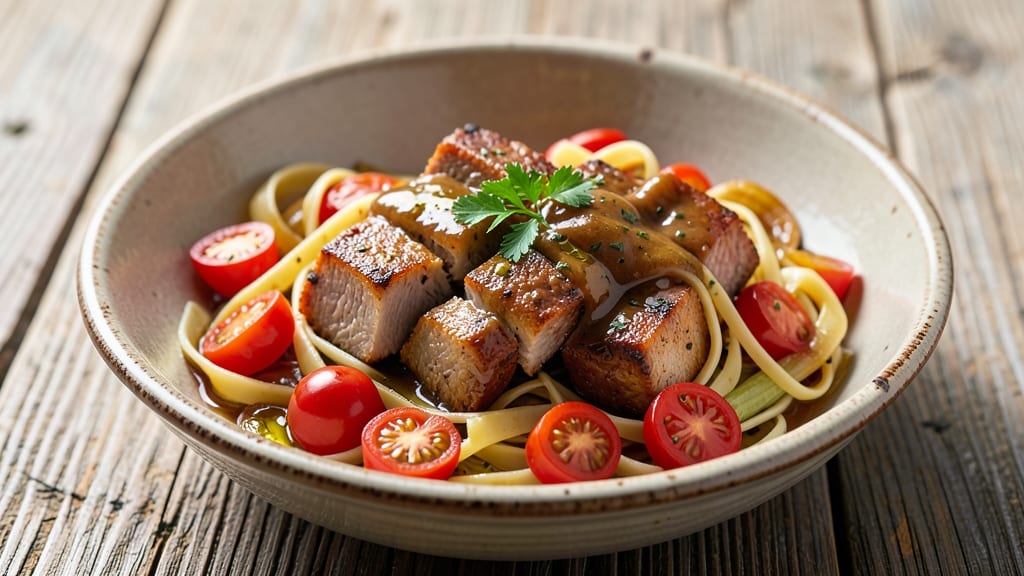
Mastering a traditional pork ragu recipe means embracing the slow, deliberate process that transforms tough cuts into melt-in-your-mouth perfection. Growing up in small-town Georgia, I learned that patience and proper technique are the keys to unlocking deep umami flavors that make every bite unforgettable.
This isn't just dinner—it's a labor of love that rewards you with a dish so rich, it feels like a hug from your nonna.
The secret lies in proper meat preparation: browning the pork until deeply caramelized, then deglazing the pot to capture every last bit of flavor.
We're talking 30 minutes of active prep followed by 3-4 hours of slow simmering—no shortcuts here, just the kind of time investment that turns a weeknight into a celebration. The result?
A sauce so velvety and complex, it clings to every strand of pasta like it was born to be there.
What you'll end up with is a restaurant-quality ragu that's worth every minute—deeply aromatic from the slow-cooked aromatics, rich from the rendered pork fat, and perfectly balanced between sweet and savory.
The texture is where it truly shines: tender meat that falls apart at the touch, suspended in a sauce that's neither too thick nor too thin, but just right.
This is comfort food at its finest, the kind that makes you want to roll back your sleeves and cook for hours.
Serve it over al dente pappardelle or tagliatelle, garnished with fresh parsley and a sprinkle of parmesan, and watch as everyone at the table asks for seconds. The beauty of this recipe is its versatility—it freezes beautifully for future meals, and the leftovers only get better with time.
Let's get started on creating something truly special.
Ingredients for traditional pork ragu
The right ingredients transform tough pork into restaurant-worthy ragu—slow-cooked richness starts here.
| Ingredient | Amount | Notes |
|---|---|---|
| Pork Shoulder (Bone-In) 🥩 | 3 lb | Cut into 1-inch cubes, trimmed of excess fat |
| Extra-Virgin Olive Oil 🫒 | ½ cup | High-quality, fruity variety for browning |
| Yellow Onion 🧅 | 2 whole | Medium-sized, finely chopped |
| Carrots 🥕 | 3 whole | Medium, peeled and cut into chunks |
| Celery Stalks 🥬 | 3 whole | Cut into 1-inch pieces |
| Garlic Cloves 🧄 | 8 cloves | Fresh, peeled and smashed |
| Tomato Paste 🍅 | ½ cup | High-quality, no sugar added |
| Dry Red Wine 🍷 | 1 cup | Bold, like Chianti or Cabernet |
| Whole Milk 🥛 | 1 cup | Full-fat for creaminess |
| Beef Broth 💧 | 4 cups | Homemade or high-quality store-bought |
| Bay Leaves 🌿 | 2 whole | Fresh, not dried |
| Fresh Rosemary 🌿 | 1 sprig | Thinly sliced, not dried |
| Fresh Thyme 🌿 | 2 sprigs | Leaves only, not stems |
| Salt 🧂 | 2 tsp | Diamond Crystal kosher salt |
| Black Peppercorns 🌶️ | 1 tsp | Freshly cracked, not ground |
| Parmesan Cheese 🧀 | ½ cup | Freshly grated, aged 24+ months |
| Fresh Parsley 🌿 | ¼ cup | Chopped, for garnish only |
The pork shoulder is non-negotiable—bone-in, well-marbled cuts from the butcher counter (not pre-cut) render the most flavor. Whole Foods or your local butcher will have the best quality. Look for meat with good fat marbling—it's what makes this sauce velvety. If you can't find bone-in, bone-less pork shoulder works, but the broth will be less rich. The aromatics—onion, carrot, celery—are the flavor foundation. Trader Joe's sells pre-chopped mirepoix blends that save time, but fresh is always better. Garlic? Use fresh, never jarred—the paste is a pale imitation of real minced garlic.
No red wine on hand? Dry sherry or beef broth with a splash of balsamic works in a pinch. Fresh herbs are ideal, but dried rosemary and thyme at half the amount will do. The tomato paste can be the squeeze-tube kind from Trader Joe's—it's perfect for this. For extra depth, add a 1/2 tsp of smoked paprika with the tomato paste. The Parmesan should be real Parmigiano-Reggiano, not pre-grated. If you're short on time, Pecorino Romano works too—just grate it yourself. The milk at the end is crucial—it rounds out the acidity from the wine and tomatoes, giving that signature Italian ragu texture.
This sauce tastes even better the next day—make extra and freeze portions. Store in the fridge for 5-6 days or freeze for up to 3 months. For freezing, use airtight containers or heavy-duty freezer bags. Thaw overnight in the fridge, then reheat on the stove with a splash of broth. The fresh parsley is just for garnish—add it right before serving. If you're prepping ahead, skip the parsley until serving—it wilts fast. The ragu reheats beautifully, so double the batch and thank yourself later.
Why You'll Love This Recipe
- One-Pot Magic: The pork shoulder practically cooks itself—just brown it, dump in the veggies, and let it simmer. No chopping mountains of ingredients, no constant stirring; the bone-in cut keeps it juicy while you sip wine and pretend you’re not cooking.
- Deep Umami Bomb: That bone-in pork shoulder? It melts into the sauce, turning tough meat into fork-tender perfection while the onions, carrots, and celery build layers of sweetness. Honestly, the first time I tasted it, I nearly dropped my fork—it’s that good.
- Weeknight to Dinner Party: Make a big batch on Sunday, freeze half, and serve the rest over pasta for a weeknight meal that feels fancy. Or double it for guests—just add a splash of red wine and some crusty bread, and suddenly you’re hosting like a pro.
- Budget-Friendly Powerhouse: Pork shoulder is cheap, and this recipe stretches it into multiple meals without breaking the bank. Between us, I’ve fed four people for under $15 with leftovers that taste even better the next day—proof that slow cooking saves money and time.
Step-by-step instructions for traditional pork ragu recipe
Here's how to create a rich, deeply flavorful ragu that captures all the essence of Italian tradition.
Prepare the Pork and Aromatics
Cut the 3 lb pork shoulder into 1-inch cubes, trimming any excess fat to leave about ¼ inch. Pat each piece dry with paper towels—this helps them brown beautifully. In a large Dutch oven, heat the 0.5 cup extra-virgin olive oil over medium-high heat until shimmering but not smoking.
Working in batches, add the pork cubes and cook undisturbed for 3-4 minutes until golden brown on all sides. This initial searing develops deep, caramelized flavors that form the foundation of your ragu. Transfer the browned pork to a plate and set aside. In the same pot, add the chopped 2 whole yellow onions, 3 whole carrots cut into chunks, and 3 whole celery stalks cut into 1-inch pieces. Cook for 5-6 minutes until softened and slightly caramelized.
Build the Flavor Base
Add the 8 cloves smashed garlic to the pot and cook for 30 seconds until fragrant—don't let it brown or it'll turn bitter. Stir in the 0.5 cup tomato paste and cook for 2 minutes, allowing it to darken slightly. This creates a rich, concentrated flavor that will meld beautifully with the other ingredients. Pour in the 1 cup dry red wine and scrape up any browned bits from the bottom of the pot with a wooden spoon. Let it simmer for 3-4 minutes until the wine has mostly evaporated.
Here's where the magic happens: add the 4 cups beef broth, 2 whole bay leaves, 1 sprig sliced fresh rosemary, and 2 sprigs fresh thyme leaves. Bring to a gentle simmer, then return the pork to the pot. The liquid should cover the pork by about ½ inch. Sprinkle with the 2 tsp salt and 1 tsp freshly cracked black peppercorns. This is your base—let it simmer uncovered for 1 hour, stirring occasionally to prevent sticking.
Slow Simmer to Tender Perfection
After the initial hour, partially cover the pot and continue simmering at a gentle bubble for 2-2.5 hours. The pork should be fork-tender and falling apart easily. If the liquid reduces too much, add a splash of water or broth to maintain the proper consistency. This slow cooking process breaks down the connective tissue, creating melt-in-your-mouth tenderness while allowing all the flavors to meld together.
About 30 minutes before the pork is tender, stir in the 1 cup whole milk and 0.5 cup freshly grated Parmesan cheese. The milk adds creaminess while the Parmesan contributes a rich, nutty depth. The ragu should now have a velvety texture with a beautiful balance of flavors. Taste and adjust seasoning if needed—this is where you can really make it your own.
Finish and Serve
Once the pork is tender, remove the bay leaves, rosemary, and thyme sprigs. For a smoother texture, transfer the ragu to a blender in batches (discard any large pork pieces that don't blend well) and pulse until you reach your desired consistency. Return the blended ragu to the pot and stir in any reserved pork pieces. The final texture should be rich and velvety, coating the back of a spoon.
Serve the ragu immediately over al dente pasta, sprinkled with the 0.25 cup chopped fresh parsley. Each bite should deliver layers of umami from the slow-cooked pork, sweetness from the caramelized vegetables, and a perfect balance of acidity from the wine and tomato. The Parmesan adds a luxurious finish that makes this ragu truly special. This traditional method ensures you capture all the depth and complexity that makes Italian ragu so beloved.
Pro Tips For Making Traditional Pork Ragu
- CRANK THE HEAT FIRST: Sear that pork shoulder in a screaming-hot pan with olive oil until it’s deep mahogany brown—no rush, no wimpy medium heat. I learned this the hard way: low-and-slow searing just makes the meat sweat instead of crisp. Once it’s golden, you’ve locked in flavor that won’t dissolve into the sauce later.
- CHOP VEGETABLES UNIFORM: Dice the onion, carrots, and celery into roughly ½-inch pieces—no fine mincing, no giant chunks. The carrots and celery should break down into the sauce, but they’ll still hold shape long enough to sweeten the ragu. I used to eyeball it, but consistent sizing means even cooking and no weird texture surprises.
- SKIP THE CROWDED PAN: Don’t toss all the veggies into the pot at once—cook them in batches if needed. A packed pan steams instead of browns, and you’ll end up with mushy, watery aromatics instead of the deep, caramelized base your ragu needs. Work in layers: sear the pork, then add half the veggies, then the rest once they’ve softened.
- REST THE PORK BEFORE SLICING: Pull the pork from the pot and let it rest under foil for 10 minutes—yes, even if you’re starving. Cutting into it too soon turns your perfectly tender meat into a dry, shredded mess. The bone-in shoulder stays juicier when it cools slightly, and the slices hold together better when you serve it. (Your future self will thank you.)
Serving suggestions for this dish
Pasta Pairings
This ragu was born to cling to wide, flat pasta shapes like pappardelle or tagliatelle—their generous surface area soaks up every last drop of sauce. I always use De Cecco Bronn pasta because its texture holds up beautifully to the rich sauce.
For a rustic touch, try fresh egg pasta from your local Italian market. The egg adds a subtle richness that complements the pork perfectly. 🍝
Polenta Perfection
If you want to switch things up, creamy polenta makes an excellent base for this ragu. Cook 1 cup polenta in 4 cups water with a pinch of salt until thick and creamy, then stir in ½ cup butter and ½ cup grated Parmesan.
Spoon the ragu over the top and garnish with extra parsley. The contrast between the smooth polenta and the hearty ragu is pure comfort food magic.
Garnish Like a Pro
Fresh parsley is non-negotiable—it brightens the dish with a pop of color and freshness. I like to add ½ cup grated Parmesan right on the table so everyone can customize their portion.
For extra flair, sprinkle with toasted pine nuts or crispy pancetta—both add texture and depth. If you're feeling fancy, a drizzle of high-quality extra-virgin olive oil ties everything together.
Bread Service
No Italian meal is complete without bread! I serve crusty Italian loaves like Focaccia or Ciabatta on the side. The bread soaks up any leftover sauce, and the crust adds a satisfying crunch.
For a Southern twist, try cornbread—its slight sweetness balances the ragu's richness beautifully. Warm the bread in the oven for 5 minutes before serving to keep it fresh.
Wine Pairings
A bold Chianti Classico or Barolo from Piedmont elevates this dish to restaurant-level perfection. The tannins in the wine cut through the richness of the ragu, cleansing your palate with each bite.
For a lighter option, Pinot Noir offers a fruity contrast. If you prefer white, a Chardonnay with oak notes stands up to the dish beautifully. 🍷
Leftovers Reinvented
Ragu only gets better with time—use leftovers to make ragù-stuffed shells or lasagna. Spread ½ cup ragu on each jumbo pasta shell, top with mozzarella, and bake at 375°F for 15 minutes.
For a quick lunch, serve ragu over mashed potatoes with a sprinkle of crispy fried onions—it's a hearty, unexpected twist that always surprises my guests.
Nutrition facts
Frequently asked questions
Why does this pork ragu recipe use bone-in pork shoulder?
The bone-in cut adds incredible depth of flavor as it simmers—it infuses the broth with gelatin and minerals that create a richer, more complex sauce. The marrow also contributes to the velvety texture. If you must use boneless, expect slightly less richness but still excellent results.
Can I make this ragu in a slow cooker instead of a Dutch oven?
Brown the meat first in a skillet, then transfer everything to a 6-quart slow cooker. Cook on low for 6-7 hours instead of 3-4 hours on the stove. The milk and cheese should be added during the last 1 hour of cooking to prevent curdling.
What's the best way to fix ragu that's too thick?
Add ¼ cup warm broth at a time while stirring gently. For a smoother texture, blend half the sauce (without large meat pieces) and return it to the pot. If it's still too thick, simmer uncovered for 5-10 minutes to reduce further—this concentrates the flavors beautifully.
How do I know when the pork is perfectly tender?
Use a fork to test a piece—it should separate easily with minimal resistance. The meat should pull apart cleanly, not feel stringy. If it's still slightly firm after 3 hours, add ½ cup water and continue cooking another 30 minutes. Overcooking can make it dry, so aim for tender but not mushy.
Can I substitute beef broth with chicken broth?
While beef broth is traditional, chicken broth works in a pinch—just add 1 tsp beef bouillon powder per cup to mimic the depth. For best results, use a mix of both (3 cups beef + 1 cup chicken). The pork's natural flavors will still shine, but expect slightly less umami richness.