
Main Courses
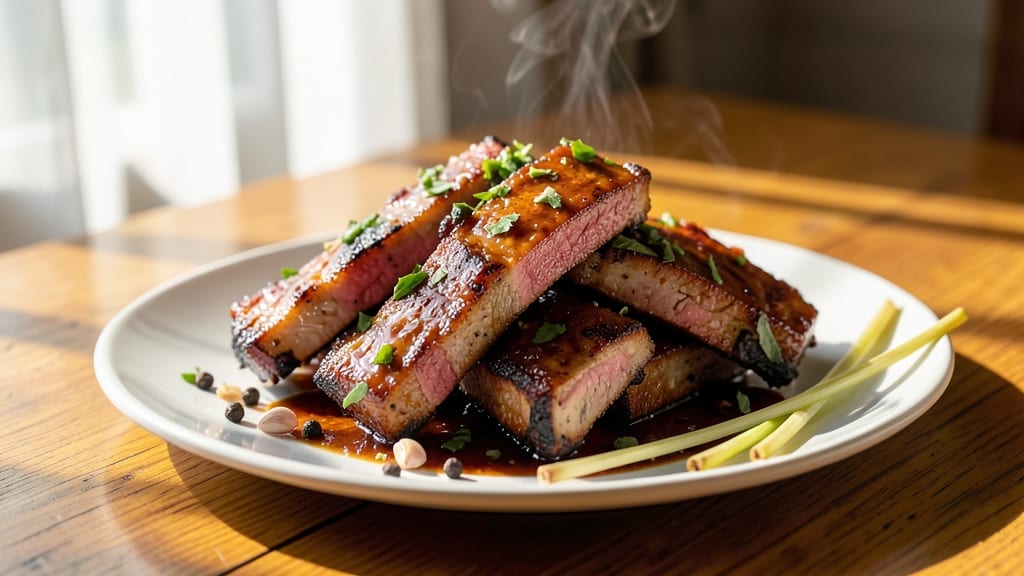
Mastering Vietnamese pork ribs means balancing sweet, salty, and aromatic flavors in every bite—this recipe delivers caramelized lemongrass ribs with a fish sauce glaze that transforms tough cuts into melt-in-your-mouth perfection.
Growing up in Georgia, I learned pork’s versatility, but Vietnamese techniques elevated my approach, especially the slow-braised method that tenderizes while building deep umami layers.
The secret lies in marinating ribs with lemongrass, garlic, and fish sauce for at least 12 hours—this infusion creates a fragrant crust and tenderizes the meat. A precise blend of brown sugar and black pepper forms the caramelized bark, while a reduced fish sauce glaze ties everything together.
The result? Ribs that stay juicy inside with a glossy, slightly crisp exterior that clings to every bite.
This method delivers restaurant-quality ribs in your home kitchen, using simple ingredients that pack maximum flavor. The aromatics alone—citrusy lemongrass, funky fish sauce, and smoky garlic—will have your kitchen smelling like a bustling Hanoi street. Serve with steamed jasmine rice and fresh herbs to complete the experience.
Whether you're feeding a crowd or treating yourself, these ribs are foolproof and adaptable. The marinade works for chicken or tofu too, making this a versatile centerpiece for any meal. Let’s get cooking—your taste buds will thank you.
Ingredients for vietnamese pork ribs
Six pounds of ribs meet aromatic lemongrass and fish sauce for melt-in-your-mouth perfection.
| Ingredient | Amount | Notes |
|---|---|---|
| Pork Ribs (St. Louis Style) 🍖 | 4 lb | Bone-in, trimmed of excess fat |
| Lemongrass Stalks 🌿 | 6 whole | Bruised, bottom 2 inches sliced |
| Garlic Cloves 🧄 | 12 cloves | Crushed, minced for marinade |
| Fish Sauce 🐟 | ½ cup | Red Boat or Three Crabs preferred |
| Brown Sugar 🍚 | ½ cup | Light or dark, no substitutes |
| Black Peppercorns 🌶️ | 2 tbsp | Freshly cracked, not ground |
| Vegetable Oil 🫒 | 1 cup | For high-heat searing |
| Soy Sauce 🥫 | ¼ cup | Low-sodium preferred |
| Rice Wine Vinegar 🍶 | 2 tbsp | Balances sweetness and salt |
| Fresh Ginger 🌰 | ¼ cup | Grate finely, vibrant flavor |
| Lime Juice 🍋 | ¼ cup | Freshly squeezed, brightens flavors |
| Jasmine Rice 🍚 | 2 cups | Long-grain, for serving |
| Fresh Thai Basil 🌿 | ½ cup | For garnish, optional |
The ribs are everything here. St. Louis-style bone-in gives you that classic rib structure, and you can find them pre-trimmed at Costco or your local butcher. If you're buying whole, trim the fat cap to about 1/4-inch thick—too much will make the glaze burn. I always grab Red Boat fish sauce for that authentic funk—it’s worth the splurge. For lemongrass, Asian markets have the best stalks—look for ones that aren’t dried out or brittle. If you can’t find fresh, frozen works in a pinch—just thaw it first.
No fish sauce? Substitute 3 tbsp soy sauce + 1 tbsp Worcestershire sauce for that umami punch. Brown sugar is non-negotiable for the caramelized crust, but coconut sugar at 1:1 ratio works if you’re avoiding refined sugar. Short on lemongrass? Double the ginger and add 2 tbsp lime zest—it’ll still give you that citrusy kick. The garlic can be roasted in the oven at 400°F for 10 minutes before mincing for deeper flavor. And if you’re serving this to a crowd, double the marinade—it’s the secret to juicy ribs.
Marinate the ribs overnight in the fridge for maximum tenderness. Don’t skip the sear step—it’s what gives those ribs their signature glossy crust. Store cooked ribs in an airtight container with the glaze for up to 5 days in the fridge, or freeze for 3 months. The jasmine rice keeps best in a sealed container for 1 week—just add a splash of water to the bag to keep it fresh. For the best experience, reheat ribs in a 350°F oven for 10 minutes to crisp up the glaze.
Why You'll Love This Recipe
- Fewer Ingredients, Bigger Bang: I swear by this recipe because it nails depth with just five core ingredients—no confusing spice blends or obscure pastes. That fish sauce and brown sugar combo? It’s the secret to a sauce that’s sticky, savory, and just sweet enough without trying too hard.
- Crispy-Tender Magic: The ribs come out with that irresistible snap on the outside while staying juicy inside, all thanks to the lemongrass and garlic working their flavor magic during the slow cook. Honestly, the first bite makes me forget I’m not at a Vietnamese BBQ joint.
- Weeknight to Party Upgrade: Same marinade, same method—whether I’m feeding my family on a Tuesday or hosting friends for dinner, these ribs deliver. Throw them on the grill, bake them, or even slow-cook them; they’re versatile enough to handle whatever I’m in the mood for.
- Budget-Friendly Leftovers: Between us, these ribs are so good that I always make extra. The leftovers reheat beautifully for sandwiches or noodle bowls the next day, and the sauce? It keeps for weeks in the fridge—meaning I’m never scrambling for takeout again.
Step-by-step instructions for Vietnamese pork ribs
Here's how to transform tough ribs into tender, aromatic Vietnamese pork ribs with a perfect balance of sweet, tangy, and umami flavors.
Prepare the Lemongrass-Garlic Marinade
In a food processor, combine the 6 whole lemongrass stalks (bruised and sliced), 12 cloves garlic cloves (crushed), 0.25 cup fresh ginger (finely grated), and 2 tbsp black peppercorns (freshly cracked). Pulse until you achieve a coarse paste—this ensures the flavors infuse deeply into the ribs. Transfer the mixture to a large bowl and add the 0.5 cup fish sauce, 0.25 cup soy sauce, 2 tbsp rice wine vinegar, and 0.5 cup brown sugar. Stir vigorously until the sugar dissolves completely and the marinade becomes glossy.
Here's the thing—this marinade is the soul of the dish. The fish sauce provides that signature umami depth, while the brown sugar caramelizes beautifully during cooking. The lemongrass and ginger add an aromatic complexity that's unmistakably Vietnamese. Let the marinade rest for 10 minutes while you prep the ribs—this gives the flavors time to meld.
Marinate and Sear the Ribs
Pat the 4 lb pork ribs dry with paper towels—this is critical for achieving that perfect caramelized crust. Place the ribs in a large zip-top bag and pour in the marinade, ensuring every surface is coated. Seal the bag and massage the marinade into the meat, working it into the crevices. Refrigerate for at least 4 hours, or overnight if possible. The longer they marinate, the more tender and flavorful they'll become.
When ready to cook, remove the ribs from the fridge and let them sit at room temperature for 30 minutes. Heat 1 cup vegetable oil in a large skillet over medium-high heat until shimmering but not smoking. Working in batches if needed, sear the ribs for 3-4 minutes per side until they develop a deep golden-brown crust. This step builds the foundation for the caramelized exterior we're after. Don't rush this—patience here prevents a pale, bland result.
Slow Cook to Tender Perfection
Transfer the seared ribs to a slow cooker and pour any accumulated marinade from the skillet over them. Add 0.25 cup lime juice and 2 cups jasmine rice (uncooked) to the slow cooker. The rice acts as a natural steamer, keeping the ribs moist while absorbing some of the delicious marinade. Cook on low heat for 6-7 hours, or until the ribs are fork-tender and pull away from the bone easily. Here's what I do—check the ribs at the 5-hour mark with a fork. They should offer some resistance but still be slightly springy.
During the last 30 minutes of cooking, the flavors will intensify. The brown sugar in the marinade will begin caramelizing, creating a glossy glaze that coats the ribs. If you notice the liquid level dropping significantly, add ¼ cup water to prevent the ribs from drying out. The rice should be fully cooked by the end, with a fragrant aroma that signals the dish is ready.
Finish with Fresh Herbs and Serve
Remove the ribs from the slow cooker and transfer them to a serving platter. Drizzle any remaining cooking liquid over the top for extra flavor. Garnish with 0.5 cup fresh Thai basil, torn by hand, and serve immediately with the jasmine rice. The basil adds a bright, fresh contrast to the rich, caramelized ribs. I like to serve this with a side of quick-pickled vegetables to cut through the richness and balance the plate.
Here's the moment that matters: the first bite should deliver a perfect harmony of textures—tender meat, crisp edges from the sear, and a glossy caramelized glaze. Each rib should be infused with lemongrass, garlic, and ginger, balanced by the tangy fish sauce and sweet brown sugar. Don't skip the fresh basil—it elevates the dish from good to extraordinary. This recipe serves 6, so plan for leftovers that reheat beautifully the next day.
Pro Tips For Making Vietnamese Pork Ribs
- Char Not Sear: Skip the slow start—blast those ribs with direct heat for the first 3 minutes until they’re deep golden. I learned this the hard way: low-and-slow from the get-go means tough, dry edges. The crust locks in flavor, and the lemongrass doesn’t burn if you keep the heat high but the grill grates clean.
- Bruise the Lemongrass: Smash the lemongrass stalks with the flat side of your knife before adding them to the marinade. This releases oils and aromatics without making the ribs taste like you’re chewing on a broomstick. (Yes, even if it looks like you’re overcommitting.)
- Fish Sauce First: Whisk fish sauce into the marinade before adding brown sugar—let it bloom for 10 minutes. Sugar and fish sauce left to sit together turn bitter faster than you can say “overcooked ribs.” Trust me, the umami hits harder when you give it time.
- Paper Towel Dry: Pat those ribs thoroughly with paper towels after marinating—no half-measures. Wet ribs steam instead of caramelize, and you’ll end up with a sad, sticky glaze instead of a sticky crust. (I know, I know, but this is the thing that matters most.)
Creative variations of this recipe
Street Food Style
For a quick, smoky take inspired by Hanoi’s street carts, swap the slow cooker for a charcoal grill or cast iron skillet.
After marinating, sear the ribs over medium-high heat for 5-6 minutes per side, then brush with a mix of 2 tbsp fish sauce, 1 tbsp brown sugar, and 1 minced lemongrass stalk while grilling.
Finish with a sprinkle of crushed peanuts and Thai basil for that classic Vietnamese street food crunch. 🌶️
Spicy Chili-Lime Twist
Add 1 tbsp gochujang (Korean chili paste) and 1 tbsp lime zest to the marinade for a fiery kick. After slow cooking, toss the ribs in a sauce of 2 tbsp sriracha, 1 tbsp honey, and 1 tbsp rice vinegar, then broil for 2-3 minutes to caramelize.
Garnish with sliced jalapeños and cilantro for a bold, tangy heat. This version is a crowd-pleaser at my farm BBQs—guests can’t resist seconds.
Coconut Curry Braise
Replace the slow cooker with a Dutch oven and add 1 can (14 oz) coconut milk and 1 tbsp curry powder to the marinade. After searing, braise the ribs on low heat for 4-5 hours, stirring occasionally.
Finish with fresh cilantro and a drizzle of lime. This richer version pairs beautifully with steamed jasmine rice and mango slices for a tropical twist. 🥥
Herb-Infused Glaze
For a restaurant-worthy finish, reduce ½ cup fish sauce, ¼ cup honey, and 2 tbsp lime juice in a saucepan until syrupy. Brush this glaze over the ribs during the last 30 minutes of cooking.
Add 1 tbsp chopped mint and 1 tbsp Thai basil to the marinade for an herbal depth. This glaze keeps the ribs moist and adds a sticky, glossy finish that’s impossible to resist.
Quick One-Pan Version
Skip the slow cooker and use a large oven-safe skillet for a hands-off method. Sear the ribs, then transfer the skillet to a 375°F oven for 2-2.5 hours, basting with marinade every 30 minutes.
The confined space concentrates the flavors beautifully. This method is perfect for weeknights—just add 1 cup rice to the skillet after searing and let it steam alongside the ribs. 🍚
Vegetarian Adaptation
Swap pork ribs for extra-firm tofu pressed for 30 minutes and cubed. Marinate the tofu in the same lemongrass-garlic mixture, then pan-fry until golden. Slow-cook with 1 cup vegetable broth and 1 cup jasmine rice for 1.5 hours.
The result? A protein-packed, umami-rich dish that still delivers that signature Vietnamese flavor. Garnish with fried shallots for crunch.
Nutrition facts
Frequently asked questions
Can I use baby back ribs instead of St. Louis-style ribs?
Yes, but with adjustments! Baby back ribs are leaner and cook faster. Reduce the slow-cooker time to 4-5 hours and monitor closely after 3 hours. The smaller size means they'll tenderize quicker, but watch for dryness. A quick sear and extra basting with marinade will help maintain moisture.
How do I substitute fish sauce if I can't find it?
Use a mix of 3 tbsp soy sauce + 1 tbsp Worcestershire sauce + 1 tsp sugar to mimic fish sauce's umami and saltiness. For extra depth, add ½ tsp MSG (optional). The flavor won't be identical, but it'll still deliver that savory punch.
Why did my ribs turn out dry instead of tender?
Most likely, they weren't cooked long enough or the oven/slow cooker wasn't sealed properly. Ribs need low-and-slow cooking—check at 5 hours and add ¼ cup water if the liquid evaporates too quickly. Also, ensure the ribs are bone-in (bones hold moisture) and don't skip the sear.
Can I make this recipe in an Instant Pot?
Sear the ribs first, then add 1 cup water and cook on low pressure for 60 minutes (natural release). The high heat and pressure will tenderize the meat faster than a slow cooker. Finish with a quick broil to caramelize the glaze.
What sides pair best with these Vietnamese pork ribs?
Jasmine rice is a must, but try steamed bok choy, quick-pickled carrots, or cucumber salad to balance the richness. For extra flair, serve with spring rolls or fresh herb lettuce cups filled with rice and ribs. The acidity cuts through the sweet-savory glaze beautifully.