
Main Courses
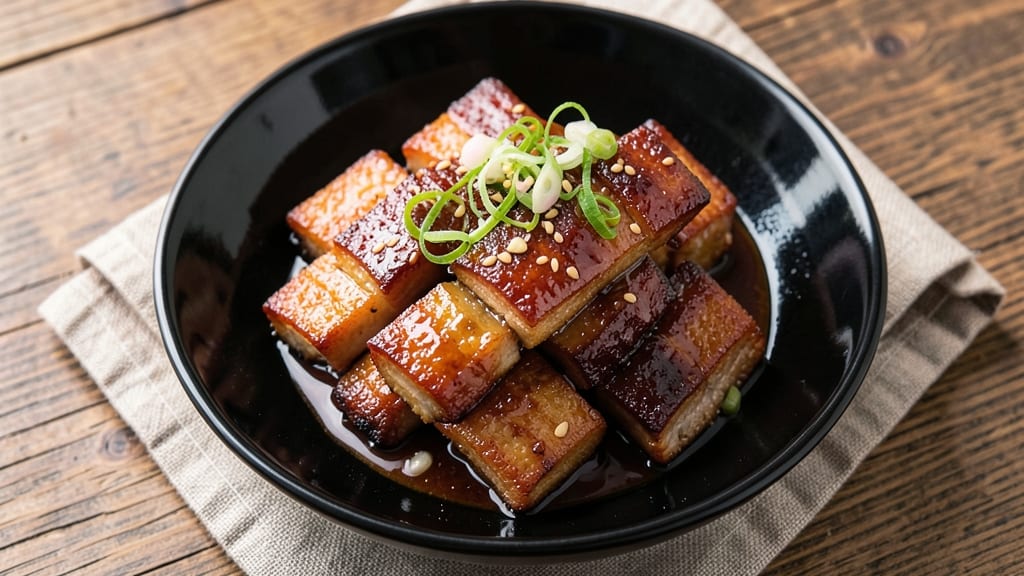
Mastering Asian pork spare ribs with a five-spice glaze transforms simple pork into a dish that’s richly aromatic and perfectly balanced between smoky and sweet.
Growing up in small-town Georgia, I learned early that the right seasoning could elevate humble ingredients—this recipe takes that lesson to new heights with a marinade that tenderizes while infusing deep, warming spices.
The key lies in the five-spice blend, which adds complexity without overpowering the natural sweetness of the pork.
This method delivers restaurant-quality results at home, using a combination of braising and grilling to lock in moisture while developing that signature caramelized crust.
You’ll start with a marinade of soy sauce, brown sugar, and aromatic spices, then slow-cook the ribs until they’re fall-off-the-bone tender before finishing with a sticky-sweet glaze that clings to every bite. The process takes about 3 hours, but the hands-off cooking makes it ideal for a weekend project.
By the time you serve these ribs, you’ll have a dish that’s crispy on the outside, tender inside, and bursting with layers of flavor—smoky from the char, sweet from the glaze, and aromatic from the five-spice blend.
The glaze also works as a dipping sauce, perfect for serving with steamed rice or quick-pickled vegetables. This is the kind of recipe that turns a simple weeknight dinner into a memorable feast.
Whether you’re feeding a crowd or treating yourself to a special meal, these ribs deliver bold, satisfying flavor with minimal fuss. The technique is straightforward, but the results are anything but ordinary. Let’s get started—your taste buds will thank you.
Ingredients for asian pork spare ribs
Six pounds of pork, aromatic spices, and a glaze that turns simple ribs into a restaurant-worthy feast.
| Ingredient | Amount | Notes |
|---|---|---|
| Pork Spare Ribs 🥩 | 4 lb | Bone-in, cut into 2-inch pieces |
| Soy Sauce 🥄 | ½ cup | Low-sodium preferred for balance |
| Brown Sugar 🍯 | ½ cup | Packed, light or dark variety |
| Honey 🍯 | ¼ cup | Wildflower or clover preferred |
| Garlic Cloves 🧄 | 6 cloves | Minced, fresh preferred |
| Fresh Ginger 🌿 | 2 tbsp | Finely grated, peeled |
| Sesame Oil 🫒 | 1 tbsp | Toasted, for aroma |
| Five-Spice Powder 🌶️ | 2 tsp | Authentic blend, not substitute |
| Ground Star Anise 🌿 | ½ tsp | For depth, optional but recommended |
| Dried Cinnamon 🌿 | ½ tsp | Ceylon preferred for subtle flavor |
| Salt 🧂 | 1 ½ tsp | Diamond Crystal kosher preferred |
| Black Pepper 🌶️ | 1 tsp | Freshly cracked, coarse grind |
| Cornstarch 🌾 | 1 tbsp | For glaze thickening |
| Water 💧 | ¼ cup | For glaze consistency |
| Sesame Seeds 🌾 | 2 tbsp | Toasted, for garnish |
| Fresh Cilantro 🌿 | ¼ cup | Chopped, for garnish |
The ribs are the foundation, so don’t cut corners here. Look for bone-in spare ribs—they’re more flavorful and stay moist during cooking. Most grocery stores carry them pre-cut, but if you’re buying a whole rack, ask the butcher to trim them into 2-inch pieces. Costco or Whole Foods often have excellent quality, and if you’re in a pinch, Trader Joe’s carries pre-marinated ribs that work in a bind (though homemade is always better). The five-spice powder is non-negotiable—Penzeys or Spicewalla carry authentic blends, or check the international aisle at Walmart or Target for a budget-friendly option. Fresh ginger and garlic? Farmers markets have the best quality, but the grocery store works if you grab them the same day.
No five-spice powder? Mix 1 tsp each of cinnamon, cloves, fennel seed, star anise, and black pepper—it’s not identical, but it’ll get you close. Running low on sesame oil? Toasted peanut oil adds a similar nutty depth. The glaze can be adjusted for sweetness: Add 1 tbsp more brown sugar if you love it sweeter, or reduce honey to 2 tbsp for a more balanced flavor. For extra richness, swap half the water in the glaze for pork broth. The cornstarch is key for that silky texture—don’t skip it, even if you’re impatient. And if cilantro isn’t your thing, fresh basil or mint works beautifully for garnish.
These ribs reheat like a dream—just warm them in a 350°F oven for 10-15 minutes with a splash of water or broth to keep them moist. Store leftovers in an airtight container for up to 4 days, or freeze for 3 months (portion into individual servings for easy reheating). The glaze thickens as it cools, so stir in 1 tsp water if it’s too stiff before serving. I always make a double batch—one for the table, one for leftovers. The glaze also doubles as a dipping sauce, so save extra in a small jar for rice bowls or quick stir-fries later in the week.
Why You'll Love This Recipe
- Foolproof Glaze: Between us, that honey-brown sugar mix caramelizes into something sticky-sweet without requiring a degree in sauce-making. Five minutes of stirring—no babysitting—gives you ribs that taste like they simmered all day.
- Garlic Bomb: One head of garlic, smashed and left whole, infuses the ribs with serious punch. No mincing, no burning—just that deep, aromatic punch that makes every bite feel like a hug.
- Leftovers Win: Honestly, I always make double. These ribs reheat like a dream (broiler or skillet, no fuss) and turn into next-day sandwiches that’ll make your coworkers ask for your recipe.
- Budget Banger: A full pack of spare ribs costs less than takeout, and the sauce uses pantry staples. That honey? Half a cup goes a long way. This is the kind of meal that fills your plate and your wallet.
Step-by-step instructions for Asian pork spare ribs with five-spice glaze
Here's how to transform tough pork spare ribs into tender, sticky-sweet perfection with a fragrant five-spice glaze.
Prepare the Ribs with Dry Rub and Marinate Overnight
Pat the 4 lb pork spare ribs completely dry with paper towels—this ensures maximum crispiness when we sear them later. In a large bowl, combine the 2 tsp five-spice powder, 0.5 tsp ground star anise, 0.5 tsp dried cinnamon, 1.5 tsp salt, and 1 tsp black pepper. Rub this aromatic blend all over the ribs, pressing it into the meat so it clings evenly.
Transfer the ribs to a resealable plastic bag and refrigerate for at least 12 hours (overnight is ideal). This slow marinade allows the spices to penetrate deeply, while the cold temperature helps tenderize the connective tissue. The ribs should smell like a spice market by morning—this is your first flavor reward.
Sear the Ribs for Deep Flavor and Color
Preheat your oven to 425°F and line a baking sheet with heavy-duty aluminum foil. In a large oven-safe skillet, heat 1 tbsp sesame oil over medium-high heat until shimmering. Working in batches if needed, sear the ribs for 2-3 minutes per side until they develop a deep golden-brown crust. This step is crucial—it locks in juices and builds that smoky-sweet foundation.
Once all ribs are seared, transfer them to the prepared baking sheet. Here's a pro tip: Place the ribs fat-side up to render the fat during cooking, which will baste the meat and add flavor. Roast for 30 minutes to start breaking down the collagen while maintaining that beautiful sear.
Build the Five-Spice Glaze
While the ribs roast, create the glaze by combining 0.5 cup soy sauce, 0.5 cup packed brown sugar, 0.25 cup honey, 6 cloves minced garlic cloves, and 2 tbsp finely grated fresh ginger in a saucepan. Bring to a simmer over medium heat, then reduce to a gentle bubble. Let it cook for 5-7 minutes until slightly thickened—you're looking for a syrupy consistency that coats the back of a spoon.
In a small bowl, whisk together 1 tbsp cornstarch and 0.25 cup water to make a slurry. Slowly pour this into the simmering glaze while stirring constantly. The mixture will thicken dramatically within 1-2 minutes. Remove from heat and stir in 1 tbsp sesame oil—this adds a nutty aroma that complements the sweetness. The glaze should now have the viscosity of thick syrup.
Glaze and Finish the Ribs
Carefully transfer the roasted ribs to a large baking dish. Pour the prepared glaze evenly over the top, using a spoon to coat all surfaces. The ribs should be completely submerged in the glaze—this ensures even caramelization and maximum flavor transfer. Return to the oven and bake for 20-25 minutes at 375°F, basting with additional glaze every 5 minutes if possible.
You'll know they're done when the glaze has thickened into a glossy, sticky coating and the ribs are fork-tender with a deep caramelized color. The internal temperature should reach 195°F—this is when collagen fully breaks down for that melt-in-your-mouth texture. Let them rest for 10 minutes before serving to allow juices to redistribute.
Garnish and Serve with Fresh Herbs
Transfer the ribs to a serving platter and sprinkle generously with 2 tbsp toasted sesame seeds and 0.25 cup chopped fresh cilantro. The sesame seeds add a delightful crunch contrast to the tender meat, while the cilantro brightens the rich, sweet-savory flavors. Serve immediately with steamed jasmine rice or stir-fried vegetables to soak up that delicious glaze.
Each bite should deliver a perfect balance of smoky-sweet glaze, tender meat, and aromatic five-spice notes. The ribs should pull apart easily with minimal resistance, and the glaze should be sticky enough to coat your fingers—this is the hallmark of a successful Asian-style braise. Leftovers keep well for 3-4 days in the refrigerator, though I doubt they'll last that long!
Pro Tips For Making Asian Pork Spare Ribs
- Trim the Fat First: Cutting the thin membrane off the bone side before cooking saves you from tough, chewy ribs later. I learned this the hard way—skipping it means fighting for tenderness instead of enjoying the process.
- Brown Sugar First: Caramelize that brown sugar in the pan before adding ribs—it deepens the flavor and prevents clumping. Sounds simple, but I used to just toss it in raw, and the sauce never tasted as rich.
- Don’t Crowd the Pan: Cook ribs in batches if your pan is small, or they’ll steam instead of sear. I’ve seen people jam them in there like sardines, and the result? Sad, soggy edges instead of crispy, caramelized goodness.
- Garlic Paste Over Cloves: Mince those garlic cloves into a paste before cooking—it distributes flavor evenly and avoids burning. Whole cloves can turn bitter, and you’ll end up with uneven bites of raw garlic in your sauce.
Creative variations of this asian pork spare ribs
Cantonese-Style Char Siu
Transform your ribs into char siu by swapping the five-spice glaze for a hoisin-based marinade with Chinese five-spice and orange zest.
Marinate the ribs for 24 hours in a mix of ½ cup hoisin sauce, ¼ cup honey, 2 tbsp Shaoxing wine, 1 tbsp grated orange peel, and 1 tsp Chinese five-spice.
Roast at 375°F for 1.5 hours, basting with the marinade every 20 minutes until caramelized. The result? Sticky, slightly sweet ribs with a bright citrus finish that’s perfect for dim sum-style feasts. 🍊
Japanese Yakitori-Style
For a yakitori-inspired twist, coat the ribs in a teriyaki glaze made with ⅓ cup soy sauce, ⅓ cup mirin, 2 tbsp sake, and 1 tbsp sugar.
Grill the ribs over binchotan charcoal (or a gas grill set to medium-high heat) for 10-12 minutes per side, basting constantly. Finish with a sprinkle of furikake seasoning and grated daikon radish for a smoky, umami-packed dish that’s ideal for skewers or platter-style serving. 🔥
Thai Red Curry Ribs
Infuse your ribs with Thai flavors by simmering them in a red curry paste (like Maesri) with 1 can coconut milk, 2 tbsp fish sauce, and 1 tbsp palm sugar. Braise at 325°F for 2.5 hours until the meat shreds easily.
Garnish with Thai basil and crushed peanuts for a dish that’s spicy, creamy, and deeply aromatic. Serve with jasmine rice and a side of quick-pickled cucumbers to balance the heat. 🌶️
Korean Bulgogi Ribs
Create Korean bulgogi ribs by marinating the pork in a mix of ½ cup soy sauce, ¼ cup brown sugar, 3 tbsp gochujang, 2 tbsp sesame oil, 4 cloves minced garlic, and 1 tbsp grated pear (for tenderness).
Grill or broil for 15-20 minutes, flipping often, until caramelized. Top with sesame seeds and thinly sliced green onions. The sweet-spicy-savory profile makes these ribs a crowd-pleaser, especially with ssamjang for wrapping. 🇰🇷
Vietnamese Nuoc Cham Glaze
Elevate your ribs with a Vietnamese-inspired glaze using nuoc cham—a tangy-sweet sauce of fish sauce, lime juice, sugar, and chili.
Simmer the ribs in a mix of ½ cup fish sauce, ¼ cup lime juice, 3 tbsp sugar, and 1 tbsp chili oil until the glaze thickens. Garnish with cilantro and crushed roasted peanuts for a dish that’s bright, zesty, and addictively flavorful.
Pair with steamed rice and fresh herbs for a full Vietnamese meal. 🍋
Spicy Sichuan Fusion
For a Sichuan kick, add 1 tbsp Sichuan peppercorns (toasted and ground) and 1 tbsp chili bean paste to your marinade. Glaze the ribs with a mix of hoisin sauce, doubanjiang (chili bean paste), and black vinegar for a numbing-spicy-sweet profile.
Broil for 10 minutes at the end to caramelize the glaze. Garnish with scallions and crushed peanuts for a dish that’s bold, complex, and unforgettable. 🔥💛
Nutrition facts
Frequently asked questions
Why do I need to marinate the ribs overnight?
The overnight marinade serves two critical purposes: it tenderizes the tough connective tissue in pork through the magic of osmosis, and it allows the aromatic five-spice blend and soy sauce to penetrate deeply into the meat. Without this step, you'll end up with ribs that are flavorful on the surface but tough in the center. Think of it as giving your ribs a spa treatment—they emerge softer and more flavorful.
Can I use pork shoulder instead of spare ribs?
While you can technically use pork shoulder, it's not ideal for this recipe. Spare ribs have a perfect balance of fat and connective tissue that breaks down beautifully with the braising method. Pork shoulder would require significantly longer cooking time (up to 4-5 hours) and might end up too dry. If you're set on using shoulder, cut it into 1.5-inch cubes and reduce the cooking time to 2.5 hours at 300°F.
How do I adjust the sweetness level in the glaze?
The glaze's sweetness can be easily customized. For a less sweet version, reduce the honey to 2 tablespoons and increase the soy sauce to ⅔ cup. For extra sweetness, add 1 tablespoon more brown sugar and a ½ teaspoon of vanilla extract to deepen the flavor. Remember, the glaze should complement the natural sweetness of the pork, not overpower it.
What's the best way to reheat leftover ribs?
Reheat ribs in a 350°F oven for 10-15 minutes with a splash of water or broth in the pan to prevent drying. For a quicker method, use the microwave: cover with a damp paper towel and heat in 30-second intervals until warmed through. Never reheat in the air fryer—it will crisp the glaze too much and dry out the meat. Leftovers keep well for 4 days in an airtight container.
Can I make this recipe in a slow cooker?
Brown the ribs first in a skillet, then transfer to your slow cooker with ½ cup water. Cook on LOW for 6 hours or HIGH for 4 hours. In the last 30 minutes, add the glaze ingredients (except cornstarch) and stir. For the cornstarch slurry, mix it with 2 tablespoons water and stir into the glaze at the end. The ribs will be fork-tender but may lack the caramelized crust of oven-baked ribs.