
Main Courses
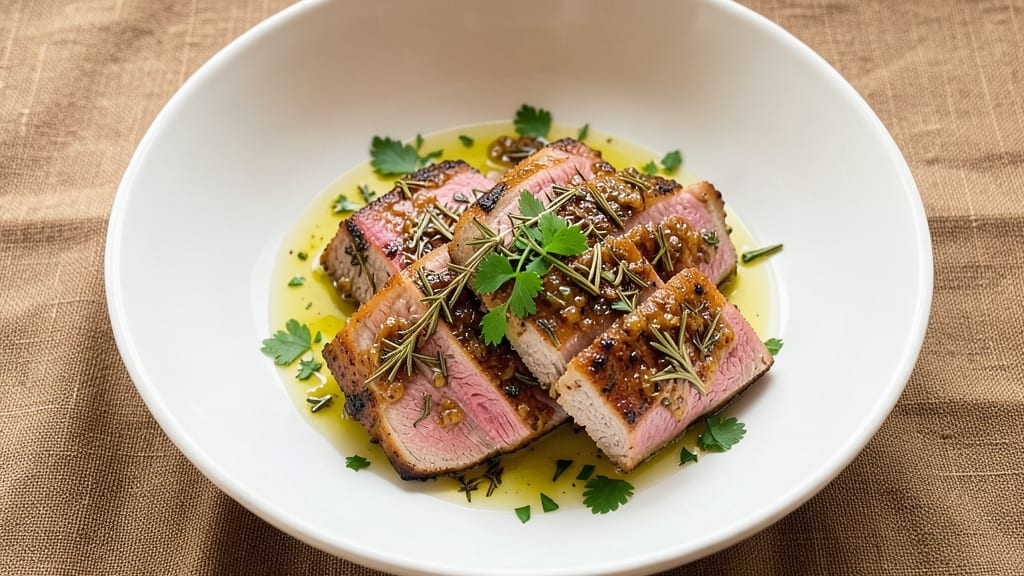
Inspired by Ina Garten's signature approach, this Barefoot Contessa pork tenderloin recipe delivers melt-in-your-mouth tenderness with a fragrant herb crust—all in just 30 minutes. Growing up in small-town Georgia, I learned pork deserves this kind of attention: simple techniques that transform humble ingredients into something extraordinary.
The secret lies in a precise balance of heat and timing, ensuring the center stays juicy while the exterior develops a golden, aromatic crust.
What sets this recipe apart is the herb crust—a blend of fresh rosemary, thyme, and parsley that clings to the pork like a flavorful second skin. I use a pan-searing method followed by a quick oven finish, which guarantees a juicy center without drying out the edges.
This technique works perfectly for weeknight dinners or special occasions, requiring only a handful of ingredients and minimal effort. The result? Pork so tender it nearly falls apart at the touch, with a crust that's fragrant enough to fill your kitchen with warmth.
By the time you serve this dish, your guests will never guess it took less than half an hour to prepare. The pan drippings—rich with porky flavor—can be reduced into a quick sauce, adding another layer of depth to each bite.
This is the kind of recipe that makes cooking feel effortless while delivering restaurant-quality results. Whether you're feeding a family or hosting a dinner party, this pork tenderloin will be the star of the meal.
Pair it with roasted vegetables or a simple green salad to round out the plate. The beauty of this recipe lies in its versatility—it works for everyday meals or special occasions without requiring extra time or fuss. Let's get cooking!
Ingredients for barefoot contessa pork tenderloin
Nine essential ingredients transform simple pork tenderloin into a fragrant, herb-crusted masterpiece.
| Ingredient | Amount | Notes |
|---|---|---|
| Pork Tenderloin 🥩 | 1 ½ lb | Center-cut, trimmed of silver skin |
| Fresh Rosemary 🌿 | ¼ cup | Finely chopped, fresh sprigs |
| Fresh Thyme 🌿 | 1 tbsp | Leaves only, finely chopped |
| Fresh Parsley 🌿 | ¼ cup | Flat-leaf, finely chopped |
| Extra-Virgin Olive Oil 🫒 | 2 tbsp | Light, fruity variety preferred |
| Diamond Crystal Kosher Salt 🧂 | 1 ½ tsp | Fine grain for even seasoning |
| Freshly Ground Black Pepper 🌶️ | ½ tsp | Coarsely ground for texture |
| Garlic Cloves 🧄 | 4 cloves | Minced, for crust enhancement |
| Unsalted Butter 🧈 | 2 tbsp | Cold, for pan searing |
| Dry White Wine 🍷 | ½ cup | Sauvignon Blanc or Pinot Grigio |
| Chicken Stock 🍲 | ¼ cup | Homemade or high-quality store-bought |
| All-Purpose Flour 🌾 | 1 tbsp | For sauce thickening |
| Lemon Zest 🍋 | 1 tsp | Brightens the herb crust |
The pork tenderloin should be center-cut and trimmed of silver skin—this ensures even cooking and maximum tenderness. Source it from a reputable butcher or the meat department at Whole Foods, where they'll often cut it to your preferred thickness. Fresh herbs are non-negotiable here: rosemary, thyme, and parsley should be vibrant and fragrant, with no wilting or yellowing. If using dried herbs, reduce to one-third the amount of fresh, though the crust won't be as aromatic. The extra-virgin olive oil should be light and fruity—avoid heavy, peppery varieties that can overpower the delicate herb flavors. For the wine, Sauvignon Blanc or Pinot Grigio work best, but any dry white will suffice. If you prefer not to use alcohol, substitute with additional chicken stock to maintain moisture.
No fresh rosemary? Substitute with 1 tbsp dried rosemary, but the texture won't be as cohesive. Short on thyme? Fresh oregano works in a pinch, though the flavor profile shifts slightly. The garlic cloves can be omitted if you dislike garlic, but they add a subtle depth to the crust. For the sauce, if you lack white wine, a splash of apple cider vinegar brightens the reduction. The chicken stock should be homemade if possible—store-bought brands like Kitchen Basics or Pacific Foods are reliable backups. The unsalted butter is critical for pan searing; European-style butter like Plugra has a higher fat content for better browning. Finally, if you're avoiding gluten, cornstarch can replace the flour for thickening the sauce.
Store fresh herbs in damp paper towels within a sealed container for up to 5 days in the refrigerator. The pork tenderloin can be prepped 1 day ahead—trim and season it, then refrigerate uncovered on a wire rack to dry the surface for better crust adhesion. Once cooked, the dish reheats beautifully: warm in a skillet with a splash of water for 2-3 minutes. The herb crust keeps for 3 days in the fridge, though the texture softens slightly. For longer storage, freeze the cooked pork in a single layer before transferring to a container for up to 3 months. The pan drippings can be refrigerated for 5 days or frozen for 3 months to use later in sauces or gravies.
Why You'll Love This Recipe
- Minimal Ingredient List: I swear by this recipe because it’s that simple—just a few fresh herbs, olive oil, and one cut of meat. No fancy sauces or hidden pantry items; just rosemary, thyme, and parsley doing their magic.
- Crispy-Creamy Magic: That golden crust from the olive oil and herbs? It’s ridiculously good—juicy inside, perfectly seared outside. The rosemary adds a piney brightness that cuts through the richness, and the parsley ties it all together with a fresh finish.
- Weeknight or Weekend Star: Between us, this is my go-to for busy nights and when I’m hosting. Slice it for sandwiches, serve it with roasted veggies, or even toss it into grain bowls—it’s adaptable without trying too hard.
- Leftovers That Don’t Suck: Honestly, I make this twice as much as needed because the leftovers reheat like a dream. Cold slices in salads? Yes. Wrapped in tortillas for lunch? Absolutely. It’s the kind of dish that makes you want to cook ahead.
Step-by-step instructions for herb-crusted pork tenderloin
This method delivers perfectly tender, juicy pork with a fragrant herb crust in under 30 minutes.
Prepare and Season the Pork Tenderloin
Begin by trimming any excess silver skin from the 1.5 lb pork tenderloin using a sharp knife. Pat the surface completely dry with paper towels—this ensures maximum crispness in the crust. In a small bowl, combine the 0.25 cup finely chopped fresh rosemary, 1 tbsp finely chopped fresh thyme, 0.25 cup finely chopped fresh parsley, 0.5 tsp freshly ground black pepper, and 1 tsp lemon zest. Mix thoroughly to create an aromatic herb blend.
Rub this mixture evenly over the entire surface of the pork tenderloin, pressing gently to adhere the herbs. In a separate small bowl, whisk together the 1.5 tsp diamond crystal kosher salt and the remaining 2 tbsp extra-virgin olive oil to create a seasoned oil paste. Spread this evenly over the herb crust, ensuring complete coverage. Let the seasoned pork rest at room temperature for 15 minutes while you prepare the pan.
Sear the Pork for Maximum Flavor Development
Heat a large oven-safe skillet over medium-high heat until very hot. Add the 2 tbsp cold unsalted butter and allow it to melt completely, creating a thin, even layer of fat in the pan. Place the pork tenderloin in the skillet and sear for 3-4 minutes on each side until golden brown. The reason for using cold butter is that it creates a protective layer that bastes the meat as it cooks, ensuring a juicy interior.
After searing, transfer the skillet to a preheated 400°F oven. Bake the pork for 12-15 minutes, or until the internal temperature reaches 145°F when measured with a meat thermometer. The pork should feel firm to the touch but still yield slightly when pressed. Remove from the oven and let it rest for 5 minutes before slicing—this resting period allows the juices to redistribute throughout the meat, preventing them from running out when cut.
Create the Pan Sauce
While the pork rests, return the skillet to the stovetop over medium heat. Add the 4 minced garlic cloves and sauté for 30 seconds until fragrant. Pour in the 0.5 cup dry white wine and scrape up any browned bits from the bottom of the pan with a wooden spoon—these bits contain concentrated flavor that will enhance your sauce. Simmer for 2-3 minutes until the wine reduces by half.
Sprinkle the 1 tbsp all-purpose flour over the wine mixture and stir vigorously to combine. Slowly whisk in the 0.25 cup chicken stock, allowing it to thicken into a glossy sauce. Taste and adjust seasoning with additional salt or pepper if needed. The sauce should coat the back of a spoon and have a velvety consistency.
Serve with Herb Sauce
Slice the rested pork tenderloin into ½-inch thick medallions and arrange on a serving platter. Spoon the herb-infused pan sauce generously over the top, allowing the aromatic flavors to meld with the tender meat. Garnish with additional fresh parsley if desired. Serve immediately with roasted vegetables or a simple green salad to complement the rich herb crust.
The result should be a perfectly tender, juicy pork tenderloin with a fragrant herb crust and a velvety sauce that ties all the flavors together. This method ensures the pork remains moist in the center while developing a flavorful exterior through proper searing and resting techniques.
Pro Tips For Making Barefoot Contessa Pork Tenderloin
- Trim Like a Pro: DESCRIPTION: Don’t just eyeball those silver skins—use kitchen shears to snip them off in one clean pass. I used to leave little bits behind, and they’d turn into rubbery patches when seared. A sharp shears makes this feel like a restaurant move, not a hack.
- Sear First, Then Herb: DESCRIPTION: Hit that tenderloin with high heat for 2-3 minutes per side before adding the rosemary sprigs. The herbs get caramelized along with the crust, which is where all the flavor lives. I tried tossing them in raw once—tasted like a bouquet, not a meal.
- Use Cold Knife for Slicing: DESCRIPTION: Chill your chef’s knife for 10 minutes in the freezer before slicing the cooked pork. It glides through the meat like butter, giving you those perfect, even slices. Trust me, your future self will stop fighting the knife.
- Reserve Herb Stems: DESCRIPTION: Don’t toss those rosemary and thyme stems—tie them into a little bundle with kitchen twine and use it to baste the pork while it roasts. The oils render into the meat, and you get that restaurant-quality aroma without extra effort. (Yes, even if it looks like a weird science experiment.)
Serving suggestions for this barefoot contessa pork tenderloin
Herb Sauce Plating
Drizzle the pan sauce generously over the sliced pork tenderloin, creating elegant zigzag patterns with a spoon. The sauce should glisten slightly, catching the light and enhancing the herb crust's aroma.
I like to add a final sprinkle of fresh parsley just before serving—it adds a pop of color and freshness that balances the richness. For extra flair, garnish with a few rosemary sprigs tied with kitchen twine. 💫
Classic Side Pairings
Roasted asparagus or Brussels sprouts> with a drizzle of extra-virgin olive oil> and a pinch of flaky sea salt> are my go-to sides—their natural sweetness complements the pork's savory herb crust.
For a heartier option, serve with creamy mashed potatoes> infused with roasted garlic and a touch of crème fraîche>. Both sides absorb the pork's juices beautifully, creating a cohesive plate.
Wine and Beer Pairings
A crisp Sauvignon Blanc> or Pinot Grigio> mirrors the herb notes in the crust and sauce, while a light Belgian witbier> like Stella Artois adds a refreshing contrast. For beer lovers, a German Helles> (like Augustiner) enhances the pork's richness without overpowering it.
I always open the wine 10 minutes before serving to let it breathe—it makes all the difference. 🍷
Make-Ahead Garnishes
Prep garnishes ahead of time to streamline serving. Sauté shallots> in butter until caramelized and store in an airtight container for up to 3 days>. Toast pine nuts> in a dry skillet and keep them in a jar—they add a delightful crunch when sprinkled on top.
For a citrusy touch, zest lemon or orange> and store in the freezer; a pinch brightens the plate right before serving.
Family-Style Serving
For gatherings, slice the pork into ½-inch medallions> and arrange on a large platter with the sauce spooned around the edges. Let guests serve themselves—it encourages everyone to try the dish.
Pair with crusty baguette> for dipping and a simple arugula salad> with lemon vinaigrette. The combination of textures and temperatures makes this a crowd-pleaser every time. 🌟
Leftovers Reinvented
Transform leftover pork into pork tenderloin tacos> with warm tortillas, pickled red onions, and avocado. Or shred the meat for pork fried rice>, tossing it with jasmine rice, peas, and a soy-ginger sauce.
The herb crust adds unexpected depth to these dishes—proof that great flavors can shine in new ways. 🔥
Nutrition facts
Frequently asked questions
Can I use dried herbs instead of fresh in the herb crust?
Fresh herbs create the best aromatic crust, but you can substitute with one-third the amount of dried herbs if needed. For example, use 1/3 tbsp dried rosemary instead of 0.25 cup fresh. The texture won't be as cohesive, but the flavor will still shine. For best results, pulse dried herbs in a spice grinder to mimic the fresh texture.
What's the best way to check if the pork is fully cooked?
Always use a meat thermometer to ensure food safety. The pork is done when it reaches an internal temperature of 145°F in the thickest part. The meat should feel firm to the touch but still yield slightly when pressed. Never rely on color alone—some pork may appear pink even when properly cooked. Let it rest for 5 minutes before slicing to retain juices.
Can I make this recipe ahead of time?
Yes! Prep the herb crust and season the pork 1 day ahead, then refrigerate uncovered on a wire rack to dry the surface. Cook as directed, but reduce oven time by 2-3 minutes if the pork is cold. The herb crust keeps well for 3 days in the fridge, though texture softens slightly. For longer storage, freeze cooked pork for up to 3 months.
What should I do if my pork turns out dry?
Dry pork usually means it was overcooked or didn't rest properly. Next time, check the internal temp with a thermometer (145°F is perfect) and always let it rest for 5 minutes before slicing. For extra moisture, try brining the pork for 30 minutes before cooking (use 1/4 cup kosher salt per 4 cups water). The herb crust also helps retain juices—make sure it's well-adhered to the meat.
Is this recipe suitable for a large gathering?
Scale the recipe up by doubling the ingredients—pork tenderloin is naturally portion-friendly. For 8 servings, use 3 lb pork and adjust herbs/sauce proportionally. Cook in batches if needed, using the same 400°F oven temp. The herb crust and sauce can be prepped ahead, making this ideal for parties. Serve family-style with warm bread for dipping.