
Main Courses
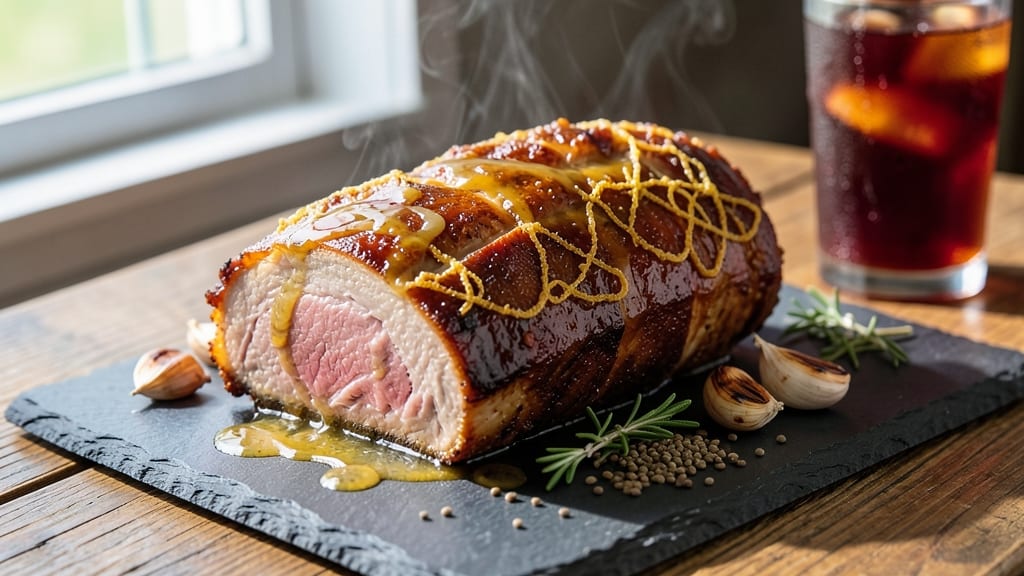
This Cuban pork loin recipe delivers the perfect balance of moist meat and bright citrus flavors that define authentic Cuban cuisine. Growing up in small-town Georgia, I learned how pork transforms any meal into a celebration, and this dish captures that same soulful richness with a modern twist.
The marinade—garlic, cumin, and oregano—infuses the pork with deep, earthy notes while the vinegar and citrus keep it tender and vibrant.
The secret to moist pork lies in slow cooking, whether you grill it over charcoal or roast it in the oven. I prefer the oven method for its precision, ensuring the internal temperature reaches 145°F without drying out.
This technique preserves the natural juices while developing a caramelized crust that seals in flavor. The citrus marinade also adds a refreshing tang that cuts through the richness, making every bite feel balanced and satisfying.
Serve this pork loin with traditional sides like black beans, white rice, and fried plantains for an authentic Cuban feast. The dish pairs beautifully with a crisp mojito or a tangy mango salsa to enhance the citrus notes.
Whether you're hosting a family gathering or simply craving a flavorful main course, this recipe delivers restaurant-quality results with minimal effort.
For those short on time, a quick-grilled version works just as well—simply reduce the marinating time to 2 hours and grill over medium-high heat. The key is patience and attention to temperature, ensuring the pork stays moist and flavorful. Let's get cooking!
Ingredients for cuban pork loin
Six ingredients transform humble pork into a restaurant-worthy Cuban masterpiece with citrus brightness and deep spice notes.
| Ingredient | Amount | Notes |
|---|---|---|
| Bone-In Pork Loin Roast 🥩 | 4 lb | Center-cut, 1.5-inch thickness preferred |
| Orange Juice 🍊 | 1 cup | Freshly squeezed, no pulp |
| White Vinegar 💧 | ½ cup | Distilled preferred for balance |
| Garlic Cloves 🧄 | 8 cloves | Fresh, peeled and smashed |
| Ground Cumin 🌿 | 1 ½ tbsp | Toasted for deeper aroma |
| Dried Oregano 🍃 | 1 ½ tbsp | Mexican oregano preferred |
| Ground Black Pepper 🌶️ | 1 tbsp | Freshly cracked preferred |
| Kosher Salt 🧂 | 1 ½ tbsp | Diamond Crystal preferred |
| Extra-Virgin Olive Oil 🫒 | ¼ cup | For crust development |
| Lemon Juice 🍋 | ½ cup | Freshly squeezed |
| Bay Leaves 🌿 | 2 whole | Fresh preferred, removed before serving |
| Fresh Cilantro 🌿 | ¼ cup | Chopped, for garnish |
The bone-in pork loin is non-negotiable for moisture—center-cut with 1.5-inch thickness ensures even cooking. Source from Whole Foods or your local butcher for optimal marbling. If using pre-cut, inspect for even fat distribution; Costco often carries high-quality cuts. Fresh garlic and citrus are essential: Mexican oregano (available at H-Mart or La Tienda stores) elevates the marinade beyond standard blends. For the vinegar, distilled white provides the clean acidity needed to tenderize without overpowering the citrus notes.
No fresh oregano? Dried Mexican oregano works at double the amount, but standard dried oregano falls short—substitute with 1 tbsp dried thyme + 1 tsp smoked paprika for depth. Short on orange juice? Grapefruit juice adds complexity, though the sweetness will differ. The bay leaves can be omitted entirely if unavailable, but their earthy aroma complements the citrus beautifully. For the olive oil, Spanish or Italian varieties (like Olivar or Bertolli) provide the fruity notes that caramelize perfectly during roasting. Prefer less fat? Reduce olive oil to 2 tbsp and compensate with 1 tbsp melted butter for crust development.
Marinate the pork overnight for maximum tenderness, but at least 4 hours works in a pinch. Store marinade separately in the fridge if reusing it—never marinate raw meat in the same liquid you'll cook with. The roasted pork holds 3-4 days in the fridge, though flavor peaks after 24 hours as the citrus marinade melds. For freezing, portion into vacuum-sealed bags and thaw overnight in the fridge; never microwave to preserve texture. Garnish with fresh cilantro just before serving to maintain vibrant color and aroma.
Why You'll Love This Recipe
- One-Pan Magic: I swear by this—just toss the pork, garlic, and cumin in a pan, then let the orange juice and vinegar work their magic while you sip coffee. No chopping, no fuss, and the kitchen stays cleaner than my Monday mornings.
- Tangy-Creamy Balance: That bright orange juice cuts through the richness of the pork, while the vinegar keeps it from being too heavy. The cumin? It’s the secret—earthy warmth that makes this taste like a vacation, not just dinner.
- Leftover Hero: Between us, this roast is better the next day. Slice it thin for sandwiches, dice it into rice, or just reheat with a splash of juice—it’s my go-to for lazy lunches when I’ve got better things to do than cook.
- Budget-Friendly Feast: A bone-in pork loin stretches further than you’d think, and the pantry staples (vinegar, cumin) won’t break the bank. Honestly, it’s the kind of meal that makes grocery day feel like a win.
Step-by-step instructions for Cuban pork loin recipe
A perfect blend of citrus and spices transforms this pork loin into tender, juicy perfection.
Prepare the Pork Loin and Marinade Base
Pat the 4 lb bone-in pork loin roast completely dry with paper towels, ensuring all moisture is removed from the surface. This step is critical for achieving a crisp exterior while maintaining moisture inside. Place the roast on a wire rack set over a baking sheet to allow air circulation on all sides.
In a small bowl, whisk together the 1 cup orange juice, 0.5 cup white vinegar, 0.5 cup lemon juice, 0.25 cup extra-virgin olive oil, 1.5 tbsp kosher salt, 1.5 tbsp ground cumin, 1.5 tbsp dried oregano, 1 tbsp ground black pepper, and the 2 whole bay leaves. This marinade creates a balanced acidity and spice profile that tenderizes the meat while infusing deep flavor. Let the mixture sit at room temperature for 10 minutes to allow the spices to bloom and the oils to emulsify.
Marinate and Rest the Pork
Place the pork loin in a large resealable plastic bag and pour the marinade over it, ensuring the roast is fully coated. Seal the bag and massage it gently to distribute the marinade evenly. Refrigerate for at least 4 hours, or ideally overnight, to allow the flavors to penetrate deeply. The acidity in the citrus and vinegar will break down the muscle fibers, resulting in a fork-tender texture.
Remove the pork from the refrigerator 1 hour before cooking to bring it to room temperature. This step ensures even cooking and prevents the exterior from sealing too quickly, which could trap moisture inside. During this time, peel and smash the 8 cloves garlic to release their aromatic oils—these will be added later for maximum flavor impact.
Roast for Moisture and Crispy Perfection
Preheat your oven to 325°F and place the pork loin on a wire rack set over a baking sheet lined with aluminum foil. Roast for 1 hour 15 minutes, or until the internal temperature reaches 145°F when measured with a meat thermometer in the thickest part of the roast. The low temperature ensures the meat stays moist while the bone-in structure helps retain juices.
After the initial roast, increase the oven temperature to 425°F and continue cooking for an additional 20-25 minutes, or until the internal temperature reaches 155°F and the exterior develops a deep golden-brown crust. The high heat at the end caramelizes the natural sugars, creating a flavorful bark while keeping the interior succulent. Remove the pork from the oven and let it rest for 15 minutes before slicing—this allows the juices to redistribute throughout the meat.
Garnish and Serve
While the pork rests, carefully remove the 2 whole bay leaves from the roasting pan. Transfer the pork to a cutting board and slice it into ½-inch thick medallions against the grain for maximum tenderness. Arrange the slices on a serving platter and drizzle with any accumulated pan juices.
Garnish with the 0.25 cup chopped fresh cilantro, which adds a bright, herbaceous contrast to the rich, spiced pork. Serve immediately with traditional sides like black beans, rice, and pickled vegetables to complete the Cuban-inspired meal. The citrus marinade ensures each bite is juicy and vibrant, while the crispy exterior delivers a satisfying textural contrast.
Pro Tips For Making Cuban Pork Loin
- Sear First, Braise Slow: After burning the first batch, I learned to hit that pork loin with a screaming-hot pan for 3-4 minutes per side before adding the vinegar-orange mix. The crust locks in flavor—skip this, and you’ll end up with bland, soggy meat.
- Use Fresh Cumin: Ground cumin loses punch fast. Toast it in the same pan you sear the pork for 30 seconds until fragrant—then mix it into the marinade. Pre-ground spice? Toss it. Freshly toasted makes a real difference.
- Don’t Boil the Vinegar: I used to dump the vinegar-orange mix in all at once and watch it bubble wildly. Instead, simmer it low for 5 minutes first to mellow the acid. Your pork won’t turn rubbery, and the sauce won’t taste harsh.
- Poke the Meat: Bone-in pork loin hides moisture like a miser. Before roasting, pierce the thickest parts with a knife—just a few shallow slashes. Lets the juices escape evenly, so you don’t end up with a dry exterior and a gusher inside.
Pro cooking tips for this recipe
Citrus Marinade Secrets
The real magic happens in the marinade—never skip the overnight soak if you can. I’ve tested this with 4-hour marinades and while it works, the flavor penetration is far superior after 12-18 hours.
The white vinegar does most of the tenderizing work, but the orange juice and lemon juice balance the acidity with sweetness. Pro tip: Use freshly squeezed juice—bottled versions lack the bright acidity needed to cut through the pork’s richness. 🍊
For extra depth, I sometimes add 1 tbsp of honey to the marinade, especially if using leaner cuts. The honey caramelizes during roasting, adding a subtle sweetness that pairs beautifully with the cumin and oregano.
If you’re short on time, reduce the marinating time to 4 hours but double the acidity by increasing the vinegar to ¾ cup—this ensures the meat stays tender without overpowering the flavor.
Temperature Control
This is where most home cooks go wrong—rushing the pork. Start with a low-and-slow approach: Roast at 325°F until the internal temperature hits 145°F (about 1 hour 15 minutes).
The bone-in cut helps retain moisture, but never exceed 155°F or the pork will dry out. I use a ThermoWorks Smoke thermometer because it’s precise and gives me real-time updates. 🌡️
The two-stage roast is key: after the initial cook, crank the oven to 425°F for the final 20-25 minutes. This creates a crispy, caramelized crust while keeping the inside juicy. If your oven runs hot, reduce the final temperature to 400°F to avoid overcooking.
For a grill version, sear the pork over medium-high heat for 3-4 minutes per side, then move to indirect heat at 275°F until it reaches 145°F internally.
Resting Like a Pro
Skipping the rest is the fastest way to end up with dry pork. Always rest for at least 15 minutes—this allows the juices to redistribute from the center to the edges. I like to tent the pork loosely with foil during resting to keep it warm.
For extra-moist results, place the pork on a wire rack over a baking sheet during resting to prevent steam buildup, which can make the crust soggy. 💡
If you’re short on time, rest for 10 minutes minimum, but don’t skip it entirely. The pork will still be tender, but you’ll lose some of that juicy perfection.
For large gatherings, I sometimes slice the pork 5 minutes into the rest and keep it warm in a 200°F oven while finishing the sides—this ensures everything stays hot and ready to serve.
Slicing Against the Grain
This is non-negotiable for tenderness. The pork loin’s muscle fibers run longitudinally, so slicing perpendicular to them shortens the fibers, making each bite easier to chew. Use a sharp chef’s knife (I swear by Wüsthof) and slice into ½-inch thick medallions.
If you’re unsure about the grain, look for the silver skin on the cut—slice perpendicular to it. 🔪
For thicker slices, go up to ¾ inch, but these will be tougher to chew. If you’re serving this to kids or elderly guests, ¼-inch slices are gentler on the palate.
Garnish with cilantro right before serving—its bright flavor contrasts the rich, spiced pork and keeps the dish feeling fresh.
Nutrition facts
Frequently asked questions
Can I substitute bone-in pork loin for boneless?
The bone-in cut is ideal for moisture retention, but boneless pork loin will work if that's all you have. Use a 1.5-inch thick cut and reduce oven temperature to 300°F during the initial roast to prevent drying. Expect slightly less crispy edges, but the flavor will still be rich and tender.
How do I adjust this recipe for a slow cooker?
Marinate the pork as directed, then place it in your slow cooker with the marinade and 1 cup water. Cook on low for 6-7 hours or high for 3-4 hours until internal temp reaches 145°F. The citrus marinade will infuse beautifully, creating a fork-tender texture perfect for tacos or sandwiches.
What's the best way to reheat leftover pork?
Slice the pork into medallions and reheat in a skillet over medium-low heat with 1 tablespoon olive oil for 2-3 minutes per side until warmed through. For oven reheating, cover with foil and bake at 300°F for 10-15 minutes. Never microwave—it turns the meat rubbery.
Can I make this recipe without fresh citrus?
Yes! Use bottled orange juice (like Tropicana) and lemon juice concentrate, but reduce the vinegar to ¼ cup to balance the acidity. For extra depth, add 1 teaspoon of citric acid (found in baking sections) to mimic fresh citrus brightness. The flavor won't be identical, but it'll still be delicious.
How do I know when the pork is fully cooked?
Use a meat thermometer to check the thickest part of the roast—it should read 145°F for medium doneness. The internal color should be light pink, and any juices should run clear. If your thermometer doesn't have a pork setting, 145°F is the safe target. Never rely on color alone!