
Main Courses
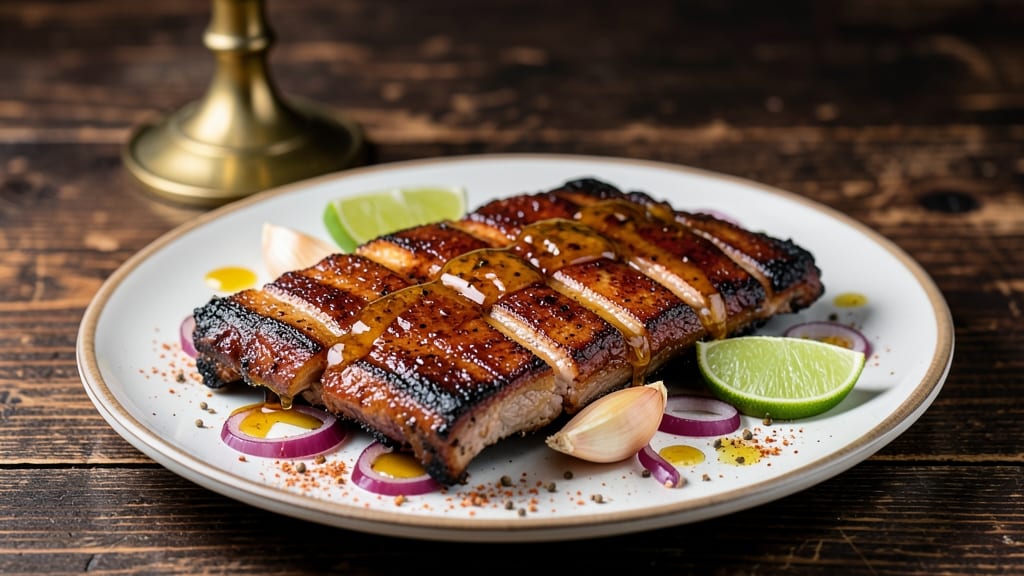
This Cuban pork ribs recipe delivers moist, fall-off-the-bone tenderness with bright citrus and aromatic spices that define island-style cooking. Growing up in small-town Georgia, I learned that pork ribs deserve slow-cooked love—especially when infused with garlic, cumin, and lime.
The secret lies in a two-stage cooking process: an overnight marinade followed by a slow braise that transforms tough ribs into melt-in-your-mouth perfection.
The magic happens in the marinade, where sofrito—a blend of tomatoes, bell peppers, and onions—infuses the ribs with deep, savory notes. After braising for 3 hours, the ribs develop that signature juicy texture while absorbing the tangy citrus glaze.
This isn’t just another BBQ recipe; it’s a celebration of Cuban flavors that bring the tropics to your table, no matter where you are.
By the time you serve these ribs, they’ll be glazed with a sticky-sweet citrus reduction, their surfaces caramelized from the slow cook. Pair them with fluffy white rice, black beans, and fried plantains for the full experience—every bite delivers smoky, tender pork with a bright, zesty finish.
The contrast of textures and flavors makes this a standout main course for gatherings or weeknight dinners.
This method ensures restaurant-quality results at home, with minimal effort after the initial prep. Whether you’re feeding a crowd or treating yourself, these ribs will be the centerpiece of your meal. Let’s get started—your taste buds will thank you.
Ingredients for cuban pork ribs
Six key ingredients transform tough ribs into tender, citrus-kissed Cuban masterpieces.
| Ingredient | Amount | Notes |
|---|---|---|
| Pork Ribs (Baby Back) 🥓 | 4 lb | Bone-in, meaty cuts preferred |
| Fresh Lime Juice 🍋 | ½ cup | Freshly squeezed, no pulp |
| Orange Juice 🍊 | ½ cup | Freshly squeezed, no pulp |
| Garlic Cloves 🧄 | 8 cloves | Peeled, minced fine |
| Ground Cumin 🌿 | 2 tbsp | Toasted for deeper flavor |
| Smoked Paprika 🌶️ | 1 tbsp | For authentic Cuban smokiness |
| Fresh Cilantro 🌿 | ¼ cup | Chopped, stems removed |
| Tomato Paste 🍅 | 2 tbsp | Smooth, no water added |
| Yellow Bell Pepper 🧅 | 1 whole | Diced small, seeds removed |
| Yellow Onion 🧅 | 1 whole | Diced fine, yellow preferred |
| Olive Oil 🫒 | ¼ cup | Extra-virgin for richness |
| Brown Sugar 🍚 | ¼ cup | Light or dark, packed |
| Bay Leaves 🌿 | 2 whole | Dried, for depth of flavor |
| Salt 🧂 | 1 ½ tsp | Diamond Crystal kosher |
| Black Peppercorns 🌶️ | 1 tsp | Freshly cracked, coarse |
The ribs are non-negotiable—baby back cuts deliver the perfect balance of meat and bone. Costco or local butchers often have the best prices, but grocery store packs work too. Look for vibrant color and good marbling. The citrus juices? Freshly squeezed is a must—bottled juice lacks the bright punch. I always grab Mexican limes from the Latin market if available, but regular limes work in a pinch. The sofrito base—bell pepper, onion, and tomato paste—builds the deep, savory foundation. Trader Joe's has pre-diced bell peppers that save time, but fresh is always better.
No fresh lime? Key lime juice plus a splash of orange juice gets you close. Short on cumin? Mexican oregano at half the amount works wonders. The smoked paprika is where the Cuban soul lives—Penzeys or Goya brands deliver that authentic island smokiness. No fresh cilantro? Dried at one-third the amount won't ruin it, but the texture suffers. The brown sugar adds caramel depth—light brown sugar dissolves better, but dark gives more molasses flavor. Toast the cumin seeds in a dry pan for 30 seconds before grinding—worth the extra minute.
Marinate the ribs overnight for maximum flavor infusion. Store the marinade in a sealed container in the fridge—3 days max. The ribs themselves keep 2 days in the fridge before cooking. After braising, ribs reheat beautifully—350°F for 20 minutes with a splash of citrus juice. Freeze cooked ribs for up to 3 months—just thaw overnight in the fridge. I always make double batches; the leftovers reheat perfectly for sandwiches or tacos.
Why You'll Love This Recipe
- Fewer Tools Needed: I swear by this recipe because it’s the kind of meal where you don’t need a whole kitchen. Just ribs, a bowl, and a grill—or even your stovetop. The lime and orange juice marinate and cook the ribs, so no extra prep bowls or messy spices to measure.
- Tangy Crisp Magic: That bright citrus punch from the lime and orange juice? It’s what makes these ribs irresistible. The cumin adds this warm, earthy depth, while the garlic keeps it sharp—like a vacation in your mouth, but with way less packing.
- Leftovers That Don’t Suck: Between us, most rib leftovers are sad. Not these. The flavors actually get better the next day—perfect for quick lunches or tacos. I portion mine into containers right away so I’m not scrambling to reheat a whole slab later.
- Budget-Friendly Feast: Baby back ribs aren’t cheap, but this recipe stretches them far. The citrus marinade uses pantry staples, and you can easily halve it for a smaller batch. Honestly, it’s the kind of meal that makes you feel fancy without breaking the bank.
Step-by-step instructions for Cuban pork ribs
Here's the method that delivers tender, fall-off-the-bone ribs with bright citrus notes and perfect moisture.
Prepare the Ribs and Dry Rub
Pat the 4 lb pork ribs (baby back) completely dry with paper towels—this is crucial for that crispy bark we're after. Remove the membrane from the back of the ribs by sliding a butter knife under it and pulling it away. This step ensures the rub and marinade penetrate deeply.
In a small bowl, combine the 2 tbsp ground cumin, 1 tbsp smoked paprika, 1.5 tsp salt, and 1 tsp freshly cracked black peppercorns. Rub this mixture generously over both sides of the ribs, pressing it into the meat so it adheres well. The spices should look evenly distributed with no bare spots. Place the ribs on a wire rack set over a baking sheet and refrigerate uncovered for at least 1 hour—this helps the rub develop flavor and dries the surface further for better browning.
Build the Citrus Marinade
While the ribs season, prepare the marinade by combining the 0.5 cup fresh lime juice, 0.5 cup orange juice, 0.25 cup olive oil, and 2 tbsp tomato paste in a bowl. Whisk until smooth and slightly emulsified. This tangy blend will keep the ribs moist during cooking while adding that signature Cuban brightness.
Add the 8 cloves minced garlic, 2 whole bay leaves, and 0.25 cup brown sugar to the marinade. The sugar will caramelize slightly during cooking, adding depth of flavor. Pour this mixture over the ribs, coating them completely. Cover and refrigerate for at least 4 hours, or overnight if possible. The longer they marinate, the more tender and flavorful they'll become.
Slow-Cook Until Fork-Tender
Preheat your oven to 275°F. Place the marinated ribs in a heavy Dutch oven or oven-safe pot, bone-side down. The ribs should be snug but not crowded—this helps them cook evenly. Cover tightly with a lid or foil, creating a seal to trap moisture.
Transfer to the oven and cook for 3 hours. After this initial period, remove the lid and increase the temperature to 325°F. This two-stage cooking process is key—it allows for gentle, even cooking at first, then a slightly faster finish to develop that beautiful caramelized crust. Continue cooking uncovered for another 1 to 1.5 hours, until the ribs are fork-tender and pull away from the bone with minimal resistance.
Glaze and Finish with Citrus
While the ribs cook, finely dice the 1 whole yellow bell pepper and 1 whole yellow onion. Sauté these in a skillet with 1 tbsp olive oil until softened and slightly caramelized—this adds another layer of flavor. Remove from heat and stir in the 0.25 cup chopped fresh cilantro.
When the ribs are tender, brush them with any remaining marinade from the pot. Return them to the oven at 375°F for 10 to 15 minutes to caramelize the glaze. This final step creates that sticky, flavorful crust that makes these ribs irresistible. Serve immediately with the sautéed pepper and onion mixture spooned over the top for extra texture and brightness.
Pro Tips For Making Cuban Pork Ribs
- CRANK THE HEAT FIRST: Cuban pork ribs need that initial sear to lock in flavors, so blast your grill or skillet to medium-high heat before adding them. I learned this the hard way—low and slow from the start makes the ribs greasy instead of caramelized. Once they’re golden in 3-4 minutes per side, you’re golden (literally).
- ZEST THE GARLIC: Skip the minced garlic cloves—grate or finely chop the skins too for extra punch. My grandmother swore by this, and it makes a real difference in the sauce’s brightness. Just a teaspoon of zest adds depth without overpowering the citrus.
- DON’T DROWN THE RIBS: The orange and lime juices should glaze, not pool. After the initial sear, reduce heat and add the juices gradually, letting them simmer into the ribs instead of steaming them. I used to dump it all at once—now I watch for a sticky, glossy finish.
- USE CUMIN LAST: Sprinkle the ground cumin over the ribs in the final 5 minutes of cooking. This keeps its earthy aroma from burning off too soon. (Yes, even if you’re impatient like me.) A pinch of sugar in the mix helps balance the acidity too.
Regional styles of this dish
Havana-Style Braised
In Havana, ribs are traditionally braised with citrus and sofrito in a clay pot called a cazuela. The key here is using a heavy Dutch oven to mimic this method.
After marinating, I sear the ribs in 2 tbsp olive oil over medium-high heat until deeply browned—this creates the foundational Maillard reaction.
Then, I add 1 cup sofrito (blended tomatoes, bell peppers, onions) and ½ cup orange juice to the pot, letting it simmer for 4 hours until the ribs are tender. The slow braise builds rich, layered flavors that define Cuban comfort food. 🍋
Camagüey Smoked
Camagüey, a central Cuban province, is famous for its smoked pork ribs cooked over hardwood coals. For this version, I use a smoker set to 225°F and inject the ribs with a mix of ½ cup citrus juice and 2 tbsp achiote oil (a smoky, peppery oil).
The ribs smoke for 5-6 hours, basted with a glaze of brown sugar, garlic, and lime. The result? A perfect balance of smoky depth and citrus brightness that’s pure Camagüey tradition. 🔥
Matanzas Citrus Glaze
The coastal city of Matanzas is known for its bright, citrus-forward dishes, and their ribs are no exception. After braising, I finish these ribs with a glaze made from ½ cup orange juice, 2 tbsp lime juice, and 1 tbsp honey, reduced until syrupy.
The glaze is brushed on during the last 15 minutes of cooking at 375°F, creating a sticky, caramelized crust. Serve with mojo sauce (garlic, olive oil, vinegar) on the side for dipping. 🌶️
Santiago de Cuba Spicy
In the eastern province of Santiago de Cuba, ribs get a spicy kick from aji dulce peppers and scotch bonnet heat. I add 1 finely chopped aji dulce and ½ tsp scotch bonnet powder to the marinade, along with an extra 1 tbsp smoked paprika for depth.
The ribs are then slow-cooked until tender, basted with a citrus-vinegar glaze during the final hour. This version is bold, fiery, and perfect for those who love heat with their pork. 🌶️💫
Key West Fusion
While not traditional Cuban, Key West has its own take on Cuban ribs, blending island flavors with Caribbean influences. I marinate the ribs in lime, orange, and pineapple juice, then grill them over charcoal before finishing with a mango-habanero glaze.
The sweetness of the mango balances the heat, making these ribs a standout dish for tropical gatherings. This version is a great way to introduce Cuban flavors to those who prefer a sweeter profile. 🍍
Nutrition facts
Frequently asked questions
Can I use pork shoulder instead of baby back ribs for this recipe?
Pork shoulder works beautifully—just increase cooking time to 5-6 hours at 275°F until fork-tender. Cut into 2-inch chunks before marinating, and reduce the citrus marinade by 25% since the meat absorbs less. The result will be even more tender, with that same citrusy depth.
How do I make these ribs on a grill instead of the oven?
Prep the ribs as directed, then grill over indirect heat at 250-275°F for 3-4 hours, covered with foil. After 2 hours, move to direct heat for 10-15 minutes to caramelize. Use a meat thermometer—they're done at 195°F. Baste with marinade every 30 minutes for extra flavor.
What's the best way to reheat leftover Cuban pork ribs?
Reheat in a 350°F oven for 20-25 minutes with a splash of citrus juice or broth to keep them moist. For the grill, wrap in foil with 1 tbsp marinade and cook over medium heat for 10 minutes. Avoid microwaving—it dries them out. Pro tip: Add reheated ribs to tacos or sandwiches for a quick, flavorful meal.
Can I make this recipe in a slow cooker?
Yes! Follow the marinating steps, then place ribs in the slow cooker on low for 6-8 hours or high for 4-5 hours. Add ½ cup water or broth to prevent drying. In the last 30 minutes, increase to high and uncover to develop a caramelized crust. The citrus marinade keeps them incredibly tender.
Why did my ribs turn out dry?
Most likely, they cooked too long at high heat or weren't basted enough. Always use a meat thermometer—ribs are done at 195°F. For oven cooking, stick to the two-stage method (low heat first, then higher). If short on time, wrap ribs in foil with ½ cup marinade during the last hour to trap moisture.