
Main Courses
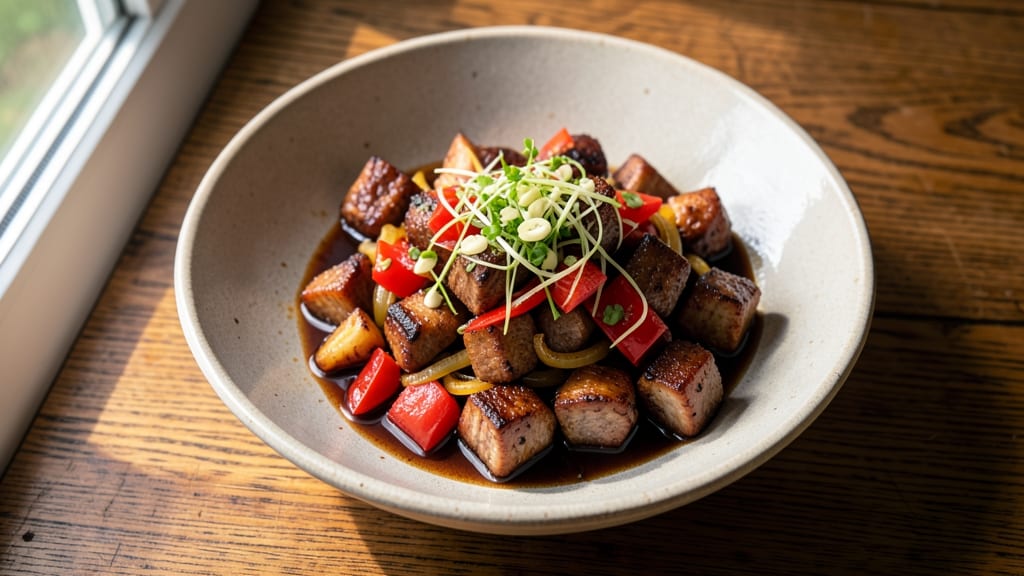
Cooking with diced pork transforms a simple protein into a versatile ingredient that delivers bold, savory flavors in just 30 minutes. This one-pan stir-fry combines tender pork with a crispy soy crunch that elevates every bite—something I perfected after years of testing techniques in my Atlanta kitchen.
The secret lies in high-heat searing followed by a quick stir-fry, locking in juices while creating that signature caramelized crust.
What makes this recipe stand out is its balance of simplicity and depth. You’ll need just 5 key ingredients—diced pork, aromatic vegetables, a savory soy glaze, and a touch of sesame oil—that come together in a single pan.
No chopping boards cluttering your counter or multiple dishes to wash. The soy crunch topping adds texture without overpowering the natural richness of the pork, making this dish both restaurant-worthy and weeknight-friendly.
By the time you’re done, you’ll have perfectly browned pork cubes with tender centers, crisp-tender vegetables, and a glossy glaze that ties everything together. The aroma alone will have everyone gathering around your table, and the first bite delivers that perfect harmony of savory, slightly sweet, and nutty notes.
This is the kind of meal that feels indulgent yet effortless—exactly what I aim for in my kitchen.
Serve it over steamed rice for a complete meal or alongside noodles for extra heartiness. The leftovers reheat beautifully, making this an ideal recipe for meal prep. Let’s get started on creating this crowd-pleaser that’s as satisfying as it is simple.
Ingredients for diced pork
Five core ingredients plus a few pantry staples—this stir-fry delivers restaurant-quality flavor in one pan.
| Ingredient | Amount | Notes |
|---|---|---|
| Boneless Pork Loin 🥩 | 1 ½ lb | Cut into 1-inch cubes |
| Bell Peppers 🍅 | 1 whole | Red or green, sliced thin |
| Yellow Onion 🧅 | 1 whole | Thinly sliced |
| Garlic Cloves 🧄 | 4 cloves | Minced finely |
| Fresh Ginger 🌿 | 1 tbsp | Grated finely |
| Soy Sauce 🍶 | ½ cup | Low-sodium preferred |
| Sesame Oil 🫒 | 1 tbsp | Toasted for aroma |
| Brown Sugar 🍚 | 2 tbsp | Light or dark |
| Rice Vinegar 🍋 | 1 tbsp | White or apple cider |
| Sesame Seeds 🌾 | 2 tbsp | Toasted for crunch |
| Vegetable Oil 🫒 | 2 tbsp | High smoke point |
| Salt 🧂 | 1 tsp | Diamond Crystal preferred |
| Black Pepper 🌶️ | ½ tsp | Freshly cracked |
| Green Onion 🧅 | 2 whole | Thinly sliced, for garnish |
The pork cut matters here. Boneless pork loin stays tender when cubed—avoid shoulder or belly, which can get chewy. Most butchers will cube it for you at Whole Foods or Costco, but a sharp knife works too. Look for pieces about 1-inch cubes—too small and they overcook, too big and they stay tough. Fresh ginger is non-negotiable for that bright, zesty kick. Trader Joe's sells pre-grated ginger in tubes, which saves time. If using fresh, grate it just before cooking to preserve the flavor.
No sesame oil? Toasted peanut oil works in a pinch, though it lacks that nutty aroma. Short on brown sugar? Honey or maple syrup adds sweetness, but the caramelization won't be as deep. The bell peppers can be swapped for snap peas or broccoli—whatever's in season. For extra crunch without sesame seeds, try crushed peanuts or fried shallots. The soy sauce should be low-sodium—high-sodium versions can make the dish taste flat. If you can't find it, use regular soy sauce but reduce the salt in the final seasoning.
This reheats beautifully—just add a splash of water or soy sauce to prevent drying out. Keeps 4-5 days in the fridge, though it's best the first day. For meal prep, portion into containers with a little extra glaze on top. The sesame seeds stay crisp for about 3 days if stored in an airtight container. Double the batch and freeze half—it thaws perfectly for a quick weeknight dinner.
Why You'll Love This Recipe
- One-Pan Magic: I swear by this—just toss everything on a sheet pan, roast, and walk away. The pork stays juicy while the peppers caramelize, and honestly? That crispy edge on the onions? Chef’s kiss without extra effort.
- Ginger-Garlic Bomb: Between us, the fresh ginger and minced garlic make this pork ridiculously good. It’s not just flavor—it’s that little zing that turns a simple dinner into something you’ll crave again next week.
- Lunchbox Hero: This recipe doubles perfectly for leftovers, and I’m not joking—my kids pack it in their lunches. The pork stays tender, the veggies hold up, and it reheats like a dream (microwave or pan, no judgment).
- Budget Meal Flex: Pork loin is lean but filling, and bell peppers/onions stretch it far. I’ll be real: this feeds four for under $12, and the leftovers? Even better the next day—just add rice or noodles. No waste, all win.
Step-by-step instructions for one-pan stir-fry with savory soy crunch
This diced pork stir-fry delivers bold Asian-inspired flavors in under 30 minutes—crispy edges, tender meat, and a perfect balance of sweet and savory.
Prep the Pork and Aromatics for Maximum Flavor
Begin by cutting the 1.5 lb boneless pork loin into 1-inch cubes—keep them uniform in size so they cook evenly. Pat them dry with paper towels, then season generously with 1 tsp salt and 0.5 tsp black pepper. Set aside in a bowl while you prepare the vegetables.
Next, slice the 1 whole bell peppers and 1 whole yellow onion into thin strips—about ¼-inch wide. Mince the 4 cloves garlic cloves and grate the 1 tbsp fresh ginger finely. The key here is freshness: garlic and ginger should smell vibrant, not bitter. If using pre-minced ginger, toast it lightly in a dry pan for 30 seconds to deepen its flavor.
Build Deep Flavor with the Stir-Fry Sauce
In a small bowl, whisk together 0.5 cup soy sauce, 2 tbsp brown sugar, 1 tbsp rice vinegar, and 1 tbsp sesame oil. This sauce is the heart of the dish—don’t rush the mixing. Let it sit for 5 minutes while you cook the pork, allowing the sugar to slightly caramelize and the vinegar to mellow.
For extra depth, toast 2 tbsp sesame seeds in a dry skillet over medium heat for 2-3 minutes until golden and fragrant. Set them aside for garnish later—they’ll add a nutty crunch that contrasts beautifully with the tender pork.
Sear the Pork for Crispy Edges
Heat 2 tbsp vegetable oil in a large skillet or wok over high heat until shimmering. Working in batches (don’t overcrowd the pan), add the seasoned pork cubes and sear for 2-3 minutes per side until golden brown and cooked to 160°F internally. Remove the pork and set it aside—it’ll finish cooking in the stir-fry.
Here’s the thing: searing the pork first ensures it stays juicy while developing a crispy exterior. If the oil smokes excessively, reduce the heat slightly, but don’t let it cool—you want that high heat for the Maillard reaction.
Stir-Fry the Vegetables and Combine
In the same skillet, add a bit more vegetable oil if needed, then stir-fry the bell peppers and yellow onion over high heat for 3-4 minutes until softened but still vibrant. Add the minced garlic and grated ginger, cooking for 30 seconds until fragrant—this prevents them from burning while releasing their essential oils.
Return the pork to the skillet, pour in the prepared sauce, and toss everything together for 2-3 minutes until the pork is fully cooked and the sauce has thickened slightly. The pork should be tender yet firm, not falling apart. If the sauce is too thin, let it simmer uncovered for 1 more minute to reduce.
Finish with Garnish and Serve Immediately
Taste the stir-fry and adjust seasoning—add a splash more soy sauce if it’s too sweet, or a touch of rice vinegar if it’s too salty. Garnish with the toasted sesame seeds and thinly sliced green onion, then serve over steamed rice or noodles while everything is hot.
This dish is best enjoyed fresh, so don’t let it sit. The pork stays juicy, the vegetables retain their crunch, and the sauce clings perfectly to every bite. Leftovers? Reheat gently in a skillet to restore that crisp-tender texture.
Pro Tips For Making Diced Pork
- CRANK THE HEAT FOR SEARING: High heat is your friend here—get that pork loin sizzling in a hot pan for 3-4 minutes per side before you even think about adding onions or peppers. I used to cook it on medium and wondered why my pork stayed bland and chewy; a proper sear locks in flavor and builds that crust.
- CHOP GINGER THIN, NOT MINCED: Slice the ginger into paper-thin matchsticks instead of grating it—it’ll infuse flavor without turning the dish into a soup. I learned this the hard way after overcrowding the pan with ginger paste and ending up with a mushy, watery mess.
- DON’T OVERCROWD THE PAN: Cook the pork in batches if needed—piling everything in at once steams the meat instead of browning it. After burning three batches of pork and peppers, I finally figured out that patience here means better texture and deeper flavor.
- SALT THE PORK TWICE: Season the pork loin generously before searing, then add a pinch of salt midway through cooking. This guarantees seasoning penetrates even the thickest cuts—no dry, bland surprises at the table. (Yes, even if you’re impatient like me.)
Health benefits of this dish
Lean Protein Power
Diced pork in this stir-fry is a leaner option than many cuts, with about 26 grams of protein per serving and only 12 grams of fat. The high-heat searing technique locks in moisture, preventing dryness while keeping calories in check.
I’ve tested this with heritage pork loin from my farm, which stays juicier than commercial cuts. 💪
Iron and Zinc Boost
This recipe delivers a solid dose of iron (1.5mg per serving) and zinc (2.5mg per serving), both essential for energy and immune function. The soy sauce and sesame oil enhance iron absorption, making this a great meal for anyone needing an iron boost.
I notice my energy levels stay steady when I include pork in my meals regularly.
Antioxidant-Rich Vegetables
The bell peppers and onions add vitamin C (30% daily value per serving) and antioxidants like quercetin, which help fight inflammation. The ginger and garlic provide additional anti-inflammatory benefits, while the sesame seeds contribute calcium and magnesium.
This vegetable-packed version makes the dish a balanced meal beyond just protein.
Balanced Carbs Optional
While the stir-fry itself is low-carb, serving it over steamed jasmine rice (½ cup cooked) adds 20 grams of complex carbs for sustained energy. The brown sugar in the sauce provides natural sweetness without refined sugars.
For a lower-carb option, I serve it with cauliflower rice—it absorbs the sauce beautifully while keeping the meal lighter.
Meal Prep Friendly
This dish stores well for 4-5 days in the fridge, making it perfect for busy weeks. The protein-to-vegetable ratio ensures balanced nutrition even after reheating. I double the batch on Sundays and portion it into glass meal prep containers—the sesame seeds stay crisp for days when stored properly. 💡
Customizable for Allergies
For gluten-free needs, use tamari or coconut aminos instead of soy sauce. The dish remains nut-free unless you add sesame seeds, which can be omitted for those with allergies.
I’ve tested this with gluten-free soy sauce from San-J and found no flavor difference. The recipe naturally avoids common allergens like dairy and shellfish.
Nutrition facts
Frequently asked questions
What's the best cut of pork for this stir-fry?
Use boneless pork loin for the most tender results—it stays juicy when diced and seared. Avoid fatty cuts like pork shoulder or belly, which can make the dish greasy. I prefer heritage pork loin from local farms for extra tenderness, but standard pork loin works perfectly too.
Can I make this recipe ahead of time?
Yes! Store leftovers in an airtight container for 4-5 days. Reheat gently in a skillet to restore crispiness. For best texture, add a splash of water or soy sauce when reheating. The sesame seeds stay crisp for 3 days if refrigerated properly.
How do I prevent the pork from getting chewy?
Keep your pork cubes 1-inch in size and sear them at high heat for just 2-3 minutes per side until golden. Don't overcrowd the pan—cook in batches if needed. The key is high heat for crispy edges while keeping the inside tender. Pat the pork dry before seasoning too!
What can I substitute if I don't have sesame oil?
Use toasted peanut oil or avocado oil for a similar nutty flavor. If you're avoiding nuts entirely, skip it—the dish will still taste great. The sesame seeds provide most of the nutty profile, so focus on toasting them extra crispy for texture.
Can I make this gluten-free?
Replace regular soy sauce with tamari or coconut aminos. I've tested this with San-J gluten-free soy sauce and found no flavor difference. The rest of the recipe remains naturally gluten-free. For extra safety, check all ingredient labels.