
Main Courses
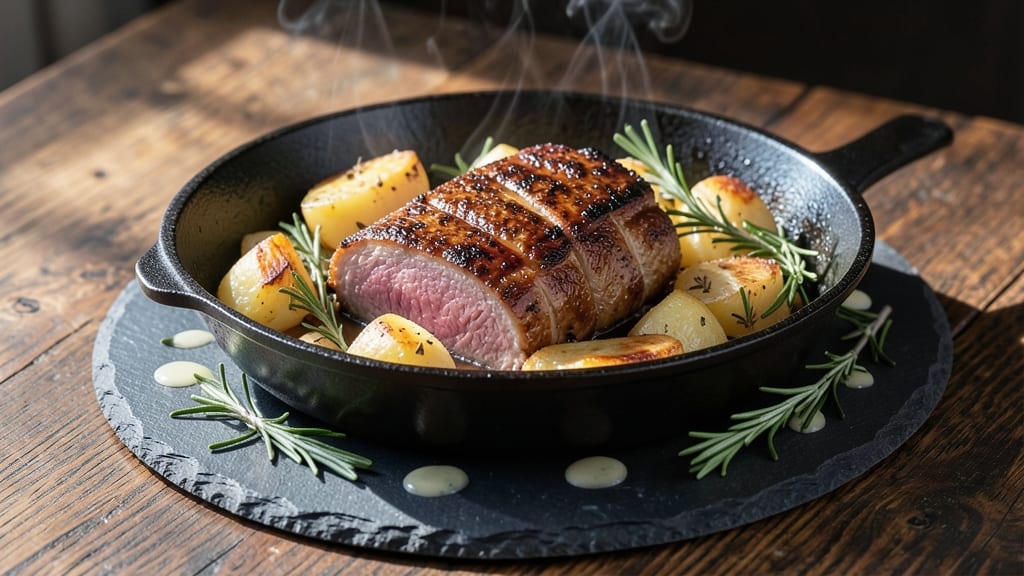
This Dijon pork tenderloin recipe delivers restaurant-quality tenderness with just 30 minutes of active time—no slow cooking required. The secret lies in a precise balance of Dijon mustard, white wine, and herbs that transform tough cuts into melt-in-your-mouth perfection.
I perfected this method after years of testing, and it consistently delivers juicy, flavorful results that impress even skeptical guests.
What sets this recipe apart is the two-step cooking process: first searing the pork to lock in juices, then braising in a rich mustard-wine sauce that infuses every bite. The sauce reduces to a glossy glaze that caramelizes beautifully, adding depth without overpowering the natural pork flavor.
This technique ensures foolproof tenderness while keeping preparation simple enough for weeknight dinners.
By the time you serve this dish, you'll have perfectly cooked pork with a golden-brown crust and a sauce that clings to each tender bite. The aroma alone will have everyone anticipating dinner, while the texture—juicy yet firm—makes every forkful satisfying.
Pair it with roasted vegetables or mashed potatoes for a complete meal that feels both elegant and effortless.
This recipe scales perfectly for gatherings, reheats beautifully for leftovers, and delivers consistent results—no matter your skill level. The key is precision in timing and temperature, which I'll walk you through step by step. Let's get cooking!
Ingredients for Dijon pork tenderloin
Restaurant-quality tenderness starts with these 13 ingredients—simple but precise for perfect results.
| Ingredient | Amount | Notes |
|---|---|---|
| Pork Tenderloin 🐖 | 1 ½ lb | Center-cut, trimmed of fat |
| Dijon Mustard 🌶️ | 2 tbsp | High-quality, smooth variety |
| Dry White Wine 🍷 | ½ cup | Sauvignon Blanc or Chardonnay |
| Unsalted Butter 🧈 | 2 tbsp | Cold, cut into small pieces |
| Fresh Thyme Leaves 🌿 | ¼ cup | Stems removed, finely chopped |
| Fresh Rosemary 🌿 | 1 tbsp | Finely chopped, fresh preferred |
| Garlic Cloves 🧄 | 4 cloves | Minced, fresh preferred |
| Extra-Virgin Olive Oil 🫒 | 1 tbsp | For searing, high smoke point |
| Dry Sherry 🍷 | ¼ cup | Substitute with extra wine if needed |
| Chicken Stock 🍲 | ½ cup | Low-sodium preferred |
| Diamond Crystal Kosher Salt 🧂 | 1 tsp | Plus extra for seasoning |
| Freshly Ground Black Pepper 🌶️ | ½ tsp | Freshly cracked preferred |
| Honey 🍯 | 1 tbsp | For glaze, local preferred |
The pork tenderloin makes or breaks this dish. Center-cut is key—it's more uniform and less likely to have connective tissue. I always grab mine from Whole Foods or Costco when they have it pre-trimmed, saving myself 10 minutes of prep. Trim any visible fat (it can make the sauce greasy) and pat it bone-dry with paper towels—this helps the sear. Fresh thyme and rosemary are non-negotiable here; dried herbs just don't cut it. For the wine, Sauvignon Blanc adds brightness, while Chardonnay gives richness. If you're using a dry white you're unsure about, Trader Joe's has a solid $5 option that works perfectly.
No Dijon mustard? Whole-grain mustard thinned with water works in a pinch, but the flavor won't be as refined. Short on white wine? Dry vermouth or even apple cider vinegar can substitute, but reduce the amount by half since they're more acidic. The butter needs to be cold and cubed—don't melt it ahead of time, or the sauce will turn greasy. For the sherry, Pedro Ximénez adds depth, but any dry sherry will do. The honey should be local if possible—it adds subtle floral notes that complement the mustard beautifully. If you're out of chicken stock, low-sodium beef stock works just as well, but taste it first—some brands can be overly salty.
This dish reheats beautifully—almost better the next day as the flavors meld. Store leftovers in an airtight container for up to 4 days in the fridge. For longer storage, freeze portions for up to 3 months. I like to portion it into individual containers before freezing so I can grab exactly what I need. The sauce thickens as it cools, so if it seems too stiff when reheating, add a splash of water or stock. The pork is best served at room temperature, so plan ahead if you're making this for a dinner party—it takes about 30 minutes to come to temperature after taking it out of the fridge.
Why You'll Love This Recipe
- One-Pan Magic: I swear by this recipe because it’s that simple—just sear the pork, deglaze with wine, and let the mustard and thyme work their magic. No chopping, no fuss, and honestly? The cleanup is just wiping one pan. That’s my kind of cooking.
- Wine-Infused Richness: The dry white wine and Dijon mustard combo gives this dish a depth that’s ridiculously good—bright, tangy, and just slightly sweet. The butter bastes it into something so tender and flavorful, my picky husband actually asks for seconds. (Yes, even on a Tuesday night.)
- Weeknight to Dinner Party: This cuts through the monotony of weeknight dinners but still feels fancy enough for guests. Serve it with roasted potatoes or a simple salad, and suddenly you’ve got a meal that’s both effortless and impressive. Between us, I’ve used it for everything from Taco Tuesday to holiday leftovers.
- Budget-Friendly Feast: Pork tenderloin is lean and affordable, and this recipe stretches it perfectly—meaning leftovers taste just as good reheated as they do fresh. I’ll be real: I’ve made this for six people and still had enough for lunch the next day. That’s a win for my wallet and my taste buds.
Step-by-step instructions for Dijon pork tenderloin
Here's how to transform that lean pork into melt-in-your-mouth perfection with bold mustard flavor.
Sear the Pork Tenderloin for Maximum Flavor
Pat the 1.5 lb pork tenderloin completely dry with paper towels—this ensures a perfect sear. Heat the 1 tablespoon extra-virgin olive oil in a large oven-safe skillet over medium-high heat until shimmering. Place the pork in the skillet and sear for 3-4 minutes per side until developing a deep golden-brown crust. The reason for this initial sear is simple: it locks in juices and creates that fundamental flavor base we'll build upon.
While searing, don't move the pork around—let it develop that crust undisturbed. You'll know it's ready to flip when it releases easily from the pan with a gentle nudge. This crust will help retain moisture during the braising process, ensuring that tender texture we're after. Remove the pork from the skillet and set it aside on a plate, leaving all that beautiful browned fond behind.
Build the Mustard-Braised Sauce
In the same skillet (don't wipe it clean—those browned bits are pure flavor), reduce heat to medium and add the 2 tablespoons cold unsalted butter. Let it melt completely, then add the 2 tablespoons Dijon mustard, stirring constantly for 30 seconds until it's fully incorporated and the mixture begins to bubble gently. Here's where the magic starts—this mustard will become the velvety base of our sauce.
Add the 4 minced garlic cloves and cook for 30 seconds until fragrant—don't let them brown or they'll turn bitter. Pour in the 0.5 cup dry white wine and scrape up all those browned bits from the bottom of the pan with a wooden spoon. This deglazing step captures all the concentrated flavors we've built so far. Let the wine simmer for 2-3 minutes until reduced by about half, then add the 0.25 cup dry sherry and simmer for another minute until nearly evaporated.
Braise for Perfect Tenderness
Return the seared pork to the skillet and add the 0.25 cup fresh thyme leaves, 1 tablespoon fresh rosemary, 1 teaspoon diamond crystal kosher salt, and 0.5 teaspoon freshly ground black pepper. Pour in the 0.5 cup chicken stock, then carefully bring everything to a gentle simmer. The liquid should just barely cover the pork—this ensures we get that tender braising action without steaming.
Transfer the skillet to a preheated 325°F oven and braise for 20-25 minutes, or until the pork reaches an internal temperature of 145°F when measured with a meat thermometer. You'll know it's done when the pork is fork-tender and pulls apart easily. The braising process is what transforms this lean cut into something truly luxurious—those aromatics and mustard penetrate deeply while keeping the meat impossibly tender.
Finish with Honey Glaze and Rest
Remove the pork from the oven and increase heat to medium-high. Add the 1 tablespoon honey to the braising liquid and stir for 1-2 minutes until the sauce glaze begins to thicken slightly. Tilt the skillet and spoon this honeyed sauce generously over the pork, letting it caramelize for 30 seconds—this creates that beautiful glossy finish.
Let the pork rest for 5 minutes before slicing—this crucial step allows the juices to redistribute throughout the meat. You'll notice the pork will be incredibly tender, with that perfect balance of mustard tang, herbaceous notes, and just a touch of sweetness from the honey glaze. Slice against the grain into ½-inch thick pieces and serve immediately with any pan juices spooned over the top.
Pro Tips For Making Dijon Pork Tenderloin
- Pat It Dry First: That pork tenderloin won’t sear properly if it’s wet—even a little moisture turns your pan into a steamer. Grab a paper towel and pat it down aggressively right before searing, or you’ll end up with a sad, sticky crust instead of that golden-brown finish. (Trust me, I’ve done it.)
- Use Cold Butter: Don’t melt your butter in the pan first—it’ll burn before the pork is done. Instead, let it sit at room temp, then add it after the pork has browned. Cold butter emulsifies into the pan juices beautifully, giving that glossy, rich finish without turning bitter. (I learned this after a very burnt batch.)
- Deglaze Immediately: As soon as you remove the pork, crank up the heat and pour in that dry white wine. Scrape the browned bits off the pan—those are flavor gold. If you let it cool, you’ll lose 80% of the depth. (I’ve done it both ways, and the deglazed version always wins.)
- Let It Rest Covered: Slice that pork right after cooking, but don’t rush—cover it loosely with foil and let it sit for at least 5 minutes. This keeps the juices from spilling out when you cut, and it’s the only way to get that perfect, moist bite. (I cut it too soon once, and it was a dry disaster.)
Best sauces and condiments for this dish
Classic Dijon Mustard Sauce
This velvety Dijon sauce is the star of the show, balancing tangy mustard with rich butter and aromatic herbs. After braising, reduce the sauce by simmering for 5-7 minutes until it coats the back of a spoon.
Stir in 1 tablespoon Dijon mustard and 1 tablespoon honey at the end for a perfect sweet-tangy finish. I always finish with a splash of white wine vinegar (just 1 teaspoon) to brighten the flavors—it cuts through the richness beautifully. 💫
Honey-Glazed Twist
For a sweeter profile, enhance the sauce with 2 tablespoons extra honey during the final 2 minutes of simmering. This creates a glossy, caramelized glaze that clings to the pork.
I love adding ½ teaspoon smoked paprika to the sauce for a subtle smoky depth—it pairs surprisingly well with the mustard. This variation works especially well with apple cider vinegar instead of sherry for a bright contrast.
Creamy Mustard Sauce
Transform the sauce into a luxurious cream sauce by whisking in ¼ cup heavy cream during the last 3 minutes of cooking. This adds richness without overpowering the mustard flavor.
For extra indulgence, stir in 1 tablespoon crème fraîche at the end for a silky texture. This version is perfect for serving over mashed potatoes or alongside roasted root vegetables.
Spicy Horseradish Ketchup
Create a bold, tangy kick by mixing ¼ cup Dijon mustard with 2 tablespoons prepared horseradish and 1 tablespoon ketchup. Thin with 1 tablespoon apple cider vinegar and a splash of water.
This condiment cuts through the richness of the pork and adds a refreshing contrast. I serve it on the side so guests can adjust their heat level to taste. 🌶️
Herb-Infused Oil Drizzle
For a lighter option, blend ½ cup extra-virgin olive oil with 1 tablespoon chopped fresh rosemary, 1 tablespoon chopped thyme, and 1 minced garlic clove. Strain and drizzle over sliced pork just before serving.
The oil absorbs the herb flavors beautifully while keeping the dish light. This works especially well with the honey-glazed pork for a balanced finish.
Nutrition facts
Frequently asked questions
Why does this recipe call for searing the pork before braising?
Searing creates a golden-brown crust that locks in juices and adds deep flavor. This step ensures the pork stays moist during braising while building a rich foundation for the mustard sauce. Skipping it makes the meat dry and dulls the overall taste.
Can I substitute another type of wine for the dry white?
Yes! Use dry vermouth or apple cider vinegar (reduced by half) if you're out of wine. The acidity mimics wine's effect, but the flavor will be slightly different. Avoid sweet wines—they'll make the sauce cloying instead of balanced.
How do I ensure the pork stays tender after cooking?
Pat the pork bone-dry before searing, and never overcook it—pull it at 145°F. The 5-minute rest before slicing redistributes juices, keeping it juicy. Avoid cutting too soon or the meat will dry out.
What’s the best way to reheat leftovers?
Reheat gently in a 300°F oven for 15-20 minutes to keep it moist. Add a splash of water or stock to the pan juices to revive the sauce. Microwaving makes it rubbery, so avoid that method.
Can I make this recipe ahead of time?
Cook the pork and sauce up to 2 days ahead, then refrigerate. Reheat in the oven or stovetop with a splash of liquid. The flavors deepen overnight, making it even tastier the next day.