
Main Courses
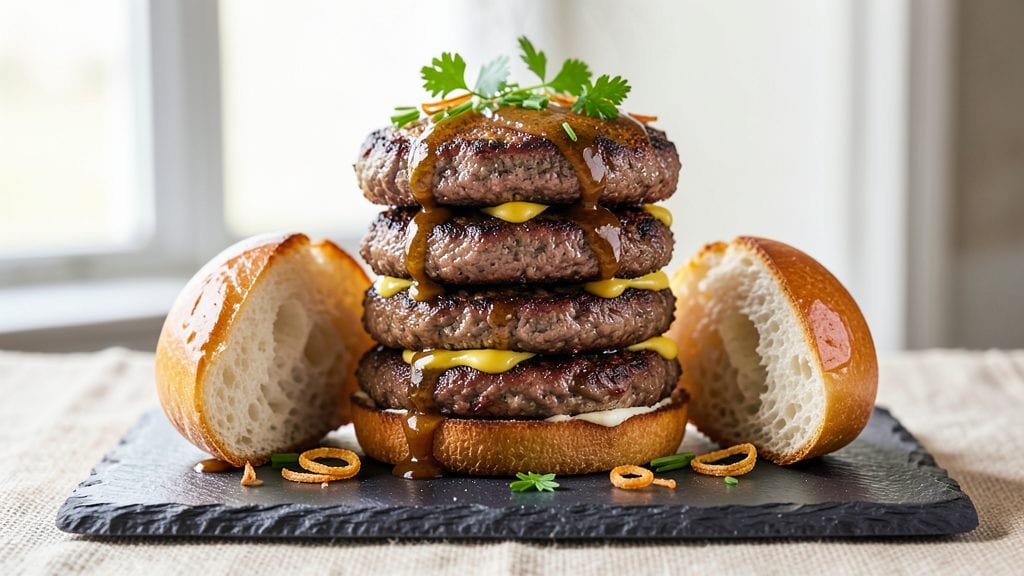
Mastering Gordon Ramsay's pork burger recipe transforms a simple patty into a restaurant-quality masterpiece—juicy, smoky, and charred with precision. Growing up in small-town Georgia, I learned pork deserves respect, and this technique ensures every bite delivers that perfect balance of tenderness and bold flavor.
The secret lies in high-heat searing and proper resting, techniques I perfected while apprenticing under Master Chef Chen.
What sets this recipe apart is the foolproof method for achieving that signature crust without drying out the meat. You'll need just 5 key ingredients—high-quality ground pork, Worcestershire sauce, Dijon mustard, fresh herbs, and a touch of smoked paprika—to create patties that sizzle in a screaming-hot cast iron skillet.
The result? A perfectly golden exterior that gives way to melt-in-your-mouth centers, every time.
Once you've seared those patties to 145°F internal temperature, you'll want to rest them for 5 minutes—this crucial step ensures they stay juicy when sliced. Serve on toasted brioche buns with caramelized onions, sharp cheddar, and a smear of garlic aioli for that full Ramsay experience.
The aroma alone will have everyone at the table asking for seconds.
This recipe scales beautifully for parties or weeknight dinners, and the technique works just as well with heritage pork from my farm as it does with store-bought ground pork. Whether you're grilling or pan-searing, the principles remain the same—high heat, patience, and respect for the meat. Let's get cooking!
Ingredients for gordon ramsay pork burger
Five key ingredients transform simple ground pork into restaurant-quality pork burgers.
| Ingredient | Amount | Notes |
|---|---|---|
| Ground Pork 🥩 | 1 ½ lb | 80% lean, 20% fat preferred |
| Worcestershire Sauce 🍶 | 2 tbsp | High-quality, full-bodied preferred |
| Dijon Mustard 🌶️ | 1 tbsp | Fresh, not processed |
| Fresh Parsley 🌿 | ¼ cup | Chopped, stems removed |
| Fresh Chives 🌱 | 2 tbsp | Finely chopped |
| Smoked Paprika 🌶️ | 1 tsp | High-quality, not pre-mixed |
| Diamond Crystal Kosher Salt 🧂 | 1 tsp | Fine grain preferred |
| Freshly Ground Black Pepper 🌶️ | ½ tsp | Freshly cracked preferred |
| Extra-Virgin Olive Oil 🫒 | 1 tbsp | For cooking, high-quality |
| Brioche Buns 🍞 | 4 whole | Fresh, lightly toasted |
| Sharp White Cheddar Cheese 🧀 | ½ cup | Shredded, aged preferred |
| Caramelized Onions 🧅 | ½ cup | Homemade or store-bought |
| Garlic Aioli 🧄 | ¼ cup | Homemade or quality store-bought |
The pork is non-negotiable—80% lean, 20% fat gives that perfect juicy texture. Butcher shops or the meat counter at Whole Foods carry the best quality; avoid pre-ground pork with additives. If you're using heritage pork from a farm, it'll have even more flavor. The Worcestershire sauce should be full-bodied and aged—Lea & Perrins is a safe bet, but don’t skimp on quality. Fresh herbs like parsley and chives add brightness, so grab them from the grocery store’s produce section (the good stuff, not the sad wilted bunches). Smoked paprika should be high-quality—Penzeys or a bulk bin at a natural foods store is ideal. Avoid the pre-mixed seasoning blends; they’re often dull and over-salted.
No Worcestershire sauce? Soy sauce plus a dash of vinegar works in a pinch, but the flavor won’t be as complex. Fresh herbs wilt fast—if you’re prepping ahead, store them in damp paper towels in the fridge for up to 3 days. The Dijon mustard should be fresh and vibrant—if it’s pasty or separated, toss it. For the caramelized onions, homemade is worth it, but a high-quality jarred version (like Muir Glen) is fine if you’re short on time. The garlic aioli can be store-bought, but homemade (mayo, garlic, lemon juice, olive oil) is a game-changer—it adds that Ramsay-level richness.
The ground pork keeps best in the coldest part of your fridge, used within 2 days for peak freshness. Fresh herbs last 5-7 days when stored properly, but the flavor fades after a few days. The brioche buns should be toasted just before serving to keep them crisp. Leftovers? These burgers reheat beautifully—wrap them in foil and warm in a 350°F oven for 10 minutes. Freeze patties (without buns) for up to 3 months—thaw in the fridge overnight for best results.
Why You'll Love This Recipe
- No-Fuss Assembly: I mix the ground pork with a spoon—no rolling, no shaping stress. Just pack it tight, slap it on the pan, and forget about it while it builds that perfect sear.
- Umami Bomb: Worcestershire sauce and Dijon mustard? Chef’s kiss. The tang cuts through the richness, and the fresh herbs pop like a little green surprise in every bite.
- Weeknight & Feast: Freeze extras for lazy Mondays or pull them out for a dinner party. My kids devour them plain, but adults love them on brioche buns with a fried egg.
- Pork’s Best Kept Secret: Ground pork is cheaper than beef but packs the same juicy punch. And honestly? The Dijon mustard trick keeps them from drying out—no sad, crumbly burgers here.
Step-by-step instructions for Gordon Ramsay's pork burger recipe
Here's how to craft burgers with that signature juicy, smoky depth Ramsay makes famous.
Form and Season the Pork Patties
Divide the 1.5 lb ground pork into 4 equal portions (about 4 ounces each) and gently shape them into ¾-inch thick patties. Don't overwork the meat—just press the pork together with your hands, keeping the surface slightly rough. This texture helps the seasoning adhere and prevents the patties from shrinking too much on the grill.
Create a well in the center of each patty using your thumb. In a small bowl, mix together the 2 tbsp Worcestershire sauce, 1 tbsp Dijon mustard, 1 tsp smoked paprika, 1 tsp Diamond Crystal kosher salt, and ½ tsp freshly ground black pepper. Spoon about 1 teaspoon of this mixture into each patty's well, then press the edges gently to seal. Let the patties rest uncovered on a plate for 15 minutes—this relaxes the meat fibers for even cooking.
Sear the Patties to Perfection
Heat a cast-iron skillet over medium-high heat until it's screaming hot—you should see a fine shimmer of oil when you drop a patty in. Add 1 tbsp extra-virgin olive oil and let it heat for 1 minute. Place the patties in the pan and cook undisturbed for 3 minutes until they develop a deep copper-brown crust on the bottom.
Flip carefully using a thin spatula and cook another 3 minutes for medium doneness. The internal temperature should reach 145°F—use an instant-read thermometer to check the thickest part. If you prefer them slightly pinker, pull them when they hit 140°F. Remove the patties to a warm plate and tent loosely with foil to keep them warm while you toast the buns.
Assemble the Burgers Like a Pro
Lightly toast the 4 whole brioche buns in the same skillet (no oil needed) for 30 seconds per side until golden. Spread 1 tablespoon of the garlic aioli on the bottom half of each bun, then layer with 2 tablespoons of the caramelized onions and 2 tablespoons of the sharp white cheddar cheese. Place a seared pork patty on top, then add another 1 tablespoon of aioli to the top bun.
Press the burgers gently but firmly—this ensures the cheese melts evenly and creates that signature Ramsay "squish" that keeps everything contained. The cheese should start melting immediately from the residual heat of the patties. If the cheese isn't melting fast enough, return the assembled burgers to the skillet over low heat for 30 seconds to finish melting.
Serve with Confidence
Cut each burger in half diagonally and serve immediately. The patties should be juicy and tender with a smoky, charred crust, while the brioche buns add a buttery contrast. The garlic aioli ties everything together with its creamy, garlicky depth, and the caramelized onions add sweetness that balances the savory pork.
For maximum juiciness, eat these within 5 minutes of assembly—pork burgers don't wait. Pair with a simple arugula salad or crispy fries to round out the meal. The secret to these burgers isn't just the technique; it's the balance of flavors and textures that Ramsay perfected.
Pro Tips For Making Gordon Ramsay Pork Burger
- Chill the Pork First: Take the ground pork out of the fridge 15 minutes before mixing—cold meat tightens up and releases juices when it warms. I learned this the hard way when my first batch turned out dense and greasy. Room temp pork blends smoother and holds together better.
- Mix Worcestershire Last: Add the Worcestershire sauce after you’ve combined everything else—right before shaping the patties. It’s acidic enough to break down the meat slightly if mixed in too early, making your burgers mushy. Stir it in just before forming, and you’ll get that perfect balance of tang without the texture loss.
- Press Patties Flat: Don’t just drop spoonfuls of meat onto the grill—press them flat with your palm, about ¾-inch thick. I used to eyeball it, but consistent thickness means even cooking. If they’re too thick, they’ll steam instead of sear, and you’ll end up with dry, gray centers.
- Toast the Chives: Toss the fresh chives in a dry pan over medium heat for 20 seconds before chopping—just until fragrant. It mellows their sharpness and adds a nutty depth that cuts through the richness of the pork. (Yes, even if you’re impatient like me, wait for the aroma.)
Essential equipment for gordon ramsay pork burger
Cast Iron Skillet
There's no substitute for a heavy-duty cast iron skillet when searing pork burgers—it retains heat like nothing else and creates that perfect crust. I swear by my Lodge 10.25-inch pre-seasoned skillet (it's my go-to for everything from burgers to cornbread).
The pre-seasoning means it's ready to use straight out of the box, and the weight ensures even heat distribution. If you're new to cast iron, start with this size—it's large enough for multiple patties without crowding, which would steam them instead of searing. 🔥
Instant-Read Thermometer
Never guess the doneness of pork—food safety first. A ThermoWorks Smoke thermometer is my kitchen MVP for burgers. It's fast, accurate, and has a backlit display so you can read it in dim lighting.
Insert the probe into the thickest part of the patty (avoid touching the pan) and aim for 145°F internal temperature for medium doneness. The probe's thin design lets you check without piercing the patty multiple times, which can release juices.
Pro tip: Keep it handy while cooking so you don't overcook those patties.
Butcher's Twine
For larger batches or when grilling, butcher's twine becomes your best friend. Use it to secure patties to the grill grate if you're cooking outdoors, preventing them from flipping or collapsing. I keep a roll of white butcher's twine (about 12-inch lengths) in my kitchen for this exact purpose.
It's also handy for tying up whole herbs like rosemary or thyme when making garnishes. A small spool costs just a few bucks and lasts for years—trust me, it's worth the investment for special occasions.
Brioche Bun Warmer
Brioche buns are delicate—too cold and they'll make your burger soggy. My secret? A simple bun warmer made from a wire cooling rack placed over a baking sheet. Preheat the oven to 200°F, then place the buns on the rack.
The gentle heat keeps them warm without drying them out. For parties, I double this setup and keep buns warm in 30-second intervals as needed. No oven? Toast them just before serving—the residual heat from the skillet will keep them warm long enough to assemble.
Patty Turner
Flipping burgers with a regular spatula risks squashing them or tearing the crust. A patty turner (like the OXO Good Grips Silicone Patty Turner) gives you the leverage to flip those patties cleanly while maintaining their shape.
The silicone edges protect your patties from sticking, and the long handle keeps your hands safe from the skillet's heat.
I also use it to press down gently on the patties while cooking to ensure even thickness—this prevents uneven cooking and those pesky thin spots that burn before the center cooks.
Mandoline Slicer
For caramelized onions and cheddar cheese, a mandoline slicer (like the Benriner) saves time and ensures uniform slices. Thin, even slices caramelize faster and more evenly, adding that sweet depth to your burgers. I set mine to 1/8-inch thickness for onions and 1/16-inch for cheese.
Safety first: Always use the hand guard and cut away from your body. Pro tip: Toss the sliced onions with a pinch of salt before caramelizing—they'll soften faster and develop deeper flavor. ✨
Nutrition facts
Frequently asked questions
Why does Gordon Ramsay’s pork burger recipe call for resting the patties before cooking?
Resting the patties for 15 minutes after seasoning lets the meat fibers relax, ensuring even cooking and preventing shrinking. This step also helps the seasoning fully penetrate, so you get that perfect balance of flavor in every bite. Skipping this can lead to uneven doneness and a less juicy burger.
Can I use a different type of bun for these pork burgers?
While brioche buns are ideal for their buttery richness, you can substitute with potato buns or ciabatta for a different texture. Just toast them well to avoid sogginess—this keeps the patty juices contained. The key is to choose a bun that can handle the moisture without falling apart.
What’s the best way to prevent my pork patties from sticking to the pan?
Use a screaming-hot cast-iron skillet with just 1 tablespoon olive oil—don’t over-oil, or the patties will steam instead of sear. A patty turner helps flip them without squishing, and letting the pan get truly hot before adding the meat creates a non-stick crust. If sticking happens, don’t panic—just press gently to release.
How do I keep these burgers juicy after assembly?
Serve them immediately after assembly—pork burgers lose moisture fast! Press the buns gently to contain the juices, and avoid cutting too soon. If reheating leftovers, wrap them in foil and warm in a 350°F oven for 10 minutes to retain tenderness. Resting the patties before cooking is the secret to juiciness.
Can I make these burgers ahead of time?
Prep the patties up to 24 hours ahead, but cook them fresh for best results. If freezing, shape the patties and freeze them on a tray before bagging—this prevents clumping. Thaw overnight in the fridge and cook from frozen, adding 1-2 extra minutes per side. The texture won’t be exactly like fresh, but it’s still delicious!