
Main Courses
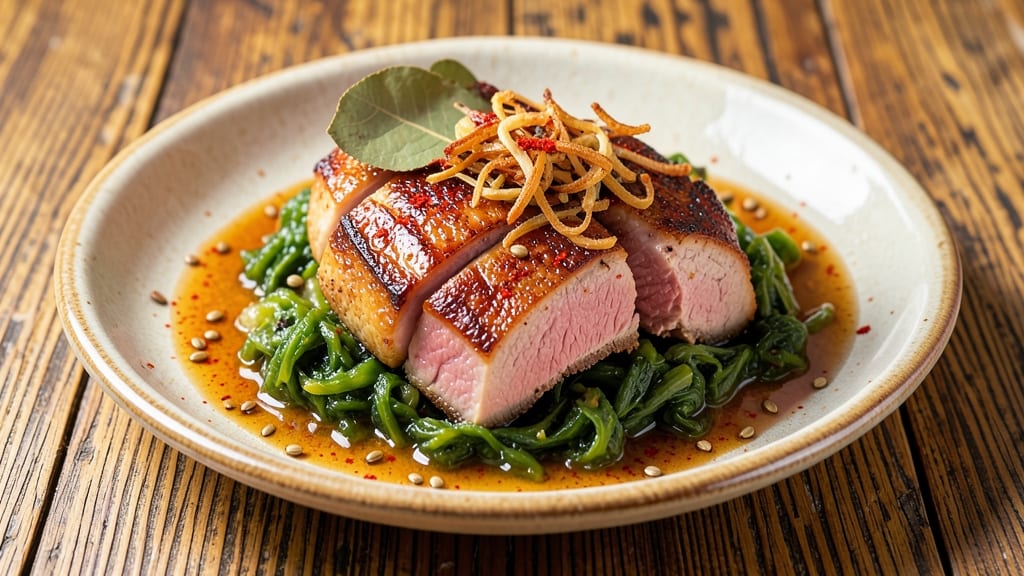
This Hungarian pork and sauerkraut recipe delivers the kind of tender, smoky-sweet flavor that makes every bite unforgettable. Growing up in small-town Georgia, I learned how pork transforms a simple meal into a family gathering centerpiece—just like this dish does in Hungary.
The secret lies in slow-cooked pork shoulder, kissed with paprika and caraway, paired with tangy sauerkraut that cuts through the richness perfectly.
The magic happens in the braising process, where pork becomes melt-in-your-mouth tender while absorbing deep, earthy flavors. I use a foolproof method of layering spices—sweet and hot paprika, caraway seeds, and bay leaf—then letting the dish simmer until the meat falls apart.
The sauerkraut adds a bright, fermented crunch that balances the richness, making this dish both hearty and refreshing.
By the time you serve this, your kitchen will smell like a Hungarian countryside tavern, and every forkful will reward you with perfectly tender pork, caramelized edges, and sauerkraut that’s just crisp enough.
Serve it with crusty bread or dumplings to soak up every last bit of that smoky, paprika-infused sauce. This is comfort food at its finest—authentic, satisfying, and impossible to resist.
Whether you're feeding a crowd or treating yourself to a weeknight dinner, this recipe scales beautifully while keeping the flavors bold and true. Let’s get cooking—your taste buds will thank you.
Ingredients for hungarian pork and sauerkraut
Sixteen ingredients for a dish that smells like home and tastes like tradition.
| Ingredient | Amount | Notes |
|---|---|---|
| Pork Shoulder 🥩 | 3 lb | Bone-in, cut into 2-inch chunks |
| Sauerkraut 🥬 | 2 cups | Freshly opened, drained |
| Sweet Paprika 🌶️ | 2 tbsp | Hungarian variety preferred |
| Hot Paprika 🌶️ | 1 tbsp | For smoky depth |
| Caraway Seeds 🌿 | 1 tsp | Whole, lightly toasted |
| Bay Leaf 🍃 | 2 whole | Fresh preferred |
| Onion 🧅 | 1 whole | Yellow, sliced into half-moons |
| Garlic Cloves 🧄 | 4 cloves | Minced for aromatic base |
| Apple Cider Vinegar 🍎 | ½ cup | For tangy balance |
| Beef Broth 💧 | 2 cups | Low-sodium preferred |
| Honey 🍯 | 1 tbsp | Light, for subtle sweetness |
| Salt 🧂 | 1 ½ tsp | Diamond Crystal kosher |
| Black Peppercorns 🌶️ | ½ tsp | Freshly cracked |
| Olive Oil 🫒 | 2 tbsp | For searing pork |
The pork shoulder is non-negotiable—bone-in, cut into 2-inch chunks—it delivers that melt-in-your-mouth tenderness you crave. Costco or local butchers usually carry the best cuts, but don’t stress if you grab pre-cut from the grocery store. Look for good marbling, not a lean, dry piece. The sauerkraut? Freshly opened is key—skip the pre-drained kind from the canned goods aisle. I grab mine from the refrigerated section at Whole Foods or the German market. Caraway seeds? Toast them in a dry pan for 30 seconds—they release their nutty aroma instantly, making the whole dish sing. And that paprika? Hungarian sweet and hot from Penzeys if you can find it, but regular supermarket brands work fine too.
No caraway seeds? Fennel seeds at half the amount give a similar earthy note. Short on sauerkraut? Substitute fermented cabbage from a jar—just rinse it first to cut the acidity. The apple cider vinegar can be swapped for white wine vinegar in a pinch, but trust me on keeping the honey—it balances the tang perfectly. The beef broth? Low-sodium is critical here, or you’ll end up with a salty mess. If you’re using store-bought, Pacific Foods or Imagine brands are my go-tos. And for the olive oil? Any decent extra-virgin will do—just don’t use that cheap vegetable oil. The flavor difference is night and day.
This dish tastes even better the next day—4-5 days in the fridge, honestly. The flavors meld like magic, and the pork gets even more tender. For leftovers, I portion it into containers with a scoop of sauerkraut on top—freezes beautifully for 3 months. Pro tip: Save the cooking liquid! It’s liquid gold for dumplings or gravy. And if you’ve got extra sauerkraut juice? Strain it, reduce it, and drizzle it over the top at the end—trust me, it’s worth the extra minute.
Why You'll Love This Recipe
- One-Pot Magic: I swear by this—just sear the pork shoulder, toss in the sauerkraut and spices, then let it slow-cook. No chopping, no fussing, and the flavors meld together like it’s been simmering all day.
- Paprika Powerhouse: That combo of sweet and hot paprika? It’s the secret weapon. The sweet gives it warmth, the hot adds a little kick, and the caraway seeds tie it all together with earthy magic. My husband goes back for thirds.
- Potluck Hero: This dish travels beautifully—keeps its heat, holds its shape, and tastes even better the next day. Bring it to a gathering, and you’ll be the one everyone asks for the recipe.
- Budget-Friendly Feast: Pork shoulder stretches for miles, and sauerkraut lasts forever. A single batch feeds four (or two hungry people like me), and the leftovers? Even better reheated with a sprinkle of fresh caraway.
Step-by-step instructions for smoky paprika-kissed pork and sauerkraut
Here's how to transform tough pork into melt-in-your-mouth bites with a deep, aromatic sauce.
🍳 Step 1: Sear the Pork Shoulder for Maximum Flavor
Heat a heavy Dutch oven over medium-high heat until it's smoking hot. Add the 2 tablespoons olive oil and swirl to coat the bottom evenly. Working in batches, add the 3 lb pork shoulder cut into 2-inch chunks, arranging them in a single layer without overcrowding. Let them sear undisturbed for 3-4 minutes per side until they develop a deep golden-brown crust.
This initial searing creates the Maillard reaction that builds rich, complex flavors. You'll know they're ready when the pork releases easily from the pan with gentle coaxing. Transfer the seared pork to a plate and set aside—those browned bits in your pot are pure flavor gold.
👨🍳 Step 2: Build the Aromatic Base with Onions and Spices
In the same Dutch oven, reduce heat to medium and add the 1 whole onion sliced into half-moons. Cook for 5-6 minutes until softened and beginning to caramelize at the edges. Add the 4 cloves minced garlic cloves and cook for another 30 seconds until fragrant—this is where the foundation of your dish's aroma begins to develop.
Stir in the 2 tablespoons sweet paprika and 1 tablespoon hot paprika, letting them toast for 30 seconds until the spices release their aroma. Add the 1 teaspoon caraway seeds and 2 whole bay leaf, stirring briefly to coat everything in these warm, earthy spices. This step ensures every bite carries that authentic Hungarian depth.
🥘 Step 3: Deglaze and Simmer the Sauce
Pour in the 0.5 cup apple cider vinegar and scrape up all those browned bits from the bottom of the pot with a wooden spoon. This deglazing step captures all the meaty flavors that would otherwise go to waste. Let the vinegar simmer for 2-3 minutes until it reduces by half and the alcohol smell dissipates completely.
Add the 2 cups beef broth, 1 tablespoon honey, 1.5 teaspoons salt, and 0.5 teaspoon black peppercorns, stirring to combine. Return the pork to the pot, nestling the chunks into the sauce. Bring to a gentle simmer, then reduce heat to low and cover partially. Let it cook for 1 hour, stirring occasionally to prevent sticking.
⏰ Step 4: Finish with Sauerkraut and Rest for Tender Perfection
After 1 hour, stir in the 2 cups sauerkraut, spreading it evenly throughout the pot. The acidity from the sauerkraut will mellow as it cooks, creating a perfect balance with the rich pork. Return to a simmer and cook uncovered for another 30-40 minutes until the pork is fork-tender and easily pulls apart with minimal resistance.
Remove from heat and let the pork rest in the sauce for 10 minutes. This resting period allows the juices to redistribute throughout the meat, ensuring each bite is moist and packed with flavor. The sauce should have thickened slightly, coating the pork and sauerkraut beautifully. Serve family-style with crusty bread to soak up every last drop of that smoky, tangy sauce.
Pro Tips For Making Hungarian Pork And Sauerkraut
- Brown the Pork First: DESCRIPTION:
- Rinse the Sauerkraut: DESCRIPTION:
- Toast the Caraway: DESCRIPTION:
- Simmer Low and Slow: DESCRIPTION:
Pro cooking tips for this recipe
Searing Secrets
That first sear is non-negotiable for deep flavor development. I use a heavy Dutch oven—preferably Le Creuset or All-Clad—because it retains heat beautifully. Heat it until it's smoking hot before adding oil, then work in batches to avoid steaming the pork.
A meat thermometer is your best friend here; the pork should reach 160°F before you remove it from the pan. 🔥
Don’t skip the resting step after searing! Let those golden-brown chunks sit on a plate for 5 minutes before adding them back to the pot. This prevents them from releasing juices too early and turning the sauce watery. Trust me, that crispy crust is worth the wait.
Spice Toasting
The difference between good and extraordinary Hungarian flavors lies in toasting your spices. Heat the sweet and hot paprika in the Dutch oven for 30 seconds until it smells like a Hungarian market—nutty, slightly smoky, and warm.
Then add the caraway seeds and let them pop for 10 seconds. This step unlocks their full aromatic potential. I always use Penzeys Hungarian paprika when possible, but any quality brand works.
Pro tip: If you’re using whole caraway seeds, lightly crush them with the side of your knife before adding them to the pot. This releases more flavor without turning the dish bitter. And never skip the bay leaves—they add a subtle herbal depth that’s essential to the dish’s authenticity.
Sauerkraut Timing
Adding sauerkraut too early will make it mushy and lose its signature crunch. Stir it in only after the pork has simmered for 1 hour—this ensures it gets just enough time to soften slightly while retaining its texture.
I like to spread it evenly across the top of the pork so every bite gets that tangy contrast. 🥬
For extra brightness, save 2 tablespoons of sauerkraut juice from the jar and stir it into the sauce at the very end. This adds a sharp, fermented tang that cuts through the richness of the pork.
If your sauerkraut is particularly watery, drain it well before adding it to the pot to avoid diluting the sauce.
Low-and-Slow Mastery
Hungarian cooking is all about patience. After adding the sauerkraut, maintain a gentle simmer—not a rolling boil—to keep the pork tender. If the sauce reduces too quickly, add 2-3 tablespoons of water or broth to maintain moisture.
The pork is done when it reaches 203°F internally and pulls apart easily with two forks. 🌡️
I’ve learned the hard way that rushing this step leads to tough meat. When in doubt, err on the side of longer cooking time. The flavors will only deepen, and the pork will reward you with melt-in-your-mouth tenderness.
And remember: the dish tastes even better the next day! The flavors meld like magic overnight.
Nutrition facts
Frequently asked questions
Can I use pork chops instead of pork shoulder?
Pork chops work but require different timing. Use bone-in, center-cut chops about 1-inch thick and sear them first, then simmer in the sauce for 20-25 minutes (until 145°F internal temp). They’ll be more tender than shoulder but won’t pull apart—perfect for quick weeknight meals!
What if I don’t have caraway seeds?
No problem! Substitute with ½ tsp fennel seeds or ¼ tsp ground allspice for a similar earthy depth. The dish will still taste amazing—just slightly different. For extra warmth, add a pinch of ground cinnamon (¼ tsp), but keep it subtle.
How can I make this dish spicier?
Boost the heat by adding ½ tsp smoked paprika (extra) or 1-2 slices of jalapeño (seeds removed) when building the sauce. For a smoky kick, stir in ½ tsp cayenne pepper at the end. Start with less—you can always add more, but you can’t take it out!
Can I make this in a slow cooker?
Brown the pork first, then transfer everything to a 6-quart slow cooker. Cook on low for 6-7 hours or high for 4 hours. The sauerkraut will soften more, so add it only in the last 30 minutes to preserve texture. The slow cooker makes this a perfect hands-off meal!
Why does my sauerkraut taste too sour?
Fresh sauerkraut is naturally tangy, but if it’s overwhelming, balance it with 1 extra tbsp honey or 1 tsp sugar when adding it to the pot. For extra depth, stir in 1 tsp apple cider vinegar to enhance the fermented flavors without adding sourness.