
Main Courses
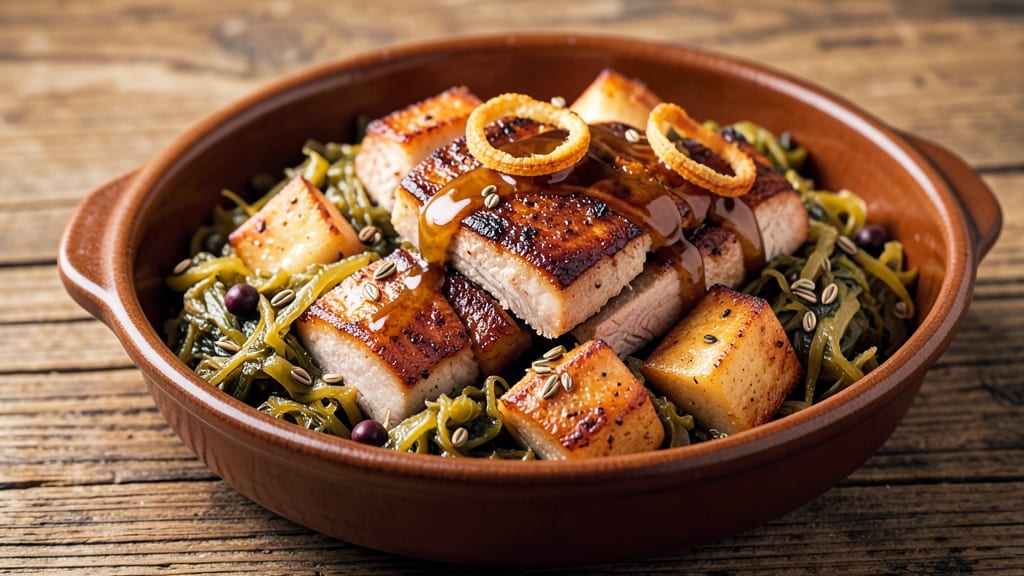
This New Year's Day pork and sauerkraut recipe transforms a classic comfort dish into a celebration-worthy centerpiece that brings bold flavors and festive tradition to your table.
Growing up in small-town Georgia, I learned that pork and sauerkraut isn't just dinner—it's a statement, especially when elevated with caraway and juniper for that perfect holiday touch.
The slow-cooked pork becomes impossibly tender while absorbing the tangy, crunchy sauerkraut into every bite, creating a harmony that's both comforting and sophisticated.
The beauty of this dish lies in its balance—rich, savory pork meets the sharp tang of fermented cabbage, while warm spices like caraway and a hint of apple cider vinegar tie everything together.
I developed this method after years of perfecting braised pork techniques, ensuring the meat stays juicy and the sauerkraut retains its signature crunch. It's the kind of recipe that feels special enough for guests but simple enough to prepare when you're hosting a crowd.
By the time you serve this dish, your kitchen will smell like a Southern holiday feast, and every forkful will deliver that perfect marriage of textures and flavors.
The pork falls apart tenderly, the sauerkraut adds a satisfying bite, and the spices infuse the dish with warmth that feels like a hug on a cold winter's day. This is the recipe I reach for when I want to honor tradition while keeping things modern and accessible.
Serve it with buttery spaetzle or crusty sourdough to soak up every last bit of that tangy, savory sauce. The leftovers reheat beautifully too, making it perfect for meal prep if you're planning to feed a houseful. Here's how to make it shine for your New Year's celebration.
Ingredients for new year's day pork and sauerkraut
Six ingredients make this festive feast—rich pork, tangy sauerkraut, and spices that celebrate tradition.
| Ingredient | Amount | Notes |
|---|---|---|
| Boneless Pork Shoulder 🐷 | 3 ½ lb | Cut into 2-inch cubes |
| Sauerkraut 🥬 | 3 cups | Undrained, high-quality brand |
| Dried Caraway Seeds 🌿 | 1 tbsp | Whole, lightly toasted |
| Juniper Berries 🌰 | 1 tbsp | Crushed lightly, optional |
| Apple Cider Vinegar 🍎 | ¼ cup | Raw, unfiltered preferred |
| Dried Bay Leaves 🌿 | 2 whole | For aromatic depth |
| Dried Thyme 🌿 | 1 tbsp | Or 1 tsp fresh |
| Salt 🧂 | 1 tbsp | Kosher or sea salt |
| Black Peppercorns 🌶️ | 1 tbsp | Whole, freshly ground |
| Unsalted Butter 🧈 | ½ cup | Cubed, for browning |
| All-Purpose Flour 🌾 | ¼ cup | For thickening |
| Beef Broth 💧 | 2 cups | Low-sodium preferred |
| Dijon Mustard 🍯 | 1 tbsp | For depth of flavor |
| Fresh Parsley 🌿 | ¼ cup | Chopped, for garnish |
The pork shoulder is your star here—Costco or butcher counter cuts give you the best marbling. Look for dark red, moist meat with visible fat streaks; it stays juicy through slow cooking. I always buy a whole shoulder and cube it myself (2-inch pieces) for even cooking. For sauerkraut, Ellen's or ReaL Kraut are my go-tos—they're tangy and crunchy, not watery. If you can't find these, German-style sauerkraut works, but avoid the pre-shredded kind with additives. The caraway seeds? Toast them lightly in a dry pan for 30 seconds to wake up their flavor before crushing.
No juniper berries? Allspice berries at half the amount add warmth, or skip them entirely—the dish still sings. Fresh thyme is ideal, but dried thyme at one-third the amount works in a pinch. Want to skip the vinegar? Beef broth with a splash of lemon juice keeps the tang without the sharpness. The Dijon mustard is non-negotiable—it's what ties all the flavors together. Trader Joe's or King Arthur have great affordable options. And if you're short on time, pre-chopped parsley from the clamshell works, though fresh always tastes better.
This dish gets better with time—reheat gently in the broth to keep it moist. Store leftovers in an airtight container for 5 days in the fridge, or freeze portions for up to 3 months. I always make extra because the flavors deepen overnight. Serve with buttery spaetzle or crusty bread to soak up every last bit of that rich, tangy sauce. The pork will fall apart beautifully, and the sauerkraut will keep its satisfying crunch—just like Grandma used to make.
Why You'll Love This Recipe
- No-Fuss Feast: I toss everything in a pot, let it simmer, and boom—dinner’s done. No fancy prep, no stress. The pork shoulder just melts into that sauerkraut like it’s been waiting for this moment, and honestly, the only real work is cracking those juniper berries (but even that’s satisfying).
- Tangy, Earthy Magic: The apple cider vinegar cuts through the richness of the pork, while those caraway seeds and juniper berries add a depth that’s chef’s kiss. It’s the kind of dish where every bite feels like a little flavor adventure—sweet, tangy, and just a hint of piney mystery.
- Leftover Legend: This makes so much food—perfect for feeding a crowd or packing lunches for the week. My kids actually ask for seconds (yes, even on a Tuesday night), and the flavors get better the next day as the sauerkraut mellows into the pork.
- Budget’s Friend: Pork shoulder’s cheap, sauerkraut lasts forever, and those juniper berries? A little goes a long way. I’ve made this on a dime and still felt like I was treating myself to something special—because honestly, it is special.
Step-by-step instructions for festive pork and sauerkraut
Here's how to create a rich, aromatic dish that brings bold flavors to your New Year's table.
Brown the Pork Shoulder for Maximum Flavor
Cut the 3.5 lb boneless pork shoulder into 2-inch cubes and pat them dry with paper towels. Heat a large Dutch oven over medium-high heat and add the 0.5 cup cubed unsalted butter. Once the butter foams, add the pork cubes in batches, allowing each batch to develop a deep golden-brown crust before removing them to a plate.
This browning step is crucial—it creates a flavor base that infuses into the sauce later. Don't rush this; you'll know it's ready when the pork releases easily from the pan and has a rich caramelized color. Season each batch lightly with salt and pepper as you go, but save the full seasoning for later to control the salt balance.
Build the Aromatic Sauce Base
Reduce the heat to medium and add the 3 cups sauerkraut, spreading it evenly in the Dutch oven. Cook for 5 minutes, stirring occasionally, until the sauerkraut begins to soften and release its tangy juices. Add the 1 tbsp lightly toasted dried caraway seeds and 1 tbsp crushed juniper berries, stirring for 30 seconds to toast their flavors.
Next, add the 2 whole dried bay leaves, 1 tbsp dried thyme, and the remaining 1 tbsp salt. Pour in the 0.25 cup apple cider vinegar and let it simmer for 2 minutes until mostly evaporated. This aromatic blend forms the flavor foundation of your dish—don't skip this step, as it transforms simple ingredients into something extraordinary.
Thicken and Simmer the Sauce
Sprinkle the 0.25 cup all-purpose flour over the sauerkraut mixture and stir vigorously for 1 minute to coat all surfaces. Gradually whisk in the 2 cups beef broth until smooth. Add the browned pork cubes back to the pot along with the 1 tbsp Dijon mustard. Bring to a gentle simmer and cover partially, allowing the pork to cook in its own juices.
Simmer for 2 hours, stirring occasionally, until the pork is fork-tender and the sauce has thickened to a rich consistency. If the sauce reduces too much, add small amounts of water as needed. The pork should be falling apart easily when pierced with a fork, and the sauce should coat the back of a spoon with a velvety texture.
Finish and Garnish for Presentation
Once the pork is fully tender, remove the Dutch oven from heat and let it rest for 10 minutes. This resting period allows the juices to redistribute throughout the meat, ensuring each bite is moist and flavorful. Discard the dried bay leaves before serving.
Garnish each serving with the 0.25 cup chopped fresh parsley just before serving. The bright green color contrasts beautifully with the deep brown pork and tangy sauerkraut, making your dish look as impressive as it tastes. Serve immediately with crusty bread to soak up every last bit of that rich, aromatic sauce.
Pro Tips For Making New Year'S Day Pork And Sauerkraut
- Trim the Fat First: Don’t skip trimming the pork shoulder—use kitchen shears to snip off all visible fat before seasoning. The leftover fat can turn your pan into a grease fire, and the meat will brown better without it clinging like glue.
- Toast the Seeds: Dry-toast the caraway seeds and juniper berries in the same pan you’ll sear the pork—just 30 seconds on medium-high until fragrant. This wakes up their flavors instead of letting them sit dormant in the sauce.
- Braise Low and Long: After searing, cover the pork with sauerkraut and just enough liquid to barely submerge it—then crank the heat to a simmer. After 2 hours, reduce to 300°F (150°C) for the rest of the cook. This keeps the pork tender without turning it to mush.
- Drain the Kraut: Rinse the sauerkraut thoroughly before using it—even if it’s "raw" from the jar. The excess brine dilutes the flavor and makes the pork taste watery. Pat it dry with a towel first, then squeeze out the last drops.
Serving suggestions for leftovers
Holiday Bread Pairings
Nothing beats a crusty sourdough loaf or freshly baked pretzel bread to soak up the rich, tangy sauce from this dish. I always keep a German-style rye on hand for its hearty texture—it stands up to the sauerkraut's acidity beautifully.
For a festive touch, serve with buttered spaetzle or homemade potato dumplings to add a comforting, pillowy contrast. 🥖
Mustard and Apple Sides
The sharp tang of Dijon mustard and apple slices complements the pork perfectly. Whip up a quick apple-cider mustard sauce by mixing 2 tbsp Dijon, 1 tbsp apple cider vinegar, and 1 tbsp honey—drizzle it over the pork right before serving.
A crisp apple salad with arugula, walnuts, and goat cheese adds freshness to balance the richness.
Warm Potato Accompaniments
Roasted Yukon Gold potatoes tossed with rosemary and olive oil make an excellent side—their creamy texture contrasts the sauerkraut's crunch. For extra indulgence, try garlic mashed potatoes with a sprinkle of smoked paprika. Both sides reheat well, so they’re perfect for a holiday spread where timing matters. 🥔
Cheese and Charcuterie Boards
Turn this dish into a centerpiece by serving it on a holiday charcuterie board with aged cheddar, brie, and smoked gouda. Pair with prosciutto, marinated olives, and crusty bread for a festive appetizer that guests will rave about.
The pork’s savory depth and sauerkraut’s tang cut through the richness of the cheese beautifully.
New Year’s Brunch Twist
For a brunch-friendly version, serve the pork and sauerkraut with fluffy scrambled eggs and crispy bacon—it’s a hearty way to start the year. Add a side of sautéed apples with cinnamon for a touch of sweetness.
This combo is perfect for a lazy New Year’s morning when you want something filling but still special. 🍳
Leftovers Reinvented
Transform leftovers into pork and sauerkraut stuffed cabbage rolls or sauerkraut-stuffed peppers for a creative second day. Mix the pork with cooked rice, egg, and breadcrumbs, then wrap in cabbage leaves or bell pepper halves before baking.
It’s a great way to repurpose the flavors into a new dish without extra effort. 🌱
Nutrition facts
Frequently asked questions
Can I make this recipe in a slow cooker?
Brown the pork as directed, then transfer everything (including the sauerkraut and spices) to a 6-quart slow cooker. Add the beef broth and simmer on low for 8 hours or high for 4-5 hours. The flavors meld beautifully, and the hands-off approach is perfect for holiday entertaining.
What if I can't find juniper berries?
No problem! Substitute with ½ tsp allspice berries or skip them entirely—the dish will still shine. The caraway seeds and apple cider vinegar provide enough aromatic depth. For extra warmth, add a pinch of ground cinnamon or nutmeg when building the sauce base.
How do I keep the sauerkraut from getting mushy?
Sauerkraut stays crisp when cooked gently. Add it to the Dutch oven after browning the pork and only cook it for 5 minutes before adding the flour and broth. Avoid stirring it too much during the simmering phase—let it absorb the flavors gradually. For extra crunch, stir in ½ cup fresh sauerkraut at the very end.
Can I prep this dish ahead of time?
Yes! This recipe actually tastes better the next day. Cook the pork and sauerkraut as directed, then refrigerate in an airtight container for up to 5 days. Reheat gently in a skillet with a splash of broth to restore moisture. The flavors deepen overnight, making leftovers even more delicious.
What's the best way to serve this for a holiday crowd?
Keep it warm in a slow cooker on low heat while you finish other dishes. Serve family-style with a big bowl of sauerkraut on the side, allowing guests to customize their plates. Pair with crusty rye bread and a simple apple-cider mustard sauce> for dipping. The interactive presentation makes it perfect for gatherings.