
Main Courses
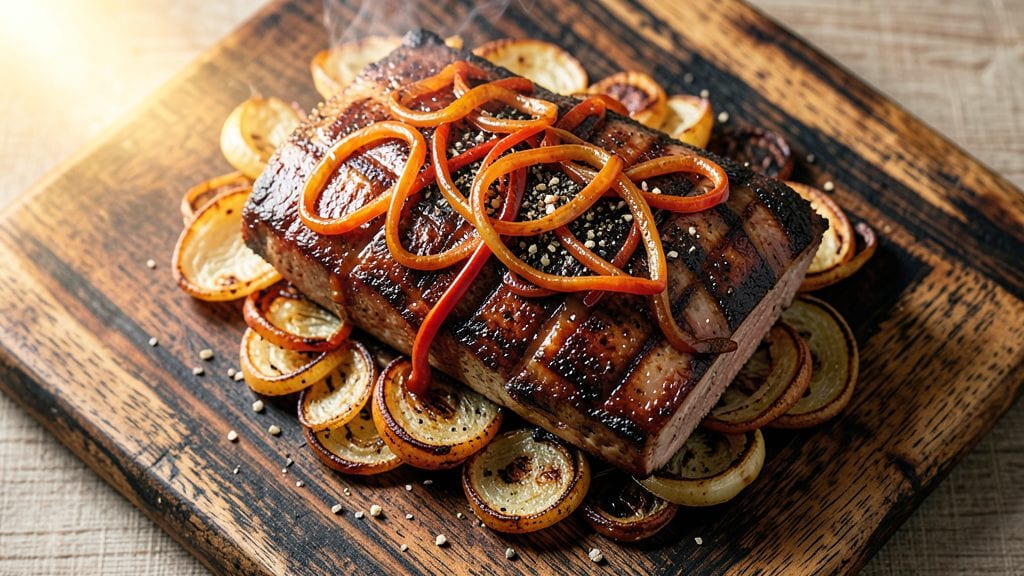
Mastering a pellet smoker pork loin recipe with a smoky crispy rind and juicy pink centers transforms weeknight dinners into showstopping meals. Growing up in small-town Georgia, I learned pork’s potential from my grandmother’s smoker—her technique for balancing heat and wood flavor became the foundation for everything I’ve perfected since.
This isn’t just another pork recipe; it’s a method that delivers restaurant-quality results with precision temperature control and the right wood choice.
The secret lies in the slow cook: maintaining a steady 225°F ensures the pork loin develops that coveted bark while staying tender inside. I use hickory pellets for that classic smoky depth, but applewood adds a subtle sweetness that pairs beautifully with the meat’s natural richness.
The key? A dry brine overnight and a high-heat sear at the end to lock in those juices and create that crispy exterior we all crave.
What you’ll end up with is a perfectly smoked pork loin that’s crispy on the outside and juicy pink in the middle, with a bark so flavorful it’ll have your guests asking for seconds.
The aroma alone—smoky, rich, and irresistible—will have everyone gathered around the table before the meat even hits the platter. This is the kind of dish that elevates simple gatherings into memorable feasts.
Serve it sliced thick with apple cider glaze, or pair it with roasted sweet potatoes and a crisp green salad for a complete meal. The versatility is what makes this recipe a staple in my kitchen—and now, yours. Let’s get smoking.
Ingredients for pellet smoker pork loin
Six ingredients transform ordinary pork into showstopping smoker magic with crispy bark and juicy pink centers.
| Ingredient | Amount | Notes |
|---|---|---|
| Pork Loin 🥩 | 3 lb | Center-cut, 1.5-inch thick |
| Kosher Salt 🧂 | 2 tbsp | Diamond Crystal preferred |
| Freshly Ground Black Pepper 🌶️ | 1 tsp | Cracked peppercorns preferred |
| Hickory Wood Pellets 🌳 | 2 lb | Traeger or similar brand |
| Applewood Wood Pellets 🍎 | 1 lb | For final smoke infusion |
| Yellow Onion 🧅 | 1 whole | Quartered, skin on |
| Fresh Garlic Cloves 🧄 | 8 cloves | Smashed, skin on |
| Unsalted Butter 🧈 | ½ cup | Cold, cubed for sear |
| Apple Cider Vinegar 🍎 | 2 tbsp | For bark enhancement |
| Brown Sugar 🍬 | 1 tbsp | Lightly coats pork surface |
| Mustard Powder 🌶️ | 1 tsp | Dry, for rub adhesion |
| Smoked Paprika 🌶️ | 1 tsp | For deep smoky flavor |
| Fresh Thyme Leaves 🌿 | ¼ cup | Chopped, for aroma |
The pork loin is non-negotiable—center-cut with a 1.5-inch thickness ensures even cooking. Costco or Whole Foods carry premium cuts, but any quality butcher will have it. Look for uniform thickness and good marbling. The Traeger brand pellets are my go-to for consistency, but Camp Chef or Green Mountain work too. Hickory delivers that classic BBQ smokiness, while applewood adds subtle sweetness—mix them for complexity. Fresh thyme and garlic? Farmers markets have the best quality, but grocery store herbs work in a pinch if they're bright green and free of wilting.
No hickory pellets? Mesquite or cherry wood works, but adjust smoke time accordingly. Short on brown sugar? Maple syrup or honey at half the amount adds moisture. The apple cider vinegar might sound odd, but it's key for that crispy bark—substitute lemon juice if needed. For the rub, Penzeys has great smoked paprika, but any quality brand works. Fresh thyme is ideal, but dried at one-third the amount gets you close. The butter? Full-fat, cold, and cubed—don't skip this step for that showstopping sear.
This pork keeps beautifully—3-4 days in the fridge, 2-3 months frozen. For leftovers, reheat in a 350°F oven with a splash of apple cider until warmed through. I always slice it thick against the grain for maximum tenderness. The rub mixture? Store in an airtight container for up to 2 weeks. Double the batch—you'll want seconds.
Why You'll Love This Recipe
- Smoky Sweet Magic: The hickory-applewood blend gives this pork a depth that’s hard to beat—rich, slightly sweet, with that perfect balance of char and tenderness. Honestly, the first time I tried it, my husband asked for seconds before we even finished eating.
- Weeknight to Weekend: This works for a lazy Tuesday dinner or a backyard BBQ with friends. Slice it thin for tacos, serve it whole for a showstopper centerpiece, or save leftovers for sandwiches. I’ve even used it in salads—yes, really—and no one guessed it wasn’t fresh off the grill.
- Leftovers That Don’t Suck: Smoked pork loin stays juicy for days, and honestly? It’s even better reheated. I’ll often make a double batch—one for dinner, one for lunch the next day. The flavor only gets better as it rests, and it’s way cheaper than buying pre-smoked cuts at the store.
Step-by-step instructions for smoked pork loin with perfect bark
Here's how to transform a simple pork loin into a showstopping centerpiece with a smoky crispy exterior and tender pink interior.
Prepare the Dry Rub and Season the Pork
In a small bowl, combine the 2 tablespoons kosher salt, 1 teaspoon freshly ground black pepper, 1 teaspoon smoked paprika, 1 teaspoon mustard powder, and 1 tablespoon brown sugar. Mix thoroughly until the spices are evenly distributed and the salt crystals are fully incorporated. This dry rub will create that coveted bark while keeping the meat moist.
Pat the 3 lb pork loin dry with paper towels—this is absolutely critical for developing crispy bark. Then generously coat all sides with the dry rub, pressing it firmly into the meat so it adheres well. The brown sugar in the rub will caramelize beautifully during smoking, contributing to that deep, glossy bark. Place the seasoned pork loin on a plate, cover it loosely with plastic wrap, and refrigerate for at least 4 hours or overnight. This dry-brining step ensures maximum flavor penetration and moisture retention.
Set Up the Pellet Smoker for Low-and-Slow Cooking
Fill your pellet smoker with 2 lb hickory wood pellets and preheat to 225°F. Hickory provides that classic, robust smoke flavor that pairs perfectly with pork. Allow the smoker to run for 15-20 minutes to establish a steady temperature and clear smoke before adding the pork. You'll know it's ready when you see clean, blue smoke wafting from the chimney—this indicates proper combustion without excess moisture.
While the smoker preheats, prepare a small metal tray by combining the 0.5 cup unsalted butter, 2 tablespoons apple cider vinegar, and 0.25 cup chopped fresh thyme leaves. This butter mixture will be used to baste the pork during the last hour of cooking, creating a luscious, aromatic crust. Keep this mixture refrigerated until needed.
Smoke the Pork Loin Low and Slow
Place the seasoned pork loin directly on the smoker grates, fat side up if possible. Close the lid and maintain the temperature at 225°F for the entire cook. This low-and-slow approach is essential for achieving that perfect balance of crispy exterior and juicy interior. The pork will take approximately 4-5 hours to reach an internal temperature of 145°F—use a meat thermometer inserted into the thickest part of the loin to monitor progress.
Here's the thing about smoking pork—patience is key. Avoid opening the smoker lid frequently, as each time you do, you lose heat and moisture. I recommend checking the temperature only every 30-45 minutes. When the pork reaches 140°F, switch to the 1 lb applewood pellets for the final hour of cooking. Applewood adds a subtle sweetness that complements the hickory's boldness beautifully.
Baste and Finish for Maximum Flavor
When the pork reaches 145°F, remove it from the smoker and place it on a cutting board. Let it rest for 10 minutes while you prepare the butter baste. In a small saucepan, melt the butter mixture over low heat until it's fully combined and slightly thickened—this should take about 2-3 minutes. The thyme leaves will infuse the butter with their aromatic essence, creating a fragrant compound butter that will elevate the pork to restaurant-quality.
Brush the melted butter mixture generously over the pork, coating all sides. Return the pork to the smoker and continue cooking at 225°F for an additional 30-45 minutes, basting every 15 minutes. This final basting step creates that irresistible crispy bark while keeping the meat impossibly juicy. The pork is done when it reaches an internal temperature of 150°F—this is the "resting temperature" that ensures perfect doneness when sliced.
Rest and Slice for Perfect Texture
Remove the pork from the smoker and transfer it to a cutting board. Tent it loosely with aluminum foil and let it rest for 15-20 minutes before slicing. This resting period is absolutely crucial—it allows the juices to redistribute throughout the meat, preventing them from pooling on your plate when you slice. The pork should be easy to slice with a sharp carving knife, yielding 6 perfect servings with a beautiful smoky aroma.
Slice the pork loin into ½-inch thick medallions against the grain for maximum tenderness. Serve immediately with the pan juices drizzled over the top, accompanied by the quartered yellow onion and smashed garlic cloves that were smoked alongside. The contrast of the crispy, smoky pork with the slightly caramelized aromatics creates a symphony of flavors that will impress even the most discerning guests.
Pro Tips For Making Pellet Smoker Pork Loin
- Start with Hickory: DESCRIPTION: The first half of cooking should be all hickory—its bold, smoky punch gets the pork’s crust locked in before you switch to applewood for that sweet, balanced finish. I used to mix them early, and the flavor got muddy; now I treat it like a two-act play.
- Salt Like You Mean It: DESCRIPTION: Generously coat the pork loin with kosher salt at least 4 hours ahead (overnight is better)—this isn’t just seasoning, it’s about drawing out moisture so the crust forms properly. Skip this, and you’ll end up with a bland, gummy exterior no matter how long you smoke.
- Watch the 145°F Wall: DESCRIPTION: Once the internal temp hits 145°F, stop and let it rest—pellet smokers can creep upward fast, and you’ll dry out the meat if you don’t. I learned this after serving a slice that looked perfect but tasted like shoe leather. Pull it early, tent with foil, and let it hit 150°F on its own.
- Foil the Last 20 Minutes: DESCRIPTION: If the bark isn’t forming or the edges are drying, wrap the loin loosely in foil with a splash of apple juice for the final stretch. It keeps the meat juicy without steaming it into mush—just don’t skip the last 10 minutes uncovered to let that crust set. (Yes, even if you’re impatient like me.)
Pro cooking tips for perfect results
Wood Pellet Mastery
Hickory pellets deliver that classic, bold smoky flavor that pairs perfectly with pork, but don’t be afraid to experiment. For the first 3 hours of cooking, stick with 2 lbs hickory pellets to build that foundational smoke.
Then switch to 1 lb applewood pellets for the final hour—the subtle sweetness cuts through the richness beautifully. I keep a Traeger Pro 780 loaded with both woods ready for this exact swap. 🌳
Temperature Control Secrets
Your pellet smoker’s thermometer isn’t always accurate—calibrate it first by placing an oven thermometer inside while smoking a 225°F test run. I’ve seen ±25°F discrepancies in budget models!
Maintain 225°F with precision, and avoid opening the lid more than 3 times total—each peek drops internal temperature and extends cook time. A ThermoWorks Smoke dual-probe thermometer is my go-to for real-time accuracy.
Bark Development Hacks
The dry brine is non-negotiable—4+ hours in the fridge ensures maximum moisture retention and bark adhesion. For extra crispiness, sprinkle 1 tsp apple cider vinegar over the rub before applying it to the pork.
This creates a thin acidic barrier that promotes caramelization. My Lodge cast iron skillet gets a quick sear at 450°F for 30 seconds per side right before smoking to jumpstart the bark formation.
Butter Basting Technique
That final butter baste isn’t just for flavor—it’s a moisture lock. Melt ½ cup unsalted butter with 2 tbsp apple cider vinegar and ¼ cup chopped thyme over low heat until it reaches 160°F (just below simmer).
Brush it on every 15 minutes during the last 45 minutes of cooking. The vinegar helps break down proteins for that irresistible crust, while the thyme adds aromatic depth that cuts through the pork’s richness.
Resting Like a Pro
Never skip the 15-20 minute rest—this is where the magic happens. The juices redistribute, and the internal temperature climbs to 150°F, ensuring perfect doneness when sliced.
I wrap the pork in a clean kitchen towel and place it in a cooling rack inside a foil-lined tray to maintain even heat distribution. This method keeps the meat warm while preventing steam buildup that can soften the bark.
Equipment Upgrades
Invest in a sharp carving knife—I use a Victorinox 8-inch—to slice against the grain for maximum tenderness. For pellet smokers, a meat probe thermometer with an external display (like the Meater) lets you monitor internal temps without opening the lid.
And always keep a heat-resistant glove handy—pellet smokers get hot, and I’ve learned that lesson the hard way! 🔥
Nutrition facts
Frequently asked questions
Can I use a different cut of pork instead of pork loin?
While pork loin is ideal for this recipe, you can adapt it for pork tenderloin or even a bone-in ham shank. Pork tenderloin will cook faster—watch for 145°F internal temp—while ham shank benefits from an extra 1-2 hours at 225°F for tenderization. Adjust smoking times accordingly, and always use a meat thermometer.
What if my pellet smoker can't maintain 225°F consistently?
Most pellet smokers struggle with temperature drops when opening the lid. To compensate, preheat your smoker to 250°F before adding the pork, then adjust down to 225°F once cooking begins. Use a thermometer probe to monitor internal temps—if the pork stalls, increase pellets by 10-15% for stability.
How do I know when the pork is done without overcooking it?
The magic number is 150°F internal temp after resting. Insert a thermometer into the thickest part (avoid fat) and pull the pork when it hits 145°F—it’ll rise 5°F during the 15-20 minute rest. For medium-rare, aim for 140°F before resting, but 145°F ensures juicy pink centers.
Can I make this recipe in a charcoal smoker instead?
Charcoal smokers work beautifully—just maintain 225°F using a two-zone fire (hot coals on one side, cold on the other). Use hickory and applewood chunks instead of pellets, and adjust cook time by 30-45 minutes longer (charcoal burns hotter). The bark will develop differently but still be delicious.
What’s the best way to reheat leftovers?
Reheat sliced pork in a 350°F oven for 10-15 minutes with a splash of apple cider or beef broth to restore moisture. For extra crispiness, broil for 2-3 minutes at the end. Never microwave—it turns the meat rubbery. Store leftovers in an airtight container for 3-4 days.