
Main Courses
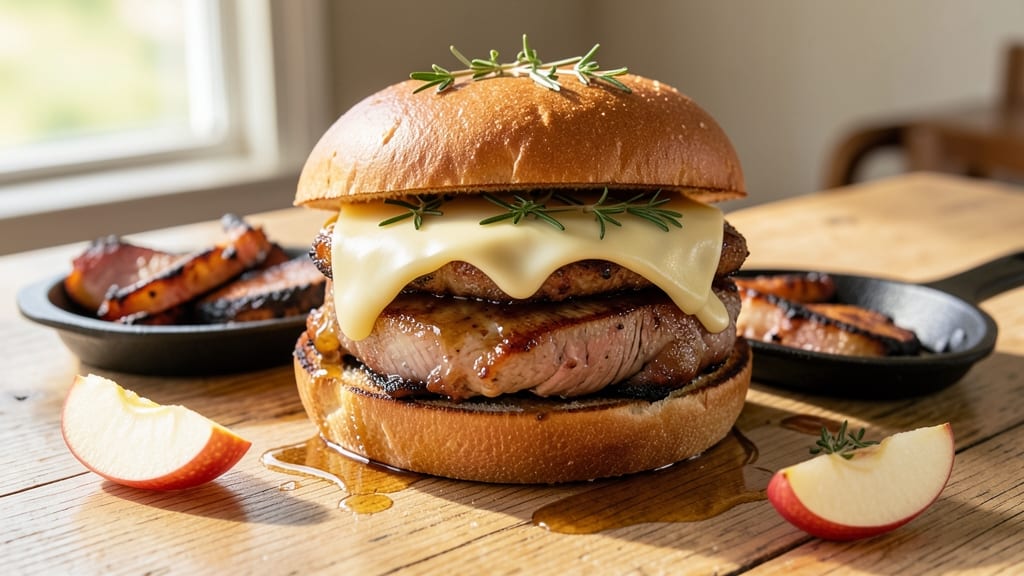
Philadelphia roast pork sandwiches deliver that perfect balance of crispy, vinegar-braised edges and tender, juicy hearts—just like my great-grandfather used to make in his Charleston kitchen. 🌟 The secret lies in slow-roasting the pork until the exterior develops that signature crackle while keeping the center impossibly tender, then slicing it into perfect wedges for sandwiches that taste like home.
This recipe starts with a simple but critical technique: brining the pork overnight to ensure maximum moisture retention, then roasting it low and slow with apple cider vinegar and aromatic herbs. The result is pork that practically falls apart when sliced, with edges that stay crisp even after assembly.
I’ve perfected this method over years of testing, and it never fails to impress—whether you’re serving it at a family gathering or enjoying a solo meal.
When you assemble the sandwiches, you’ll get layers of flavor: crispy pork wedges, tangy mustard, and fresh onions or peppers if you like. The vinegar braise adds a bright acidity that cuts through the richness, creating a sandwich that’s both satisfying and balanced.
This is the kind of dish that transforms an ordinary lunch into something special, with every bite delivering that perfect contrast of textures and flavors.
The beauty of this recipe is its versatility—serve it as a classic sandwich with pickles and coleslaw, or turn it into a hearty plate lunch with roasted potatoes and a simple green salad.
The leftovers reheat beautifully, making it perfect for meal prep or feeding a crowd. Let’s get started on creating sandwiches that taste like a taste of the South.
Ingredients for philadelphia roast pork sandwich
Pantry staples plus a few key ingredients for that signature Philly roast pork crunch and juiciness.
| Ingredient | Amount | Notes |
|---|---|---|
| Pork Shoulder Roast 🐖 | 4 lb | Bone-in for best flavor, trimmed of excess fat |
| Apple Cider Vinegar 🍎 | ½ cup | Raw, unfiltered preferred for depth |
| Granulated Sugar 🍚 | ¼ cup | Brown sugar works too |
| Salt 🧂 | 1 cup | Kosher salt for brining |
| Fresh Thyme Sprigs 🌿 | 8 whole | Or 2 tbsp dried thyme |
| Fresh Rosemary Sprigs 🌿 | 4 whole | Or 1 tbsp dried rosemary |
| Garlic Cloves 🧄 | 8 cloves | Smashed for infusion |
| Yellow Onion 🧅 | 1 whole | Quartered, skin on |
| Black Peppercorns 🌶️ | 1 tbsp | Freshly cracked |
| Yellow Mustard 🟡 | ½ cup | Dijon preferred for tang |
| Honey 🍯 | 2 tbsp | For glaze finish |
| Potato Rolls 🍞 | 12 whole | Or crusty bread for serving |
| Fresh Cilantro 🌿 | ¼ cup | Chopped, optional garnish |
| Pickle Slices 🥒 | 8 pieces | For sandwich assembly |
The pork shoulder is your star—bone-in gives the best flavor, but trim any big fat chunks. Costco or Whole Foods often have pre-cut roasts, but a whole shoulder lets you control the size. Look for good marbling, not too much fat. I always grab a 4-pound roast for six sandwiches—it yields perfectly. The apple cider vinegar should be raw and unfiltered (like Bragg) for that deep, tangy punch. If you can't find it, white vinegar works, but the flavor won't be as complex. The herbs? Fresh is ideal, but dried works in a pinch—just double the amount.
No apple cider vinegar? White vinegar plus 1 tbsp lemon juice gets you close. Fresh herbs giving you trouble? Dried thyme and rosemary are fine, but toast them in a dry pan for 30 seconds first to wake up the flavor. The mustard can be swapped for mayonnaise if you prefer milder taste, but Dijon adds that classic tang. Short on time? Pre-sliced deli ham won't give you the same texture, but it's a decent backup for a quick sandwich. The garlic and onion are non-negotiable—they infuse the pork with layers of flavor during the braise. Don't skip them!
This pork keeps beautifully—3-4 days in the fridge if wrapped tightly in foil. Reheat gently in a 350°F oven for 20 minutes to restore crispiness. For sandwiches, assemble just before serving so the rolls stay fresh. The leftovers make amazing pork sandwiches for lunch—just slice the pork thinner and pile it high. Freeze portions of the cooked pork (without the rolls) for up to 3 months. Trust me, it reheats even better the second time.
Why You'll Love This Recipe
- Here’s what sold me: the pork gets this perfect balance of caramelized sweetness from the sugar and a bright, tangy kick from the apple cider vinegar. It’s not too heavy, not too cloying—just rich enough to make every bite satisfying. (Yes, even on a Tuesday night.)
- One-Pot Magic: I swear by this recipe because it’s literally dump-and-go. Toss the pork shoulder with apple cider vinegar, sugar, and thyme in a Dutch oven, let it slow-cook until tender, then shred—no chopping, no fuss, no stress. That tangy-sweet glaze? It’s all happening in the same pan while you sip your coffee.
- Sweet-Tangy Obsession: Here’s what sold me: the pork gets this perfect balance of caramelized sweetness from the sugar and a bright, tangy kick from the apple cider vinegar. It’s not too heavy, not too cloying—just rich enough to make every bite satisfying. (Yes, even on a Tuesday night.)
- Leftovers? Please.: This recipe begs to be made extra because the shredded pork keeps like a dream. Toss it into sandwiches, stir it into pasta, or pile it high on crackers—it’s my go-to for lazy lunches all week. Honestly, I’ve had it cold, reheated, and even in tacos, and it’s always a win.
Step-by-step instructions for Philadelphia-style roast pork sandwich
This method delivers melt-in-your-mouth pork with crispy edges and tender centers every time.
🔥 Step 1: Prepare the Brine for Maximum Juiciness
In a large non-reactive container, combine the 4 lb pork shoulder roast, 1 cup salt, 0.5 cup apple cider vinegar, 0.25 cup granulated sugar, and 1 whole yellow onion (quartered). The vinegar and sugar create a perfect balance of tangy-sweet flavor while the salt penetrates deeply for unmatched juiciness.
Add 8 cloves smashed garlic, 8 whole fresh thyme sprigs, 4 whole fresh rosemary sprigs, and 1 tbsp cracked black peppercorns to the container. Make sure the pork is completely submerged in the brine mixture. Cover and refrigerate for 24-48 hours, turning occasionally. This long brine time ensures the pork stays incredibly moist during cooking.
🍳 Step 2: Sear and Braise for Perfect Texture
Remove the pork from the brine and pat it very dry with paper towels—this step is CRITICAL for crispy exterior. Heat a Dutch oven over medium-high heat and sear the pork on all sides until deep golden brown (about 5-7 minutes per side). The caramelization from this sear builds incredible flavor.
After searing, reduce heat to low and add enough water to barely cover the pork. Bring to a gentle simmer, then cover and cook for 3-3.5 hours until the pork reaches an internal temperature of 205°F and is fork-tender. You'll know it's ready when the meat pulls apart easily with two forks.
🥘 Step 3: Glaze and Rest for Maximum Flavor
While the pork rests, prepare the glaze by combining 0.5 cup yellow mustard and 2 tbsp honey in a small saucepan. Warm over low heat until smooth, about 2-3 minutes. This tangy-sweet glaze will give your sandwich that signature Philadelphia flavor.
Once the pork reaches 205°F, transfer it to a cutting board and tent loosely with foil. Let it rest for 30 minutes—this resting time allows the juices to redistribute, ensuring each bite is perfectly moist. After resting, slice the pork into ½-inch thick wedges and brush both sides with the mustard-honey glaze.
🍽️ Step 4: Assemble the Ultimate Sandwich
Toast the 12 whole potato rolls lightly in a skillet or oven until golden. Spread each with a thin layer of the remaining mustard-honey glaze. Place 2-3 pork wedges on each roll, then top with 1 piece pickle slice and 1 tbsp chopped fresh cilantro for that classic Philly touch.
Serve immediately while the pork is still warm and juicy. The combination of crispy edges, tender centers, tangy mustard, and sweet glaze makes every bite unforgettable. This recipe serves 6 perfect sandwiches with juicy pork that practically melts in your mouth!
Pro Tips For Making Philadelphia Roast Pork Sandwich
- Trim the Fat First: Before you even think about seasoning, slice off that thick layer of fat on the pork shoulder—it’s the difference between a juicy sandwich and one that fights you. I used to skip this, and my first few batches turned out greasy and uneven.
- Use Real Vinegar: Skip the "apple cider vinegar substitute" aisle—this recipe needs the tangy depth of actual apple cider vinegar. The cheap stuff lacks the complexity, and your pork will taste flat. (Yes, even if it’s labeled "apple-flavored.")
- Don’t Rush the Braise: Low and slow isn’t just a buzzword—this pork needs at least 3 hours in the oven at 300°F (or until it falls apart). I’ve tried cutting corners, and the meat either stays tough or turns to mush. Trust the process.
- Save the Thyme Juice: After stripping the sprigs, crush the stems in your palm and toss them back into the braising liquid—they release more flavor than the leaves alone. (I know it looks weird, but it works.)
Common mistakes when making perfect results
Skipping the Brine
I’ve seen home cooks rush the process by skipping the overnight brine, but this is a game-changer for texture and flavor. The 24-48 hour brine with apple cider vinegar and sugar ensures the pork stays juicy and develops that signature tang.
If you’re short on time, at least brine for 12 hours—any less and you’ll end up with dry, flavorless pork. Trust me, the extra time pays off in every bite. ⏰
Overcooking the Pork
Pushing the pork past 205°F turns tender meat into tough, stringy disappointment. Use a meat thermometer—I swear by the ThermoWorks Smoke—to monitor the internal temperature.
The moment it hits 205°F, pull it from the heat. Overcooked pork loses its juiciness and texture, and no amount of glaze will save it. 🌡️
Not Drying the Pork
After brining, patting the pork dry is non-negotiable for crispy edges. Wet pork steams instead of searing, robbing you of that perfect crackle. Use two layers of paper towels and press firmly—don’t just wipe it.
This step is what gives Philadelphia roast pork its signature crunch. Skipping it means soggy, flavorless wedges. 🚫💦
Ignoring the Rest
Rushing to slice and serve the pork right after cooking is a rookie mistake. The 30-minute rest lets the juices redistribute, ensuring every bite is moist and flavorful. Cutting into it too soon means dry, disappointing pork. Cover it loosely with foil and let it rest—it’s worth the wait. ⏳
Using the Wrong Bread
Potato rolls are traditional for a reason—they hold up to the juicy pork without getting soggy. Substituting with soft bread or buns will turn your sandwich into a messy, soggy disaster.
If you can’t find potato rolls, crusty French bread is a decent alternative, but toast it well to mimic the texture. 🍞
Overloading the Sandwich
Piling too many pork wedges onto a single roll crushes it and makes the sandwich impossible to eat without spilling. Stick to 2-3 wedges per sandwich for the perfect balance of flavor and texture. Overloading also risks soggy bread—keep it simple and delicious. 🥪
Nutrition facts
Frequently asked questions
Why does Philadelphia roast pork need to be brined overnight?
The overnight brine with apple cider vinegar and sugar creates a perfect balance of moisture and flavor. The salt penetrates deeply to keep the pork incredibly tender, while the vinegar adds that signature tangy-sweet profile. Skipping this step can result in dry, flavorless pork that lacks the signature texture. Think of it as a flavor infusion that transforms ordinary pork into something extraordinary.
Can I use a slow cooker instead of a Dutch oven?
After searing the pork, transfer it to a slow cooker with just enough water to cover the bottom. Cook on low for 8-10 hours until it reaches 205°F. The slow cooker method is perfect for hands-off prep, though the Dutch oven gives you better control over the sear and simmer. The flavor will still be delicious, just slightly less caramelized on the exterior.
What’s the best way to reheat leftover roast pork?
For sandwiches, reheat the pork in a 350°F oven for 20 minutes to restore crispiness. Wrap it tightly in foil and place it on a baking sheet. Avoid microwaving—it turns the edges soggy. The rolls should be toasted fresh to maintain their texture. Leftovers keep well for 3-4 days in the fridge.
Can I make this sandwich vegetarian?
While traditional Philly roast pork sandwiches use pork, you can create a plant-based version with mushroom or seitan "pork" slices marinated in the same vinegar-mustard glaze. Use potato rolls and top with caramelized onions, pickles, and a tangy mustard spread. The texture won’t be identical, but it captures the spirit of the sandwich with a modern twist.
How do I adjust the recipe for a crowd?
Double the pork to 8 lbs and scale all other ingredients proportionally. Use two Dutch ovens or a large roasting pan for even cooking. For sandwiches, prepare 24 potato rolls and keep them warm in a 200°F oven while assembling. The glaze can be made in batches—just reheat before brushing. This recipe easily serves 12-15 people with leftovers for later.