
Main Courses
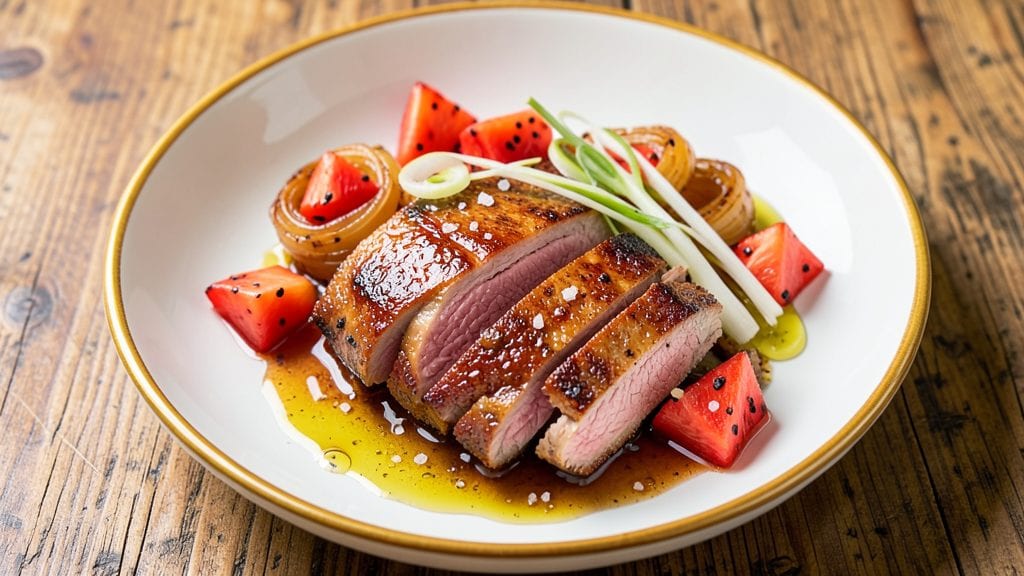
This pineapple pork tenderloin recipe delivers a perfect balance of sweet, tangy, and savory flavors that transform a simple weeknight dinner into something extraordinary. The caramelized edges and juicy interior make every bite irresistible, while the pineapple glaze adds a tropical twist that pairs beautifully with the rich pork.
I developed this recipe after years of perfecting my marinades, drawing inspiration from both French technique and my love for bold, balanced flavors.
The secret lies in the marinade—a blend of pineapple juice, soy sauce, and brown sugar—that tenderizes the pork while infusing it with deep, complex flavors.
You'll cook the tenderloin to medium-rare for maximum juiciness, then finish it with a quick sear in a hot pan or under the broiler to create those coveted caramelized edges. This method ensures the meat stays tender and juicy while developing a rich, flavorful crust.
By the time you serve this dish, your kitchen will smell like a tropical paradise, and your guests will be asking for seconds. The sweet-tangy glaze complements the savory pork perfectly, creating a harmonious balance that's both elegant and approachable.
Pair it with steamed jasmine rice or a fresh green salad to round out the meal—this recipe is designed to impress without requiring hours in the kitchen.
Whether you're grilling outdoors or cooking indoors, this method delivers restaurant-quality results every time. The key is patience—letting the flavors meld during marinating and cooking the pork to the perfect internal temperature. Trust me, once you try this, it'll become a staple in your recipe rotation. Let's get started!
Ingredients for pineapple pork tenderloin
Sweet, tangy, and savory—this tenderloin needs just 12 ingredients for restaurant-quality results.
| Ingredient | Amount | Notes |
|---|---|---|
| Pork Tenderloin 🥩 | 1 ½ lb | Center-cut, trimmed of fat |
| Fresh Pineapple Juice 🍍 | 1 cup | From fresh pineapple, strained |
| Soy Sauce 🥢 | ½ cup | Low-sodium preferred |
| Brown Sugar 🍚 | ½ cup | Packed, light or dark |
| Extra-Virgin Olive Oil 🫒 | 2 tbsp | For marinade and searing |
| Garlic Cloves 🧄 | 4 cloves | Minced, fresh preferred |
| Fresh Ginger 🌿 | 1 tbsp | Finely grated, peeled |
| Lime Juice 🍋 | 2 tbsp | Freshly squeezed |
| Honey 🍯 | 1 tbsp | Wildflower preferred |
| Diamond Crystal Kosher Salt 🧂 | 1 tsp | For seasoning |
| Black Pepper 🌶️ | ½ tsp | Freshly ground |
| Fresh Pineapple 🍍 | 1 cup | Diced, for garnish |
| Fresh Cilantro 🌿 | ¼ cup | Chopped, for garnish |
The pork tenderloin is your canvas here, so center-cut is key—it stays juicier than the ends. Grab one from the butcher counter if you can, or look for pre-trimmed cuts at Whole Foods to save time. Fresh pineapple juice is non-negotiable—canned juice lacks depth. If you're buying whole pineapple, blend and strain it yourself; the fiber adds grit. For the soy sauce, Kikkoman or Pearl River Bridge are my go-tos—they’ve got that perfect balance of umami. Brown sugar should be packed, not scooped, and light or dark works equally well—just don’t use powdered.
No fresh pineapple? High-quality bottled pineapple juice (like Dole or Del Monte) works in a pinch, but add 1 tsp of lime juice extra for brightness. Short on ginger? Ground ginger at half the amount gets you close, but fresh is worth the zest. The honey can be swapped for maple syrup or agave, though honey adds a subtle floral note. For the glaze, reduce the marinade until it coats the back of a spoon—this ensures that sticky, caramelized finish. If you’re grilling, broil the last 2 minutes for extra color.
Marinate the pork for at least 4 hours—overnight is ideal. Keep it sealed in a container in the fridge, and flip it halfway for even flavor. The glaze reheats beautifully, so make extra—it’s perfect over rice or as a dipping sauce. Store leftovers in an airtight container for 3 days; freeze the pork for 2 months. Garnish with fresh pineapple and cilantro right before serving—the colors pop and keep everything vibrant. Trust me, the first bite is worth the wait.
Why You'll Love This Recipe
- Honestly, I make this for both: a lazy Tuesday dinner (it’s ready in 30) or a potluck where it disappears fast. Slice it thin for tacos, serve it whole for a centerpiece, or shred it cold for sandwiches.
- Foolproof Glaze: I swear by that quick 10-minute marinade—just toss the pork in pineapple juice, soy sauce, and brown sugar while I chop veggies for the side. The glaze caramelizes in one pan, no basting required.
- Sweet-Savory Magic: That combo of fresh pineapple juice and soy sauce? It’s like a tropical BBQ meet Asian street food. The brown sugar adds this perfect chewy edge, and the olive oil keeps it juicy—no dry pork here.
- Weeknight or Party: Honestly, I make this for both: a lazy Tuesday dinner (it’s ready in 30) or a potluck where it disappears fast. Slice it thin for tacos, serve it whole for a centerpiece, or shred it cold for sandwiches.
Step-by-step instructions for pineapple pork tenderloin
Here's how to transform simple ingredients into perfectly tender pork with caramelized edges and a sticky-sweet glaze.
Prepare the Sweet-Tangy Marinade
In a medium bowl, combine the 1 cup fresh pineapple juice, 0.5 cup soy sauce, 0.5 cup packed brown sugar, 2 tablespoons extra-virgin olive oil, 1 tablespoon finely grated fresh ginger, 2 tablespoons freshly squeezed lime juice, and 1 tablespoon honey. Whisk vigorously until the brown sugar fully dissolves and the mixture becomes smooth and glossy.
Here's the thing—this marinade needs to work its magic. Let it sit at room temperature for 15 minutes to allow the flavors to meld before using. The lime juice will brighten the sweetness while the ginger adds depth, creating a perfect balance that tenderizes the pork beautifully.
Marinate and Sear the Pork
Place the 1.5 lb pork tenderloin on a plate and generously coat it with the marinade, using your hands to ensure even distribution. Let it sit uncovered in the refrigerator for at least 4 hours, or preferably overnight. The acidity in the pineapple juice will break down the proteins, guaranteeing that tender result you're after.
When ready to cook, remove the pork from the refrigerator and let it sit at room temperature for 30 minutes. Heat a large oven-safe skillet over medium-high heat and add the pork. Sear it for 3-4 minutes per side until it develops a deep golden-brown crust—this is your signal that the Maillard reaction is working its magic, creating that caramelized edge we want.
Baste and Glaze in the Oven
Transfer the skillet to a preheated 400°F oven and pour the reserved marinade from the bowl over the pork. The marinade should pool around the pork, creating a sticky glaze that will caramelize as it bakes. Roast for 20-25 minutes, basting the pork with the pan juices every 5 minutes to ensure even coating and maximum flavor development.
You'll know it's done when the internal temperature reaches 145°F and the edges are beautifully caramelized. The pork should be fork-tender with just a slight resistance in the center. If the glaze starts to thicken too much before the pork is done, add 1-2 tablespoons of water to the pan and continue basting.
Rest and Garnish
Remove the pork from the oven and let it rest on a cutting board for 10 minutes. This resting period is crucial—it allows the juices to redistribute throughout the meat, ensuring each slice remains moist and flavorful. Tent loosely with foil to keep it warm during this time.
While the pork rests, transfer the caramelized glaze from the skillet to a small saucepan and simmer over medium heat for 2-3 minutes to thicken slightly if needed. Dice the 1 cup fresh pineapple and chop the 0.25 cup fresh cilantro for garnish. Slice the pork into ½-inch thick medallions and arrange them on a serving platter, drizzling with the reduced glaze. Garnish with the pineapple and cilantro just before serving.
Pro Tips For Making Pineapple Pork Tenderloin
- Sear First, Then Braise: Get that cast-iron pan screaming hot before adding the pork—just 2 minutes max. I used to skip this, and the sauce would cling like glue instead of caramelizing into a glossy coat. Once the pork’s golden, pour in the pineapple juice and soy sauce right away so the flavors meld properly.
- Strain That Juice: Fresh pineapple juice is a game-changer, but strain out the pulp unless you’re craving texture. I learned this after one batch left me with a gritty sauce—nothing worse than chewing chunks while eating tender pork. A fine-mesh sieve does the trick in seconds.
- Don’t Rush the Sugar: Brown sugar needs time to dissolve and deepen the flavor. Stir it into the simmering sauce early and let it cook for at least 5 minutes before adding the pork back in. Skimping here means a dish that’s sweet but flat—like dessert without the payoff.
- Oil the Pork: Brush the tenderloin with olive oil before searing—it’s the only way to guarantee a crust without sticking. I was skeptical until I tried it; now I double-check this step because dry pork turns out tough, and nobody wants that.
Essential equipment for pineapple pork tenderloin
Skillet Essentials
Start with a heavy-bottomed cast-iron skillet—I swear by my Lodge 10.25-inch—because it retains heat evenly and creates that perfect sear. If you don’t have cast iron, a stainless steel skillet like All-Clad works too, but watch the heat closely.
The skillet must be oven-safe since we’re finishing in the oven, so check your manufacturer’s guidelines if unsure. 🔥
Precision Tools
An instant-read thermometer is non-negotiable for this recipe. I use a ThermoWorks Dot—it’s fast and accurate, ensuring your pork hits 145°F without overcooking. For basting, grab a small pastry brush or silicone basting brush to spread the glaze evenly.
A sharp chef’s knife (like Wüsthof) is essential for slicing the pork into clean ½-inch medallions after cooking.
Marinade Mixing
For the marinade, a whisk or fork works, but I prefer a small rubber spatula to scrape every last bit of sugar and soy from the bowl. A fine-mesh strainer comes in handy if you’re using fresh pineapple—it removes pulp for a smooth glaze.
Don’t skip the measuring spoons for the ginger, lime, and honey; precision here balances the flavors perfectly.
Oven and Heat Control
Your oven should have a broiler function for that final caramelized finish. Preheat to 400°F and position the rack in the middle for even cooking. If you’re grilling, a charcoal or gas grill set to medium-high (400°F) works, but monitor closely—grill flames can make the glaze burn faster.
A heat-resistant oven mitt protects your hands when transferring the hot skillet.
Garnish and Serve
Fresh garnishes need the right tools: a microplane for zesting lime (if you’re adding extra brightness) and a pair of kitchen shears for chopping cilantro quickly. A small saucepan helps thicken the glaze if needed, and a serving platter with a drizzling spoon makes plating effortless.
For extra flair, grab edible flowers or toasted coconut flakes—they elevate the dish to restaurant-worthy levels. ✨
Nutrition facts
Frequently asked questions
Can I use canned pineapple juice instead of fresh?
You can use canned pineapple juice, but fresh is ideal for maximum flavor. If substituting, choose a high-quality brand with no added sugars. Add an extra 1 tablespoon of lime juice to compensate for the lack of fresh brightness. The texture of the glaze may be slightly less smooth, but it'll still taste delicious!
How do I adjust this recipe for a larger group?
Double the marinade ingredients and increase the pork to 3 lbs for 6 servings. Use two oven-safe skillets or a large roasting pan. Cook at 400°F for 30-35 minutes, checking with a thermometer. The key is maintaining even heat distribution—don't overcrowd the pan.
What if my pork comes out dry?
Dry pork usually means it was overcooked or didn't rest properly. Use an instant-read thermometer to pull it at 145°F internal temp, then let it rest 10-15 minutes before slicing. If using a thinner cut, reduce oven time by 5 minutes. The marinade's acidity helps retain moisture—never skip the resting step!
Can I make this recipe in a slow cooker?
Yes! Sear the pork first, then transfer to a slow cooker with the marinade. Cook on low for 4-5 hours or high for 2-3 hours until tender. The glaze will be thinner—reduce it on the stovetop afterward. For best results, finish with a quick sear in a hot pan to recreate the caramelized edges.
What's the best way to reheat leftovers?
Reheat in a skillet over medium-low heat with a splash of water or pineapple juice to prevent drying. Cover for 3-4 minutes until warmed through. Avoid microwaving—it makes the pork tough. Leftovers keep well for 3 days refrigerated or 2 months frozen, though texture may change slightly.