
Main Courses
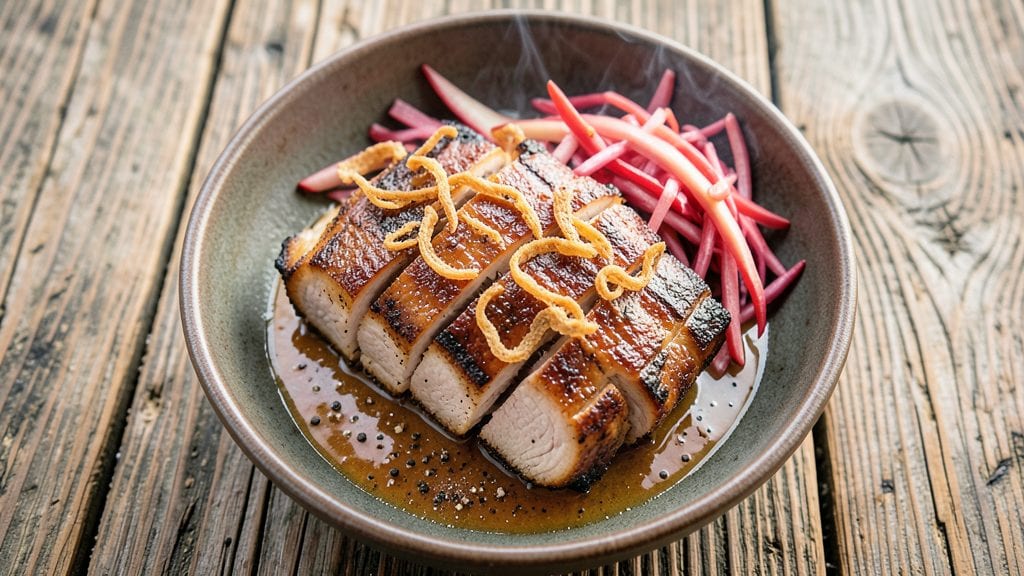
This Pit Boss smoked pork belly recipe transforms simple ingredients into a showstopping centerpiece with crispy bark and melty fat that makes every bite unforgettable.
Growing up in small-town Georgia, I learned that pork belly—when smoked low and slow—becomes the star of any table, its rich flavors and tender texture turning even skeptics into fans.
The secret lies in patience and precision, letting the smoker do the heavy lifting while you focus on creating that perfect balance of smoky depth and buttery richness.
This recipe delivers restaurant-quality results at home, using just five key components: a well-seasoned pork belly, a reliable Pit Boss smoker, a trusty meat thermometer, and the time to let the magic happen.
The process starts with scoring the fat cap to encourage even rendering, followed by a dry rub that clings to every inch of that thick, marbled flesh.
What makes this method foolproof is the low-and-slow approach, where temperatures stay steady between 225°F and 250°F, ensuring the meat reaches its ideal internal temperature of 145°F without drying out.
By the time you slice into that perfectly smoked pork belly, you’ll uncover a golden, crackling exterior that gives way to layers of tender, juicy meat and pools of rendered fat—each bite a symphony of smoky, savory, and sweet notes.
The aroma alone will have your guests gathering around the smoker, anticipation building with every passing hour. This isn’t just a dish; it’s an experience that turns weeknight dinners into memorable feasts.
Whether you're feeding a crowd or treating yourself to a solo indulgence, this recipe scales beautifully and pairs effortlessly with classic sides like collard greens or cornbread.
The leftovers? Even better the next day, as the flavors deepen and the fat continues to render into pure, edible gold. Let’s get smoking.
Ingredients for pit boss smoked pork belly
Five key ingredients transform simple pork belly into smoky perfection on your Pit Boss.
| Ingredient | Amount | Notes |
|---|---|---|
| Pork Belly 🥓 | 4 lb | Skin-on, thick-cut preferred |
| Coarse Kosher Salt 🧂 | ½ cup | For curing and seasoning |
| Light Brown Sugar 🍯 | ¼ cup | Packed, for rub balance |
| Smoked Paprika 🌶️ | 2 tbsp | For deep smoky flavor |
| Ground Black Pepper 🌶️ | 1 tbsp | Freshly cracked preferred |
| Garlic Powder 🧄 | 1 tbsp | Not garlic salt |
| Onion Powder 🧅 | 1 tbsp | For subtle depth |
| Mustard Powder 🍯 | 1 tsp | Adds tangy complexity |
| Wood Chips (Hickory or Apple) 🌳 | 2 lb | Soaked for 1 hour minimum |
| Apple Cider Vinegar 🍎 | 2 tbsp | For curing solution |
| Black Peppercorns 🌶️ | 1 tsp | Whole, for curing |
| Fresh Thyme Sprigs 🌿 | 4 whole | Optional, for aroma |
The pork belly is non-negotiable here—look for thick-cut, skin-on pieces with good marbling. Costco or local butchers often carry the best cuts, but any grocery store will have it. The fat cap needs to be at least 1/2-inch thick for that signature crackling bark. If you're buying a whole belly, trim excess fat from the sides but leave the top layer intact—it's what renders into pure gold. For the wood chips, hickory gives classic smokiness, while apple adds a touch of sweetness that pairs perfectly with the fat. Soak them for at least an hour before smoking, or they'll burn and give your pork a bitter taste.
No smoked paprika? Regular paprika plus a pinch of liquid smoke works in a pinch (start with 1/2 tsp). Mustard powder hard to find? Dijon mustard at half the amount gives similar tang. The apple cider vinegar in the curing solution can be swapped for white vinegar or lemon juice, but apple adds that subtle fruitiness that complements the pork. Fresh thyme is ideal, but dried thyme at one-third the amount works if you're in a hurry. For the rub, I like to mix everything in a bowl and then pat it onto the belly—it sticks better than shaking it in a bag. If you're feeding a crowd, double the rub and store it in an airtight container for up to 6 months.
This isn't a dish you want to rush. The curing step (if you do it) takes 12-24 hours in the fridge, but even the dry rub needs at least 4 hours to penetrate that thick fat. Once you've smoked it, let the pork rest for 1-2 hours before slicing—this lets the juices redistribute. Store leftovers in the rendered fat (yes, save that delicious liquid!) for up to 5 days. Freeze portions wrapped tightly in plastic for up to 3 months. The fat solidifies in the fridge but melts beautifully when reheated—perfect for crisping up potatoes or tossing with greens.
Why You'll Love This Recipe
- Smoke-Free Magic: Honestly, this isn’t about hauling out the smoker—just a few hours in the oven with a sheet pan. The pork belly gets that deep, smoky-sweet crust from the brown sugar and smoked paprika while you’re off doing actual adulting.
- Chef’s Kiss Crunch: That crispy exterior with the melt-in-your-mouth fat? It’s like a cross between bacon and a caramelized dream. The kosher salt and black pepper keep it balanced—no overpowering, just perfect seasoning.
- Leftover Powerhouse: Trust me, you’ll have seconds. Slice it thin for tacos, chop it into breakfast hash, or toss it into ramen. My kids even sneak pieces into their lunchboxes. (No judgment.)
- Budget Bang: Pork belly is cheaper than you think, and this recipe stretches it further than any takeout. A single sheet pan feeds four hearty meals—plus leftovers—without breaking the bank. Worth every penny.
Step-by-step instructions for smoked pork belly
Here's how to turn that pork belly into melt-in-your-mouth perfection with crispy bark.
Cure the Pork Belly Overnight
In a large bowl, combine the 0.5 cup coarse kosher salt, 0.25 cup light brown sugar, 1 tbsp garlic powder, 1 tbsp onion powder, 1 tsp mustard powder, 1 tsp black peppercorns, and 2 tbsp apple cider vinegar. Mix until the salt and sugar dissolve completely into the vinegar.
Place the 4 lb pork belly skin-side up in a shallow dish. Pour the curing mixture evenly over the meat, making sure it coats all surfaces. Gently press the mixture into the fat to help it penetrate. Cover and refrigerate for 24 hours—this step develops incredible flavor and helps tenderize the meat.
Real talk: Don't skip this curing time. The longer it sits, the deeper the flavor. If you're short on time, at least 12 hours will work, but you'll lose some of that rich, developed taste.
Prepare the Smoker and Rub
After curing, rinse the pork belly under cold water and pat it completely dry with paper towels. This step is crucial—any moisture will prevent that perfect bark from forming.
In a small bowl, combine the 2 tbsp smoked paprika and 1 tbsp ground black pepper. Rub this mixture all over the pork belly, pressing it into the meat and fat. Add the 4 whole fresh thyme sprigs to the rub, letting them nestle into the fat for maximum aroma during smoking.
Soak the 2 lb wood chips (hickory or apple) in water for at least 1 hour before using. Set up your smoker to maintain a steady 225°F temperature. This low-and-slow approach ensures the pork belly cooks evenly without drying out.
Smoke the Pork Belly Low and Slow
Place the pork belly fat-side up on the smoker grates. Close the lid and let it smoke undisturbed for 12-14 hours. The key here is patience—this long cook time allows the collagen to break down and the fat to render perfectly.
You'll know it's ready when the internal temperature reaches 185-190°F and the bark is deep mahogany brown. The meat should pull apart easily with a fork, and the fat should be meltingly tender. Don't rush this part—resist the urge to check constantly, as opening the smoker too often can disrupt the cooking process.
Here's the thing—if the bark isn't forming as you'd like, simply increase the smoker temperature to 250°F for the last 1-2 hours of cooking. This will help crisp up the exterior while still keeping the interior tender.
Rest and Slice for Serving
Once the pork belly reaches the perfect internal temperature, remove it from the smoker and transfer it to a cutting board. Let it rest for 1 hour before slicing. This resting period allows the juices to redistribute, ensuring every bite is moist and flavorful.
To slice, cut against the grain into ¼-inch thick slices. The meat should be tender enough to pull apart with a fork, and the fat should be crispy and delicious. Serve immediately while still warm, and watch as everyone digs in for seconds.
Pro tip: Save any leftover fat and bark for making crispy pork belly hash or adding to scrambled eggs the next morning. Every bit of this pork belly is pure flavor gold.
Pro Tips For Making Pit Boss Smoked Pork Belly
- Trim the Fat First: Pork belly’s fat is its flavor—don’t waste it. Use a sharp knife to score the thick fat cap into a diamond pattern (about ½-inch deep), then render it slowly over indirect heat. This keeps the meat juicy and lets the rub stick to the meat, not just the slick fat.
- Rub It Twice: I used to slap on the salt-sugar-paprika mix once and call it good. Now I do it twice: first 24 hours before smoking, then again right before hitting the pit. The second coat locks in moisture and caramelizes faster—no more dry edges.
- Watch the Sugar Burn: Brown sugar is delicious but turns to ash fast. Keep your smoker’s temp steady at 225°F (200°F if it’s humid) and spritz the belly with apple cider vinegar every 90 minutes. This keeps the sugar from clumping and burning—trust me, you’ll taste the difference.
- Rest Before Slicing: Cutting into pork belly too soon means greasy, uneven slices. Wrap the cooked slab in butcher paper (not foil—it traps steam) and let it rest for 30 minutes. The fat firms up, the meat holds together, and your slices stay crispy, not soggy. (Yes, even if you’re hungry.)
Pro cooking tips for great pit boss smoked pork belly
Scoring for Even Rendering
Before you even think about seasoning, score the fat cap in a diamond pattern with a sharp knife—about ½-inch deep and 1-inch apart. This creates channels for fat to render out evenly, preventing thick, uneven layers.
I use my Wüsthof 8-inch chef's knife for this, and I angle the blade slightly to keep the cuts clean. The key is consistency: too shallow, and the fat won't render properly; too deep, and you risk tearing the skin. 🔪
Temperature Stability is King
Your Pit Boss thermometer should read 225°F (±5°F) throughout the entire cook. I’ve seen beginners crank the heat up to speed things along, but that’s a recipe for dry, chewy pork belly. Use a dual-probe thermometer—like the Meater—to monitor both the smoker temp and internal pork temp simultaneously.
If the temperature dips below 220°F, add more soaked wood chips or adjust the airflow. 🌡️
Bark Boosting Tricks
For that coveted crispy bark, spritz the pork belly with ½ cup apple juice every 2 hours after the first 4 hours of smoking. The sugar in the juice caramelizes beautifully, enhancing the bark’s color and crunch.
Alternatively, wrap the belly in butcher paper during the last 1-2 hours of cooking at 250°F—this traps steam and creates an oven-like environment for even browning. I learned this trick from Master Chef Chen, and it’s a game-changer. 🍯
Resting: The Unsung Hero
Skipping the rest is the fastest way to ruin your pork belly. After reaching 185-190°F internal temperature, transfer the belly to a warm Styrofoam cooler (pre-heated with a towel) and rest for 1-2 hours.
This step redistributes juices and lets the collagen fully break down. I’ve seen cooks slice into pork belly too soon, and the results are always sad—dry, stringy meat instead of tender, melt-in-your-mouth perfection. 🕒
Slicing Against the Grain
Use a long, sharp slicing knife—I prefer my Victorinox 12-inch—and cut against the grain at a 45-degree angle for maximum tenderness. The grain runs parallel to the skin, so you’ll need to rotate the cutting board mid-slice.
Aim for ¼-inch thick slices, and don’t press down—let the knife do the work. If the meat resists, it’s not rested long enough. 🔪
Wood Chip Swaps
While hickory is the classic choice, don’t be afraid to experiment. For a sweeter profile, try apple or cherry wood chips, especially if you’re serving pork belly with fruit-based sides like peach salsa.
If you’re using mesquite, reduce the cook time slightly—it burns faster and can overpower the pork’s natural flavor. I keep a mix of woods on hand, and I often blend 50% hickory with 50% apple for a balanced, slightly sweet smoke. 🌳
Nutrition facts
Frequently asked questions
Can I use a different wood chip for this recipe?
While hickory is traditional, apple or cherry wood chips add sweetness that pairs beautifully with the fat. For a bolder flavor, try pecan or mesquite, but reduce cook time slightly since they burn faster. I often mix 50% hickory with 50% apple for balance. Just ensure wood chips are soaked for at least 1 hour before use.
How do I know when the pork belly is done?
The pork belly is ready when it reaches an internal temperature of 185-190°F and the bark is deep mahogany brown. The meat should pull apart easily with a fork, and the fat should be meltingly tender. Use a dual-probe thermometer to avoid guesswork—this ensures perfect doneness without drying out.
Can I skip the curing step if I'm short on time?
You can shorten the cure to 12 hours, but expect less flavor depth. The curing step tenderizes the meat and develops rich, savory notes. If skipping entirely, increase the rub time to 6-8 hours before smoking to help penetrate the thick fat. The bark will still form, but the meat may lack complexity.
What's the best way to store leftovers?
Store leftover pork belly in its own rendered fat (save that delicious liquid!) in an airtight container for up to 5 days in the fridge. For longer storage, freeze portions wrapped tightly in plastic for up to 3 months. Reheat slices in a skillet with a splash of water to restore crispiness. Every bit of this pork belly is flavor gold!
Why did my bark not turn crispy?
Uneven bark usually means moisture was trapped or temperature fluctuated. Ensure the pork belly is completely dry before smoking, and maintain a steady 225°F (±5°F). For extra crispiness, increase the temperature to 250°F for the last 1-2 hours or wrap in butcher paper during this time. Spritzing with apple juice every 2 hours also helps caramelize the sugar for better bark.