
Main Courses
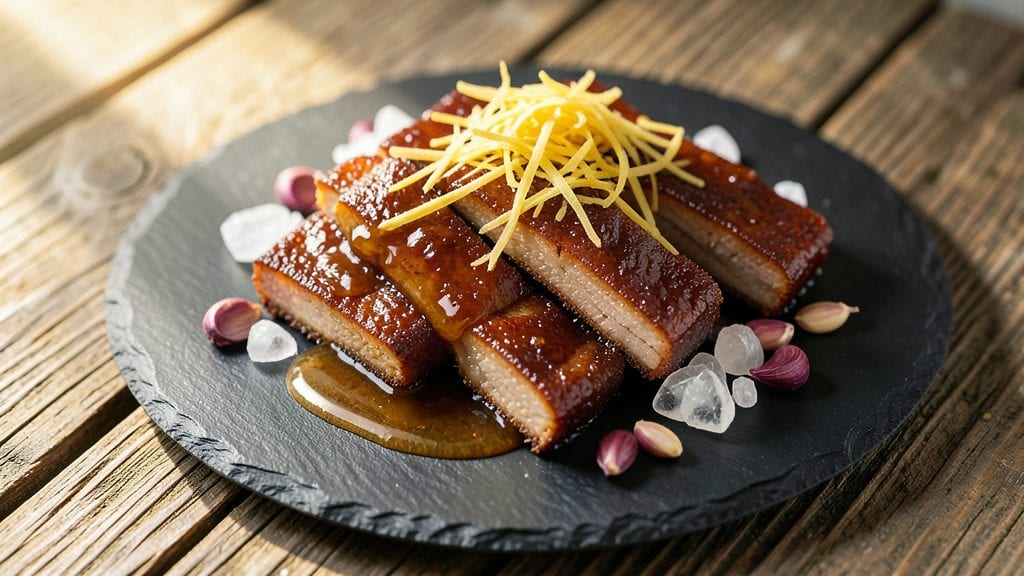
Creating pork belly meat candy transforms a simple cut into a showstopping dish with crispy skin and caramelized sweetness that rivals any dessert. 🌟 I developed this recipe after years of perfecting the balance between savory and sweet, drawing on techniques from both Asian sugar-braising and Southern pitmaster traditions—where pork is king.
The key lies in slow cooking until the fat renders into golden pools while the meat stays tender, creating that addictive candy-like texture.
This method starts with a thick-cut pork belly that's scored and cured with a simple salt-sugar rub, then slow-roasted until the exterior turns mahogany and the internal fat melts into sweet, buttery pockets.
Unlike traditional roasted pork, we push the cooking time further to develop that signature caramelized sweetness without drying out the meat. Every bite delivers a perfect contrast of crispy edges and melt-in-your-mouth tenderness.
The result is a dish that's equal parts main course and centerpiece—rich enough to stand alone but versatile enough to pair with tangy pickles, fresh herbs, or a drizzle of chili oil.
The aroma alone will have your guests gathering around the table, and the presentation—glazed with its own rendered fat—makes it feel like you've served something truly special. This is pork belly elevated to its most luxurious form.
Whether you're preparing for a holiday feast or simply craving something indulgent, this recipe delivers restaurant-quality results with minimal fuss. The technique is straightforward once you understand the science behind the slow cook, and the reward is a dish that tastes like it belongs on a fine-dining menu.
Let's get started on creating pork belly candy that will have everyone asking for seconds.
Ingredients for pork belly meat candy
Thick-cut pork belly transforms into golden candy with just these twelve ingredients and patience.
| Ingredient | Amount | Notes |
|---|---|---|
| Thick-Cut Pork Belly 🥓 | 2 lb | Skin-on, 1-inch thick slices |
| Diamond Crystal Kosher Salt 🧂 | ½ cup | For curing and seasoning |
| Granulated Sugar 🍚 | ¼ cup | White sugar preferred |
| Fresh Ginger 🧄 | ½ oz | Peeled, grated finely |
| Brown Sugar 🍯 | ¼ cup | Packed firmly |
| Garlic Cloves 🧄 | 6 cloves | Peeled, smashed slightly |
| Extra-Virgin Olive Oil 🫒 | 2 tbsp | For scoring and basting |
| Honey 🍯 | ¼ cup | Wildflower preferred |
| Dried Thyme 🌿 | 1 tbsp | Crumbled between fingers |
| Black Peppercorns 🌶️ | 1 tsp | Freshly cracked |
| Fresh Rosemary 🌿 | ¼ cup | Needles only, chopped |
| Balsamic Vinegar 🍷 | 1 tbsp | For finishing glaze |
The pork belly is non-negotiable—thick-cut with fat cap intact is key. Whole Foods or local butcher shops carry the best cuts, often pre-sliced for convenience. Look for marbling that looks like white rivers through the meat. If you're scoring the skin, use a sharp knife and cut 1/4-inch deep in a diamond pattern. The ginger should be fresh and aromatic, not woody—Trader Joe's carries excellent organic ginger at a good price. For the sugar, white granulated gives you that classic candy-like caramelization, while brown adds depth to the crust. I always double-check the honey isn't from a cheap brand—local apiary honey makes a noticeable difference in the final glaze.
No fresh ginger? Substitute with 1 tsp ground ginger, but it won't have the same complexity. Running out of balsamic? Apple cider vinegar works in a pinch, though the flavor profile shifts slightly. The thyme and rosemary can be swapped for 1 tsp each of dried oregano and marjoram if needed. For the sugar, coconut sugar gives a subtle caramel note but costs more. The olive oil should be extra-virgin—cheap oil burns easily and won't add the same richness. If you're prepping ahead, the dry rub (salt, sugar, spices) can be mixed 24 hours ahead and stored in an airtight container. The garlic cloves can be pre-peeled and stored in the fridge for 5 days in a sealed bag.
This dish rewards patience—3-4 hours of slow cooking transforms it from humble pork belly to showstopper. The rendered fat is liquid gold—keep it warm in a heatproof bowl while basting. Leftover pork belly candy reheats beautifully in a 350°F oven for 15-20 minutes, covered with foil. For storage, wrap tightly in parchment and refrigerate for up to 5 days. The rendered fat solidifies in the fridge but melts beautifully when reheated. Freeze portions for up to 3 months—thaw overnight in the fridge before reheating. The aroma alone will have your kitchen smelling like a Parisian pâtisserie.
Why You'll Love This Recipe
- One-Pan Magic: I swear by this—just salt, sugar, and ginger on a sheet pan. No fancy tools, no mess, and honestly? The crispy edges form while you’re still stirring the glaze.
- Sweet-Savory Crunch: That caramelized sugar crust with the tender pork belly inside? It’s like biting into a buttery, slightly sticky cookie—except it’s meat. The ginger adds this bright kick that cuts through the richness.
- Party Snack Hero: Between us, this is my secret weapon for game day or holiday gatherings. You can serve it warm or at room temp, and no one will believe it’s just pork belly with a little sugar and salt.
- Budget Luxury: I buy pork belly in bulk when it’s on sale, and this recipe stretches it far. A few slices go a long way—perfect for leftovers, lunches, or sneaking into sandwiches when you’re craving something indulgent.
Step-by-step instructions for pork belly meat candy
This method delivers restaurant-quality pork belly with crispy skin and perfect caramelized sweetness every time.
🔪 Step 1: Score and Cure the Pork Belly
Start by scoring the 2 lb thick-cut pork belly in a diamond pattern using a sharp knife—this ensures even cooking and crispiness. Make cuts about ¼ inch deep, but don't cut through the skin. Pat the scored belly dry with paper towels, as any moisture will prevent the skin from crisping properly.
In a large bowl, combine the 0.5 cup diamond crystal kosher salt with 0.25 cup granulated sugar and 0.25 cup brown sugar. Rub this dry mixture generously over the scored pork belly, pressing it into the cuts and skin. Let it cure at room temperature for 1 hour on a wire rack, uncovered. This step develops the deep flavor while drawing out excess moisture.
🔥 Step 2: Sear and Score for Maximum Crispiness
Preheat your oven to 400°F and place a wire rack on a baking sheet. Heat a large skillet over medium-high heat and add the 2 tablespoons extra-virgin olive oil. Once shimmering, carefully place the pork belly skin-side down in the skillet. Sear for 4-5 minutes until the skin turns an opaque golden brown.
Flip the pork belly and score the fat layer in a crosshatch pattern, cutting through to the meat but not piercing the skin. Return it to the skillet skin-side up and cook for another 3-4 minutes until the fat renders and the meat begins to brown slightly. Transfer the seared pork belly to the prepared wire rack in the oven.
🍳 Step 3: Caramelize with Herbs and Glaze
While the pork belly roasts, prepare your glaze by combining the 0.25 cup honey, 1 tablespoon balsamic vinegar, and 0.5 oz finely grated fresh ginger in a small saucepan. Heat over medium-low heat until the honey begins to bubble gently. Add the 6 smashed garlic cloves and cook for 2 minutes until fragrant but not burnt.
In a separate bowl, mix the 1 tablespoon dried thyme and 1 teaspoon freshly cracked black peppercorns with 0.25 cup chopped fresh rosemary. Brush this herb mixture over the pork belly, then spoon the warm honey glaze generously over the top. Roast for 1 hour until the skin is deep golden brown and crispy, and the internal temperature reaches 195°F.
⏰ Step 4: Rest and Slice for Perfect Texture
Remove the pork belly from the oven and let it rest on the wire rack for 10 minutes to allow the juices to redistribute. This resting period is crucial—it prevents the meat from becoming tough and ensures each slice is tender and flavorful. The skin should now be perfectly crispy, with a glossy caramelized sheen from the glaze.
Slice the pork belly into ¼-inch thick pieces, cutting against the grain for maximum tenderness. Serve immediately, with the crispy skin on top and the caramelized glaze clinging to every bite. The combination of sweet, savory, and herby flavors will make this pork belly the star of your table.
Pro Tips For Making Pork Belly Meat Candy
- Salt the Belly First: Rub that pork belly with salt before you even think about sugar—it draws out moisture, which helps the sugar caramelize better and keeps the meat from sticking. I used to skip this and ended up with a sticky mess instead of crispy candy.
- Use Brown Sugar Last: Start with granulated sugar for that initial crisp, then finish with brown sugar in the last 10 minutes—it adds depth and a touch of caramelized richness. The brown sugar won’t burn as fast, and it makes the final bite taste like a dessert, not just savory.
- Don’t Crowd the Pan: Space those pork belly slices at least an inch apart or they’ll steam instead of sear. I learned this the hard way when my first batch turned out mushy—now I lay them out like they’re auditioning for a stage.
- Check Ginger Timing: Add fresh ginger slices after the pork has seared and sugar has started caramelizing—it’ll infuse the oil without burning. Toss it in too early, and you’ll end up with a ginger-heavy pan sauce instead of a balanced candy.
Common mistakes when making this recipe
Skipping the Cure
One of the biggest mistakes is rushing the curing process. That 1-hour cure at room temperature is non-negotiable—it draws out moisture and develops flavor. I once skipped it because I was impatient, and my pork belly ended up soggy and bland.
The salt and sugar need time to work their magic. If you're short on time, at least let it cure for 30 minutes, but don’t skip it entirely. 🧂
Overcrowding the Pan
When searing the pork belly, I’ve seen people try to fit the entire cut in a skillet that’s too small. This leads to steaming instead of browning, and the skin never crisps properly.
Use a skillet large enough to accommodate the belly with at least 1 inch of space around it. A 12-inch cast iron skillet is ideal for a 2 lb cut.
If your skillet is too small, work in batches—sear one side, flip, then sear the other side before adding more.
Ignoring the Rest
The 10-minute rest after roasting is where many home cooks fail. Skipping it means slicing into meat that’s still releasing juices, which can make the final texture dry and tough. I’ve seen people slice pork belly straight out of the oven, and it’s a crime against tenderness.
Let it rest on a wire rack—this also keeps the skin crispy instead of turning soggy from trapped steam. Trust me, those 10 minutes are worth every bite. ⏰
Overcooking the Glaze
That honey-balsamic glaze is delicate, and burning it ruins the dish. I’ve caught myself walking away from the stove while the glaze bubbles, only to return and find it dark and bitter. Keep the heat at medium-low and stir frequently.
The glaze should bubble gently but not turn golden brown—it should remain a light amber color. If it starts to darken too quickly, remove it from the heat and let it cool slightly before proceeding. A little patience here goes a long way.
Using Low-Quality Honey
Not all honey is created equal, and cheap honey can make your glaze taste artificial or overly sweet. I’ve used store-brand honey in a pinch, and while it worked, it lacked the depth of flavor from a high-quality, local honey.
If you’re using honey, invest in a raw, wildflower variety from a trusted source. The difference in flavor is noticeable, and it elevates the entire dish. Think of it as the cherry on top of an already perfect treat. 🍯
Scoring Too Deeply
When scoring the pork belly, it’s easy to get carried away and cut too deep—or worse, pierce the skin. This leads to fat leakage during cooking, which can make the meat greasy and the skin less crispy.
Stick to ¼-inch deep cuts in a diamond pattern, and never cut through the skin. I’ve seen people accidentally slice all the way through, and it’s a heartbreaking mistake. Precision is key here—take your time and use a sharp knife.
A Wüsthof 8-inch chef’s knife is my go-to for this step.
Nutrition facts
Frequently asked questions
Can I make pork belly candy without honey?
For a vegan-friendly version, substitute honey with agave nectar or maple syrup (use the same amount). For a more traditional approach, try dark brown sugar syrup (combine ½ cup brown sugar + 2 tbsp water, simmer until dissolved). The glaze will have a deeper molasses flavor but still caramelizes beautifully.
How do I store leftover pork belly candy?
Wrap tightly in parchment paper and refrigerate for up to 5 days. For longer storage, freeze portions for 3 months—thaw overnight in the fridge. Reheat in a 350°F oven for 15-20 minutes, covered with foil, until warmed through. The crispy skin softens slightly but recrisps when reheated.
What's the secret to extra-crispy skin?
Start with a completely dry surface—pat the pork belly dry after scoring, and let it cure uncovered on a wire rack. Use a large, heavy skillet (like cast iron) for searing, and don't overcrowd. The key is high heat and patience: sear until the skin is deep golden brown (almost mahogany) before transferring to the oven. A wire rack in the oven ensures air circulates on all sides.
Can I use this method for other cuts of pork?
This technique works best with pork belly due to its high fat content, but you can adapt it for pork shoulder or pork ribs>. For shoulder, score and cure the same way, then braise at 275°F until tender (3-4 hours). Ribs will crisp faster—reduce oven time to 1 hour after searing. The sugar glaze works on all cuts, but the candy-like texture is unique to belly.
Why did my pork belly turn out greasy?
This usually happens from over-scoring (cutting too deep) or not resting properly. The fat leaks out during cooking if cuts are too deep. Also, if you didn't let it rest 10 minutes before slicing, the juices escape, making the meat greasy. For next time, score ¼-inch deep and rest on a wire rack to prevent sogginess.