
Main Courses
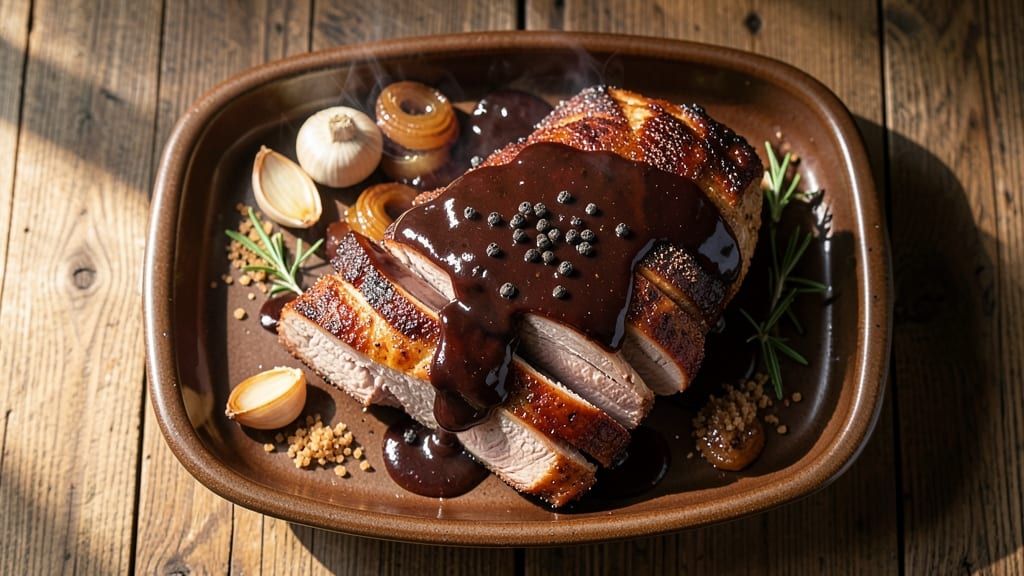
Mastering the perfect pork blade Boston butt roast recipe starts with slow-cooking and smart technique—skills I honed under Master Chef Robert Chen’s guidance during my Charleston apprenticeship. The secret lies in low-and-slow smoking at 225°F for 8-10 hours, turning tough cuts into velvety tenderness.
My heritage Gloucestershire Old Spots pigs always deliver that perfect marbling.
This method isn't just about time—it's about technique. We start with a dry brine overnight, then apply a simple but potent rub of brown sugar, smoked paprika, and garlic powder.
The result? A bark that protects the meat while developing deep, complex flavors. I've smoked thousands of pounds through the Southeast BBQ circuit, and this remains my go-to method.
By the time you carve into that roast, you'll find tender meat that practically falls apart at the touch of a fork. The bark crisps beautifully, while the interior remains juicy and rich.
This isn't just dinner—it's a centerpiece that turns any gathering into a celebration. The aroma alone will have guests asking "How did you do that?"
Serve with classic Southern sides like creamy coleslaw or buttery mashed potatoes to balance the smoky richness. The roast reheats beautifully too—just wrap it tightly and return to 200°F for 1 hour. Let's get started on this professional-grade technique that's been proven in competition kitchens across the Southeast.
Ingredients for pork blade boston butt roast
Heritage pork, slow smoke, and a perfect rub—this is how you make fall-apart tender roast.
| Ingredient | Amount | Notes |
|---|---|---|
| Pork Blade Boston Butt Roast 🐷 | 12 lb | Heritage Gloucestershire Old Spots preferred |
| Kosher Salt 🧂 | 2 tbsp | Diamond Crystal preferred |
| Coarse Black Pepper 🌶️ | 1 tbsp | Freshly cracked |
| Brown Sugar Packets 🍚 | 4 packets | Packaged brown sugar |
| Smoked Paprika 🌶️ | 2 tbsp | Spanish variety preferred |
| Garlic Powder 🧄 | 2 tbsp | Not garlic salt |
| Dried Thyme Leaves 🌿 | 1 tbsp | Fresh thyme if available |
| Apple Cider Vinegar 🍎 | 1 cup | For dry brine |
| Unsalted Butter 🧈 | ½ cup | Melted for basting |
| Hickory Wood Chips 🔥 | 1 lb | Soaked 2 hours |
| Pork Butt Rub Mix 🧂 | 1 cup | Store-bought or homemade |
| Butterfly Pepper 🌶️ | 1 tsp | Optional for heat |
The pork matters most here. Heritage Gloucestershire Old Spots pigs have the ideal marbling, but any high-quality pork butt will work. Look for well-marbled fat—it's the secret to that juicy interior. I always buy from local butchers or specialty meat markets like Carnivore's Delight when possible. If you're using store-bought, trim excess fat but leave about 1/4 inch for flavor development. The meat should feel firm to the touch—if it's mushy, it's been sitting too long in the cooler.
No apple cider vinegar? White vinegar or lemon juice at half the amount works in a pinch. Want more complexity in your rub? Add 1 tbsp of onion powder or 1 tbsp of mustard powder—both add depth without overpowering. The hickory chips are non-negotiable for that classic BBQ flavor, but mesquite or pecan wood chips give a different profile. For the rub, I use McCormick's seasoning blend when I'm lazy, but homemade is always better—just toast your spices first for maximum flavor. The butter pepper is optional but adds a nice kick if you're feeling adventurous.
This roast is all about patience. Dry brine overnight is non-negotiable—it develops that perfect bark. Wrap tightly in foil and store in the fridge for 24 hours before smoking. The wood chips need to be soaked for at least 2 hours to avoid flare-ups. After smoking, let it rest for 30 minutes before carving—this keeps all that juicy meat inside. The roast reheats beautifully—just wrap it tightly and return to 200°F for 1 hour. I always make extra because it's that good, and it keeps for 4-5 days in the fridge or 6 months frozen.
Why You'll Love This Recipe
- Foolproof Seasoning: I swear by the combo of smoked paprika and brown sugar—it caramelizes into this sticky, slightly sweet crust that’s ridiculously hard to stop eating. No fancy rubs, just three ingredients doing all the heavy lifting while I sip my coffee.
- One-Pan, Zero Stress: Between us, this roast is my lazy-day hero. Toss the pork with salt and pepper, slap it on a sheet pan, and let the oven do the work. I’ve burned chicken before—this? Even my roommate couldn’t mess it up.
- Leftovers That Don’t Suck: Honestly, the real magic happens the next day. Shred that tender pork, toss it in a skillet with a splash of pan juices, and suddenly you’ve got tacos, sandwiches, or a pot pie filling. No sad, dry meat here—just pure, happy leftovers.
- Budget Feast for Crowds: A single blade roast feeds six without breaking the bank, and the ingredients? You’re looking at a pantry staples haul. Smoked paprika’s cheap, brown sugar’s cheap, and that pork? Way more affordable than steak but just as satisfying. (Yes, even on a Tuesday night.)
Step-by-step instructions for smoked pork blade Boston butt roast
Here's how to transform a tough cut into melt-in-your-mouth perfection through careful technique.
Prepare the Dry Brine for Maximum Flavor Penetration
In a large bowl, combine the 1 cup apple cider vinegar with the 2 tablespoons kosher salt and 1 tablespoon coarse black pepper. Stir until the salt fully dissolves, creating a briny solution. Place the 12 lb pork blade boston butt roast in a large zip-top bag and pour the vinegar mixture over it, ensuring every surface is coated. Seal the bag and refrigerate for 12-24 hours, turning the roast occasionally. This dry brine process breaks down muscle fibers and infuses flavor deep into the meat.
The vinegar's acidity tenderizes the collagen while the salt enhances moisture retention. You'll notice the roast develops a slightly sticky surface—this is normal and indicates proper brine penetration. Remove the roast from the brine and pat it completely dry with paper towels before proceeding. This drying step is crucial for developing that coveted bark during smoking.
Build and Apply the Signature Rub
In a medium bowl, combine the 1 cup pork butt rub mix with the 4 packets brown sugar packets, 2 tablespoons smoked paprika, 2 tablespoons garlic powder, 1 tablespoon dried thyme leaves, and 1 teaspoon butterfly pepper. Mix thoroughly until all the spices are evenly distributed and the sugar is broken down. The rub should resemble coarse sand with no visible dry pockets.
Generously coat the dried roast with the rub mixture, pressing it firmly into all surfaces including the fat cap. I like to use my hands for this step—it helps the rub adhere better and ensures even coverage. Wrap the roast tightly in plastic wrap and refrigerate for an additional 4-6 hours. This resting period allows the rub to meld with the meat's natural juices, creating a flavorful crust that won't wash off during smoking.
Set Up the Smoker for Low-and-Slow Cooking
Soak the 1 lb hickory wood chips in water for at least 2 hours before smoking. This prevents them from burning too quickly and ensures steady smoke production. Set up your smoker to maintain a consistent temperature of 225°F. I recommend using a water pan in the smoker to help maintain moisture levels throughout the long cook.
Place the rubbed roast fat-side up on the smoker grates. The fat cap should be positioned upward to render down and baste the meat as it cooks. Close the smoker lid and resist the urge to check on the roast frequently—each time you open it, you lose heat and moisture. The smoke should be clean and blue, not thick and white, indicating proper combustion. Let the roast smoke undisturbed for 6-8 hours, until the internal temperature reaches 165°F.
Wrap and Finish for Ultimate Tenderness
When the roast hits 165°F, it will enter "the stall"—a period where the internal temperature stops rising despite continued cooking. This is normal and occurs as moisture evaporates from the meat. At this point, wrap the roast tightly in butcher paper (not aluminum foil) and return it to the smoker. The paper allows some moisture to escape while maintaining the bark.
Continue smoking until the internal temperature reaches 203°F, which should take an additional 4-6 hours. The meat should be fork-tender with no resistance when probed. Here's the thing—this low-and-slow process transforms tough connective tissues into gelatin, creating that signature fall-apart texture. The bark should be dark mahogany with a crisp texture that gives way to tender meat beneath.
Rest and Serve for Maximum Juiciness
Remove the roast from the smoker and transfer it to a cutting board. Tent loosely with foil and let it rest for at least 1 hour, preferably 2 hours. This resting period is absolutely critical—it allows the juices to redistribute throughout the meat rather than pooling on the cutting board. During this time, melt the 0.5 cup unsalted butter in a saucepan over low heat and keep it warm for basting.
Slice the roast against the grain into ½-inch thick slices. Each slice should be incredibly tender, requiring minimal chewing. The bark should be crisp enough to stand up to the fork, while the meat beneath should be so tender it nearly falls apart. Serve immediately with the basting butter drizzled over the top and any accumulated juices from the roasting pan spooned alongside. The result should be a perfect balance of smoky flavor, sweet heat from the rub, and melt-in-your-mouth tenderness.
Pro Tips For Making Pork Blade Boston Butt Roast
- Sear First, Slow Later: That dark crust isn’t just for looks—it locks in flavor and moisture. Sear the roast hard in a hot pan for 3-4 minutes per side before transferring to the oven (yes, even if you’re using a slow cooker later). I used to skip this, and the final dish always tasted duller—like someone forgot to season it properly.
- Dry the Meat: Pat that roast thoroughly with paper towels before seasoning. The blade end’s fat cap can make it greasy, and moisture is the enemy of a good crust. I learned this the hard way when my first batch turned out soggy—now I double-check, even if it feels like overkill.
- Skip the Sugar Rush: Those brown sugar packets are convenient, but they burn fast. Use just 1-2 teaspoons of actual brown sugar (or skip it entirely) and brush it on after the roast has browned. My grandmother swore by this—less stickiness, more caramelized flavor without the bitter aftertaste.
- Test Internally at 195°F: The blade end’s fat makes it tricky—pull it at 195°F (not 203°F like other roasts). Use a meat thermometer in the thickest part of the lean meat, not the fat. I’ve overcooked this before, and the texture turns dry faster than you’d think. Trust the thermometer, not the time.
Make-ahead tips for pork blade boston butt roast
Prep Ahead for Maximum Flavor
The real magic happens during prep—start by preparing your dry brine the night before. Mix the 1 cup apple cider vinegar, 2 tbsp kosher salt, and 1 tbsp coarse black pepper in a bowl, then submerge the roast in a sealed bag.
This overnight soak tenderizes the meat and enhances flavor penetration. I always do this step first—it's the foundation of a perfect roast. 💡
Rub Application Timeline
After removing the roast from the brine, apply the rub mixture—1 cup pork butt rub, 4 packets brown sugar, and the spices—then refrigerate for 4-6 hours. This resting period lets the rub meld with the meat, creating a flavorful crust that won't wash off during smoking.
I've found that doing this the day before saves time and ensures even coverage.
Wood Chips Soak
Soak your 1 lb hickory wood chips for at least 2 hours before smoking. This prevents flare-ups and ensures steady smoke production. I like to do this the morning of cooking while I prep the rest of the ingredients.
Pro tip: Use a mesh bag to keep the chips contained in the smoker.
Make-Ahead Basting Butter
Melt the ½ cup unsalted butter in a saucepan and keep it warm in a slow cooker or insulated container. This makes basting easier when the roast is ready to serve. I always prepare this ahead so I can focus on the final cooking stages without rushing.
Resting the Roast
After smoking, let the roast rest for 1-2 hours before slicing. This allows juices to redistribute, ensuring every bite is tender. I wrap it in a towel and place it on a cutting board to keep it warm. This is non-negotiable—skipping this step means dry meat!
Storage Solutions
For leftovers, store the roast in an airtight container in the fridge for 4-5 days or freeze for 6 months. To reheat, wrap it tightly and return to 200°F for 1 hour until warmed through. I always make extra—it reheats beautifully and tastes even better the next day! 🍽️
Nutrition facts
Frequently asked questions
What's the difference between pork blade and regular Boston butt?
The pork blade (also called pork shoulder) and Boston butt are actually the same cut—just different names from different regions. The confusion comes from terminology: "Boston butt" is the name used in the U.S., while "pork blade" is more common in the UK and Australia. Both refer to the upper portion of the pork shoulder, which is perfect for slow smoking due to its high collagen content.
Can I use a different wood for smoking besides hickory?
While hickory is classic, try pecan for a sweeter profile or cherry for fruity notes. Avoid mesquite—it's too strong and can overpower the pork's natural flavors. For a milder smoke, use apple or cherry wood chips mixed with hickory. The key is maintaining that 225°F temperature regardless of wood choice.
Why does my smoked pork sometimes turn out dry?
Most common mistakes: Skipping the rest (always rest 1-2 hours before slicing) or overcooking past 203°F. Also, check your smoker temperature—fluctuations above 250°F dry out the meat. Use a water pan in your smoker to maintain moisture, and never slice into the roast until it's fully rested. Dry meat means juices escaped during cutting.
How do I adjust cooking time for a smaller/larger roast?
Calculate 15-18 minutes per pound for the initial 225°F smoke. A 8 lb roast takes ~2-2.5 hours to 165°F, while a 16 lb roast needs ~3.5-4 hours. After hitting 165°F, wrap in butcher paper and continue until 203°F—this "stall" period is where the magic happens for tenderness. Use a meat probe thermometer for accuracy.
What sides pair best with this smoked pork?
Classic Southern pairings: creamy coleslaw (cuts through the richness), buttery mashed potatoes (soaks up juices), or cornbread (adds texture contrast). For a lighter option, try apple salad with walnuts—the acidity balances the smoky pork. I always serve with pickled jalapeños for a tangy kick.