
Main Courses
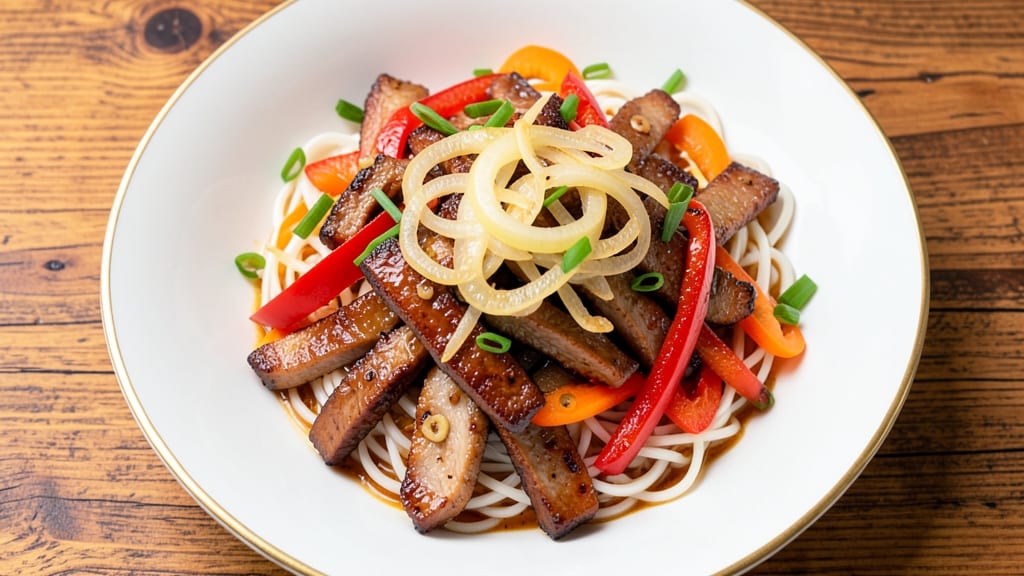
This pork chop suey recipe delivers the smoky, savory wok-fried experience you crave with tender pork, crisp vegetables, and perfectly chewy noodles. I developed it after years of perfecting stir-fry timing—where the protein stays juicy and veggies achieve that signature wok-hei char without drying out. The secret lies in high-heat searing and a balanced sauce that coats every bite without overpowering.
What sets this version apart is the foolproof technique for achieving restaurant-quality texture at home. Thinly sliced pork cooks in batches to maintain tenderness, while vegetables are prepped to different doneness levels so they finish simultaneously.
The sauce—a blend of soy, oyster, and a touch of honey—adds depth without masking the natural flavors, creating that perfect sweet-savory balance.
By the time you plate this dish, you'll have a vibrant stir-fry with tender pork, crisp-tender vegetables, and chewy noodles all coated in a glossy, aromatic sauce. The aroma alone will have everyone at the table asking for seconds.
This recipe serves four and comes together in under 30 minutes—ideal for weeknight dinners that feel like a special occasion.
Serve it over steamed rice for a complete meal, or keep it as-is for a satisfying noodle bowl. The technique works equally well with chicken or shrimp if you prefer variety. Here's how to make it—step by step, just as I do in my test kitchen.
Ingredients for pork chop suey
Pantry staples meet wok-fried magic for this restaurant-style pork chop suey.
| Ingredient | Amount | Notes |
|---|---|---|
| Boneless Pork Loin 🥩 | 1 ½ lb | Thinly sliced against grain |
| Egg Noodles 🍜 | 8 oz | Fresh or dried, any width |
| Carrots 🥕 | 2 medium | Julienned into matchsticks |
| White Onion 🧅 | 1 medium | Thinly sliced into half-moons |
| Green Bell Pepper 🌶️ | 1 whole | Sliced into thin strips |
| Garlic Cloves 🧄 | 4 cloves | Minced finely |
| Fresh Ginger 🌿 | 1 inch | Julienned or finely grated |
| Soy Sauce 🍶 | ½ cup | Light or all-purpose |
| Oyster Sauce 🍲 | 2 tbsp | High-quality preferred |
| Honey 🍯 | 1 tbsp | For balancing flavors |
| Vegetable Oil 🫒 | ½ cup | High smoke point |
| Sesame Oil 🌱 | 1 tsp | For aroma finish |
| Salt 🧂 | 1 tsp | Kosher or sea salt |
| Black Pepper 🌶️ | ½ tsp | Freshly ground |
The pork is everything here—boneless loin stays juicy when sliced thin, and Costco or local butchers often have it pre-cut for stir-fries. Look for even slices about 1/8-inch thick. If you can't find pre-sliced, freeze the meat for 20 minutes before slicing for cleaner cuts. The carrots and bell pepper should be crisp—no rubbery veggies here. Trader Joe's has great pre-cut stir-fry veggies if you're short on time, but fresh julienned is always better. Fresh ginger? Peel and julienne it yourself—pre-grated loses its punch fast.
No oyster sauce? Hoisin sauce plus a splash of soy works in a pinch, but trust me on the real stuff. The honey balances the saltiness—substitute maple syrup if you're avoiding it. For the noodles, fresh egg noodles are ideal, but dried works too (just cook them al dente). Short on bell pepper? Substitute snap peas or broccoli florets—they hold up well to stir-frying. The sesame oil is non-negotiable for that authentic aroma, but use sparingly—it's potent stuff. And if you're feeling fancy, toasted sesame seeds on top take it to the next level.
This dish reheats beautifully—just add a splash of water and stir. Keeps in the fridge for 4-5 days, freezes for 3 months if you portion it right. I like to store the sauce separately so I can drizzle it fresh when serving. The noodles soften when reheated, so they're best eaten fresh. Double the sauce if you're freezing—it gets absorbed into the noodles over time. And if you're making this for a crowd, use a wok or large skillet—crowding the pan steams the veggies instead of searing them.
Why You'll Love This Recipe
- One-Pan Magic: I swear by this recipe because it’s actually one-pan—no chopping boards, no extra pots. Toss the pork, veggies, and noodles together, stir-fry until the onions caramelize just right, and boom. Done. (Yes, even on a Tuesday night when I’m too tired to wash another dish.)
- Craving-Worthy Crunch: That perfect texture—tender pork with a slight bite, crisp-tender carrots and bell peppers, all wrapped in a savory-soy glaze—is ridiculously satisfying. Honestly, my kids fight over the last bite, and I don’t even add weird sauces.
- Meal Prep MVP: Make a big batch on Sunday, and you’ve got lunch covered for days. The noodles stay al dente, the pork reheats like it’s fresh, and the veggies? Still bright. (Between us, this is my secret weapon for busy weeks.)
- Budget-Friendly Powerhouse: Pork loin stretches far, and the veggies are cheap staples. I’ve fed four people for under $15, and no one ever complains. Leftovers? Even better tomorrow—just add a fried egg on top, and suddenly it’s a whole new meal.
Step-by-step instructions for wok-fried noodles with tender pork and crisp veggies
Here's how to achieve perfectly tender pork and crisp-tender veggies in this classic stir-fry.
Prep and Marinate the Pork
Slice the 1.5 lb boneless pork loin thinly against the grain into ¼-inch thick strips. This ensures the pork cooks quickly and stays tender. Place the sliced pork in a bowl and add the 0.5 cup soy sauce, 2 tbsp oyster sauce, and 1 tbsp honey. Mix well to coat completely, then let it marinate for at least 20 minutes (up to 4 hours in the fridge for deeper flavor). The marinade will tenderize the meat and create that signature savory-sweet balance.
While the pork marinates, julienne the 2 medium carrots into matchsticks, slice the 1 medium white onion into half-moons, and cut the 1 whole green bell pepper into thin strips. Finely mince the 4 cloves garlic and julienne the 1 inch fresh ginger. Keep all prepped ingredients in separate bowls until ready to use. This prep work ensures everything cooks evenly and quickly in the wok.
Cook the Pork to Perfect Tenderness
Heat 0.25 cup vegetable oil in a large wok or skillet over medium-high heat until shimmering. Add the marinated pork in a single layer and let it sear undisturbed for 1-2 minutes until the edges turn opaque. Stir-fry for another 2-3 minutes until the pork is 80% cooked—it should still have a slight pink center. Remove the pork and set it aside on a plate.
This partial cooking prevents overcrowding the wok later, which would steam the pork instead of searing it. The pork will finish cooking when combined with the veggies, ensuring it stays juicy and tender. Don't skip this step—overcooking here leads to dry, chewy pork.
Stir-Fry the Vegetables
In the same wok, add another 0.25 cup vegetable oil and increase heat to high. Add the white onion and stir-fry for 1 minute until softened but not browned. Add the carrots and green bell pepper, and stir-fry for 2-3 minutes until the carrots begin to soften but still retain some crunch. Push the veggies to one side of the wok and add the garlic and ginger, stirring for 30 seconds until fragrant.
Here's the thing—vegetables release moisture as they cook, so don't overcrowd the wok. If the veggies look crowded, cook them in batches. The goal is to maintain high heat for that classic wok-fried texture. You'll know they're ready when the carrots are tender-crisp and the peppers have just started to soften.
Combine and Finish the Dish
Return the pork to the wok and add the 8 oz egg noodles. Toss everything together for 1-2 minutes until the noodles are heated through and coated in the pork mixture. Drizzle with 1 tsp sesame oil and season with 1 tsp salt and 0.5 tsp black pepper. Taste and adjust seasoning—you may need a splash more soy sauce if it's not savory enough.
The sesame oil adds a subtle nutty aroma that elevates the dish. If the noodles seem dry, add a splash of water or a little more vegetable oil to loosen everything up. Serve immediately while the pork is still tender and the veggies retain their crisp texture. This dish tastes best straight from the wok!
Pro Tips For Making Pork Chop Suey
- CUT PORK THINLY: Skip the thick slices—this isn’t a steakhouse. Aim for ¼-inch pieces or thinner, and slice against the grain for tenderness. I learned this the hard way when my first batch came out chewy, like someone forgot to thaw it properly.
- SWEAT ONIONS LOW: After searing the pork, push the pan to the back and reduce heat to medium-low for the onions. They’ll caramelize without burning, adding depth that high heat ruins. (Yes, even if you’re impatient like me.)
- DON’T OVERCOOK THE PEPPERS: Bell peppers soften fast—add them last, just 2 minutes before serving. Overcook them, and they turn mushy, stealing the dish’s crunch. Think of them as the diva of the veggies.
- USE COLD NOODLES: Drain the egg noodles, rinse with cold water, and toss with a splash of oil before adding to the pan. This stops them from turning to glue the second they hit the hot wok. (Your future self will thank you.)
Common mistakes when making great pork chop suey
Overcrowding the Wok
This is the #1 mistake I see in home kitchens—packing too much into the wok at once. When you crowd the pan, the veggies steam instead of sear, losing that crisp texture we all love.
The pork also releases moisture, turning your stir-fry into a soggy mess. Instead, cook proteins and veggies in batches, giving each component space to develop that signature wok-hei flavor. 🔥
I learned this the hard way when I first tried making chop suey—my first batch looked more like mushy noodles than a restaurant-quality dish. Now I keep my wok at high heat and work in small batches, especially with the pork.
If your wok isn't big enough, cook the veggies first, then add the pork back in at the end.
Skipping the Marinate
Rushing the marinade is a recipe for dry pork. The 20-minute minimum (or up to 4 hours in the fridge) isn't just about flavor—it's about tenderness. The acidity in soy sauce breaks down muscle fibers, while the honey helps retain moisture.
I once made chop suey with unmarinated pork, and it turned out tough and chewy. Trust the process—your taste buds will thank you. 💫
Pro tip: If you're short on time, slice the pork ¼-inch thick against the grain and let it sit in the marinade while you prep the veggies. Even 10 minutes makes a difference in texture.
And if you're using frozen pork, thaw it first—frozen meat releases moisture as it cooks, making it even more prone to drying out.
Low Heat Cooking
Medium or low heat is the enemy of wok-fried perfection. When you cook at lower temperatures, the pork and veggies absorb oil instead of developing that crisp exterior. The key is maintaining high heat throughout the cooking process—your wok should be smoking slightly when you add ingredients.
I use a 14-inch carbon steel wok (like the one from Made In) because it heats up fast and retains heat better than stainless steel.
If your stove doesn't get hot enough, preheat your wok over the flame for 2-3 minutes before adding oil. And keep a spray bottle of water nearby—if the oil starts smoking excessively, add a splash to calm it down. The goal is a controlled sear, not a grease fire. 💡
Ignoring Cook Times
Every ingredient in chop suey has its own ideal doneness level, and mixing them up at the wrong time ruins the texture balance. Carrots should be tender-crisp, bell peppers just starting to soften, and pork fully cooked but still juicy.
The trick is to cook the pork first to 80% doneness, then finish it with the veggies. I pull the pork out when it's still slightly pink in the center—it'll finish cooking when everything comes together.
Vegetables cook at different rates, so prep them to similar sizes (like julienned carrots and bell pepper strips). If you're unsure about timing, cook the harder veggies (like carrots) first, then add the softer ones (like bell peppers) later. And always taste as you go—adjust seasoning before serving, not after.
Using the Wrong Oil
Not all oils are created equal for stir-frying. Vegetable oil has a high smoke point (around 400°F), making it ideal for wok cooking. Olive oil, with its lower smoke point and strong flavor, burns easily and can make your dish taste bitter.
I stick to avocado or peanut oil for even higher heat tolerance, but vegetable oil works perfectly fine for home cooks.
Sesame oil deserves special mention—it's for finishing, not cooking. Add just 1 tsp at the very end to enhance aroma, not to sear. And never use it for initial cooking—its low smoke point means it'll burn before you even start stir-frying.
The same goes for butter or coconut oil—they're delicious but not wok-friendly.
Nutrition facts
Frequently asked questions
Can I use chicken or shrimp instead of pork in this recipe?
This stir-fry technique works perfectly with chicken breast or shrimp. For chicken, slice it ¼-inch thick and marinate for 15-20 minutes—it cooks faster than pork. Shrimp should be peeled, deveined, and tossed with the sauce for just 1-2 minutes (they cook in seconds!). Just reduce the cooking time by half when combining with veggies.
How do I make this dish vegetarian?
Swap the pork for extra-firm tofu (pressed and cubed) or mushrooms (shiitake or oyster). Marinate the tofu in the same sauce for 20 minutes before stir-frying, and cook it first until golden. For mushrooms, slice them thin and add them with the onions. Use vegetable broth instead of pork marinade if needed. The veggie version still packs bold flavor!
What's the best way to store leftovers?
Store in an airtight container in the fridge for up to 4-5 days. Reheat gently in a skillet with a splash of water or oil to restore crispiness. For freezing, portion the sauce separately and freeze the noodles and veggies for up to 3 months. Thaw overnight in the fridge before reheating. Pro tip: Keep the sesame oil separate until reheating to preserve its aroma.
Can I make this gluten-free?
Yes! Use tamari or coconut aminos instead of soy sauce, and check your oyster sauce for gluten (some brands are gluten-free). For extra umami, add 1 tbsp gluten-free fish sauce to the marinade. All other ingredients in this recipe are naturally gluten-free. Always verify labels, especially on sauces.
Why does my pork chop suey turn out soggy?
Overcrowding the wok is the #1 cause. Cook proteins and veggies in small batches to maintain high heat. Also, avoid adding noodles too early—they absorb moisture. If your dish seems dry, add 1 tsp sesame oil or a splash of water at the end. And never cover while cooking—steam is the enemy of crisp veggies!