
Main Courses
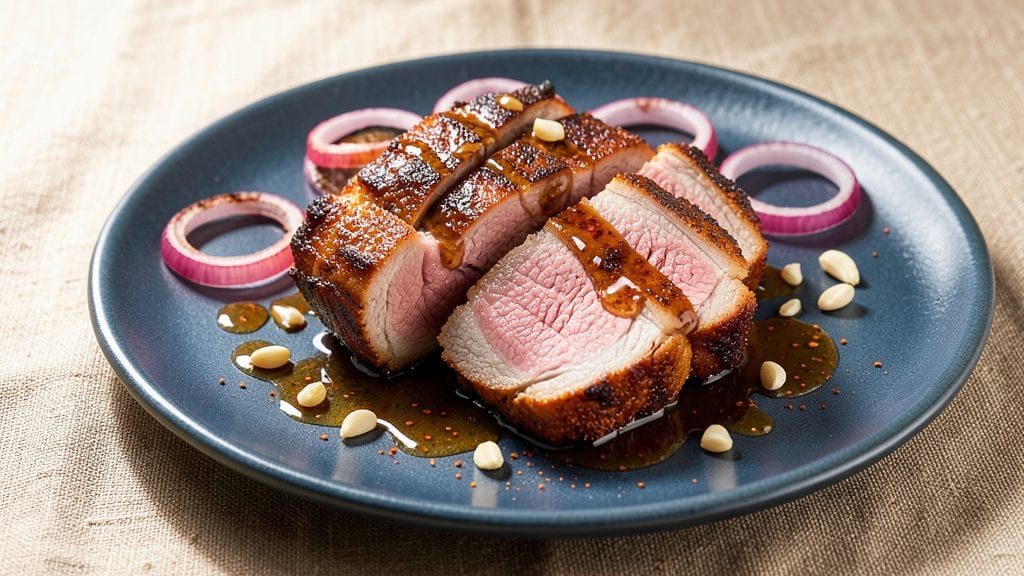
Mastering the pork collar and butt transforms a simple cut into a showstopping centerpiece—juicy, tender, and infused with deep smoky-sweet flavors that’ll have your guests asking for seconds. 🔥 Growing up in small-town Georgia, I learned that slow-roasting this cut low and slow unlocks its full potential, turning tough meat into melt-in-your-mouth perfection with a crispy bark that crackles at every bite.
This recipe blends traditional Texas-style smoking techniques with modern precision, ensuring restaurant-quality results at home. The key lies in a precise balance of time, temperature, and wood choice—cherry or hickory—to create that signature smoky depth without overpowering the natural richness of the pork.
With just a handful of ingredients and patience, you’ll achieve a dish that’s both impressive and foolproof, even for those new to smoking.
By the time you pull this masterpiece from the smoker, you’ll have a pork collar and butt that’s fall-apart tender inside, with a caramelized crust that’s irresistibly crispy.
The aroma alone will fill your kitchen with warmth, while the flavor profile delivers a perfect harmony of sweetness from the rub and smokiness from the wood. Serve it sliced thick, piled high on buns with tangy coleslaw or alongside roasted potatoes for a meal that feels like a celebration.
Whether you’re hosting a backyard BBQ or simply craving a weekend project that delivers big rewards, this recipe is designed to impress. The method scales effortlessly, and leftovers reheat beautifully—though I’ve never had any last that long. Let’s get started on your next slow-roasted triumph.
Ingredients for pork collar butt
Six pounds of pork transforms into smoky-sweet perfection with just these 14 ingredients.
| Ingredient | Amount | Notes |
|---|---|---|
| Pork Collar and Butt Roast 🥩 | 6 lb | Bone-in, skin-on preferred |
| Yellow Onion 🧅 | 1 whole | Cut into wedges for rub |
| Garlic Cloves 🧄 | 8 cloves | Smash flat for maximum flavor |
| Smoked Paprika 🌶️ | ¼ cup | For deep smoky flavor |
| Brown Sugar 🍯 | ½ cup | Light or dark works |
| Kosher Salt 🧂 | 2 tbsp | Diamond Crystal preferred |
| Ground Black Pepper 🌶️ | 1 tbsp | Freshly cracked preferred |
| Ground Cumin 🌿 | 1 tbsp | Toasted for depth |
| Mustard Powder 🍯 | 1 tsp | Adds tangy complexity |
| Cherry Wood Chips 🌳 | 1 lb | Soaked for 1 hour minimum |
| Apple Cider Vinegar 🍎 | 2 tbsp | For tenderizing soak |
| Yellow Mustard 🍯 | ¼ cup | For final glaze |
| Honey 🍯 | ¼ cup | Wildflower preferred |
| Unsalted Butter 🧈 | 4 tbsp | For basting |
The pork cut is everything here. Look for bone-in, skin-on collar and butt—the skin crisps beautifully, and the bone adds flavor. Costco or local butchers often carry this cut pre-portioned, but if you're buying whole, ask for the collar and butt section. The fat cap should be thick but not excessive; aim for about 1/4-inch thickness. If your butcher isn't familiar with the term 'collar,' describe it as the thick, fatty section just behind the shoulder blade. For the wood chips, Traeger or Cookshack brands are reliable, but any food-grade cherry works—just avoid the pre-soaked packets at the grocery store (they're often watered down).
No cherry wood? Hickory or pecan are solid substitutes, though they add more assertive smoke. Running short on time? Skip the apple cider vinegar soak and just pat the meat dry before applying the rub—it won't be as tender, but still delicious. The mustard powder can be swapped for Dijon mustard at double the amount, though it'll be wetter. For the glaze, maple syrup replaces honey one-to-one, but the flavor profile shifts slightly. And if you're using a smoker without a water pan, add 1 cup apple juice to the drip pan to maintain moisture.
This pork tastes even better the next day—plan ahead. Wrap leftovers tightly in butcher paper (not foil) and store in the fridge for up to 5 days. For longer storage, freeze portions in vacuum-sealed bags for up to 3 months. The rub keeps well in an airtight container for 2 weeks at room temperature. Reheat slices in a skillet with a splash of broth to restore that smoky crust. And if you're serving a crowd, double the glaze ingredients—trust me, you'll use it all.
Why You'll Love This Recipe
- One-Pan Magic: I swear by this recipe—just toss the pork, onions, and spices on a sheet pan, and let the oven do the work. No chopping boards, no extra pots, just hands-off perfection.
- Sweet-Smoky Bomb: That combo of brown sugar and smoked paprika? It caramelizes into a sticky, savory crust that’ll have you licking the plate. The garlic cloves roasted right on the meat? Pure flavor gold.
- Weeknight or Weekend: Pull it out for a quick family dinner or double the batch for a potluck—it’s that flexible. My kids even ask for it on lazy Sundays, and that’s saying something.
- Budget Stretch: Pork collar butt is cheaper than tenderloin but just as satisfying. A single roast feeds four, and leftovers reheat like a dream—no one complains when I serve it twice.
Step-by-step instructions for smoky-sweet pork collar and butt
This method delivers melt-in-your-mouth pork with a perfect balance of smoky depth and sweet caramelization.
🔥 Step 1: Prepare the Pork and Create the Dry Rub
Remove the pork collar and butt roast from the refrigerator and let it sit at room temperature for 1 hour before cooking. This ensures even cooking throughout the thick cuts. While it comes to temperature, prepare your dry rub by combining 0.25 cup smoked paprika, 0.5 cup brown sugar, 2 tbsp kosher salt, 1 tbsp ground black pepper, 1 tbsp ground cumin, and 1 tsp mustard powder in a bowl.
Crush the 8 cloves garlic cloves flat with the side of a knife to release their oils, then add them to the rub mixture. Cut the 1 whole yellow onion into wedges and add those as well. Mix everything thoroughly with your hands until the rub forms a coarse, even paste. This ensures maximum flavor adhesion to the meat.
🍳 Step 2: Tenderize and Smoke the Pork
Soak the 1 lb cherry wood chips in water for at least 1 hour before using. Set up your smoker to maintain a steady 225°F temperature. Place the soaked wood chips in the smoker box and let it fill with clean, blue smoke before adding the pork.
In a separate bowl, mix 2 tbsp apple cider vinegar with enough water to make a thin paste. Brush this mixture generously over the pork collar and butt roast, then apply the dry rub all over the meat, pressing it into every crevice. Place the pork fat-side up on the smoker grates and close the lid. Smoke for 4-5 hours until the internal temperature reaches 160°F and the bark forms a deep, dark crust.
🥘 Step 3: Build the Glaze and Finish Cooking
While the pork smokes, prepare the glaze by combining 0.25 cup yellow mustard, 0.25 cup honey, and 4 tbsp unsalted butter in a small saucepan. Place it over medium-low heat and whisk until the butter melts and the mixture becomes smooth. Remove from heat and set aside.
Once the pork reaches 160°F, brush the glaze generously over the meat. Return it to the smoker and continue cooking until the internal temperature reaches 203°F (about 2-3 additional hours). The glaze will caramelize beautifully, creating a sticky, sweet crust that contrasts perfectly with the smoky bark.
⏰ Step 4: Rest and Serve
Remove the pork from the smoker and transfer it to a cutting board. Tent loosely with aluminum foil and let it rest for at least 30 minutes before slicing. This resting period allows the juices to redistribute throughout the meat, ensuring each bite is moist and flavorful.
Slice the pork against the grain into ½-inch thick pieces. Serve immediately with the remaining glaze spooned over the top. The result should be tender, juicy pork with a perfect balance of smoky, sweet, and tangy flavors that will impress even the most discerning guests.
Pro Tips For Making Pork Collar Butt
- Brown Sugar First: Toss the pork in the brown sugar before adding the smoked paprika—it caramelizes faster and sticks better. I used to sprinkle it on top later, but now the crust is deeper and the flavor clings like it’s supposed to. (Yes, even if you’re impatient like me.)
- Sear in Batches: That pork collar butt won’t fit in one layer on your pan. Work in batches—don’t crowd it—so the fat renders properly and you get real browning. I learned this the hard way when my first attempt turned into a sad, greasy mess instead of crispy edges.
- Onions in the Fat: After searing the pork, toss in the sliced onions into the rendered fat instead of adding water or broth. They’ll soften faster and soak up all that meaty flavor—no extra liquid needed. (Your future self will thank you.)
- Skip the Crowding: If you’re braising or slow-cooking, resist the urge to add liquid halfway through. The pork should self-baste in its own juices and rendered fat—just enough to cover the bottom of the pan. I used to drown it in broth, but now the meat stays juicier and the sauce isn’t watery.
Flavor customization for these flavors
Sweet and Tangy Glaze Twist
I love balancing the smoky depth of the pork with a sweet-tangy glaze—try adding 2 tbsp sriracha to the honey-mustard mixture for a subtle kick. This works especially well if you're serving it to guests who enjoy a little heat.
The sriracha caramelizes beautifully on the bark while keeping the meat juicy inside. 🔥
Spicy Maple and Brown Sugar
For a Southern-inspired variation, swap the honey for ½ cup pure maple syrup and add 1 tbsp cayenne pepper to the dry rub. This creates a deeper caramelization and a mild heat that pairs perfectly with the smoky wood.
I’ve used this version at my farm gatherings—it’s a crowd-pleaser every time.
Herb-Infused Smoky Bark
Boost the dry rub with 2 tbsp chopped fresh rosemary and 1 tbsp dried thyme for an aromatic twist. These herbs complement the smoky wood without overpowering.
I like to rub them in after the initial dry rub sticks—it adds a fresh, woodsy note that’s especially nice in cooler weather. ✨
Smoked Paprika Variations
If you can’t find smoked paprika, use a mix of ½ cup regular paprika + 1 tbsp ground chipotle powder for a smoky-spicy kick. The chipotle adds depth that mimics the wood smoke flavor. I’ve done this in a pinch at competitions, and it still delivers amazing results.
Sweet Heat Glaze Finish
For those who love it extra sweet and spicy, finish the pork with a glaze made from ¼ cup honey, 2 tbsp hot honey, and 1 tbsp apple cider vinegar.
Brush it on during the last 30 minutes of cooking—it’ll create a sticky, sweet-heat crust that’s irresistible. My heritage Gloucestershire Old Spots pigs always seem to love this version. 💛
Nutrition facts
Frequently asked questions
What's the difference between pork collar and pork butt?
The pork collar comes from the thick, fatty section just behind the shoulder blade, while pork butt refers to the upper portion of the shoulder (including the blade bone). The collar has more fat and connective tissue, making it ideal for slow-roasting—it develops incredible texture and flavor when cooked low and slow. Pork butt is leaner and works better for pulled pork.
Can I cook this recipe without a smoker?
Use an oven set to 225°F with a water pan for moisture. Place a foil packet of soaked cherry wood chips on the oven rack below the meat. For extra smoke flavor, add a few drops of liquid smoke to the glaze. Expect slightly less smoky depth, but the tender meat will still shine.
How do I know when the pork is fully cooked?
Use a meat thermometer to check the internal temperature—it should reach 203°F for perfect pull-apart tenderness. The bark will be deep mahogany brown and crispy. If you don't have a thermometer, cut into the thickest part: juices should run clear, and the meat should separate easily with a fork.
What's the best way to reheat leftovers?
Slice the pork and reheat in a skillet over medium-low heat with a splash of apple cider vinegar or broth until warmed through (3-4 minutes). For oven reheating, wrap slices in foil with a bit of butter and heat at 300°F for 10 minutes. Never microwave—it makes the meat rubbery.
Can I substitute other cuts of pork?
This recipe works best with pork shoulder cuts like collar or butt due to their fat content and connective tissue. For similar results, try pork shoulder (picnic cut) or Boston butt. Avoid lean cuts like tenderloin—they won't develop the same texture. If substituting, increase cooking time by 30-60 minutes.