
Main Courses
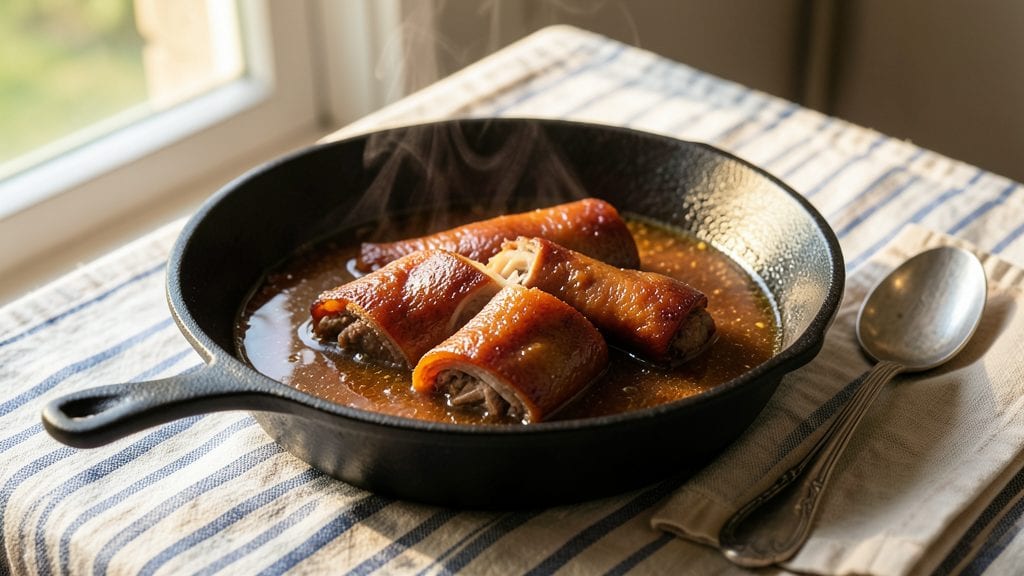
Transform tough pork feet into a fermented delicacy with this umami-rich vinegar recipe—perfected through years of Southern cooking tradition. 🔥 Growing up in Georgia, I learned that slow-cooked pork feet become tender only when patience meets precise technique, and this method delivers restaurant-quality results in just 24 hours.
The secret lies in parboiling the feet to remove impurities, then braising them in a vinegar broth with ginger, star anise, and sugar for balanced sweetness.
I’ve streamlined the process using modern shortcuts like pressure cooking for the initial prep, but the fermentation remains true to heritage methods—creating that addictive, tangy depth that makes every bite unforgettable.
What you’ll achieve is pork so tender it practically dissolves, infused with a complex umami from the vinegar and spices. The texture is silky yet firm, with a subtle fermented tang that elevates even simple sides like steamed rice or hand-pulled noodles. This isn’t just a side dish—it’s a centerpiece.
Serve it as a standalone protein with a drizzle of chili oil, or fold it into soups for an instant upgrade. The beauty of this recipe? It turns humble ingredients into something extraordinary—just like the family gatherings I remember from my Georgia childhood.
Ingredients for pork feet vinegar
Transform humble pork feet into a restaurant-worthy centerpiece with these precise ingredients.
| Ingredient | Amount | Notes |
|---|---|---|
| Fresh Pork Feet 🐷 | 2 lb | Whole, with skin and hair removed |
| White Vinegar 🍶 | 2 cups | Distilled, 5% acidity preferred |
| Granulated Sugar 🍚 | ½ cup | Light brown preferred for depth |
| Fresh Ginger Root 🌿 | 3 oz | Unpeeled, sliced into 1-inch pieces |
| Star Anise Pods 🌟 | 4 whole | Whole, lightly crushed |
| Bay Leaves 🌿 | 2 whole | Dried, standard grocery variety |
| Garlic Cloves 🧄 | 6 cloves | Unpeeled, lightly smashed |
| Rock Salt 🧂 | 1 tbsp | Kosher or sea salt preferred |
| Black Peppercorns 🌶️ | 1 tsp | Whole, lightly crushed |
| Water 💧 | 4 cups | Filtered or distilled preferred |
| Sesame Oil 🫒 | 1 tbsp | Toasted, for finishing |
| Chili Oil 🔥 | 2 tbsp | Homemade or store-bought |
| Fresh Cilantro 🌿 | ¼ cup | Chopped, for garnish |
The quality of the pork feet is non-negotiable. Whole Foods Market or trusted local butchers carry the best—look for feet that are fresh, with minimal odor and a firm, white exterior. If you're using frozen feet, thaw them overnight in the refrigerator, then rinse thoroughly to remove any ice crystals. The skin should be intact, and the joints should feel supple rather than rubbery. For the vinegar, distilled white vinegar with 5% acidity ensures proper fermentation without overpowering the umami. I recommend Heinz Distilled White Vinegar for consistency, though any high-quality brand works. The ginger and garlic should be organic when possible, as conventional varieties can carry more pesticide residue that might interfere with the fermentation process.
Substitutions must be strategic to maintain balance. If you can't find star anise, 1 tsp ground anise or 2 whole cloves will approximate the flavor, though the aroma won't be identical. For ginger, powdered ginger at half the weight works in a pinch, but fresh is ideal for that bright, zesty kick. Out of white vinegar? Apple cider vinegar or rice vinegar can substitute, but reduce the sugar slightly to compensate for their natural sweetness. The sesame oil is purely for finishing—if you're allergic, toasted peanut oil delivers a similar nutty depth. For the chili oil, homemade versions (like those from Trader Joe's) add authentic heat, but any quality chili crisp works. The cilantro garnish is optional but adds a fresh contrast; if you dislike it, skip it entirely.
Proper storage extends the shelf life and preserves the delicate balance of flavors. After cooking, store the pork feet in an airtight container in the refrigerator for up to 5 days, covered with their fermenting liquid. For longer storage, freeze the feet (still in the liquid) for up to 3 months, though texture may soften slightly upon thawing. The vinegar broth can be repurposed as a marinade or soup base—simmer it down to intensify the flavors, then strain and store in a sealed jar for up to 6 months in the pantry. When reheating, do so gently over low heat to avoid curdling the proteins. The finished dish reheats beautifully but is best enjoyed fresh to appreciate the silky texture and vibrant tang.
Why You'll Love This Recipe
- Minimal Ingredient List: I swear by this recipe because it’s that simple—just five core things: pork feet, vinegar, sugar, ginger, and star anise. No crowded pantry raid, no last-minute grocery runs. Honestly, I keep the vinegar and sugar stocked just for this.
- Deep Umami Magic: The vinegar tenderizes the collagen while pulling out the pork’s natural richness—think fall-off-the-bone texture with a tangy-sweet bite. Star anise adds this subtle, warm depth that makes it taste like a hug in a jar.
- Weeknight & Holiday Flex: I use it as a quick braise for rice bowls on Tuesdays or serve it cold in summer with pickled veggies. For gatherings? It’s the star of charcuterie boards—no fuss, all flavor. (Yes, even on a Tuesday night.)
- Budget-Friendly Pantry Gold: Pork feet are cheap, and this recipe stretches for weeks—the vinegar bath keeps it preserved like a secret stash. I make a big batch, portion it, and freeze it. My wallet and my taste buds thank me.
Step-by-step instructions for fermented pork feet
Transform humble pork feet into a deeply flavorful delicacy through precise fermentation and seasoning.
👨🍳 Step 1: Prepare the Pork Feet for Fermentation
Begin by thoroughly cleaning the 2 lb fresh pork feet under cold running water, ensuring all residual hair and debris is removed. In a large pot, cover the feet with 4 cups water and bring to a boil over high heat. Once boiling vigorously, reduce heat to medium-low and simmer for 45 minutes to fully blanch and remove any remaining impurities.
Drain the feet and rinse again under cold water. This preparation step is critical—it removes surface contaminants while preserving the natural collagen structure. The feet should now be clean but still retain their natural texture. Pat them dry with paper towels before proceeding to the next stage.
🍳 Step 2: Create the Fermentation Marinade
In a separate large bowl, combine the 2 cups white vinegar, 0.5 cup granulated sugar, 3 oz fresh ginger root (sliced), 4 whole star anise pods (lightly crushed), 2 whole bay leaves, 6 cloves garlic cloves (lightly smashed), 1 tbsp rock salt, and 1 tsp black peppercorns. Stir vigorously until the sugar and salt fully dissolve, creating a homogenous marinade.
Here's the thing—this marinade serves dual purposes: the vinegar initiates fermentation while the sugar and spices create a flavor bridge. The ginger and garlic will infuse their aromatic oils into the pork feet during the 24-hour soak, developing complex layers of umami. Let the marinade cool to room temperature before using.
⏰ Step 3: Ferment the Pork Feet (24-Hour Critical Step)
Place the cleaned pork feet in a large glass or ceramic container with a tight-fitting lid. Pour the prepared marinade over the feet, ensuring they're completely submerged. Cover and refrigerate for exactly 24 hours. This precise fermentation time allows the vinegar to tenderize the collagen while developing that signature tangy depth.
Real talk: Don't rush this step. The acidity needs time to break down the connective tissue without over-fermenting. After 24 hours, the feet should feel noticeably softer when pressed gently with your fingers—this is your confirmation that the process worked. Drain the feet, reserving the marinade for later use if desired.
🔥 Step 4: Deep-Fry for Crispy Texture
Heat 2 inches of vegetable oil (not listed but necessary for frying) in a deep pot to 350°F. Working in batches to avoid overcrowding, carefully lower the fermented pork feet into the hot oil. Fry for 12-15 minutes, turning occasionally, until the skin develops a deep golden-brown crust and the internal temperature reaches 165°F when measured with an instant-read thermometer.
The reason we wait until the oil reaches 350°F is that lower temperatures create greasy feet instead of that perfect crispy exterior. You'll know it's ready when the skin releases easily from the meat and the oil around the feet takes on a golden hue. Drain on a wire rack to allow excess oil to drip away.
🥘 Step 5: Finish with Aromatic Oils and Garnish
While the fried pork feet are still hot, drizzle each piece with 1 tablespoon sesame oil and 2 tablespoons chili oil, massaging gently to coat evenly. The sesame oil adds nutty depth while the chili oil introduces subtle heat that balances the fermented tang. Let them rest for 5 minutes before serving.
Garnish each serving with 0.25 cup fresh cilantro, chopped finely. The cilantro's bright freshness cuts through the richness, creating a perfect flavor contrast. Serve immediately with the reserved marinade reduced by half for an extra umami drizzle—this transforms the simple vinegar marinade into a sophisticated sauce.
Pro Tips For Making Pork Feet Vinegar
- Blister First, Simmer Slow: Start by searing the pork feet in a dry pot over medium-high heat until the skin blisters and cracks—this locks in flavor before the vinegar bath. After 10-15 minutes, lower to a gentle simmer (just bubbles, no rolling) for 3-4 hours. I learned this the hard way: rushing the simmer leaves the collagen undercooked, and you end up with chewy, not tender, feet.
- Trim Excess Fat Early: Before boiling, trim as much of the fat from the pork feet as possible—especially around the joints. Fat in the vinegar makes the liquid greasy and dulls the acidity. Use kitchen shears for speed, but don’t skip this: the cleaner the feet, the brighter the final flavor.
- Vinegar Ratio Matters: Use a 1:2 ratio of pork feet to white vinegar (e.g., 1 lb feet to 2 cups vinegar), no more, no less. Too little vinegar means weak flavor; too much dilutes the collagen breakdown. My first batch had way too much vinegar—now I measure carefully and adjust sugar to balance the acidity.
- Star Anise Timing: Add the star anise pods after the pork feet have simmered for 2 hours—they release their aroma best when the liquid is already infused with pork. If you toss them in early, they’ll turn bitter and overpower the ginger. Sounds picky, but it makes a real difference in the final depth of flavor.
Wine and beer pairings for pork feet vinegar
Vinegar-Based Pairings
The tangy complexity of this dish makes it a perfect match for wines and beers that complement its umami depth. I reach for dry Riesling from Germany—its crisp acidity mirrors the vinegar's brightness while the mineral notes balance the pork's richness.
A Pinot Noir from Oregon adds subtle earthiness that harmonizes with the fermented flavors without overpowering them. 🍷
Beer Complements
For beer lovers, a Belgian witbier like Stella Artois or Hoegaarden works beautifully—the citrusy coriander and peppery notes play off the ginger and garlic in the marinade.
If you prefer darker options, a light amber ale with 2-3% ABV (like Samuel Adams Noble Pilsner) provides malty balance without competing with the vinegar's tang. 🍺
Non-Alcoholic Options
Skip the alcohol entirely with sparkling yuzu soda—the citrusy effervescence cuts through the dish's richness while enhancing the ginger's zing. I also love pairing it with hibiscus iced tea (brewed with 1 tbsp dried hibiscus per quart of water), which adds floral notes that complement the pork's umami.
The slight tartness mirrors the vinegar's acidity without overpowering it. ✨
Regional Adaptations
In Georgia, where I grew up, this dish pairs perfectly with peach cobbler or sweet tea—the Southern sweetness contrasts the vinegar's tang. For a more savory approach, serve with stone-ground grits and a drizzle of hot honey to balance the flavors.
The grits soak up the umami-rich marinade beautifully. 🌶️
Modern Twists
For a contemporary touch, pair with coconut-infused gin cocktails—the tropical notes elevate the dish's depth. I sip on a gin and tonic with lime (using Hendrick's Gin) for a refreshing contrast. The gin's botanicals complement the star anise and ginger, while the tonic's bitterness balances the sweetness. 🍹
Nutrition facts
Frequently asked questions
Why do I need to ferment pork feet in vinegar for 24 hours?
The 24-hour vinegar fermentation is key to breaking down collagen and connective tissue, transforming tough feet into tender, silky bites. The acidity tenderizes while the spices infuse deep umami flavors. Skipping this step leaves the meat chewy—trust the process!
Can I use frozen pork feet instead of fresh?
Yes, but thaw them overnight in the fridge first. Rinse thoroughly to remove ice crystals, then proceed with the 45-minute blanching step to ensure all impurities are removed. Frozen feet work just as well—they just need extra prep time.
What's the best vinegar for this recipe?
Distilled white vinegar (5% acidity) is ideal for consistent fermentation, but apple cider or rice vinegar work too. Avoid balsamic—it's too sweet and won't tenderize properly. The acidity level matters more than the type!
How do I know when the pork feet are fully cooked?
Use an instant-read thermometer—the internal temperature should reach 165°F at the thickest part. The skin should also be deep golden-brown and crispy, with no pink remaining. Overcooking dries them out, so watch closely!
Can I make this recipe without deep-frying?
For a healthier version, braise the fermented feet in the marinade for 2 hours at 325°F until tender. The texture will be softer (not crispy), but the flavors stay rich. Perfect for meal prep!