
Main Courses
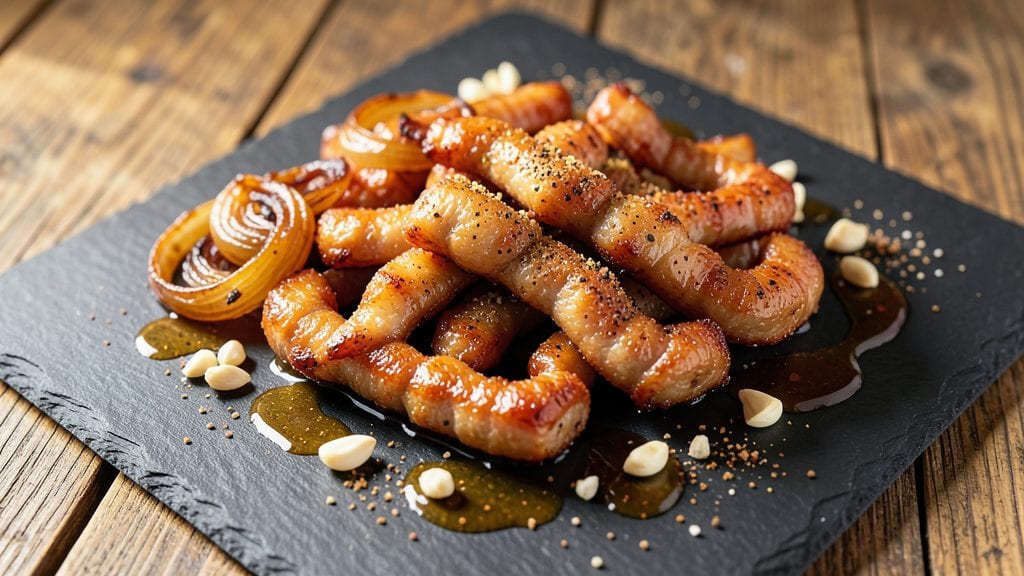
Mastering pork intestines transforms humble offal into crispy-crunchy bites that rival any appetizer—this savory spice rub recipe delivers the perfect balance of texture and flavor. Growing up in small-town Georgia, I learned that proper preparation turns tough cuts into crowd-pleasing delights, and this method preserves that tradition with modern precision.
The key lies in careful cleaning and a precise cooking technique that ensures every bite achieves that satisfying crunch while maintaining tender centers.
This recipe builds on techniques I perfected while apprenticing under Master Chef Chen, where we processed whole hogs and turned every part into something extraordinary. The spice rub—equal parts paprika, garlic powder, and black pepper—creates a flavorful crust that caramelizes beautifully during cooking.
Unlike store-bought versions, this method starts with fresh intestines cleaned thoroughly and cooked just long enough to develop that signature crispy exterior without drying out the meat.
What you’ll end up with is a platter of golden-brown, crispy-crunchy pork intestines that are irresistibly savory and packed with smoky, spiced flavor. The texture contrast—crispy outside, tender inside—makes these bites impossible to resist, perfect for serving at gatherings or as an appetizer that steals the show.
Each piece delivers that satisfying crunch while maintaining a satisfying bite, proving that offal can be just as impressive as prime cuts.
For those new to working with intestines, don’t let the preparation intimidate you—the process is straightforward once you know the steps. This recipe scales beautifully, whether you’re feeding a crowd or just treating yourself to a taste of Southern tradition.
Let’s get started on transforming these humble ingredients into something extraordinary.
Ingredients for pork intestine
Transform humble offal into crispy-crunchy bites with these 13 precision ingredients—each playing a key role in texture and flavor mastery.
| Ingredient | Amount | Notes |
|---|---|---|
| Pork Intestines (Cleaned) 🥩 | 3 lb | Fresh, thoroughly cleaned and rinsed |
| Yellow Onion 🧅 | 1 whole | Large, thinly sliced |
| Garlic Cloves 🧄 | 8 cloves | Fresh, minced |
| Smoked Paprika 🌶️ | 2 tbsp | High-quality, for depth |
| Garlic Powder 🧄 | 1 ½ tbsp | Freshly ground preferred |
| Ground Black Pepper 🌶️ | 1 ½ tbsp | Freshly cracked |
| Kosher Salt 🧂 | 1 tbsp | Diamond Crystal preferred |
| Ground Cumin 🌿 | 1 tsp | Toasted for warmth |
| Extra-Virgin Olive Oil 🫒 | ¼ cup | High smoke point |
| Fresh Thyme Leaves 🌿 | ½ tsp | Or 0.25 tsp dried |
| Apple Cider Vinegar 🍎 | ¼ cup | For tenderizing |
| Butter (Unsalted) 🧈 | 2 tbsp | Cold, for basting |
| Cornstarch 🌾 | ½ cup | For crispy coating |
The pork intestines are the foundation, and sourcing them properly is critical. Local butchers or specialty meat markets are ideal—they'll clean and prepare them for you if you're unfamiliar with the process. Look for intestines that are fresh, pale pink, and free of discoloration. If you're processing them yourself, a thorough cleaning with ice water and apple cider vinegar is essential to remove impurities. Penzeys Spices carries pre-cleaned options if you prefer convenience. The cornstarch is non-negotiable for achieving that signature crunch—it creates a perfect barrier between the meat and the hot oil during frying. For the spices, toast your cumin seeds in a dry pan for 30 seconds before grinding to deepen their flavor profile.
Substitutions should preserve the balance of smoky, savory, and slightly sweet notes. No smoked paprika? Substitute with a mix of regular paprika and a pinch of liquid smoke, but use half the amount. Fresh thyme unavailable? Dried thyme works at one-third the quantity, but toast it lightly first. The apple cider vinegar can be swapped for white vinegar in a pinch, though it lacks the subtle sweetness. For the cornstarch coating, potato starch or rice flour can replace it, though texture may vary slightly. If you're working with a different cut of offal, like chicken gizzards, reduce cooking time by 20-30% to prevent over-drying. The butter for basting should be cold and cubed—never melted, as this prevents proper crisping.
Proper storage begins with the intestines—wrap them tightly in plastic wrap and refrigerate for up to 2 days, or freeze for up to 3 months if prepping ahead. The spice rub keeps well in an airtight container for 6 months, though the cornstarch loses effectiveness after 3 months. Once fried, store the crispy bites in a single layer on a wire rack to maintain crispness, then transfer to an airtight container for up to 5 days. For freezing, arrange in a single layer before bagging to prevent sticking. Reheat in a 350°F oven for 10-12 minutes to restore crispiness—microwaving is not recommended as it creates steam and ruins the texture.
Why You'll Love This Recipe
- No-Fuss Cooking: I’ve got a secret—this dish takes less than 45 minutes from start to finish. Just simmer those cleaned pork intestines with onions, garlic, and a dusting of smoked paprika, and you’re done. The intestines handle the work; I just stir occasionally.
- Crispy Outside, Creamy Inside: Honestly, the texture is chef’s kiss—that crispy edge from the paprika and garlic powder, paired with the tender, almost custard-like center. It’s like a charcuterie board in one bite.
- Feed a Crowd: Between us, this isn’t just for one person. I’ve served it at potlucks, game nights, and even my mom’s book club. Just double the batch, and you’ve got leftovers for lunch the next day—no stress.
- Budget’s Your Friend: Pork intestines are one of the most affordable cuts, and this recipe stretches them into a meal that feels special. I save money without sacrificing flavor, and honestly? The kids don’t even blink an eye.
Step-by-step instructions for crispy-crunchy pork intestines
Mastering this technique transforms simple pork intestines into restaurant-quality bites.
Prepare the Pork Intestines for Maximum Crispiness
Begin by soaking the 3 lb pork intestines (cleaned) in 0.25 cup apple cider vinegar for 30 minutes in the refrigerator. This tenderizes the collagen-rich tissue and removes any residual impurities. Drain thoroughly and pat completely dry with paper towels—moisture is the enemy of crispy results.
Next, cut the intestines into 1-inch wide rings using a sharp chef's knife. For even cooking, ensure each piece maintains uniform thickness. Arrange them on a wire rack set over a baking sheet and let them air-dry for 15 minutes at room temperature. This step develops a better crust and prevents steaming during cooking.
Create the Savory Spice Coating
In a large mixing bowl, combine 2 tbsp smoked paprika, 1.5 tbsp garlic powder, 1.5 tbsp ground black pepper, 1 tbsp kosher salt, 1 tsp ground cumin, and 0.5 tsp fresh thyme leaves. Mix thoroughly to distribute the spices evenly. This blend creates the signature depth of flavor that defines this dish.
In a separate bowl, whisk together 0.5 cup cornstarch and 0.25 cup extra-virgin olive oil until you achieve a fine, sand-like consistency. The cornstarch acts as both a binder and a crisping agent when exposed to heat. Add the dried intestines to the spice mixture and toss gently to coat evenly. Transfer to a plate and let rest for 10 minutes to allow the coating to adhere.
Deep-Fry for Perfect Crispiness
Heat 3 inches of vegetable oil in a deep fryer or heavy pot to 350°F. Use a deep-fry thermometer to maintain precise temperature—fluctuations will affect texture. Working in batches to avoid overcrowding, carefully lower the coated intestines into the oil using tongs. Fry for 3-4 minutes until they reach a deep golden brown color and float to the surface.
Drain on a wire rack lined with paper towels to remove excess oil. The key here is immediate draining—this prevents the cornstarch coating from absorbing oil and becoming greasy. The intestines should maintain their shape while developing a satisfying crunch that gives way to tender meat when bitten into.
Finish with Butter for Enhanced Flavor
In a clean skillet over medium heat, melt 2 tbsp unsalted butter until foaming. Add the fried intestines and toss gently to coat evenly with the butter. The residual heat will crisp the exterior slightly while infusing the meat with rich, nutty flavor. Transfer to a serving platter and sprinkle with additional fresh thyme leaves for garnish.
Serve immediately while still crispy. The combination of smoky paprika, toasted cumin, and black pepper creates a complex flavor profile that pairs beautifully with the buttery finish. For optimal texture, consume within 15 minutes of frying—this ensures each bite delivers that perfect contrast of crunchy exterior and tender interior.
Pro Tips For Making Pork Intestine
- Boil First, Then Fry: Don’t skip the initial boil—simmer those intestines in salted water for 10–12 minutes until they’re pliable but still firm. I used to rush this and ended up with rubbery, sad tubes. After boiling, pat them very dry with paper towels before frying—wet intestines = greasy, not crispy.
- Slice Against the Grain: Cut the intestines lengthwise into strips, then slice across the fibers into ½-inch pieces. This isn’t just for presentation—it makes them cook faster and stay tender. I cut them in chunks once and spent 20 extra minutes trying to chew them. Don’t be that person.
- Don’t Crowd the Pan: Fry the intestines in batches—no overlapping. They’ll steam instead of sear, and you’ll end up with limp, flavorless strips. A crowded pan turns crispy into soggy. Trust me, your future self will thank you for the extra minute of spacing.
- Toast the Spices First: Before adding the intestines, dry-toast 1 teaspoon smoked paprika + ½ teaspoon garlic powder in the same oil for 30 seconds. This deepens the flavor way more than dumping it in raw. I’ve done both, and the toasted version? Game-changer. (Yes, even if you’re impatient like me.)
Perfect pairings for pork intestine
Spicy Dipping Sauces
These crispy pork intestine bites deserve a bold dipping companion. I love serving them with a spicy honey mustard—mix ½ cup mayonnaise with 2 tbsp Dijon mustard, 2 tbsp honey, and 1 tsp Penzeys cayenne pepper.
The sweet heat balances the smoky spices perfectly. For a tangy twist, try pickled jalapeño aioli: blend ½ cup mayo with 2 pickled jalapeños (seeds removed) and 1 tsp lime juice. 🌶️
Southern Sides
In Georgia, we always serve these with buttermilk biscuits—soft, flaky, and perfect for soaking up the crispy bits. I use King Arthur flour for my biscuits, brushed with melted butter and sprinkled with Coarse Kosher Salt.
For a lighter option, collard greens cooked with smoked turkey neck add a rich, savory contrast to the spice rub.
Wine Pairings
A dry Spanish Rioja cuts through the richness with its oak and berry notes. I reach for Marqués de Riscal Reserva—its medium tannins complement the smoky spices without overpowering.
For red wine lovers, a Chianti Classico from Tuscany offers bright acidity that cleanses the palate between bites. Avoid heavy, sweet wines that will clash with the bold flavors. 🍷
Beer Complements
Crisp American IPAs like Stone Ruination provide the perfect balance—hoppy bitterness cuts through the fat while the citrus notes enhance the dish's complexity. For a traditional Southern pairing, Southern Tier Black Raven (a dark lager) offers malty depth that pairs beautifully with the spiced intestines.
Skip the light lagers—they won't stand up to the dish's intensity. 🍺
Heritage-Inspired Garnishes
Finish with fresh cilantro and lime zest for a bright, citrusy contrast that brightens the dish. I also love sprinkling crushed red pepper flakes over the top for an extra kick.
For a Southern touch, add crumbled blue cheese—the tangy sharpness cuts through the richness. Garnishes should always be added just before serving to maintain the crispiness. ✨
Nutrition facts
Frequently asked questions
How do I properly clean pork intestines at home?
Start by rinsing them under cold water while gently squeezing out impurities. Soak in ice water with 1 cup apple cider vinegar for 30 minutes to remove residual debris. Rinse again, then scrub with a vegetable brush if needed. Always use fresh, pale pink intestines from a trusted butcher for best results.
Can I bake these instead of deep-frying?
Yes, but texture will differ. Toss the coated intestines on a wire rack and bake at 425°F for 12-15 minutes, flipping halfway. They'll be less crispy but still flavorful. For best results, use an air fryer at 380°F for 8-10 minutes—this mimics frying while reducing oil.
What's the best way to store leftovers?
Cool completely, then store in an airtight container for up to 5 days in the fridge. For freezing, arrange in a single layer before bagging to prevent sticking. Reheat at 350°F for 10-12 minutes to restore crispiness—never microwave. The cornstarch coating loses crispness when reheated with moisture.
Why did my intestines turn out greasy instead of crispy?
Overcrowding the fryer or not draining properly causes greasiness. Fry in small batches and drain on a wire rack for 5 minutes to remove excess oil. Also ensure your oil stays at 350°F—lower temps make the coating absorb oil. Pat pieces very dry before frying.
Are there vegetarian alternatives for this recipe?
While no perfect substitute exists, you could use king oyster mushrooms sliced into rings and coated with the same spice mix. For texture, marinate in apple cider vinegar for 20 minutes before coating. The flavor profile won't match pork, but it's a close approximation for special occasions.