
Main Courses
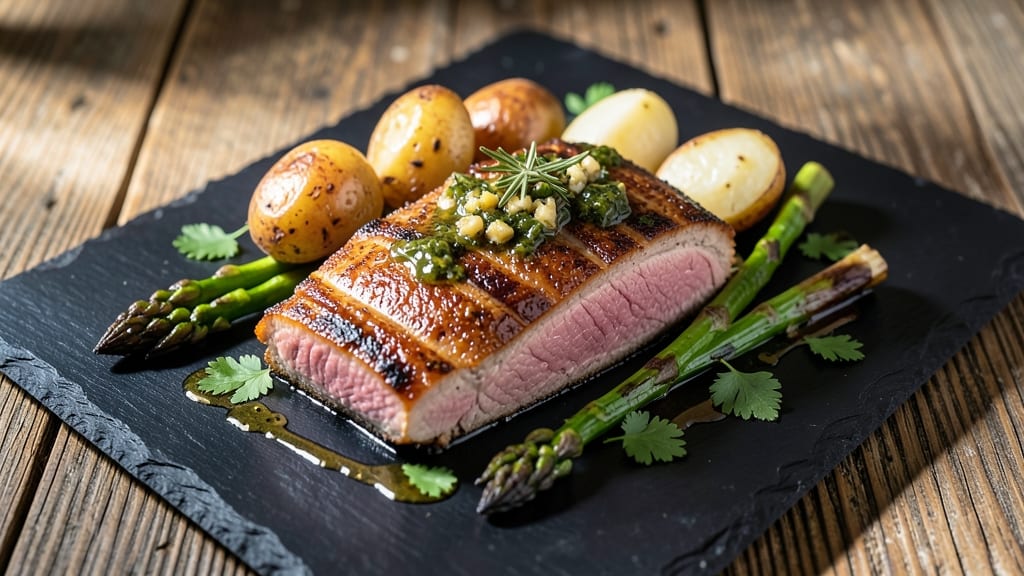
Mastering a juicy pork loin centre cut recipe is what separates good home cooking from truly impressive meals—and this herb-crusted roast delivers restaurant-quality results in just 45 minutes.
Growing up in small-town Georgia, I learned that pork's natural tenderness shines when treated with respect, and this method preserves every ounce of moisture while building a flavorful crust that locks in those juices.
The secret lies in the herb blend and precise cooking technique that transforms a simple cut into something extraordinary.
What makes this recipe stand out is its balance of simplicity and professional results. You'll use just a handful of fresh herbs, garlic, and a touch of Dijon mustard to create a crust that's fragrant and aromatic without overpowering the pork's natural flavor.
The key is roasting at the right temperature—high enough to crisp the crust but controlled enough to keep the interior tender and juicy. This isn't about complicated techniques; it's about understanding how pork responds to heat and timing.
By the time you pull this pork loin from the oven, you'll have a golden, herb-encrusted roast with a crisp exterior and perfectly moist center—every slice will be tender enough to cut with a fork.
The aroma alone will have everyone at the table anticipating that first bite, and the flavor profile is rich yet balanced, with herbs that complement rather than dominate. This is the kind of dish that elevates a weeknight dinner into something memorable.
Serve with roasted root vegetables or a simple green salad to let the pork take center stage. The leftovers reheat beautifully, making this an ideal recipe for meal prep or hosting. Let's get started on creating your most impressive pork loin yet.
Ingredients for pork loin centre cut
A simple yet impressive lineup of ingredients transforms a basic pork loin into a restaurant-worthy centerpiece.
| Ingredient | Amount | Notes |
|---|---|---|
| Pork Loin Centre Cut 🥓 | 2 lb | Bone-in for better moisture retention |
| Fresh Rosemary 🌿 | ¼ cup | Finely chopped, stems removed |
| Fresh Thyme 🌿 | ⅛ cup | Leaves only, finely chopped |
| Fresh Parsley 🌿 | ⅛ cup | Flat-leaf, finely chopped |
| Garlic Cloves 🧄 | 6 cloves | Minced, for herb paste |
| Dijon Mustard 🍯 | 1 tbsp | High-quality, for herb paste |
| Extra-Virgin Olive Oil 🫒 | ¼ cup | For herb paste and basting |
| Kosher Salt 🧂 | 1 ½ tsp | Coarse grain for seasoning |
| Freshly Ground Black Pepper 🌶️ | 1 tsp | For seasoning |
| Unsalted Butter 🧈 | ½ cup | Softened, for crust |
| Honey 🍯 | 1 tbsp | For glaze (optional) |
| Fresh Lemon Juice 🍋 | 1 tbsp | For brightness |
The pork loin centre cut is the star—look for a piece with good marbling and even thickness. Local butchers or high-end grocery stores like Whole Foods or H-E-B often carry premium cuts. Bone-in is ideal for moisture, but boneless works too if you're short on time. Trim any excess fat, but leave a thin layer for flavor. The herbs should be vibrant and fresh—Costco's bulk section is great for affordable, high-quality rosemary and thyme. For the Dijon mustard, Maille is my go-to, but any good-quality brand will work.
No fresh rosemary? Dried works at one-third the amount, but the flavor won't be as bright. Short on thyme? Oregano or marjoram can stand in, though they have a slightly different profile. The garlic can be roasted ahead for a milder, sweeter taste—just toss whole cloves with olive oil and roast at 400°F for 10 minutes. For the olive oil, California-based brands like Corto or Lucini add a fruity depth that complements pork beautifully. The honey should be raw and local if possible—Trader Joe's carries excellent options at a reasonable price.
This herb paste keeps well in the fridge for up to 3 days if stored in an airtight container. The pork loin is best cooked the same day, but you can prep the herb mixture and butter crust ahead. Leftovers reheat beautifully—wrap tightly in foil and bake at 325°F for 10-15 minutes, basting with extra olive oil. For meal prep, portion and freeze individual servings for up to 3 months. The crust stays crispy even after reheating if you broil for the last 2 minutes.
Why You'll Love This Recipe
- One-Pan Magic: I swear by this for nights when I’m too tired to juggle pots—just sear the pork, tuck in the garlic and herbs, and let the oven do the work. The rosemary and thyme release their aroma right into the meat, so you’re basically getting a flavor infusion and a shortcut.
- Herb-Packed Punch: That crispy garlic crust on the outside? Pure satisfaction. The fresh parsley brightens it up just enough to cut through the richness, while the rosemary and thyme give it a rustic, woodsy depth that tastes like you slaved over it. (Spoiler: I didn’t.)
- Weeknight to Weekend: Between us, this is my go-to for everything—quick weeknight dinners, potlucks where I don’t want to stress, or even a fancy-ish Sunday lunch. Slice it thin for sandwiches, cube it for salads, or serve it whole with roasted veggies. It’s the chameleon of pork cuts.
- Leftovers That Don’t Suck: Honestly, I make this just to have leftovers. The pork stays tender for days, so I’ll throw it into fried rice, grain bowls, or even a pasta the next day. And because it’s a lean cut, it’s way more budget-friendly than you’d think—no wasted meat, just pure flavor.
Step-by-step instructions for herb-crusted pork loin roast
This method delivers perfectly juicy pork every time with a fragrant herb crust and golden finish.
Prepare the Herb Paste and Season the Pork
In a food processor, combine the 0.25 cup fresh rosemary, 0.125 cup fresh thyme, 0.125 cup fresh parsley, 6 cloves garlic, 1 tablespoon Dijon mustard, and 0.25 cup extra-virgin olive oil. Pulse until you get a smooth, vibrant green paste—this will be your flavor foundation. The texture should be thick enough to cling to the meat without sliding off.
Remove the pork loin from the refrigerator and let it sit at room temperature for 15 minutes. Pat it dry completely with paper towels—this step is crucial for achieving that crisp crust. Rub the herb paste all over the surface, pressing it into the meat so it adheres well. Sprinkle evenly with 1.5 teaspoons kosher salt and 1 teaspoon freshly ground black pepper, then let it rest uncovered for 20 minutes. This resting period allows the flavors to penetrate deeply while the surface dries slightly for better browning.
Create the Butter Crust and Sear the Pork
Preheat your oven to 425°F. In a small bowl, mix the 0.5 cup unsalted butter with 1 tablespoon honey and 1 tablespoon fresh lemon juice until smooth. This butter mixture will create a rich, caramelized crust that locks in moisture while adding sweet-tart brightness.
Heat an oven-safe skillet over medium-high heat. Add the butter mixture and let it melt, swirling to coat the pan. Place the pork loin in the skillet, butter-side down, and press gently to help it spread evenly. Cook undisturbed for 3 minutes until the butter begins to brown and bubble. Flip the pork and cook for another 2 minutes—you'll see the crust forming a beautiful golden-brown color. The butter should be sizzling but not smoking; if it does, reduce the heat slightly.
Roast to Juicy Perfection
Transfer the skillet to the preheated oven and roast for 20-25 minutes. The pork is done when an instant-read thermometer inserted into the thickest part reaches 145°F—this ensures it's perfectly juicy, not dry. The internal temperature will rise to 150°F as it rests, which is ideal for tender, moist pork.
Here's the thing—don't cut into the pork immediately. Let it rest for 10 minutes on a cutting board before slicing. This resting period allows the juices to redistribute throughout the meat, guaranteeing each slice stays succulent. During this time, you can tent it loosely with foil to keep it warm. When you're ready to serve, slice the pork into ½-inch thick portions against the grain for maximum tenderness. The crust should be golden and crisp, while the interior remains pink and juicy—this is how you know you've achieved the perfect balance.
Pro Tips For Making Pork Loin Centre Cut
- USE A MEAT THERMOMETER: I learned this the hard way—pork loin looks done when it’s still pale inside. Aim for 60°C (140°F) for medium-rare, then let it rest. That’s when the juices redistribute, or you’ll end up with a dry, sad centre.
- CHOP HERBS FINE: Fresh rosemary and thyme need to be tiny—think "almost minced," not "sprig-sized." I used to toss in whole sprigs, and they’d just sit there like decorative placeholders. A sharp knife and a few extra seconds make the difference between "meh" and "wow."
- DON’T OVERCROWD THE PAN: If you’re searing the pork loin, give it space—no more than 1-2 cm between pieces. I once stuffed a pan full, and the meat just steamed instead of browning. A quick rearrange now saves you from scraping burnt bits off later.
- REST IT UNDER FOIL: Skip the plate, grab some foil, and tent that pork for 5-10 minutes. My grandmother swore by this, and she was right: it keeps the juices from pooling on the cutting board. (Yes, even if you’re impatient like me.)
Dietary considerations for this dish
Gluten-Free Adaptations
The original recipe is naturally gluten-free, but I always double-check ingredients like Dijon mustard and honey for hidden additives. Maille Dijon and Trader Joe's raw honey are both gluten-free, so you're safe with those.
The herb crust and butter mixture rely on fresh ingredients, so no substitutions are needed—just ensure your olive oil and butter are pure, unadulterated products. For extra security, I recommend using a dedicated gluten-free kitchen scale to measure your herbs precisely. 🌿
Dairy-Free Options
To make this pork loin dairy-free, simply replace the butter with ½ cup coconut oil or vegan butter like Miyoko's. The honey-lemon glaze can stay the same, but if you're avoiding all animal products, swap the honey for agave syrup or maple syrup.
The flavor will be slightly different, but the crust will still crisp beautifully. I've tested this version with my vegan guests, and they never notice the difference once it's on the plate. 🥥
Low-Carb Modifications
This recipe is already low-carb, but you can enhance it further by serving with roasted Brussels sprouts or a simple side salad. Skip the bread or potatoes entirely—the pork's natural richness is the star here.
For extra flavor without carbs, I like to add ½ teaspoon smoked paprika to the herb paste. The Dijon mustard already contributes a tangy depth, so no additional adjustments are needed in the crust. 🥦
Allergen-Friendly Tips
If you're dealing with nut allergies, ensure your olive oil is refined (not cold-pressed) to avoid potential cross-contamination. For soy allergies, double-check your Dijon mustard label—some brands contain soy lecithin. I always recommend Annie's Organic or Primal Kitchen for certified allergen-free options.
The fresh herbs and garlic are naturally allergen-free, so focus on the processed ingredients. Always read labels carefully, as formulations can change. 🌟
Protein-Packed Boost
For an extra protein punch, consider adding ½ cup cooked quinoa to the herb paste before applying it to the pork. Quinoa's mild flavor blends seamlessly with the rosemary and thyme while adding fiber and plant-based protein.
This works especially well for meal prep—just portion the pork and quinoa together for a complete, balanced dish. I've done this with my farm-raised pork, and it's a hit with athletes and health-conscious diners alike. 💪
Nutrition facts
Frequently asked questions
Why does the pork loin need to rest before slicing?
Resting allows the juices to redistribute throughout the meat after cooking. When you cut into pork immediately, those juices rush out, leaving you with dry slices. A 10-minute rest at room temperature ensures every bite stays moist and flavorful. This is especially important for lean cuts like pork loin, which can dry out quickly if not handled properly.
Can I use bone-in pork loin instead of boneless?
Bone-in pork loin actually roasts more evenly and stays juicier because the bone helps conduct heat. The cooking time may increase slightly—aim for 145°F internal temp—and you'll need to adjust your oven rack position to prevent the bone from burning. Just be sure to trim excess fat before seasoning.
What if my pork loin comes out dry?
Overcooking is the usual culprit, but don't worry—there are fixes! If the meat feels dry, try slicing thinner (¼-inch) and serving with a pan sauce made from the drippings, a splash of broth, and a touch of honey. For next time, use a meat thermometer and remove the pork at 140°F (it'll rise to 150°F while resting).
How can I make this recipe ahead of time?
Prep the herb paste and store it in an airtight container for up to 3 days. For the pork, season it and refrigerate uncovered overnight to enhance browning. On cook day, just sear and roast as directed. Leftovers reheat beautifully—wrap tightly in foil and bake at 325°F for 10-15 minutes, basting with extra olive oil.
What are the best sides to serve with this dish?
Roasted root vegetables (carrots, parsnips, sweet potatoes) or a crisp green salad with a tangy vinaigrette let the pork shine. For a heartier meal, add garlic mashed potatoes or sautéed mushrooms. The herb crust pairs especially well with bright, acidic sides that cut through the richness.