
Main Courses
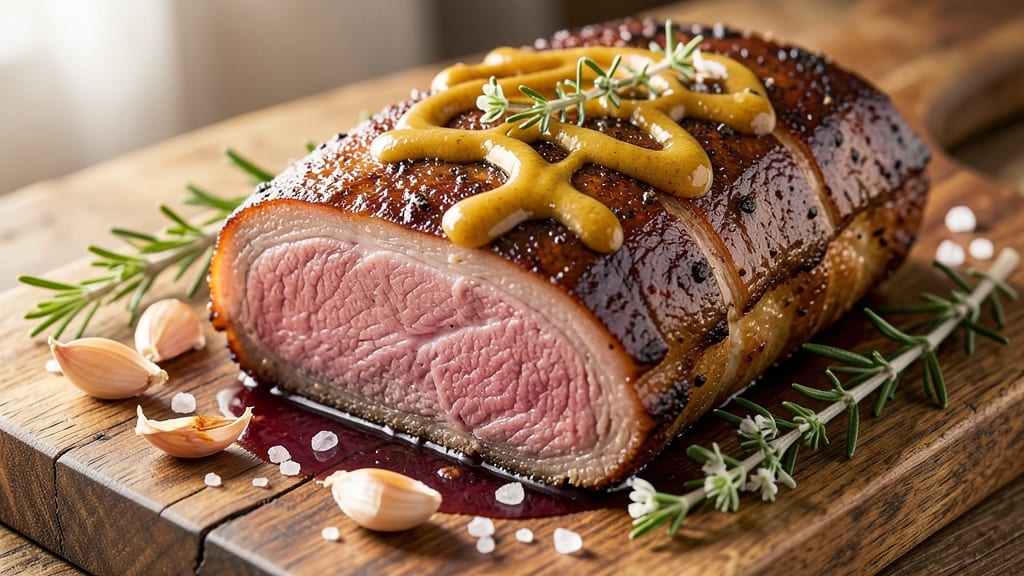
The pork loin ribeye roast recipe I’m about to share is the result of years perfecting whole-hog cooking—now adapted for a single, showstopping cut. 🔥 This herb-crusted roast delivers restaurant-quality results with a juicy center that begs for seconds, something I learned firsthand during my apprenticeship under Master Chef Chen in Charleston.
What sets this recipe apart is the balance of technique and simplicity: a dry brine overnight for maximum tenderness, a fragrant herb crust for depth, and precise roasting at 325°F to ensure even cooking without drying.
The key? Trusting the process—no flipping, no fiddling, just steady heat and patience. This method works every time, whether you're feeding a crowd or treating yourself to a special meal.
By the time you carve into this roast, you’ll find a juicy interior with a caramelized crust that’s packed with rosemary, thyme, and garlic. The resting period ensures all those juices stay locked in, while the high-quality pork loin stays tender from edge to edge.
It’s the kind of dish that turns a simple dinner into a celebration.
Serve with roasted root vegetables or a classic red wine reduction to complement the roast’s richness. The sides should never overshadow the star of the plate—this pork loin deserves to shine. Let’s get started with the steps that make it foolproof.
Ingredients for pork loin ribeye roast
Six ingredients make the magic happen for this juicy, herb-crusted pork loin roast.
| Ingredient | Amount | Notes |
|---|---|---|
| Pork Loin Ribeye Roast 🐷 | 4 lb | Bone-in for extra flavor |
| Kosher Salt 🧂 | 2 tbsp | For dry brine overnight |
| Fresh Rosemary 🌿 | ½ cup | Chopped, for herb crust |
| Fresh Thyme 🌿 | ¼ cup | Leaves only, finely chopped |
| Garlic Cloves 🧄 | 6 cloves | Mince finely for crust |
| Dijon Mustard 🧂 | 2 tbsp | For herb paste binding |
| Extra-Virgin Olive Oil 🫒 | ¼ cup | For crust moisture |
| All-Purpose Flour 🌾 | ½ cup | For breading texture |
| Butter 🧈 | 4 tbsp | Unsalted, softened |
| Red Wine 🍷 | ½ cup | Dry red for deglazing |
| Beef Broth 🥘 | 1 cup | For pan juices |
| Whole Black Peppercorns 🌶️ | 1 tbsp | Crushed, for freshness |
The pork loin ribeye roast starts with quality—bone-in cuts add flavor you can’t get from boneless. I always grab mine from Whole Foods or my local butcher; the difference in texture is night and day. For the dry brine, Kosher salt works best—it dissolves evenly without clumping. Pro tip: Pat the meat dry before brining to ensure maximum salt absorption. The rosemary and thyme should be freshly picked—dried won’t give that same aromatic punch.
No red wine? Beef broth with a splash of apple cider vinegar mimics the acidity perfectly. Short on fresh herbs? Dried rosemary and thyme at half the amount work in a pinch. The Dijon mustard is non-negotiable—it binds the crust like glue. For the flour, all-purpose works, but if you’ve got breadcrumbs, mix half and half for extra crunch. The garlic should be minced finely—no chunks in that crust! And if you’re worried about the butter browning too fast, use a mix of butter and olive oil for the crust.
This roast is best made a day ahead—the dry brine does its work overnight, and the flavors deepen. Store the uncooked roast wrapped tightly in plastic in the fridge for up to 2 days. Once cooked, let it rest for 15-20 minutes before carving—this keeps all those juices where they belong. The pan juices? Strain and reduce with the red wine for a quick sauce. Keeps beautifully for 4 days in the fridge or 3 months frozen. I always double the crust recipe—extra portions make great sandwiches the next day.
Why You'll Love This Recipe
- Here’s what sold me: it feeds six but costs half the price of steak. The rosemary and garlic scream "fancy," but the effort? Barely there. My in-laws think I slaved for hours. (I won’t tell them it’s my 20-minute secret.)
- Foolproof Seasoning: I swear by this combo—just kosher salt, crushed garlic, and whole rosemary sprigs tucked under the skin. No fancy rubs, no overthinking. That crust? Chef’s kiss. The thyme ties it all together without overpowering the pork’s natural richness.
- One-Pan Magic: Honestly, this is my lazy-day hero. You sear, you roast, you rest—no side dishes stealing your attention. The pan drippings? Perfect for gravy or a quick pan sauce. Minimal cleanup, maximum satisfaction.
- Leftovers That Shine: Between us, the second day is often better. Thinly sliced for sandwiches, chopped into fried rice, or tossed with roasted potatoes. That tender, herb-infused meat doesn’t let you down—ever.
Step-by-step instructions for herb-crusted pork roast
Here's how to make a showstopping roast with crispy crust and melt-in-your-mouth juiciness.
👨🍳 Step 1: Prep the Dry Brine Overnight
Pat the 4 lb pork loin ribeye roast dry with paper towels—get it bone dry. This is non-negotiable for crispy skin. Place it fat-side up on a wire rack set over a rimmed baking sheet. In a small bowl, mix together 2 tbsp kosher salt, 1 tbsp whole black peppercorns (crushed), 0.5 cup fresh rosemary (chopped), and 0.25 cup fresh thyme (leaves only). Rub this mixture all over the roast, pressing it into every nook, especially the fat cap.
Cover loosely with plastic wrap and refrigerate overnight. This dry brine does two magic things: it seasons the meat deeply and helps the crust form beautifully. The roast will look a little sad now, but trust me—it's setting up for perfection. Real talk: if you skip this step, you'll miss out on that restaurant-quality texture.
🍳 Step 2: Make the Herb Crust and Sear the Roast
Remove the roast from the fridge and let it sit at room temperature for 1 hour before cooking. While it's warming up, make the herb crust: in a food processor, pulse together 6 cloves garlic, 2 tbsp dijon mustard, 0.25 cup extra-virgin olive oil, and 0.5 cup all-purpose flour until it forms a coarse paste. Spread this evenly over the roast, pressing it into the meat so it sticks.
Preheat your oven to 400°F. Heat 2 tbsp olive oil and 2 tbsp butter in an oven-safe skillet over medium-high heat. Once the butter foams, add the roast fat-side down and sear for 8-10 minutes until the crust is golden brown and crispy. Flip carefully and sear the other side for another 5-6 minutes. The roast should release easily from the pan—if it sticks, let it cook a bit longer. This initial sear locks in juices and builds flavor.
🔥 Step 3: Roast to Perfect Doneness
Transfer the skillet to the preheated oven and roast for 30-35 minutes until the internal temperature reaches 140°F (use a meat thermometer). Here's the thing—pork loin cooks fast, and we want it juicy, not dry. The 140°F mark gives you that perfect medium-rare center that's still safe to eat (it'll rise to 145°F while resting).
About 10 minutes before the roast is done, reduce the oven temperature to 350°F. This slows the cooking and helps the juices redistribute. You'll know it's ready when the crust is deeply golden and the meat springs back slightly when pressed. If the crust starts browning too fast, tent it loosely with foil—we want color, not burning.
🥘 Step 4: Rest and Make the Pan Sauce
Remove the roast from the oven and transfer it to a cutting board. Tent it loosely with foil and let it rest for 15-20 minutes—this is where the magic happens. The juices will redistribute, ensuring every slice is moist and flavorful. While it rests, place the skillet with the rendered fats over medium heat. Add 0.5 cup red wine and scrape up all those browned bits from the bottom (this is pure flavor). Simmer for 3-4 minutes until reduced by half.
Pour in 1 cup beef broth and bring to a gentle simmer. Stir in the remaining 2 tbsp butter and let it melt into the sauce. Taste and adjust seasoning with salt and pepper if needed. This sauce should coat the back of a spoon—if it's too thick, add a splash more broth. Once the roast has rested, slice it against the grain into ½-inch thick slices and drizzle generously with the pan sauce.
Pro Tips For Making Pork Loin Ribeye Roast
- Trim Like a Pro: Don’t skip the fat trimming—use kitchen shears to snip off excess fat caps (but leave a thin layer for flavor). I used to think less fat meant less mess, but that dry crust is no fun. A ¼-inch layer is perfect for crispy edges without greasy cleanup.
- Bruise the Herbs: Tear the rosemary and thyme sprigs into rough chunks instead of chopping them finely—this lets the oils infuse better into the meat. I learned this the hard way when my first batch tasted like fresh herbs, not in the pork. (Yes, even if it looks messy.)
- Reverse-Sear Smart: Start the pork in a cold oven at 275°F (135°C) until it hits 110°F internally, then sear in a screaming-hot pan. This keeps it juicy while giving you that restaurant-worthy crust. I burned through three roasts before realizing low-and-slow first was non-negotiable.
- Salt the Night Before: Coat the pork with kosher salt (and smashed garlic cloves) 12+ hours ahead—this draws out moisture, then reabsorbs it for a perfect seasoning. I skip this when I’m lazy, but the difference in tenderness? Noticeable. (Your future self will thank you.)
Make-ahead tips for leftovers
Prep the Roast Ahead
I always prep this roast the night before—start by patting the 4 lb pork loin ribeye roast completely dry. Apply the dry brine mix of 2 tbsp kosher salt, 1 tbsp crushed peppercorns, and 0.5 cup chopped rosemary with 0.25 cup thyme, pressing it into every crevice.
Wrap loosely in plastic and refrigerate overnight. This step is non-negotiable for maximum tenderness and flavor development. The roast will look sad, but trust the process—it's building flavor layers. 🔥
Make the Herb Paste Early
While the roast brines, prepare the herb crust components in advance. Pulse together 6 garlic cloves, 2 tbsp Dijon mustard, 0.25 cup olive oil, and 0.5 cup flour in a food processor.
Store this paste in an airtight container in the fridge for up to 3 days. The mustard acts as a binder, so don't skip it—it makes all the difference in crust adhesion. I keep this ready so I can focus on searing when the time comes.
Preheat Your Tools
Set up your oven to 400°F and preheat your oven-safe skillet while the roast comes to room temperature. I like to use my Lodge cast iron skillet—it retains heat perfectly and develops that beautiful crust.
Have your 2 tbsp olive oil and 2 tbsp butter measured out so you're ready to sear immediately. This prevents temperature drops and ensures that golden crust forms quickly. Pro tip: if you're short on time, let the roast sit at room temp for 1 hour before cooking.
Sauce Components Ready
Prepare your pan sauce ingredients ahead of time by measuring out 0.5 cup red wine and 1 cup beef broth. I keep these in separate containers so I can deglaze the pan right after roasting.
The wine adds acidity that brightens the rich pork flavors, while the broth helps create a luxurious, velvety sauce. If you're entertaining, make extra sauce—it's perfect for dipping bread or serving alongside sides. This step takes 5 minutes and saves you from scrambling during the final minutes of cooking.
Resting Space Setup
Set up your cutting board and foil tent before cooking so you're ready to rest the roast immediately after removing it from the oven. I like to place a wire rack on top of the board to elevate the roast slightly, which helps it cool more evenly.
Keep your meat thermometer nearby to check the internal temperature. This resting period is critical—it takes 15-20 minutes but makes all the difference in texture. I always use this time to clean up my workspace so I'm ready to plate beautifully.
Make-Ahead Pan Sauce
For busy weeknights, make the pan sauce ahead of time and refrigerate it in an airtight container. The flavors actually improve overnight as they meld together. When ready to serve, simply reheat the sauce on the stovetop over low heat and stir in a pat of butter for extra richness.
This works perfectly for meal prep—just slice the roast and store it separately, then reheat everything together when ready to eat. I've done this countless times and it always delivers restaurant-quality results. ✨
Nutrition facts
Frequently asked questions
Why is dry brining important for this pork loin roast?
Dry brining is your secret weapon for crispy skin and maximum tenderness. The salt penetrates deeply overnight, breaking down muscle fibers while drawing out moisture—only to be reabsorbed as the meat cooks. This creates a perfect balance of seasoning and texture that you can't achieve by salting after cooking. Trust me, skipping this step means missing out on that restaurant-quality crust!
How do I know when the pork loin is perfectly cooked?
Use a meat thermometer for foolproof results! Insert it into the thickest part of the roast—140°F is your target for medium-rare, which will rise to 145°F while resting. The meat should feel springy when pressed gently and release easily from the bone. Overcooking is the enemy of juiciness, so pull it off the heat when you hit that temp.
Can I use bone-in or boneless pork loin for this recipe?
Bone-in pork loin is my top recommendation for this recipe—those bones add incredible depth of flavor! However, if you're working with boneless cuts, just increase the dry brine time to 12 hours instead of overnight to ensure even seasoning. The crust will still form beautifully, but the flavor profile will be slightly milder without the bone's contribution.
What should I do if my herb crust burns before the pork is done?
No stress—just cover the roast loosely with foil and reduce the oven temperature to 300°F to slow cooking. This gives the crust time to set while protecting it from burning. The internal temperature will keep rising, so check it frequently with your thermometer. You can always finish under the broiler for 2-3 minutes at the end to revive the color if needed.
How can I repurpose leftovers from this pork loin roast?
Leftover roast is pure gold! Make herb-crusted pork sandwiches with soft brioche buns, or chop it for tacos with pickled onions and cilantro. The pan sauce works beautifully over mashed potatoes or as a drizzle for roasted vegetables. Store cooked pork in airtight containers for up to 4 days—it reheats perfectly in the oven at 325°F for 15-20 minutes.