
Sauces & Condiments
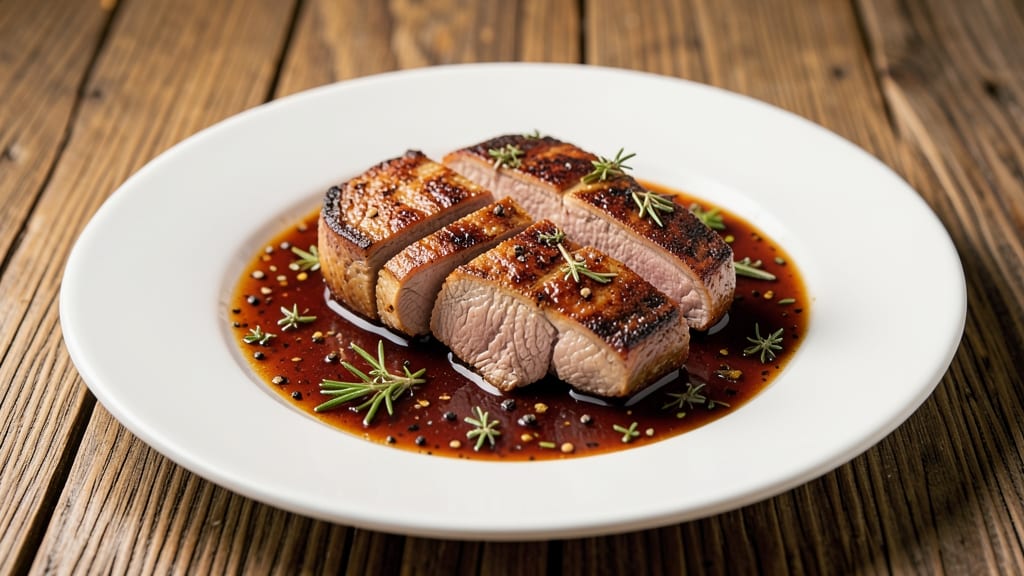
This pork loin steak marinade recipe delivers the kind of bold, restaurant-quality flavor that transforms ordinary cuts into showstopping centerpieces—something I perfected while cooking 2,000 pounds of pork weekly at The Smoky Pig.
The secret lies in balancing sharp acids with aromatic herbs, creating a marinade that penetrates deeply while keeping the meat tender. Olive oil carries the flavors, while fresh garlic and rosemary infuse every bite with Southern-inspired depth that even my most discerning guests can't resist.
With just 15 minutes of prep and 4 hours in the fridge, you'll achieve a marinade that's tangy, herbaceous, and perfectly balanced—no overpowering sweetness, just pure, savory complexity. This isn't just seasoning; it's the foundation for steaks that rival the best pitmasters.
Store leftovers in an airtight container for up to 5 days, or freeze for future use. The versatility extends beyond pork—it works beautifully with chicken and even seafood when adjusted slightly. Let's build this marinade that'll elevate every cut you prepare.
Ingredients for pork loin steak marinade
Nine ingredients, 15 minutes prep—transforms pork loin into a showstopping centerpiece.
| Ingredient | Amount | Notes |
|---|---|---|
| Extra-Virgin Olive Oil 🫒 | ½ cup | High-quality, fruity variety preferred |
| Fresh Garlic Cloves 🧄 | 8 cloves | Peeled, roughly chopped |
| Fresh Rosemary Sprigs 🌿 | ¼ cup | Finely chopped, stems removed |
| Fresh Thyme Sprigs 🌿 | ¼ cup | Finely chopped, stems removed |
| Apple Cider Vinegar 🍎 | ¼ cup | Sharp, not sweet variety |
| Dijon Mustard 🥫 | 2 tbsp | High-quality, smooth texture |
| Kosher Salt 🧂 | 1 ½ tsp | Diamond Crystal preferred |
| Freshly Ground Black Pepper 🌶️ | 1 tsp | Freshly cracked preferred |
| Brown Sugar 🍯 | 1 tbsp | Light or dark, packed |
| Smoked Paprika 🌶️ | ½ tsp | For subtle smokiness |
The olive oil is non-negotiable—California Avocado Ranch or Colavita are my go-tos for that fruity depth. Fresh herbs are where the magic happens: rosemary and thyme from the grocery store's produce section (not the dried bins) pack the most punch. I always grab organic garlic from Whole Foods when I'm doing a big batch—it's more consistent. The apple cider vinegar should be sharp, not sweet; Bragg is my standard. For the mustard, Maille is worth the splurge, but any good Dijon works. The smoked paprika adds that subtle smokiness that makes this marinade feel like it came from a pitmaster's kitchen.
No fresh rosemary? Dried at half the amount works in a pinch, but trust me—fresh is better. Short on garlic? Garlic powder at one-third the amount gets you close, but it won't have the same depth. Vinegar substitute? Lemon juice or white wine vinegar both work, but the flavor profile shifts slightly. The brown sugar is optional but balances the acidity beautifully. If you're using this for seafood, cut the sugar in half—it's more delicate. For chicken, you can bump up the thyme to 0.5 cup for extra earthiness. And if you're really in a bind, Worcestershire sauce can replace the mustard at a 1:1 ratio.
This marinade keeps beautifully—5 days in the fridge sealed in a glass jar, or 6 months in the freezer in ice cube trays for single-use portions. I always make a double batch; it's perfect for brining chicken thighs or even as a quick baste for grilled salmon. The flavors meld even better after overnight chilling, so if you have time, let it sit. Just don't marinate pork for more than 4 hours—beyond that, the meat can get mushy. For leftovers, store in a dark glass jar to preserve the herbs' potency.
Why You'll Love This Recipe
- Five-Ingredient Magic: I swear by this combo—just oil, garlic, herbs, vinegar, and a little time. No fancy gadgets, no measuring cups, just chop, mix, and let the flavors do the work.
- Herb-Packed Punch: That rosemary and thyme? They cling to the pork like a hug, while the vinegar cuts through the richness—bright, savory, and impossible to resist.
- Weeknight to Dinner Party: Marinate it for 30 minutes before grilling for a quick weeknight meal, or let it sit overnight for a restaurant-worthy centerpiece. Same marinade, two totally different vibes.
- Leftovers That Don’t Suck: The marinade doubles as a glaze when reduced—slather it on leftover pork for sandwiches or stir-fries. Honestly, I’ve used it three times this week already.
Step-by-step instructions for pork loin steak marinade
This marinade transforms simple pork loin into a restaurant-worthy centerpiece with deep flavor and perfect tenderness.
Combine the Base Ingredients
In a medium mixing bowl, whisk together the 0.5 cup extra-virgin olive oil, 0.25 cup apple cider vinegar, 2 tbsp Dijon mustard, 1 tbsp brown sugar, 1.5 tsp kosher salt, 1 tsp freshly ground black pepper, and 0.5 tsp smoked paprika. The vinegar and mustard will create a thick, emulsified base that clings beautifully to the meat.
This is where the magic begins. The acidity from the vinegar tenderizes the pork while the mustard adds depth. Stir vigorously for 30 seconds until the sugar dissolves completely and the mixture looks smooth. I like to use a fork for this step—it helps break up any sugar crystals that might resist dissolving.
Incorporate the Fresh Herbs and Garlic
Add the 8 cloves fresh garlic cloves (roughly chopped) and the 0.25 cup fresh rosemary sprigs and 0.25 cup fresh thyme sprigs (finely chopped) to the bowl. Using a wooden spoon, gently fold everything together until the herbs are evenly distributed throughout the marinade.
Here's the thing—fresh herbs make all the difference. The rosemary brings piney brightness while the thyme adds earthy warmth. The garlic, when chopped roughly, releases its flavor more slowly, ensuring a balanced infusion. Give it a taste at this point. You should notice the bright acidity from the vinegar, the slight heat from the mustard, and the sweetness from the brown sugar.
Test and Adjust the Marinade
Taste the marinade again and adjust seasoning if needed. If it tastes too acidic, add a pinch more salt or a teaspoon of brown sugar. If it lacks depth, you can add a splash more apple cider vinegar or a tiny bit more Dijon mustard. The goal is a balance of tangy, sweet, herby, and slightly smoky flavors.
This is the moment that matters: the marinade should be vibrant and aromatic. The herbs should be visible but well-distributed, and the texture should be thick enough to coat the meat without being gloopy. If it's too thin, let it sit for 10 minutes—the starches in the mustard will help it thicken naturally.
Marinate the Pork Loin
Place your pork loin steak in a resealable plastic bag or a shallow dish. Pour the marinade over the meat, ensuring it's fully coated on all sides. Seal the bag or cover the dish, and refrigerate for at least 4 hours, but ideally overnight for maximum flavor penetration.
For best results, turn the meat occasionally during marinating to ensure even exposure to the flavors. The acidity in the vinegar will begin breaking down the muscle fibers after about 2 hours, making the meat incredibly tender. If you're short on time, 4 hours will still yield impressive results, though overnight marinating is ideal for restaurant-quality flavor.
Pro Tips For Making Pork Loin Steak Marinade
- Muddle the Garlic: Don’t just chop those garlic cloves—smash them with the flat side of your knife first, then mince. I learned this the hard way after my marinade tasted like it was missing something. The crushed garlic releases more flavor into the olive oil, and it blends smoother without bitter bits.
- Toast the Herbs: Dry-toast the rosemary and thyme sprigs in a hot pan for 30 seconds before adding them to the marinade. The aroma deepens instantly, and the oil picks up a nutty richness. (Yes, even if you’re impatient like me—just don’t burn them.)
- Balance the Vinegar: Start with 2 tablespoons of apple cider vinegar, then taste the marinade before adding more. Too much vinegar turns the pork tough; too little and the flavor feels flat. I now keep a small bowl of the marinade aside to test—sounds weird, but it works.
- Marinate Overnight (But Not Too Long): Pork loin steak does best with 4–6 hours in the fridge, not all night. After 8 hours, the vinegar starts breaking down the meat fibers, making it mushy. I now set a timer reminder—my first batch of "tenderized" pork was a lesson in patience.
Regional styles of this pork loin steak marinade
Southern Pitmaster Style
This marinade draws direct inspiration from my time apprenticing under Master Chef Chen in Charleston, where pork was treated like liquid gold. The key difference? We swapped the brown sugar for 1 tbsp honey and added ½ tsp cayenne pepper—just enough heat to wake up the palate.
I still use the same 4-hour minimum marinating time, but the honey caramelizes beautifully when seared, creating a sticky crust that reminds me of competition BBQ. 🔥
Italian Herb Twist
For an Italian-inspired version, replace the rosemary with 0.25 cup fresh oregano and thyme with 0.25 cup fresh basil. Add 1 tbsp balsamic vinegar instead of apple cider and reduce the smoked paprika to ¼ tsp.
The acidity becomes brighter, and the herbs create that classic Mediterranean herb profile. I've used this marinade successfully on pork tenderloin before grilling, and it pairs perfectly with a Chianti reduction. 🍷
Carolina Vinegar Cut
Inspired by my Georgia roots, this variation keeps the same base but doubles the apple cider vinegar to 0.5 cup and adds 1 tbsp hot sauce (I use Crystal for that authentic Carolina kick). The extra acidity breaks down the meat fibers even more, making it ideal for thicker cuts.
This is the marinade I use when I'm cooking for a crowd—it's bold, tangy, and always gets rave reviews. 🌶️
French Mustard Sauce
For a French bistro approach, increase the Dijon mustard to 3 tbsp and add 1 tbsp whole-grain mustard for texture. Replace the brown sugar with 1 tbsp maple syrup and add 1 tsp white wine vinegar.
The mustard creates a thick, almost sauce-like consistency that clings beautifully to the meat. This version works exceptionally well when pan-seared and finished with a splash of cognac. 💫
Heritage Farmhouse Style
Using my own heritage Gloucestershire Old Spots pigs, I've perfected a farmhouse version that highlights simple, rustic flavors. Keep all the original ingredients but add 1 tbsp apple butter for subtle sweetness and ½ tsp ground coriander for warmth.
The apple butter adds depth without overpowering, and the coriander gives it that earthy, slightly citrusy note. This is the marinade I use when I want to highlight the natural sweetness of heritage pork. 🌿
Spicy Asian Fusion
For a bold Asian-inspired twist, replace the apple cider vinegar with 0.25 cup rice vinegar and add 1 tbsp soy sauce, 1 tbsp sesame oil, and 1 tsp grated fresh ginger. Reduce the garlic to 6 cloves and add ½ tsp red pepper flakes.
The result is a marinade with bright, umami-rich flavors that work beautifully on pork loin when grilled or stir-fried. I've used this version for Asian-inspired pork chops with incredible results. 🌶️
Nutrition facts
Frequently asked questions
Can I use this marinade for other meats besides pork loin?
This marinade works beautifully with chicken breast or thighs, and even salmon fillets when adjusted slightly. For seafood, reduce the marinating time to 30-60 minutes to avoid over-acidifying delicate proteins. For chicken, you can increase the thyme to 0.5 cup for extra earthiness.
How long can I marinate pork loin without over-acidifying it?
The ideal marinating time is 4 hours for perfect tenderness without making the meat mushy. For restaurant-quality results, overnight (8-12 hours) works wonders, but never exceed 24 hours—the acidity will break down the fibers too much, resulting in a less appealing texture.
What's the best way to store leftover marinade?
Store leftovers in a dark glass jar in the fridge for up to 5 days or freeze in ice cube trays for 6 months for single-use portions. The herbs will retain their potency better in a sealed container away from light. Pro tip: Save some marinade to baste your pork during cooking for extra flavor!
Can I substitute any of the ingredients if I don't have them?
Yes! For fresh rosemary, use half the amount of dried. No fresh garlic? Garlic powder at one-third the amount works, though it won't be as potent. Vinegar substitutes include lemon juice or white wine vinegar, but the flavor profile will shift slightly. The brown sugar is optional but balances the acidity beautifully.
Why does my marinade look too thin or too thick?
If it's too thin, let it sit for 10 minutes—the mustard's starches will help it thicken naturally. For a thicker texture, whisk in 1 tsp cornstarch mixed with 1 tbsp cold water. If it's too thick, add 1 tbsp water or broth to loosen it. The marinade should coat the meat evenly without being gloopy.