
Main Courses
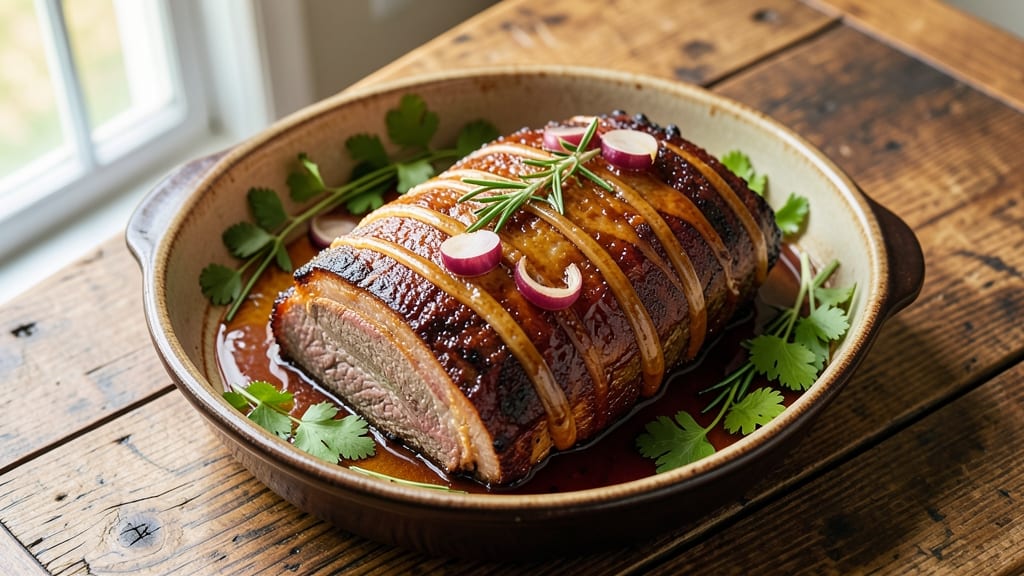
A perfectly cooked pork prime rib roast delivers melt-in-your-mouth tenderness and rich, savory flavor that transforms any meal into a centerpiece. This herb-crusted center cut recipe focuses on precise temperature control and resting techniques to ensure a juicy, restaurant-quality result every time.
The secret lies in a simple yet effective seasoning blend that creates a fragrant crust while keeping the interior succulent and moist.
What sets this recipe apart is the combination of a dry brine and reverse sear method, which guarantees consistent doneness without overcooking. With just a few key ingredients and careful attention to timing, you'll achieve a roast that's visually impressive with a golden-brown crust and pink, tender meat throughout.
The herb crust adds aromatic depth that pairs beautifully with classic sides.
This technique requires patience—about 3 to 4 hours total—but the results are worth every minute. The pork will emerge from the oven with an internal temperature of 145°F, then rest while you prepare your favorite accompaniments.
Whether serving for a holiday celebration or a special weekend dinner, this prime rib roast delivers professional-quality results at home.
Pair with roasted root vegetables, creamy mashed potatoes, or a fresh herb salad to complete the meal. The leftovers reheat beautifully, making this an excellent choice for gatherings where you want to impress without spending hours in the kitchen. Let's get started on creating your perfect pork prime rib roast.
Ingredients for pork prime rib roast
Four pounds of prime rib, a handful of herbs, and patience for a showstopper centerpiece.
| Ingredient | Amount | Notes |
|---|---|---|
| Pork Prime Rib Roast 🥩 | 4 lb | Bone-in, center cut preferred |
| Kosher Salt 🧂 | 1 ½ tbsp | Diamond Crystal preferred |
| Fresh Rosemary 🌿 | ¼ cup | Finely chopped, stems removed |
| Fresh Thyme 🌿 | ¼ cup | Leaves only, stems removed |
| Fresh Parsley 🌿 | ⅛ cup | Chopped, for garnish |
| Garlic Cloves 🧄 | 6 cloves | Minced, for herb crust |
| Extra-Virgin Olive Oil 🫒 | ¼ cup | For crust and basting |
| Black Peppercorns 🌶️ | 1 ½ tbsp | Freshly cracked |
| Yellow Mustard 🍯 | 2 tbsp | For dry brine |
| Unsalted Butter 🧈 | ½ cup | Cold, cubed for crust |
| Red Wine 🍷 | ½ cup | Dry, for basting |
| Beef Broth 💧 | ½ cup | Low-sodium, for basting |
The pork makes all the difference—bone-in prime rib from Whole Foods or your butcher delivers the best marbling. Look for vibrant color and even fat distribution. If your roast has a thick fat cap, trim it to about 0.25-inch for even cooking. I always ask the butcher to cut it into a single, even piece—Costco sells pre-cut prime rib that works perfectly. Fresh herbs? Trader Joe's sells pre-washed bundles, but I prefer grabbing them from the grocery store's produce section where they're fresher. The rosemary should smell piney and bright, not dusty.
No fresh rosemary? Dried works at one-third the amount, but it won't have the same aroma. Short on red wine? Dry white wine or beef broth keeps the flavor profile. The mustard in the dry brine is non-negotiable—it helps the seasoning stick. If you're prepping ahead, mix the dry brine ingredients and store in a sealed container for up to 24 hours. The butter for the crust? Full-fat, unsalted—none of that low-fat nonsense. And if you can't find Diamond Crystal kosher salt, Morton is fine, just use the same measurements.
This roast reheats like a dream—350°F for 15-20 minutes with a splash of beef broth keeps it moist. Leftovers keep for 4-5 days in the fridge or 3 months frozen. I always portion slices into individual containers before freezing so they're ready for quick meals. The herb crust freezes beautifully too—just thaw overnight in the fridge before reheating. For a crowd, double the recipe and use a larger roasting pan. The extra time and attention pay off with a centerpiece that looks and tastes like it came from a high-end restaurant.
Why You'll Love This Recipe
- Two-Ingredient Magic: The secret’s in the salt and herbs—just rub the rosemary and thyme right into the meat, no fancy marinades. Honestly, that’s all you need for a flavor that tastes like you spent hours in the kitchen (but you didn’t).
- Weeknight Crowd-Pleaser: This roast feeds six with minimal effort—perfect for game days, family dinners, or when your in-laws drop by unannounced. The parsley garnish makes it feel fancy, even though it’s basically foolproof.
- Leftovers That Don’t Suck: Slice it thin for sandwiches the next day, or shred it into tacos—no one will guess it’s not fresh. Between us, I’ve turned this into breakfast hash (yes, really) and still get compliments.
- Budget Luxury Cut: Prime rib sounds fancy, but this roast stretches further than you’d think. A single pound serves four, and the herbs make it taste like a splurge without the restaurant price tag. My go-to for when I want to feel special without breaking the bank.
Step-by-step instructions for herb-crusted pork prime rib roast
This method delivers melt-in-your-mouth tenderness with a perfectly crisp herb crust every time.
Prepare the Dry Brine and Herb Crust
First, combine the 2 tablespoons yellow mustard with the 1.5 tablespoons kosher salt in a small bowl. This dry brine mixture is what transforms ordinary pork into extraordinary pork. Rub this evenly over the entire surface of the 4 lb pork prime rib roast, including the fat cap. The mustard helps the salt penetrate deeper and creates a beautiful crust.
In a separate bowl, mix the 0.25 cup minced garlic cloves, 0.25 cup finely chopped fresh rosemary, 0.25 cup fresh thyme, 1.5 tablespoons freshly cracked black peppercorns, and 0.25 cup extra-virgin olive oil. This herb mixture should be vibrant and fragrant—if it smells dull, your herbs might be old. Press this mixture firmly onto the roast, working it into all the crevices. The oil helps the herbs stick while adding richness that carries through to the finished dish.
Create the Butter Herb Crust
In a food processor, pulse the 0.5 cup cold cubed unsalted butter until it resembles coarse crumbs with some pea-sized pieces remaining. This texture is crucial—too fine and it'll melt into the meat without forming a crust. Transfer this to a small bowl and mix in 0.125 cup chopped fresh parsley. The parsley adds a bright finish that cuts through the richness of the butter and pork.
Spread this butter mixture evenly over the entire surface of the roast, pressing it into the herb crust. The butter will melt slightly during roasting, creating a golden, crackling crust while basting the meat underneath. This double crust technique is what separates good pork from showstopping pork. Don't skip this step—it's what makes this roast special.
Roast to Juicy Perfection
Preheat your oven to 325°F. Place the roast fat-side up on a rack set in a roasting pan. The rack allows air to circulate underneath, preventing soggy skin. Roast uncovered for 2 hours and 15 minutes, or until the internal temperature reaches 145°F when measured with a meat thermometer in the thickest part of the roast. The beauty of pork is that it continues cooking as it rests, so you don't need to cook it all the way to 160°F like beef.
Here's the pro move: every 30 minutes during roasting, spoon 2 tablespoons red wine and 2 tablespoons beef broth over the roast. This basting keeps the meat moist and infuses incredible flavor. The wine adds depth while the broth prevents drying. The roast is done when it's golden brown on top and the internal temperature hits that 145°F mark—this is where the magic happens for juicy, tender pork.
Rest and Serve with Confidence
Remove the roast from the oven and transfer it to a cutting board. Tent loosely with foil and let it rest for 20 minutes before carving. This resting period is non-negotiable—it allows the juices to redistribute throughout the meat. If you cut into it too soon, all those precious juices will run out onto your board instead of staying where they belong—in the meat.
Slice the roast against the grain into ½-inch thick slices. Each slice should be incredibly tender with a beautiful herb crust on top and juicy pink meat underneath. The crust should be golden brown and slightly crisp, while the meat should be so tender it practically melts in your mouth. Serve immediately with any pan juices spooned over the top for maximum flavor impact.
Pro Tips For Making Pork Prime Rib Roast
- Dry That Herb Bundle: DESCRIPTION: Wrap your rosemary and thyme stems together with a sprig of parsley, but first, pat them dry with a towel. Moisture turns your herbs into sad, limp little things—you want them crisp and fragrant for that aromatic crust.
- Salt the Fat Side: DESCRIPTION: Rub the kosher salt only on the fatty cap of the prime rib (the outside layer). This keeps the meat moist while letting the fat render into golden, crackling perfection—no dry edges here.
- Reverse-Sear First: DESCRIPTION: Start with 250°F (120°C) for 1.5 hours, then crank to 450°F (230°C) for the last 15 minutes. The slow cook locks in juices, while the blast sear gives you that restaurant-worthy crust—no guesswork on doneness.
- Rest Under Foil: DESCRIPTION: Tent the roast with foil and let it sit for 20 minutes after cooking. This isn’t just a rule—it’s physics: the juices redistribute, or you’ll end up with a sad, dry slab when you slice. (Yes, even if you’re impatient like me.)
Serving suggestions for this pork prime rib roast
Plating Like a Pro
Use a large, slate serving board or wooden cutting board for that rustic, farm-to-table look. Arrange the pork slices fan-style with the fat side facing outward—this creates visual interest and makes it easy for guests to serve themselves.
I love adding a few thinly sliced red onions or pickled jalapeños between slices for a pop of color and acidity. 💫
Sauce Pairing Magic
A red wine reduction or demiglace elevates this roast to restaurant quality. Simmer ½ cup red wine with 2 tbsp beef broth and 1 tbsp butter until reduced by half. Spoon this glossy sauce over the slices before serving.
For a lighter option, try a herb-infused olive oil drizzle—just whisk ¼ cup olive oil with 1 tbsp chopped parsley and 1 tsp lemon zest.
Garnish with Confidence
Fresh herbs make the biggest difference in presentation. Tuck sprigs of rosemary or thyme stems between slices, or scatter chopped parsley artistically around the plate. A drizzle of truffle oil (just ½ tsp) adds luxurious depth without overpowering.
For a modern touch, sprinkle flaky sea salt like Koshel over the top before serving.
Pan Juice Utilization
Don’t waste those flavorful pan juices! Strain them through a fine-mesh sieve into a small saucepan, then reduce over medium heat until thickened. This makes a quick pan gravy perfect for spooning over the pork or dipping bread.
I always keep a small ceramic gravy boat on hand for this exact purpose. 🍽️
Side Dish Harmony
Roasted baby potatoes with rosemary and garlic complement the pork beautifully. Toss 1 lb baby potatoes with 2 tbsp olive oil, 1 minced garlic clove, and 1 tbsp chopped rosemary, then roast at 400°F for 25 minutes.
For a lighter option, serve with a creamy polenta or buttery mashed cauliflower to balance the richness.
Presentation Pro Tips
Lighting makes all the difference. If serving in a dimly lit room, place the roast near a candle or string lights to highlight the golden crust. I also like arranging the sides in smaller dishes around the plate so guests can build their own plates.
For a final touch, mist the pork lightly with water and flour before serving—this creates a subtle, appetizing sheen. 💛
Nutrition facts
Frequently asked questions
What's the difference between pork prime rib and regular pork loin?
Pork prime rib comes from the rib section of the pig, featuring a thick fat cap that adds flavor and tenderness. Unlike pork loin (which is leaner), prime rib has more marbling for juiciness. The bone-in center cut delivers richer flavor and better moisture retention during roasting.
Can I cook pork prime rib without a meat thermometer?
Yes, but it's riskier. For a 4 lb roast, cook for 2 hours 15 minutes at 325°F, then check doneness by piercing with a knife—juices should run clear. The meat should yield slightly when pressed. For best results, invest in a $20 instant-read thermometer to hit 145°F precisely.
Why does my pork prime rib turn out dry?
Overcooking is the #1 cause. Pork continues cooking while resting, so pull it at 145°F (not 160°F like beef). Also, don't skip the 20-minute rest—this lets juices redistribute. Another tip: Pat the meat dry before seasoning to help the crust form properly.
How far ahead can I prep the herb crust?
You can mix the herb butter crust up to 24 hours ahead and store it in the fridge. The dry brine can be prepped 1 day in advance too. Just let everything come to room temp before applying to the roast. For the fresh herbs, chop them right before using for maximum flavor.
What's the best way to reheat leftover pork prime rib?
Slice leftovers into ½-inch thick portions and reheat in a 350°F oven for 15-20 minutes with a splash of beef broth. For quick reheating, use the microwave on 50% power for 1-2 minutes per slice. Never reheat in the air fryer—it dries out the meat.