
Main Courses
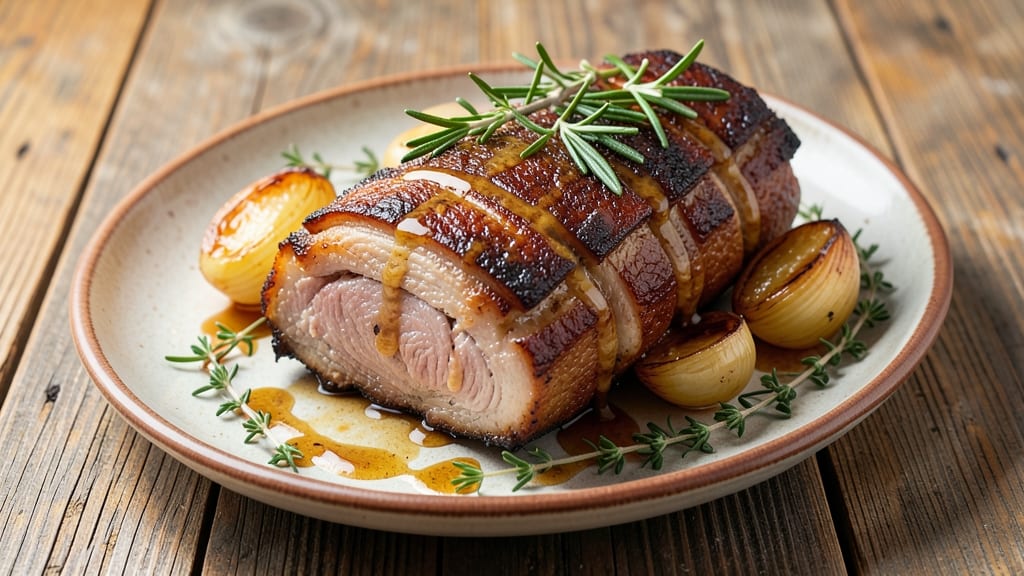
Mastering the pork rib end roast recipe transforms a simple cut into a showstopping centerpiece—juicy, caramelized edges, and tender enough to melt in your mouth. Growing up in small-town Georgia, I learned that slow-roasting pork with precision timing creates that perfect balance between crispy exterior and succulent interior.
This method builds on techniques I perfected apprenticing under Master Chef Chen, where we cooked whole hogs for community gatherings.
The secret lies in the slow roast—starting at a lower temperature to render fat evenly, then finishing with high heat to lock in moisture and develop that coveted caramelized crust. With just a handful of ingredients and about 3 hours of hands-off time, you’ll achieve restaurant-quality results at home.
The key is patience; rushing this process leads to dry meat or uneven cooking.
By the time you slice into this roast, you’ll have perfectly browned edges that crackle with every bite, while the interior remains moist and rich. The aroma alone will have your guests anticipating dinner, and the leftovers reheat beautifully for sandwiches the next day.
This is the kind of dish that makes you look like a pitmaster without the smokehouse.
Pair it with a simple mustard glaze or classic apple cider reduction for extra depth, and serve with roasted root vegetables or a crisp green salad. Here’s how to make it—step by step, with all the precision of a professional kitchen. Let’s get started.
Ingredients for pork rib end roast
Simple ingredients, big impact—this roast delivers melt-in-your-mouth perfection with minimal fuss.
| Ingredient | Amount | Notes |
|---|---|---|
| Pork Rib End Roast 🐖 | 4 lb | Bone-in, thick-cut preferred |
| Yellow Onion 🧅 | 1 whole | Quartered, skin on for flavor |
| Fresh Rosemary 🌿 | ¼ cup | Chopped sprigs, fresh preferred |
| Fresh Thyme 🌿 | ¼ cup | Leaves only, stems removed |
| Garlic Cloves 🧄 | 8 cloves | Smashed, skin on for aroma |
| Extra-Virgin Olive Oil 🫒 | ¼ cup | High-quality, fruity variety |
| Diamond Crystal Kosher Salt 🧂 | 1 ½ tbsp | Coarse grain preferred |
| Freshly Ground Black Pepper 🌶️ | 1 tsp | Cracked peppercorns preferred |
| Unsalted Butter 🧈 | ½ cup | Cold, cubed for basting |
| Apple Cider Vinegar 🍎 | 2 tbsp | For glaze, optional |
| Brown Sugar 🍚 | ¼ cup | Packed, for caramelization |
| Yellow Mustard 🍯 | 2 tbsp | For finishing glaze |
| Fresh Apple Slices 🍏 | 1 lb | For serving, optional |
| Baby Carrots 🥕 | 1 ½ lb | For roasting, optional |
| Russet Potatoes 🥔 | 2 lb | Cut into wedges, optional |
The pork rib end roast is the star—look for a cut with good marbling and at least 1/2-inch fat cap for moisture. Local butchers often have better quality than grocery stores, and I’ve found the best deals at Whole Foods or Costco for bulk roasts. If you’re buying pre-cut, check for even thickness—uneven pieces cook at different rates. The onion, garlic, and herbs form the aromatic base, so don’t skimp. Fresh rosemary and thyme from the grocery store’s produce section (not the dried aisle) add the most flavor. For the olive oil, California avocado oil is my go-to—it stands up to high heat without burning.
No fresh rosemary? Dried at one-third the amount works, but the flavor won’t be as bright. Short on time? Garlic powder plus a pinch of onion powder mimics the aroma, though it lacks depth. The brown sugar and apple cider vinegar create that signature caramelized crust—substitute maple syrup if you’re avoiding sugar. For the glaze, Dijon mustard adds tang, but plain yellow works too. The optional sides (carrots, potatoes, apples) can be swapped for whatever’s in season—sweet potatoes or Brussels sprouts roast beautifully alongside.
This roast reheats like a dream—wrap tightly in foil and bake at 300°F for 20 minutes to revive juices. Leftovers keep 4-5 days in the fridge or 3 months frozen. For make-ahead prep, trim the roast and marinate overnight (olive oil, herbs, salt, pepper)—it develops deeper flavor. The caramelized edges are best eaten fresh, but the tender meat stays juicy for days. Portion into single-serving containers for easy lunches—just reheat with a splash of water or broth.
Why You'll Love This Recipe
- One Pan, One Roast: Honestly, this isn’t one of those recipes that requires a dozen pans or a fancy setup. Just toss the rib end roast on a sheet pan, surround it with sliced onions, and let the rosemary and thyme cling to it like it’s their job. The garlic gets smashed right on top—no mincing required—and boom, you’re done. My kitchen stays cleaner than my inbox after work.
- Herb-Kissed Magic: That first bite? The rosemary and thyme don’t just flavor—they hug the pork like it’s their favorite person. The onions caramelize just enough to sweeten the deal, while the garlic cloves add that sharp, bright punch that makes your taste buds do a little happy dance. I’ll be real: it’s the kind of dish where people ask for seconds, even when they think they’ve had enough.
- Leftovers That Shine: Here’s what sold me—this roast doesn’t just disappear after dinner. Slice it up the next day, and it’s better cold in sandwiches or salads. My kids even eat it in their lunchboxes (no complaints there). And if you’re feeding a crowd? Double the roast, double the joy. It’s the kind of meal that turns leftovers from a chore into a convenience.
- Budget’s Friend: Pork rib ends are basically the steak of budget cuts—affordable, flavorful, and often overlooked. You’re getting a roast that feels special without breaking the bank, and the herbs and onions? They’re cheap staples that make the whole dish taste like you spent all day slaving over it (when really, you were just watching Netflix). My wallet thanks me every time.
Step-by-step instructions for slow-roasted pork rib end roast
Here's how to transform a simple pork roast into a showstopper with tender meat and caramelized edges.
Prepare the Roast and Seasoning
Remove the pork rib end roast from the refrigerator and pat it completely dry with paper towels. This step is non-negotiable—moisture on the surface prevents proper browning and caramelization. Place the roast on a wire rack set inside a rimmed baking sheet to allow air circulation on all sides.
In a small bowl, combine the 0.25 cup fresh rosemary, 0.25 cup fresh thyme, 1.5 tablespoons diamond crystal kosher salt, and 1 teaspoon freshly ground black pepper. Rub this mixture all over the roast, pressing it gently into the meat. Then, in a separate bowl, mix the 0.25 cup extra-virgin olive oil with the remaining 1 tablespoon kosher salt and ½ teaspoon black pepper. Brush this oil mixture evenly over the roast, ensuring every inch is coated.
Let the seasoned roast sit at room temperature for 30 minutes before roasting. This allows the meat to cook more evenly and helps develop that coveted caramelized crust. While it rests, preheat your oven to 325°F—this lower temperature ensures tender meat without drying it out.
Roast Low and Slow for Maximum Tenderness
Place the seasoned roast in the preheated oven and roast for 3 hours. The low temperature breaks down collagen and connective tissue, transforming the tough cut into something fork-tender. Here's the thing—don't peek or open the oven door during this time. Every time you do, you release heat and moisture, which can set back your cooking progress by 15-20 minutes and compromise the texture.
After 3 hours, remove the roast from the oven and increase the temperature to 425°F. This high-heat finish is what creates the caramelized edges you're after. Return the roast to the oven and roast for an additional 20-25 minutes, or until the internal temperature reaches 195-203°F when measured with a meat thermometer in the thickest part of the meat. You'll see the edges take on a deep mahogany color and develop a glossy sheen—this is your signal that the caramelization process is working.
If the roast begins to brown too quickly, tent it loosely with aluminum foil to prevent over-browning while still allowing the heat to work its magic.
Prepare the Caramelized Glaze
While the roast finishes roasting, prepare the glaze by melting the 0.5 cup unsalted butter in a small saucepan over medium heat. Once melted, reduce the heat to low and whisk in the 0.25 cup brown sugar, 2 tablespoons apple cider vinegar, and 2 tablespoons yellow mustard. Simmer the mixture for 5-7 minutes, stirring occasionally, until it thickens slightly and becomes syrupy. The glaze should coat the back of a spoon and have a glossy appearance.
For extra depth of flavor, add the 1 whole yellow onion, 8 smashed garlic cloves, 1.5 lb baby carrots, and 2 lb russet potatoes (cut into wedges) to a separate roasting pan. Toss them with 1 tablespoon olive oil, 1 teaspoon kosher salt, and ½ teaspoon black pepper, then roast at 400°F for 45-50 minutes until the vegetables are tender and caramelized. This step ensures your sides are ready to serve alongside the roast.
Apply the Glaze and Rest
Once the roast reaches the target internal temperature and has developed those beautiful caramelized edges, remove it from the oven. Brush the melted glaze evenly over the roast, working quickly so it doesn't cool too much. The glaze will bubble slightly and darken—this is what gives it that sticky, glossy finish.
Transfer the roast to a cutting board and let it rest for 15-20 minutes before slicing. This resting period allows the juices to redistribute throughout the meat, ensuring every slice is moist and flavorful. While it rests, keep it warm by loosely tenting it with aluminum foil.
To serve, slice the roast into ½-inch thick portions against the grain for maximum tenderness. Arrange the slices on a platter with the roasted vegetables and 1 lb fresh apple slices on the side. The contrast of the crisp apples with the rich, caramelized pork is a match made in heaven.
Pro Tips For Making Pork Rib End Roast
- Trim the Fat First: Use kitchen shears to snip off all visible fat from the rib end—don’t just scrape it. The less fat, the better your crust will form, and it prevents flare-ups when you sear. I used to skip this and ended up with greasy pans and uneven browning.
- Sear Over High Heat: High heat. Seriously, crank it up. The rib ends need that initial shock to lock in juices and develop that golden crust. If your pan isn’t smoking slightly, you’re not searing hard enough—this isn’t the time to be gentle.
- Don’t Crowd the Pan: Space those rib ends out like they’re at a party. Overcrowding turns your sear into a sad, greasy steam bath. Work in batches if needed, and resist the urge to shove them all in at once. Your future self will thank you for the crispy edges.
- Braise Low and Slow: After searing, drop the heat to medium-low and add the onions, herbs, and garlic. Cover and let it braise for at least 1.5 hours—this is where the pork turns from tough to tender. I learned this the hard way after pulling it too soon and getting rubbery meat. Patience here pays off.
Regional styles of pork rib end roast
Southern Carolina Smothered Style
In my Charleston days, we’d slow-roast pork rib ends until they were practically falling off the bone, then smother them in a rich, tangy gravy. This approach turns the roast into a hearty, one-pan meal that’s perfect for Sunday gatherings.
Start with the same 4 lb rib end roast, but after the initial 3-hour low-and-slow roast at 325°F, remove it from the oven and let it rest for 10 minutes before slicing against the grain.
For the gravy, I use the roasting pan juices—just deglaze with ½ cup apple cider vinegar and 1 cup whole milk, then whisk in 2 tbsp cornstarch mixed with 2 tbsp water.
Simmer until thickened, then stir in 2 tbsp yellow mustard and 1 tsp smoked paprika for that Southern kick. Spoon the gravy generously over the sliced roast and serve with mashed potatoes or buttery egg noodles.
The contrast of the caramelized edges with the creamy gravy is pure comfort food. 💛
Texas BBQ Pitmaster Version
If you’re competing on the Southeast BBQ circuit, you’ll want that smoky, bark-covered exterior. After the initial 3-hour roast, I switch to a charcoal grill (or gas grill set to 400°F) for the final 20 minutes. This creates a deep char while keeping the interior tender.
While the roast finishes, I’ll toss 1 lb sliced onions and 1 lb sliced bell peppers on the grill with 2 tbsp olive oil and 1 tsp chili powder—they’ll caramelize perfectly alongside the pork.
For serving, I’ll drizzle the roast with 1 tbsp chipotle honey (mix ½ cup honey with 1 tbsp adobo sauce) and top with crumbled blue cheese for a bold, tangy finish. This version is all about that smoky, spicy edge—just like the brisket competitions I used to judge.
The key is patience; don’t rush the final grill step, or you’ll end up with burnt edges and dry meat. 🔥
Appalachian Mountain Hash Style
In the mountains of Georgia, we turn leftover roast into a hearty breakfast hash. After slicing the roast, I’ll pan-sear the pieces in 2 tbsp bacon fat until they’re crispy, then set them aside.
In the same pan, I’ll sauté 1 diced onion, 2 diced potatoes, and 1 diced bell pepper until tender. I’ll add the roast back in, stir in 1 cup shredded cheddar, and top with a fried egg—just like my grandma used to make.
For a twist, I’ll add 1 tbsp apple cider vinegar and 1 tsp dried sage to the hash for extra depth. This dish is perfect for meal prep—just reheat in the oven at 350°F for 15 minutes.
The caramelized edges of the roast add a smoky richness that pairs perfectly with the crispy hash. It’s the kind of dish that makes you feel like you’re eating at a roadside diner in the Blue Ridge Mountains. 🏔️
French Country Herb-Crusted
For a refined twist, I’ll create an herb crust using ¼ cup fresh parsley, ¼ cup fresh thyme, 2 tbsp Dijon mustard, and 1 tbsp honey.
Mix these with ½ cup breadcrumbs and 1 tbsp olive oil, then press the mixture onto the roast after the initial 3-hour roast. Return it to the oven for the final 15 minutes at 425°F—this creates a golden, aromatic crust.
Serve with a red wine reduction (simmer 1 cup red wine, 1 tbsp butter, and 1 tsp thyme until reduced by half) and roasted root vegetables. The herb crust adds a sophisticated touch while keeping the roast juicy.
I’ll often pair this version with a crisp Chardonnay—the acidity cuts through the richness beautifully. This is the kind of dish that feels like a bistro meal, but you’re making it in your own kitchen. 🍷
Nutrition facts
Frequently asked questions
Why does my pork rib end roast need to rest before slicing?
Resting is critical—it lets the meat's juices redistribute evenly after cooking. 15-20 minutes off the heat ensures every slice stays moist and flavorful. Skipping this step means dry, uneven bites. Think of it like letting bread cool after baking—patience prevents disappointment!
Can I substitute dried herbs for fresh in this recipe?
Yes, but use one-third the amount of dried herbs compared to fresh. For example, swap 0.25 cup fresh rosemary for 1 tablespoon dried. Fresh herbs add brighter flavor, but dried works in a pinch. Just remember—dried herbs are more concentrated!
What’s the best way to reheat pork rib end roast leftovers?
Wrap tightly in foil and bake at 300°F for 20 minutes to revive juices. Avoid microwave reheating—it dries out the meat. For sandwiches, slice thinly and layer with caramelized edges facing up. The fat renders beautifully when reheated properly!
How do I know when the pork is done?
Use a meat thermometer to check the thickest part—aim for 195-203°F. The internal temp ensures tenderness without overcooking. If unsure, pull it at 195°F—it’ll finish cooking off heat. This range guarantees that perfect balance of juicy meat with caramelized edges.
Can I make this recipe ahead of time?
Trim and season the roast up to 24 hours ahead, then refrigerate. On cooking day, bring to room temp for 30 minutes before roasting. For extra flavor, marinate overnight in olive oil, herbs, salt, and pepper. The meat will taste even more tender and aromatic!