
Main Courses
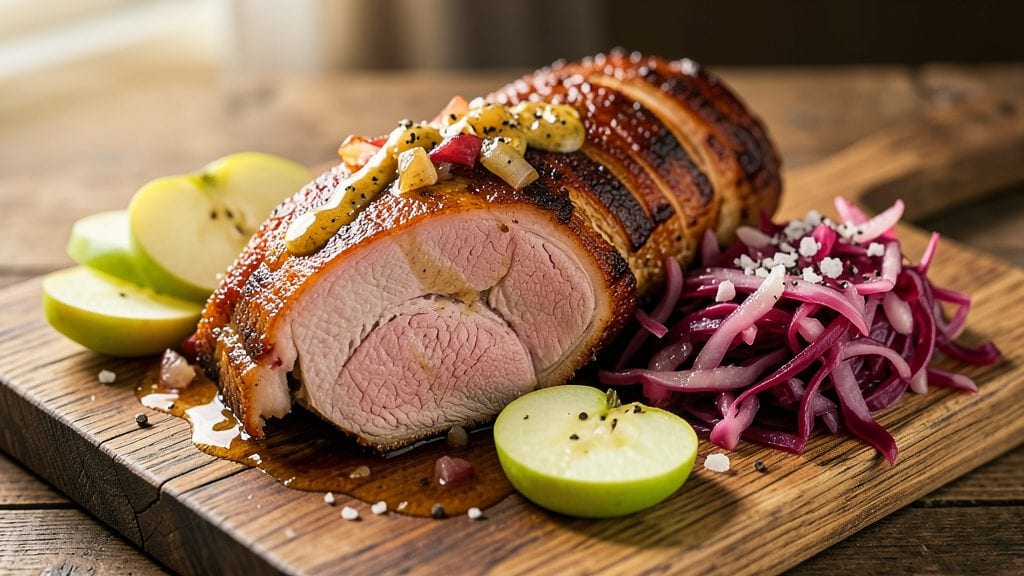
A pork roast with sauerkraut and apples recipe is the kind of dish that turns a simple Sunday dinner into a showstopper—juicy pork with a sweet-tart balance that makes leftovers taste even better.
Growing up in small-town Georgia, I learned that the secret to this classic lies in slow-roasting the pork until it’s fork-tender while letting the sauerkraut and apples caramelize into a tangy-sweet glaze.
The combination of crispy edges on the pork and the vibrant flavors of fermented cabbage and apples creates a harmony that’s both comforting and sophisticated.
This recipe delivers restaurant-quality results with a method that’s surprisingly straightforward: a simple spice rub enhances the pork’s natural richness, while the sauerkraut and apples add depth without overpowering.
The key is patience—slow-roasting at 325°F ensures the meat stays moist, and sautéing the sauerkraut and apples with a touch of mustard and vinegar transforms them into a side dish that’s almost worthy of its own plate.
Every bite delivers that perfect contrast of savory pork, tangy sauerkraut, and sweet apples.
What makes this dish truly special is how it improves with time. The flavors meld even better the next day, making it ideal for meal prep or holiday gatherings. The pork becomes so tender it practically falls apart, while the sauerkraut and apples develop a deeper caramelized sweetness.
This is the kind of meal that feels like a hug—warm, hearty, and impossible to resist. Let’s get started on a recipe that’s as rewarding to make as it is to eat.
Whether you’re serving it for a family dinner or a special occasion, this pork roast with sauerkraut and apples delivers effortless elegance. The method is foolproof, the flavors are balanced, and the leftovers?
Even better. Perfect for those who appreciate the art of slow cooking and the magic of simple, well-executed ingredients.
Ingredients for pork roast with sauerkraut and apples
Six ingredients transform into a showstopping pork roast with sauerkraut and apples.
| Ingredient | Amount | Notes |
|---|---|---|
| Bone-In Pork Loin Roast 🐷 | 4 lb | Center-cut, skin-on for crisp edges |
| Organic Sauerkraut 🥬 | 2 cups | Undrained, high-quality fermented |
| Granny Smith Apples 🍎 | 2 whole | Thinly sliced, skin-on |
| Dijon Mustard 🧂 | 2 tbsp | High-quality, not pre-mixed |
| Apple Cider Vinegar 🍎 | 2 tbsp | Raw, unfiltered preferred |
| Brown Sugar 🍚 | ½ cup | Packed, light or dark |
| Dried Thyme 🌿 | 1 tsp | Freshly crushed for aroma |
| Dried Rosemary 🌿 | 1 tsp | Chopped finely for distribution |
| Coarse Kosher Salt 🧂 | 1 tbsp | Diamond Crystal preferred |
| Freshly Ground Black Pepper 🌶️ | 1 tsp | Medium-coarse grind |
| Unsalted Butter 🧈 | ¼ cup | Cubed for rendering |
| All-Purpose Flour 🌾 | ¼ cup | For dusting pork |
| Beef Broth 🥄 | 1 cup | Low-sodium for control |
The bone-in pork loin roast is non-negotiable for this dish—professional kitchens insist on center-cut pieces with skin-on to achieve that coveted crisp exterior while maintaining juiciness. Look for organic, grass-fed options at Whole Foods or Costco for superior marbling. The sauerkraut quality dictates the final flavor profile: undrained, high-acid fermented cabbage from Thayer's or Brauhaus delivers the tangy depth required. Granny Smith apples provide the ideal sweetness-to-acid balance—thinly sliced with skin-on ensures texture contrast against the pork's tenderness.
Substitutions must respect the flavor harmony. Substitute pearl onions for apples if Granny Smiths aren't available, but reduce the brown sugar by one-quarter cup to maintain balance. For a gluten-free adaptation, cornstarch slurry replaces the flour dusting on the pork. Apple cider vinegar can be swapped for white wine vinegar at one-to-one ratio, though the depth of flavor diminishes slightly. The Dijon mustard is critical—regular yellow mustard lacks the complexity needed to complement the sauerkraut's fermentation tang.
The pork roast benefits from overnight refrigeration after seasoning to allow flavors to penetrate deeply before roasting. Store the sauerkraut mixture in an airtight container with parchment paper over the apples to absorb excess moisture, keeping it fresh for up to one week. For optimal texture, pat the pork dry thoroughly before dusting with flour to ensure proper browning. Leftovers reheat beautifully when covered with broth and warmed gently—the pork becomes even more tender with each day, while the sauerkraut-apple mixture develops a caramelized depth that rivals restaurant-quality preparations.
Why You'll Love This Recipe
- One-Pan Magic: Honestly, I swear by this—just toss the pork, sauerkraut, and sliced apples in one roasting pan, drizzle with mustard and vinegar, and walk away. The apples caramelize right alongside the pork, so you’re not stuck with a separate side to prep.
- Tangy-Sweet Balance: That Granny Smith crunch cutting through the rich pork? Chef’s kiss. The sauerkraut’s sharpness and the apple cider vinegar’s brightness keep things from getting heavy—like a tangy hug for your taste buds.
- Weeknight to Holiday: Between us, this is my go-to for lazy Sundays and Thanksgiving leftovers. The flavors hold up for days, and it’s fancy enough to serve guests but simple enough to make when you’re in sweatpants.
- Budget-Friendly Feast: Bone-in pork loins stretch further than you’d think, and sauerkraut lasts forever in the fridge. I’ve fed six people for under $20, and everyone’s still licking their plates—no takeout guilt here.
Step-by-step instructions for pork roast with sauerkraut and apples
Here's the method for achieving a perfectly balanced roast with crisp edges and tender meat.
Prepare the Pork Roast for Maximum Flavor and Crisp
Remove the pork loin roast from the refrigerator and let it sit at room temperature for 30 minutes. This ensures even cooking throughout. Pat the roast dry with paper towels, focusing on the skin and any moist areas. The drier the surface, the better the crust will form.
In a small bowl, combine the 0.25 cup all-purpose flour, 1 tbsp coarse kosher salt, 1 tsp freshly ground black pepper, 1 tsp dried thyme, and 1 tsp dried rosemary. Rub this mixture evenly over the entire surface of the roast, pressing gently to adhere. The flour creates a barrier that helps render fat and develop a golden crust.
Place the seasoned roast on a wire rack set inside a rimmed baking sheet. This elevation allows hot air to circulate underneath, promoting even browning. Chill the roast uncovered in the refrigerator for 1 hour before roasting. This step is crucial for achieving a deep, flavorful crust without drying out the meat.
Sear the Roast for Deep Flavor and Color
Preheat your oven to 425°F. Heat a large oven-safe skillet over medium-high heat and add the 0.25 cup unsalted butter, allowing it to melt and foam. Carefully place the chilled roast in the skillet, skin-side down, and sear for 4-5 minutes until the skin is golden brown and crispy.
Flip the roast and continue searing for another 3-4 minutes on the second side. The butter will render and baste the meat, creating a rich, flavorful crust. Transfer the skillet to the preheated oven and roast the pork for 20 minutes, uncovered. This initial high-heat step caramelizes the surface sugars and sets the stage for the tender interior.
Here's the thing—don't skip the searing. The Maillard reaction that occurs during this step develops complex flavors that transform an ordinary roast into something extraordinary. If the butter starts to smoke excessively, reduce the heat slightly to prevent burning.
Prepare the Sauerkraut and Apple Glaze
While the roast is roasting, prepare the sauerkraut and apple mixture in a medium saucepan. Combine the 2 cups organic sauerkraut (with its liquid), 2 whole granny smith apples (thinly sliced), 0.5 cup brown sugar, 2 tbsp apple cider vinegar, and 2 tbsp dijon mustard. Bring the mixture to a simmer over medium heat and cook for 10-12 minutes, stirring occasionally, until the apples soften and the liquid reduces slightly.
The granny smith apples should break down into a chunky consistency, releasing their tart sweetness. You'll notice the mixture darkening slightly as the sugars caramelize. This glaze will later baste the roast, infusing it with a sweet-tart balance that complements the savory meat. Taste and adjust the seasoning with additional salt or pepper if needed.
Braise the Roast to Tender Perfection
Remove the roast from the oven and carefully transfer it to a large Dutch oven or deep oven-safe skillet. Pour the prepared sauerkraut and apple mixture over the roast, ensuring it's fully coated. The liquid should come at least halfway up the sides of the roast. Return the Dutch oven to the oven and reduce the heat to 325°F. Cover with a tight-fitting lid and braise for 1 hour and 30 minutes.
During this time, the roast will gently cook through, absorbing the flavors of the sauerkraut and apple mixture. The internal temperature should reach 145°F for medium doneness. If the liquid reduces too quickly, add 1 cup beef broth to maintain moisture. The key here is patience—the slow braising process breaks down connective tissues, resulting in fork-tender meat.
Real talk: Your oven might run hot, so start checking the internal temperature at the 1 hour and 15-minute mark. Use a meat thermometer inserted into the thickest part of the roast, avoiding the bone. The roast is done when the thermometer reads 145°F and the meat is fork-tender.
Rest and Serve for Optimal Juiciness
Once the roast reaches the desired temperature, remove it from the oven and transfer it to a cutting board. Tent loosely with aluminum foil and let it rest for 15-20 minutes. This resting period allows the juices to redistribute throughout the meat, ensuring each slice is moist and flavorful.
While the roast rests, carefully ladle the braising liquid from the Dutch oven into a saucepan and simmer over medium heat for 5-7 minutes to thicken slightly. If the sauce is too thin, simmer it uncovered until it reaches your desired consistency. This reduced sauce is perfect for drizzling over the roast or serving alongside.
Slice the roast against the grain into ½-inch thick slices and serve immediately with the sauerkraut and apple mixture spooned over the top. The contrast of crispy edges, tender meat, and sweet-tart glaze creates a harmonious balance that transforms this roast into a showstopper. Pair with roasted potatoes or crusty bread to soak up every last bit of the flavorful juices.
Pro Tips For Making Pork Roast With Sauerkraut And Apples
- Trim the Fat First: Cut the external fat cap off the pork loin before roasting—it’s not just about looks. That layer can turn into a greasy mess in the pan and slow down browning, so snip it away with kitchen shears. (Yes, even if you’re using bone-in; just be careful around the bone.)
- Slice Apples Thin: Granny Smiths stay crisp and sweet when sliced paper-thin—about 1/8-inch. Thicker slices turn mushy when roasted, and you’ll end up with a soggy topping instead of a bright, tangy contrast. Use a mandoline if you’re impatient like me.
- Deglaze with Vinegar: After searing the pork, splash in 2 tablespoons of apple cider vinegar before adding the sauerkraut. It cuts through the meaty richness and gives the pan sauce a sharp, clean base—no need for extra liquid later. (Your sauerkraut will thank you.)
- Roast at 325°F: Start the pork at 325°F, not 375°F, for even cooking—especially with bone-in. I learned this the hard way after serving a rare center on my first attempt. Use a meat thermometer (145°F internal temp) and resist the urge to open the oven.
Pro cooking tips for pork roast with sauerkraut and apples
Dry Brine Magic
I swear by the dry brine method for pork roasts—it’s a game-changer for crisp skin and deep flavor penetration. Pat the roast bone-dry after seasoning, then refrigerate it uncovered for 1 hour before roasting.
This step concentrates the seasoning and renders surface moisture, creating the perfect foundation for that golden crust. I use a wire rack in a baking sheet to maximize airflow—no soggy bottoms here. 🌡️
Two-Stage Roasting
The secret to tender pork lies in a two-stage approach: start with a 425°F sear for 20 minutes to lock in juices, then drop to 325°F for braising. This method mimics professional kitchens where we first develop crust and flavor, then slow-cook for tenderness.
My Lodge cast iron skillet handles the sear beautifully—just make sure to use enough butter to baste the meat as it cooks.
Sauerkraut Prep
Never drain your sauerkraut—those juices are flavor gold! I like to squeeze out just enough liquid to make the mixture thick enough to cling to the pork, but keep some of that tangy brine.
Add the apples and spices while the roast rests, letting them simmer until the apples break down just slightly. This creates a perfect glaze that caramelizes beautifully during the final braising stage. 🍎
Temperature Control
Your oven’s accuracy matters more than you think. I use an oven thermometer to verify my 325°F setting—many home ovens run 25°F hotter than calibrated. For the braising phase, maintain that steady temperature for 1 hour and 30 minutes.
The pork’s internal temp should reach 145°F for perfect medium doneness. If it’s running dry, add a splash of beef broth to keep it moist.
Resting Period
This is where most home cooks fail—don’t skip the 15-20 minute rest! The juices need time to redistribute after all that cooking. I like to tent the roast loosely with foil and let it sit on a cutting board.
This simple step transforms dry meat into melt-in-your-mouth perfection. The sauerkraut-apple mixture will continue caramelizing while you rest, adding even more depth to the final dish. ✨
Leftovers Strategy
This roast actually gets better the next day—trust me, I’ve tested it. The pork becomes fork-tender as the connective tissues break down further. Reheat leftovers covered with broth in a 300°F oven for 20 minutes to maintain moisture.
The sauerkraut mixture develops a deeper caramelized flavor that makes it taste like it was simmered for hours. Store components separately in airtight containers for up to 4 days.
Nutrition facts
Frequently asked questions
Can I use regular store-bought sauerkraut instead of organic?
Yes, but with a caveat. Store-bought sauerkraut often contains added vinegar or preservatives that can mute the natural fermentation tang. For best results, choose a brand with minimal ingredients—look for just fermented cabbage on the label. If your sauerkraut tastes overly sweet or mild, add an extra 1 tbsp apple cider vinegar to restore the proper acidity balance.
What's the best apple variety for this dish?
Granny Smith apples are ideal for their tartness and firm texture, but you can substitute with Honeycrisp or Braeburn if needed. Avoid overly sweet varieties like Fuji—they'll make the dish taste cloying. For a deeper flavor, use a mix of tart and sweet apples (like one Granny Smith and one Honeycrisp). Peel the apples only if you prefer a smoother texture, but I recommend keeping the skin for better texture contrast.
How do I prevent the pork from drying out during cooking?
Three key steps:
- Use a meat thermometer to monitor internal temperature (never exceed 145°F),
- Keep the roast covered with liquid during braising, and
- Rest the meat for 15-20 minutes before slicing. If the liquid evaporates too quickly, add 1 cup beef broth to maintain moisture. The slow braising method at 325°F is designed to keep the pork tender, not dry it out.
Can I make this recipe in a slow cooker?
Brown the pork first in a skillet, then transfer it to your slow cooker with the sauerkraut and apple mixture. Cook on low for 6-7 hours or high for 3-4 hours, adding broth as needed to keep the pork moist. The slow cooker method actually enhances the tenderness, though you'll lose some of the crispy skin. For best results, finish with a quick sear in a hot pan before serving.
What are the best sides to serve with this pork roast?
Classic pairings include creamy mashed potatoes, roasted root vegetables (carrots, parsnips), or a fresh green salad with a tangy vinaigrette. For a heartier meal, serve with buttery egg noodles or crusty sourdough bread to soak up the flavorful juices. The sweet-tart profile of the pork works beautifully with rich, starchy sides that balance the acidity.