
Soups & Stews
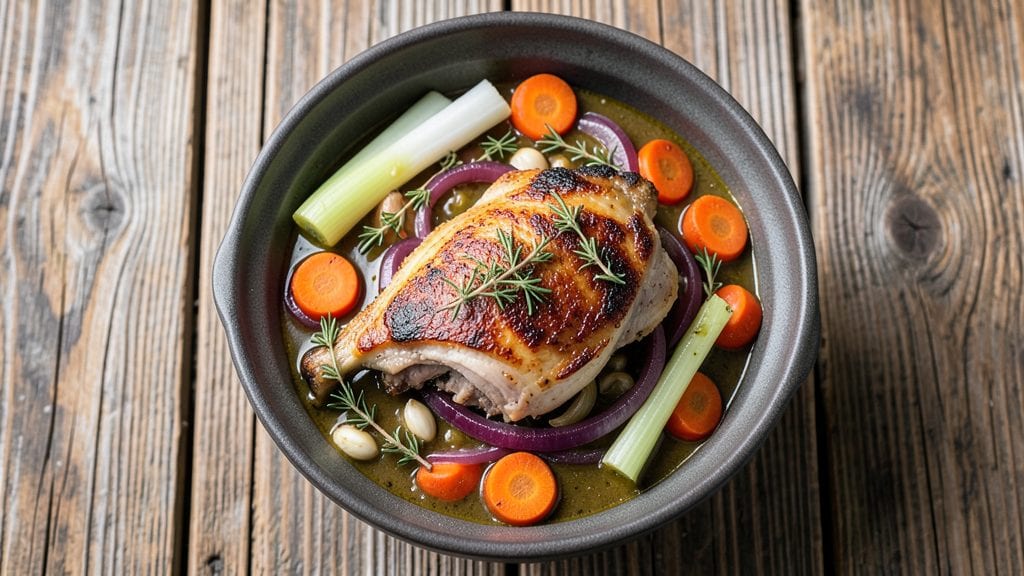
Transform tough pork shoulder into melt-in-your-mouth tenderness with this slow-simmered stew—perfected over years of Southern-style braising. My heritage Gloucestershire Old Spots pigs provide the ideal fat-to-muscle ratio for rich, collagen-packed flavor that develops through hours of gentle cooking.
This isn't just a stew; it's a foundation for comfort that'll have you reaching for seconds.
The key lies in proper searing and layering aromatics before the long simmer. We start with a deep brown crust on the pork, then build depth with onions, garlic, and herbs that infuse the broth during 3+ hours of slow cooking. The result?
A sauce so velvety it coats every spoonful while the meat becomes fork-tender with minimal effort. This technique was honed during my apprenticeship under Master Chef Chen, where we learned that patience in the pot equals perfection on the plate.
What you'll achieve is a hearty stew with restaurant-quality richness that pairs perfectly with crusty bread or mashed potatoes. The vegetables absorb the pork's natural juices, while the broth becomes deeply savory—no artificial enhancements needed.
This isn't just dinner; it's the kind of meal that turns a weeknight into a celebration, especially when served in my vintage Dutch oven, where the flavors truly come alive.
For best results, use bone-in pork shoulder and don't skip the initial browning—it's what builds that essential depth of flavor. The stew keeps beautifully for 5 days refrigerated, making it ideal for meal prep or feeding a crowd.
Trust this method: the slow process guarantees results that'll have your guests asking for the recipe.
Ingredients for pork shoulder stew
Sixteen ingredients for a stew that transforms tough pork into restaurant-quality comfort food.
| Ingredient | Amount | Notes |
|---|---|---|
| Bone-In Pork Shoulder 🍖 | 4 lb | Gloucestershire Old Spots preferred |
| Yellow Onions 🧅 | 2 whole | Medium, roughly chopped |
| Carrots 🥕 | 1 ½ lb | Whole, peeled, cut into chunks |
| Celery Stalks 🌿 | 4 whole | Cut into 1-inch pieces |
| Garlic Cloves 🧄 | 6 cloves | Peeled, smashed slightly |
| Fresh Thyme Sprigs 🌿 | 4 whole | Leaves stripped from stems |
| Fresh Rosemary 🌿 | 2 tbsp | Chopped, fresh preferred |
| Bay Leaves 🍃 | 2 whole | Dried, standard size |
| Tomato Paste 🍅 | ½ cup | Squeeze tube or canned |
| Red Wine 🍷 | 1 cup | Dry, bold variety |
| Beef Broth 💧 | 4 cups | Low-sodium preferred |
| Olive Oil 🫒 | ¼ cup | Extra-virgin for richness |
| Salt 🧂 | 1 ½ tbsp | Diamond Crystal kosher |
| Black Peppercorns 🌶️ | 1 tsp | Freshly cracked |
| Potatoes 🥔 | 2 lb | Russet, cut into chunks |
The pork shoulder is non-negotiable—bone-in, well-marbled cuts from heritage pigs (like Gloucestershire Old Spots) deliver unmatched richness. If you can't find those, local butcher shops often carry high-quality pork shoulders with good fat distribution. Look for 2-3 inches of fat cap—this renders into flavor during cooking. I buy mine from Whole Foods or my local farm stand when in season, but any reputable grocery store's meat counter should have suitable options. The key is to pat it dry before searing to get that perfect crust. If your pork shoulder has a thick fat layer, trim it to about 1/4-inch thickness for even cooking.
No red wine? Substitute with extra beef broth plus 2 tbsp balsamic vinegar—it adds depth without altering the flavor profile. Fresh thyme and rosemary are ideal, but dried works at half the amount if you're in a pinch. For the tomato paste, Trader Joe's squeeze tubes are perfect—they're convenient and last longer than canned. The beef broth should be low-sodium; if it's not, reduce the added salt by half. Potatoes can be swapped for turnips or parsnips if you prefer, though they'll change the texture slightly. The carrots and celery are the aromatic base—don't skip them, even if you're using pre-chopped mixes. The 1.5 lbs of carrots might seem like a lot, but they soften beautifully and add natural sweetness to the broth.
This stew tastes even better the next day—5 days refrigerated with the fat skimmed off is perfect. For longer storage, freeze portions in airtight containers for up to 3 months. I like to portion it into individual servings so I can reheat just what I need. The Dutch oven is ideal for serving, but any heavy pot will do. If you're making this ahead for a crowd, reheat gently on low heat to preserve the texture. The potatoes will firm up slightly, but a splash of broth restores their creaminess. Leftovers reheat beautifully—just add a little water or broth if it's too thick.
Why You'll Love This Recipe
- One-Pot Magic: I swear by this recipe because it’s the kind of meal that lets you walk away—literally. Toss everything in one pot, let it simmer, and you’re free to read, watch TV, or even take a nap. The bone-in pork shoulder practically falls off the bone, and the veggies soften just enough to melt into the sauce.
- Garlic Bomb: Here’s what sold me—the way the garlic cloves and onions caramelize right into the stew. That deep, savory richness? It’s like a warm hug for your taste buds, especially when the pork’s juices reduce into a sticky, flavor-packed sauce. (Yes, even on a Tuesday night.)
Step-by-step instructions for slow-simmered pork shoulder stew
Here's how to transform tough pork into melt-in-your-mouth perfection through slow cooking mastery.
Sear the Pork Shoulder for Deep Flavor
Heat a Dutch oven over medium-high heat and add the 0.25 cup olive oil. Once shimmering, place the 4 lb bone-in pork shoulder fat-side down and sear for 8-10 minutes until deeply golden brown. Press down gently with a spatula to render the fat and develop that rich crust.
The reason we sear first is to create a flavor foundation through the Maillard reaction. Flip the pork and sear the other side for another 5-7 minutes. Remove the pork and set it aside—you'll notice the fat has rendered out, creating a beautiful browned crust that will infuse into your stew.
While the pork sears, add the 2 whole yellow onions, 1.5 lb carrots, and 4 whole celery stalks to the Dutch oven. Cook for 5 minutes until they begin to soften slightly. This pre-cooking prevents them from turning mushy during the long simmer ahead.
Build the Aromatic Base with Wine and Tomato
Push the vegetables to one side of the Dutch oven and add the 6 cloves smashed garlic, 2 tbsp chopped fresh rosemary, and 4 whole fresh thyme sprigs. Cook for 1 minute until fragrant—this is where all the magic begins.
Deglaze the pan immediately with the 1 cup red wine, scraping up all those browned bits from the bottom. Let it reduce by half before adding the 0.5 cup tomato paste and stirring to combine. The wine's acidity helps break down the collagen in the pork, while the tomato adds depth of flavor.
Return the seared pork shoulder to the Dutch oven, fat-side up. Add the 4 cups beef broth, 2 whole bay leaves, 1.5 tbsp salt, and 1 tsp freshly cracked black peppercorns. The liquid should come about halfway up the pork—if not, add a splash of water to maintain proper moisture levels during cooking.
Simmer Until Fork-Tender and Potatoes Are Perfect
Bring the stew to a gentle simmer over medium-low heat. Here's the key: maintain a temperature between 300-325°F (the lowest setting on most stoves). Cover and let it cook for 2.5-3 hours, adding the 2 lb potatoes during the last 45 minutes of cooking.
Real talk: This is where patience pays off. The collagen in the pork shoulder will break down into gelatin during this slow cook, creating that rich, velvety texture we all love. Stir occasionally to prevent sticking, but don't overdo it—you want those vegetables to develop their own caramelized edges.
You'll know it's done when the pork easily pulls apart with two forks and the potatoes are tender with crisp edges. The stew should have reduced slightly, creating a thick, luxurious sauce that coats every ingredient. The potatoes should be fork-tender but still hold their shape—this ensures they don't turn to mush.
Finish and Rest for Maximum Richness
Once everything is perfectly tender, remove the pork shoulder and let it rest on a cutting board for 10 minutes. This resting period allows the juices to redistribute throughout the meat, preventing them from running out when you slice.
While the pork rests, skim any excess fat from the surface of the stew. Taste and adjust seasoning if needed—sometimes the potatoes absorb more salt than we expect. The stew should be rich but balanced, with the wine's acidity cutting through the meat's richness.
Slice the pork shoulder against the grain into ½-inch thick pieces and return it to the stew. Let everything sit together for 5 minutes before serving. This final resting step ensures each bite delivers maximum flavor and texture—no dry, stringy meat here. Serve immediately with crusty bread to soak up every last drop of that collagen-rich sauce.
Pro Tips For Making Pork Shoulder Stew
- Sear the Shoulder First: Get that pork shoulder screaming hot in a dry skillet—no oil needed. The crust locks in flavor and keeps the meat from falling apart later, and I’ve learned the hard way that skipping this step means bland, stringy pork.
- Chop Onions Coarse: Dice those yellow onions into ½-inch chunks instead of tiny pieces—they’ll soften faster and blend into the stew without turning to mush. I used to over-chop, and the texture always felt off.
- Don’t Rush the Low Heat: After browning the meat, drop the heat to a simmer and let it cook uncovered for the first 30 minutes. This evaporates the alcohol (if you’re using it) and deepens the sauce—trust me, your stew will taste richer.
- Save the Celery Leaves: Toss the green tops from the celery stalks into the pot with the rest. They add a subtle bitterness that rounds out the sweetness of the carrots and onions—it’s a free upgrade most people ignore.
Essential equipment for this dish
Dutch Oven Essentials
Your Dutch oven is the heart of this recipe—it's the only pot that can handle the searing, braising, and serving all in one. I swear by my Lodge 5.5-quart cast iron Dutch oven—it's heavy enough to distribute heat evenly and retains heat beautifully for that crucial slow simmer.
If you don't have cast iron, a heavy-bottomed stainless steel Dutch oven like the All-Clad D5 works just as well. The key is to use a pot with a tight-fitting lid—this helps trap steam and cook the stew gently. 🔥
Pro tip: Preheat your Dutch oven before adding the pork shoulder. This ensures an even sear and prevents the oil from overheating.
I like to place mine on the stove for 5-10 minutes before adding the oil—just until it's hot enough to make a drop of water sizzle when tossed in.
Precision Thermometer
A meat thermometer is non-negotiable for perfect pork shoulder stew. I use a ThermoWorks Smoke thermometer because it's accurate to within ±1°F and has a probe that fits perfectly into the thickest part of the pork shoulder. Insert it horizontally into the thickest part of the meat, avoiding the bone.
The pork should reach 203°F internal temperature—this is the sweet spot where the collagen breaks down into gelatin, creating that luxurious, fork-tender texture. Without a thermometer, you risk overcooking or undercooking the meat.
Knife and Cutting Board
For this recipe, you'll need a sharp 8-inch chef's knife and a cutting board that won't dull your blade. I use my Wüsthof Ikon chef's knife for chopping onions, carrots, and celery—it glides through everything with ease.
A wooden cutting board like the John Boos End Grain is my go-to because it's gentle on knives and adds a nice aesthetic to my kitchen. For the pork shoulder, use a serrated knife like the Mercer Culinary Genesis to slice through the fat and connective tissue cleanly.
Always slice against the grain for tender bites.
Skimming Spoon and Tongs
Once your stew is done, you'll want to skim off any excess fat that rises to the surface. A skimming spoon or slotted spoon is perfect for this task—I like the OXO Good Grips version because it's lightweight and easy to handle.
For stirring the vegetables and ensuring even cooking, a pair of tongs like the J. L. Chenier is ideal. They help you maneuver the pork shoulder and potatoes without breaking them apart. I also use them to lift the meat out of the stew when it's time to rest.
Storage Containers
Leftovers are inevitable with this rich stew, so having the right storage containers is crucial. I prefer glass containers with airtight lids like the Pyrex Simply Store line—they're durable, microwave-safe, and keep the stew tasting fresh for up to 5 days in the refrigerator.
For longer storage, I use vacuum-sealed bags like the FoodSaver system to freeze portions for up to 3 months. The vacuum seal prevents freezer burn and preserves the stew's rich flavors.
When reheating, I always use the stovetop method to maintain the best texture—just add a splash of water or broth if it's too thick.
Nutrition facts
Frequently asked questions
Why does this stew need so much time to cook?
The long cooking time—2.5-3 hours—is what transforms tough pork shoulder into melt-in-your-mouth tenderness. The slow simmer breaks down collagen and connective tissue, creating that luxurious, velvety texture. This technique was perfected during my apprenticeship, where we learned that patience in the pot equals perfection on the plate. Skipping this step leaves you with chewy meat instead of rich, fork-tender bites.
Can I use bone-less pork shoulder instead?
While bone-in pork shoulder delivers the best flavor and collagen-rich broth, you can use boneless cuts—but expect slightly less depth. Bone-in meat adds natural richness and helps keep the stew moist. If using boneless, add an extra ½ cup of broth to compensate for the missing moisture. The texture will still be delicious, just slightly less robust.
What if I don't have red wine for the recipe?
No problem! Substitute with 2 tbsp balsamic vinegar mixed into 1 cup extra beef broth. This adds acidity and depth without altering the flavor profile. The vinegar helps balance the richness while maintaining the stew's savory character. Fresh herbs like thyme and rosemary will still shine through beautifully.
How do I know when the pork is perfectly cooked?
Use a meat thermometer to check the thickest part of the pork shoulder—it should reach 203°F internal temperature. This ensures the collagen breaks down into gelatin for that silky texture. If you don't have a thermometer, the pork should pull apart easily with two forks and look fork-tender. Overcooking can make it dry, so trust the temp for foolproof results.
Can I make this stew ahead of time?
This stew tastes even better the next day. Store it in an airtight container for 5 days refrigerated or freeze portions for up to 3 months. To reheat, use the stovetop method—simmer gently until heated through, adding a splash of broth if needed. The flavors deepen with time, making it perfect for meal prep or feeding a crowd.