
Main Courses
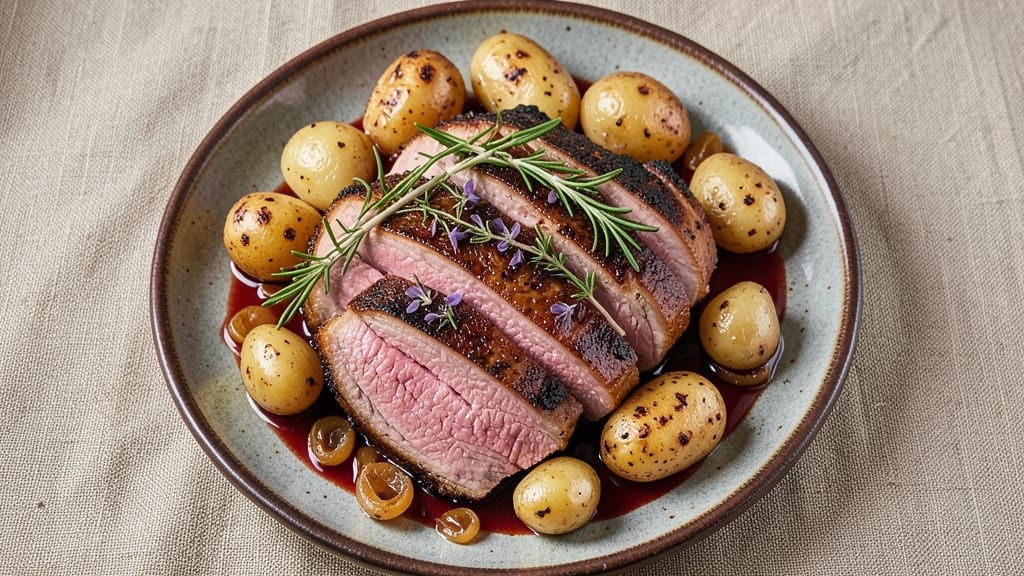
Mastering a pork sirloin oven recipe with a garlic-herb crust and juicy pink centers is the difference between a weeknight dinner and a showstopper. Growing up in small-town Georgia, I learned that pork deserves respect—especially when roasted to perfection in the oven.
This method transforms tough cuts into tender, flavorful slices with minimal effort.
The secret lies in a 30-minute sear followed by a low-and-slow finish at 325°F, ensuring the crust develops while the interior stays moist. A blend of garlic, rosemary, and thyme creates an aromatic crust that locks in juices, while a simple brine keeps the meat tender.
No fancy equipment needed—just a cast-iron skillet and your oven.
By the time it’s done, you’ll have slices that are crisp on the outside, juicy and pink inside, with a crust so flavorful it’ll have everyone asking for seconds. The technique is foolproof, and the results are restaurant-quality—without the wait. Here’s how to make it.
Serve with a side of roasted potatoes or a crisp green salad for a complete meal. This recipe scales easily, so whether you’re cooking for two or a crowd, the method stays the same. Let’s get started—your oven is about to become your best tool.
Ingredients for pork sirloin oven
Pantry staples plus a few fresh herbs—this is the short list for restaurant-quality pork.
| Ingredient | Amount | Notes |
|---|---|---|
| Pork Sirloin Roast 🥩 | 2 lb | Center-cut, 1-inch thick slices |
| Extra-Virgin Olive Oil 🫒 | ¼ cup | For searing and crust |
| Garlic Cloves 🧄 | 8 cloves | Minced, fresh preferred |
| Fresh Rosemary 🌿 | ¼ cup | Chopped, stems removed |
| Fresh Thyme 🌿 | 0.15 cup | Leaves only, stems removed |
| Kosher Salt 🧂 | 2 tbsp | Plus extra for brine |
| Ground Black Pepper 🌶️ | 1 tbsp | Freshly cracked |
| Brown Sugar 🍯 | 1 tbsp | For crust caramelization |
| Apple Cider Vinegar 🍎 | ¼ cup | For brine |
| Water 💧 | 2 cups | For brine |
| Yellow Onion 🧅 | 1 whole | Sliced for pan sear |
| Balsamic Vinegar 🍷 | 1 tbsp | For deglazing |
The pork cut matters most here. Center-cut sirloin stays tender—avoid the cheaper, tougher ends. Most grocery stores carry it, but Costco or local butchers often have better quality. Look for good marbling and ask for 1-inch thick slices (they slice it for you at most stores). Fresh herbs are worth hunting for—Trader Joe's or Whole Foods usually have vibrant rosemary and thyme. If you're short on time, dried works at half the amount, but fresh gives that restaurant aroma. The garlic? Fresh only—jarred minced has a sad flavor.
No fresh rosemary? Dried at half the amount is fine, but the flavor won't be as bright. Short on vinegar? Lemon juice works too, though it'll change the crust slightly. The brown sugar is key for that caramelized crust—don't skip it. For the onion, yellow or red works, but avoid sweet onions like Vidalia. The balsamic vinegar can be swapped for red wine vinegar, but it'll be less rich. And if you're worried about the pork being too dry, add 1 tbsp of Dijon mustard to the brine—it keeps things juicy.
Prep the brine ahead—it's just water, salt, and vinegar. The pork can soak for up to 4 hours, but even 30 minutes helps. Sear the meat right before roasting—it develops that crust while the oven keeps everything juicy. Leftovers? 3-4 days in the fridge, or freeze for 3 months. I always make extra slices for sandwiches the next day—trust me, they're even better cold.
Why You'll Love This Recipe
- One-Pan Wonder: I swear by this recipe when I’m too tired to scrub pots—just rub the roast with olive oil, crushed garlic, and chopped rosemary, then let the oven do the work. No extra dishes, no stress, and the house still smells like a bistro by dinnertime.
- Herb-Packed Magic: That rosemary-thyme blend? It’s the secret weapon. The garlic sizzles into a golden crust while the herbs soften into the meat, giving you a flavor that’s rich but not heavy—like a fancy charcuterie board in every bite.
- Weeknight to Weekend: Between us, this roast works for everything. Toss it with roasted potatoes for a lazy Tuesday, slice it for sandwiches on Thursday, or serve it with crusty bread and a salad for a no-fuss dinner party. It’s my go-to for “I don’t know what I’m doing” nights.
- Budget-Friendly Leftovers: A single roast feeds my family for days—sandwiches, stir-fries, or even breakfast hash. Honestly, I buy this cut because it’s leaner on the wallet but still delivers that juicy, satisfying bite. Plus, the leftovers taste even better the next day.
Step-by-step instructions for garlic-herb crusted pork sirloin
Here's how to achieve that perfect balance of crispy crust and juicy pink centers every time.
Prepare the Pork and Brine for Maximum Juiciness
Start by patting the 2 lb pork sirloin roast completely dry with paper towels—this helps create that crispy crust later. In a large bowl, combine the 2 cups water and 0.25 cup apple cider vinegar. Add the pork and let it soak in the brine for at least 30 minutes (up to 2 hours for extra flavor). This step keeps the meat tender and packed with flavor throughout the cooking process.
While the pork brines, make the herb mixture by combining the 0.25 cup fresh rosemary, 0.15 cup fresh thyme, 1 tbsp brown sugar, 2 tbsp kosher salt, and 1 tbsp ground black pepper in a small bowl. Rub this generously over the pork after brining, pressing it into the meat so it sticks. Let the seasoned pork sit at room temperature for 20 minutes before cooking—this ensures even cooking from edge to center.
Sear the Pork for Irresistible Crust
Preheat your oven to 375°F. Heat the 0.25 cup extra-virgin olive oil in a large oven-safe skillet over medium-high heat until shimmering. Add the pork and sear on all sides for about 3-4 minutes per side until golden brown. The key here is patience—don't rush the searing or the crust won't develop properly.
After searing, remove the pork from the skillet and set it aside. Add the sliced 1 whole yellow onion to the same skillet and cook for 2-3 minutes until softened. This step adds extra flavor to your pan juices that will later create a delicious sauce.
Roast Until Perfectly Pink Inside
Transfer the seared pork to your preheated oven and roast for 20-25 minutes. You want the internal temperature to reach 145°F for medium-rare (or 150°F for medium). The pork should still be juicy pink in the center—this is what makes this recipe special. Use a meat thermometer to check the temperature; it's the most reliable way to ensure perfect doneness.
About 10 minutes before the pork is done, add the 8 minced garlic cloves to the skillet with the onions. Let them cook until fragrant, about 1-2 minutes. Then pour in the 1 tbsp balsamic vinegar and scrape up all those delicious browned bits from the bottom of the pan. This creates a rich, flavorful sauce that will complement the pork beautifully.
Rest and Serve for Maximum Juiciness
Once the pork reaches your desired temperature, remove it from the oven and transfer it to a cutting board. Let it rest for 10-15 minutes before slicing. This resting period is crucial—it allows the juices to redistribute throughout the meat, preventing them from running out when you cut into it. Trust me, skipping this step means dry pork.
While the pork rests, spoon the onion and garlic mixture from the skillet over the top. Slice the pork against the grain into ½-inch thick slices and serve immediately. The crust should be golden and crispy, while the inside remains tender and juicy pink. This is the perfect balance of textures and flavors that makes this recipe so special.
Pro Tips For Making Pork Sirloin Oven
- Use a Meat Thermometer: I learned this the hard way—pork sirloin can go from perfect to dry in seconds. Pull it out at 140°F internal temp (it’ll rise to 145°F while resting), and don’t guess based on color.
- Crush Garlic Cloves: Whole garlic cloves won’t infuse properly. Smash them with the flat side of your knife or roll them under your palm first—this releases their flavor into the olive oil and herb rub.
- Don’t Skip the Rest: I was skeptical until I tried it: 10-15 minutes under foil after roasting locks in juices. Slicing too soon means a dry, sad loaf—no one wants that.
- Sear It First: High heat. Seriously, crank it up. A quick 2-minute sear in a hot pan before oven time builds crust and depth—way better than just seasoning and baking. (Yes, even if you’re impatient like me.)
Dietary considerations for this recipe
Gluten-Free Adaptation
This recipe is naturally gluten-free, but I always double-check my ingredients to ensure no cross-contamination. The key is using certified gluten-free kosher salt—Diamond Crystal is my go-to because it’s pure and reliable.
If you’re worried about the brown sugar, opt for Bob’s Red Mill gluten-free version instead of regular. The vinegar and herbs are safe, so no substitutions needed there. 🌾
Dairy-Free Considerations
No dairy is used in this recipe, so it’s already safe for those avoiding lactose. The crust relies on olive oil, herbs, and spices for flavor—no butter or milk products here. If you’re serving with sides, just ensure your potatoes or salad dressings are dairy-free.
I often pair this with a lemon-garlic aioli made with olive oil instead of mayo for extra richness.
Low-Carb Options
To make this lower in carbs, skip the brown sugar in the crust and replace it with 1 tbsp erythritol or monk fruit sweetener—it won’t caramelize the same way, but it keeps the flavor profile intact.
The onions can be omitted entirely if you’re strict about carbs, but I’d at least sauté ½ cup diced mushrooms for depth. The pork itself is already a lean, high-protein choice.
Allergen-Friendly Swaps
For nut allergies, ensure your olive oil is refined and nut-free—Meadow Creek is a safe brand. If you’re avoiding garlic, substitute with 1 tbsp asafoetida powder (hing) for a similar umami kick, though the flavor will differ slightly.
For onion-free versions, use 1 tbsp onion powder in the herb rub. Always check labels on spices—they’re often processed in shared facilities.
Keto-Friendly Adjustments
This recipe is already keto-friendly with minimal tweaks. The garlic-herb crust is packed with healthy fats from olive oil, and the pork is a great protein source. To keep it strictly keto, ensure your vinegar is 100% vinegar (no added sugars)—Bragg Apple Cider Vinegar is a clean choice.
Serve with a side of cauliflower mash or zucchini noodles to complete the meal. 💪
Nutrition facts
Frequently asked questions
What's the best way to ensure my pork sirloin stays juicy?
The brine is your secret weapon—it keeps moisture locked in. Use 2 cups water + ¼ cup apple cider vinegar for 30-60 minutes before cooking. Also, never skip the 10-15 minute rest after roasting—this lets juices redistribute instead of pooling at the bottom.
Can I cook pork sirloin at a lower temperature for more even cooking?
Yes! For extra tenderness, try 275°F instead of 375°F. Increase cooking time to 45-50 minutes and use a meat thermometer to check for 145°F internal temp. The crust will be softer but still flavorful—great for larger cuts or if you prefer fully cooked pork.
How do I adjust this recipe for a thicker or thinner cut?
For thicker cuts (1.5"+), add 5-10 minutes to roasting time and increase oven temp to 400°F for the last 10 minutes to crisp the crust. For thinner cuts (½"), reduce roasting time to 12-15 minutes and sear only 2 minutes per side to avoid overcooking. Always check internal temp!
What if my pork comes out dry?
Dry pork usually means overcooking or skipping the rest. First, check your thermometer—145°F is perfect for juicy pink centers. If it's overdone, try slicing thinly and serving with a pan sauce made from the onions and garlic to add moisture. For next time, reduce oven temp to 325°F and cook 10-15 minutes longer at lower heat.
Can I make this recipe ahead of time?
Cook the pork 1 day ahead and refrigerate. Reheat slices in a 350°F oven for 10-15 minutes with a splash of water or broth to keep them moist. For sandwiches, slice cold pork and reheat 30 seconds per side in a skillet—it crisps up beautifully.