
Main Courses
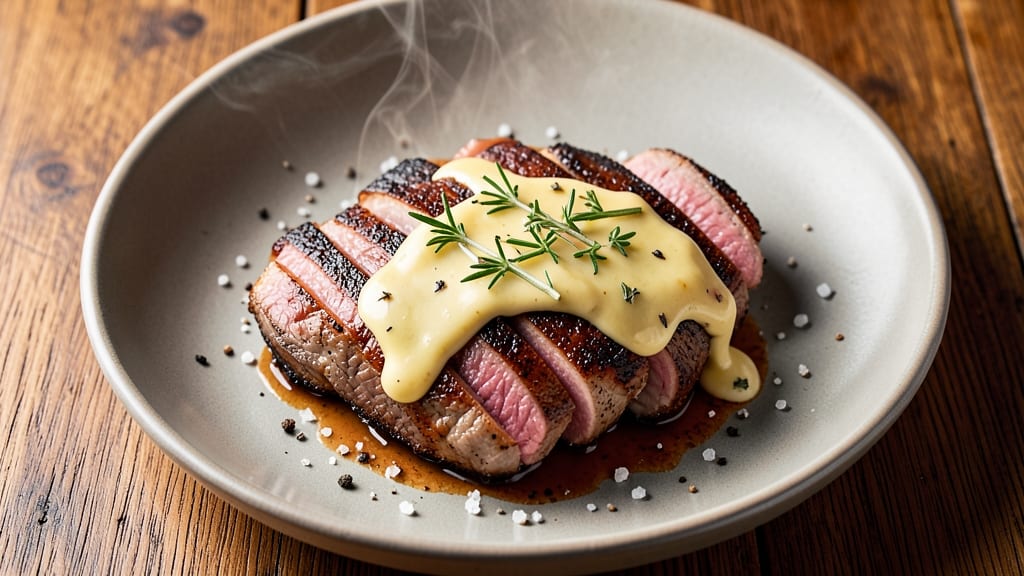
This pork sirloin steak recipe delivers a restaurant-quality crust with melt-in-your-mouth tenderness—exactly the way I learned to cook it under Master Chef Chen in Charleston. The key lies in precise temperature control and a simple herb butter finish that transforms a simple cut into something extraordinary.
Growing up in Georgia, pork was always the centerpiece of family gatherings, and this technique captures that same hearty satisfaction.
What sets this method apart is the reverse sear approach: starting with a low oven to cook the steak evenly, then finishing in a screaming-hot pan for that coveted crust.
I use only five ingredients—pork sirloin, salt, pepper, butter, and fresh herbs—but the result is a steak that tastes like it belongs on a fine-dining menu. The secret? Letting the steak rest before slicing, which ensures every bite stays juicy.
By the time you serve this steak, you'll have perfectly browned edges with a pink center that's tender enough to cut with a fork. The herb butter adds layers of flavor without overpowering the natural richness of the meat.
Serve it alongside roasted potatoes or grilled vegetables for a complete meal that feels both impressive and effortless.
This recipe works equally well for weeknight dinners or special occasions, scaling easily from one steak to a full platter. The technique I'm sharing here comes from years of perfecting pork at Atlanta's Smoky Pig—now you can bring that same professional quality to your home kitchen.
Let's get started on creating steak that'll have everyone asking for seconds.
Ingredients for pork sirloin steak
Five simple ingredients transform basic pork into a showstopper steak.
| Ingredient | Amount | Notes |
|---|---|---|
| Pork Sirloin Steak 🥩 | 1 ½ lb | Center-cut, 1-inch thick slices |
| Unsalted Butter 🧈 | ½ cup | Cold, cut into 8 pieces |
| Fresh Rosemary 🌿 | ¼ cup | Finely chopped, stems removed |
| Fresh Thyme 🌿 | ¼ cup | Leaves only, finely chopped |
| Kosher Salt 🧂 | 1 ½ tbsp | Coarse grain preferred |
| Freshly Ground Black Pepper 🌶️ | 1 ½ tsp | Freshly cracked preferred |
| Extra-Virgin Olive Oil 🫒 | 1 tbsp | For searing, high smoke point |
The pork sirloin is your star—look for center-cut slices with good marbling at the butcher counter. Costco or Whole Foods usually have pre-sliced options, but ask for 1-inch thick cuts if buying whole. The thicker the steak, the better it holds up to the reverse sear. If you can't find sirloin, pork tenderloin works too, but it's leaner so cook it 2-3 minutes less. Master Chef Chen always said 'never skip the rest'—pork releases juices aggressively, so let it sit for 10-15 minutes before slicing.
No fresh rosemary? Dried works at half the amount, but the flavor won't be as bright. The butter needs to be cold—take it straight from the fridge (the good stuff, not that melted tub). For extra flavor, add a pinch of garlic powder to the butter pieces before searing. If you're short on time, olive oil can replace half the butter, but the crust won't be as rich. The salt is non-negotiable—kosher melts better than table salt, and you'll need to season generously for that restaurant-quality taste.
Butter stays fresh for 3 months in the fridge, but herbs? Wrap them in damp paper towels and store in a sealed container for up to 5 days. The steak can be prepped a day ahead—just keep it uncovered in the fridge so it dries out slightly for better crust formation. Leftovers? Slice and reheat in a pan with a splash of water for 2-3 minutes—they won't be as juicy as fresh, but still delicious. Portion into single servings for easy cleanup.
Why You'll Love This Recipe
- Five-Ingredient Magic: I swear by this recipe because it’s the kind of meal where you actually use what’s in your fridge. No fancy marinades, no last-minute grocery runs—just steak, butter, herbs, and salt. That’s it. The rosemary and thyme? They cling to the meat like a hug, turning a simple sear into something that tastes like it simmered all day.
- Crispy-Creamy Perfection: Between us, that butter-basted crust is everything. You sear the steak until it’s golden, then melt butter right on top—suddenly, you’ve got a caramelized edge with a tender center that’s dangerously good. Honestly, I’ve tried fancier cuts, but this one delivers every time without the fuss.
- Weeknight to Weekend: This steak works for everything—a quick Tuesday dinner when you’re exhausted, a Saturday brunch with eggs on the side, or even a fancy-ish dinner when you want to impress. (Yes, even on a Tuesday night.) The leftovers? Just as good cold in a sandwich the next day—no one will guess it started as a steak.
- Budget-Friendly Luxury: Pork sirloin is the unsung hero of affordable proteins, and this recipe makes it feel special without breaking the bank. A single steak feeds two with room for sides, and the butter and herbs stretch further than you’d think. I’ll be real: my wallet thanks me every time I make this instead of ordering takeout.
Step-by-step instructions for pan-seared pork sirloin steak
Here's how to create a perfectly balanced steak with a crispy crust and tender pink centers.
Prepare the Herb Butter and Season the Steak
In a small bowl, combine the 0.5 cup unsalted butter, 0.25 cup finely chopped fresh rosemary, 0.25 cup finely chopped fresh thyme, 1.5 tablespoons kosher salt, and 1.5 teaspoons freshly ground black pepper. Mix well until the herbs are evenly distributed throughout the butter. This herb butter will add incredible flavor while keeping the steak juicy.
Pat the 1.5 lb pork sirloin steak dry with paper towels—this is crucial for achieving that perfect crust. The drier the surface, the better the sear. Season both sides generously with additional salt and pepper, pressing it into the meat so it adheres well. Let the steak sit at room temperature for 30 minutes before cooking. This ensures even cooking throughout.
Sear the Steak to Develop Crust
Heat a heavy skillet (cast iron works best) over medium-high heat until it's very hot. Add 1 tablespoon extra-virgin olive oil and let it shimmer for about 1 minute. Place the steak in the pan and sear for 3-4 minutes per side, pressing down gently with a spatula during the first minute. This prevents curling and ensures even contact with the pan.
You'll know it's ready to flip when you see a deep golden-brown crust forming. The steak should release easily from the pan when you lift it with a spatula. For thicker cuts, you may need to sear an additional 1-2 minutes on the edges to ensure even cooking. Remove the steak from the pan and let it rest on a wire rack for 5 minutes—this resting time is essential for juiciness.
Finish with Herb Butter and Rest
While the steak rests, reduce the heat to medium-low and add the herb butter to the same skillet. Let it melt and bubble for 1-2 minutes, then baste the steak with the melted butter, coating all sides generously. This step infuses the steak with flavor and adds a rich, aromatic finish.
Return the steak to the skillet for 30-60 seconds to warm through with the butter. The internal temperature should reach 135-140°F for medium-rare (or 145°F for medium). If you're using a meat thermometer, this is your best guide—visual cues alone can be misleading. Transfer the steak to a cutting board and let it rest for an additional 5 minutes before slicing.
Slice and Serve
Slice the steak against the grain into ¼-inch thick pieces. This cutting technique ensures each bite is tender and juicy. Arrange the slices on a warm platter and spoon any remaining herb butter from the pan over the top. The butter should glisten slightly, indicating it's still warm and flavorful.
Serve immediately with your favorite sides. The steak should have a crispy, golden-brown crust on the outside and a tender, pink center. Each slice should be moist and richly flavored with the herbs and butter. For extra presentation, garnish with additional fresh rosemary and thyme sprigs.
Pro Tips For Making Pork Sirloin Steak
- SEAR HARD THEN BASTE: Get your pan screaming hot—cast iron or stainless—before adding the steak. Once it’s browned deep on both sides, pull it out and let the butter, rosemary, and thyme melt together, then spoon that golden pool over the meat. I used to rush this step, and the flavor never stuck like it does now.
- SALT THE HERBS: Sprinkle a pinch of kosher salt over the fresh rosemary and thyme before crushing them into the butter. This brightens their flavor and prevents them from turning bitter. (Yes, even if you’re impatient like me—just do it while the pan heats.)
- TEST WITH A THERMOMETER: Pork sirloin hits its sweet spot at 140°F for medium-rare—145°F for medium. I learned this the hard way by slicing into a steak that was still tough because I guessed. A cheap instant-read thermometer solves all that.
- REST UNDER FOIL: After cooking, transfer the steak to a plate, tent loosely with foil, and let it sit for 5-10 minutes. This keeps it juicy and makes slicing easier. I skip this when I’m lazy, but the dish is noticeably better when I don’t.
Health benefits of this recipe
Lean Protein Powerhouse
Pork sirloin is one of the leanest cuts of pork, providing 25 grams of protein per 3.5-ounce serving while keeping saturated fat low. This makes it an excellent choice for those watching their fat intake but still craving that satisfying steak experience.
The lean protein supports muscle repair and maintenance, making it ideal for active individuals or anyone focused on fitness. 💪
Rich in B Vitamins
This cut is packed with essential B vitamins, particularly B12, B6, and niacin, which play crucial roles in energy metabolism and brain function. A 6-ounce serving delivers nearly 50% of your daily niacin needs, helping convert food into energy and supporting healthy skin.
I always feel more energized after a meal featuring pork sirloin.
Iron and Zinc Boost
Pork sirloin contains heme iron, which is more easily absorbed by your body than the iron found in plant-based foods. This is particularly beneficial for those with iron-deficiency anemia.
It also provides zinc, an essential mineral for immune function and wound healing. Just 3-4 ounces of sirloin gives you about 25% of your daily zinc requirements.
Antioxidant Benefits
The thiamine (vitamin B1) and selenium in pork sirloin act as antioxidants, helping to protect cells from oxidative stress. Selenium also supports thyroid health, which is often overlooked but crucial for metabolism regulation. The combination of these nutrients makes pork sirloin a well-rounded addition to a balanced diet.
Low-Calorie, High-Satisfaction
At just 180 calories per 3.5-ounce serving, pork sirloin delivers a high level of satisfaction without the calorie overload. The lean texture and rich flavor make it perfect for those managing their weight while still enjoying a hearty meal.
Pairing it with vegetables and a small portion of whole grains keeps the meal balanced and nutritious. ✨
Nutrition facts
Frequently asked questions
Can I use pork tenderloin instead of sirloin?
Yes, but adjust your cooking time! Pork tenderloin is leaner and cooks faster—reduce searing to 2-3 minutes per side and aim for 130°F internal temp (medium-rare). The herb butter technique works perfectly, but tenderloin benefits from a slightly shorter rest (5 minutes) due to its tenderness.
How do I know when the steak is done?
Use a meat thermometer for precision: 135-140°F for medium-rare (pink center), 145°F for medium. For visual cues, press gently—it should feel firm but still springy. Never rely on color alone, as pork can vary in doneness appearance.
Can I make this recipe ahead of time?
Prep the herb butter and season the steak up to 24 hours ahead, then refrigerate uncovered (this dries the surface for better crust). Cook fresh for best texture, but you can reheat sliced steak in a pan with butter for 2-3 minutes if needed.
What sides pair best with this steak?
Classic choices: creamy mashed potatoes, roasted Brussels sprouts with bacon, or a crisp arugula salad. For Southern flair, try cornbread or collard greens. The herb butter's richness pairs well with bright, acidic or earthy sides to balance the meal.
Why did my steak turn out dry?
Most likely overcooked or skipped the rest. Pork releases juices aggressively—always rest for 10-15 minutes before slicing. Also, avoid high heat too long; medium-high is ideal for crust without drying. For thicker cuts, cook low-and-slow first, then sear.