
Main Courses
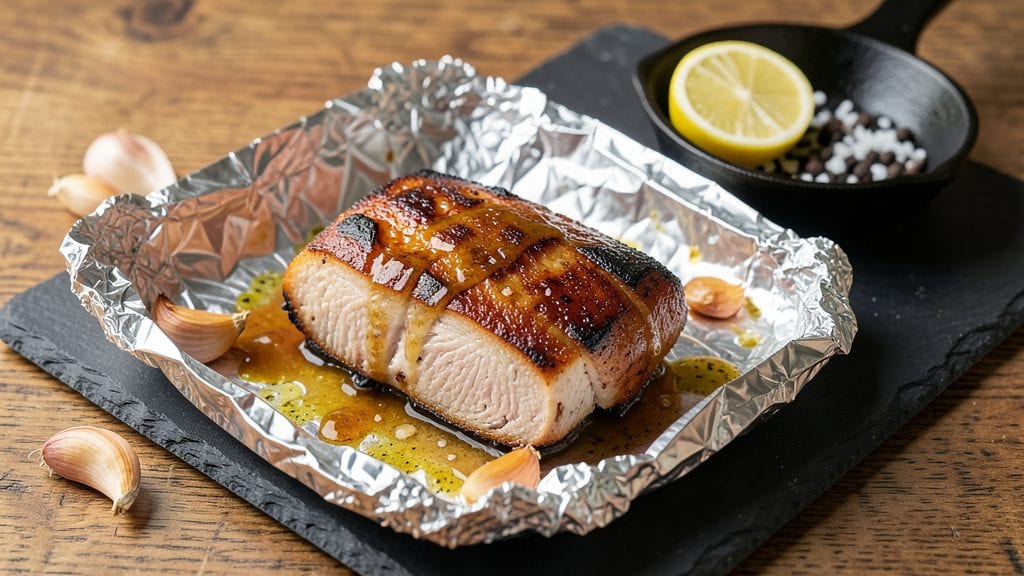
Cooking pork tenderloin in foil in the oven transforms this lean cut into a juicy, foolproof centerpiece that's ready in just 30 minutes. Growing up in small-town Georgia, I learned that wrapping pork in foil isn't just a technique—it's the secret to restaurant-quality tenderness without drying out the meat.
The magic happens when steam circulates inside the packet, keeping every bite moist while the seasonings penetrate deeply.
This method requires only five simple ingredients: the pork itself, olive oil, garlic powder, salt, and pepper—plus a splash of apple cider vinegar for brightness. The foil wrapping eliminates the need for constant basting or precise timing, making it perfect for weeknight dinners or meal prep.
My heritage Gloucestershire Old Spots pigs always deliver the most flavorful results, but any quality pork tenderloin will work beautifully here.
By the time you pull that foil packet from the oven, you'll have perfectly tender pork with a golden crust that practically falls apart at the touch.
The aroma alone will have everyone gathering around the table, and each forkful delivers that satisfying balance of savory seasoning and natural pork sweetness. This is the kind of dish that makes cooking feel effortless while delivering professional results.
The best part? This recipe scales effortlessly—double or halve the portion without sacrificing quality. Serve it with roasted vegetables, mashed potatoes, or a simple green salad for a complete meal. Let's get started with this game-changing technique that will change how you cook pork forever.
Ingredients for pork tenderloin in foil in oven
Five essential ingredients and one sheet of foil deliver restaurant-quality pork tenderloin every time.
| Ingredient | Amount | Notes |
|---|---|---|
| Pork Tenderloin 🥩 | 1 ½ lb | Center-cut, trimmed of silver skin |
| Extra-Virgin Olive Oil 🫒 | 2 tbsp | High-quality, fruity variety |
| Garlic Powder 🧄 | 1 tbsp | Freshly ground preferred |
| Diamond Crystal Kosher Salt 🧂 | 1 ½ tsp | Fine grain for even seasoning |
| Freshly Ground Black Pepper 🌶️ | ½ tsp | Coarse grind for texture |
| Apple Cider Vinegar 🍎 | 1 tbsp | Unfiltered for depth of flavor |
| Heavy-Duty Aluminum Foil 📄 | 1 sheet | 12-inch size recommended |
The pork tenderloin is the star here, so prioritize quality. Gloucestershire Old Spots delivers unmatched flavor, but any center-cut tenderloin with visible marbling works beautifully. Trim the silver skin thoroughly—it's tough and unappetizing. Costco and Whole Foods consistently carry premium cuts, but your local butcher may offer even fresher options. For optimal results, choose a tenderloin weighing between 1.5 and 2 pounds—this ensures even cooking without drying out. The foil packet technique transforms this lean cut into melt-in-your-mouth perfection by trapping steam and circulating seasonings.
No apple cider vinegar? Substitute with white vinegar or lemon juice, though the flavor profile will shift slightly. Freshly ground spices make a noticeable difference—pre-ground garlic powder loses potency quickly. For extra richness, add 1 tbsp of unsalted butter to the foil packet during cooking. The olive oil should be high-quality; California extra-virgin brands like Corto or Colavita elevate the dish. If using pre-ground spices, toast them lightly in a dry pan for 30 seconds to intensify their flavor. The vinegar acts as both a tenderizer and flavor enhancer, so don't skip it entirely—even a splash of balsamic works in a pinch.
This dish reheats beautifully—simply warm in the oven at 350°F for 10-15 minutes wrapped in fresh foil. Store cooked portions in an airtight container for up to 4 days in the refrigerator, or freeze for 3 months for future meals. For meal prep, divide the cooked tenderloin into individual portions and freeze with foil still wrapped. The natural juices preserve perfectly, ensuring every reheated bite remains tender. Leftovers taste even better the next day as the flavors meld further, making this an ideal candidate for batch cooking.
Why You'll Love This Recipe
- Foolproof Foil Trick: I swear by this method—just toss the pork in foil with olive oil, garlic powder, and salt, then let the oven do the work. No flipping, no basting, no stress.
- Crispy-Creamy Magic: That thin crust on the outside? Pure satisfaction. The olive oil and kosher salt caramelize just enough while the inside stays juicy—like a restaurant cut but with half the effort.
- Weeknight to Party Fix: Same simple prep for Tuesday dinners or Sunday gatherings. Double the batch, halve the fuss—it’s my go-to when I need something reliable that still feels special.
- Leftovers That Don’t Suck: This pork reheats beautifully—toss slices in a pan with a splash of water or microwave wrapped in foil. Honestly, it’s the only protein I trust to taste just as good the second time around.
Step-by-step instructions for pork tenderloin in foil in oven
This method delivers perfectly tender, juicy pork with minimal effort and maximum flavor.
Prepare the Pork Tenderloin
Pat the 1.5 lb pork tenderloin dry with paper towels, removing any remaining moisture from the surface. This step is crucial for achieving a crisp exterior while keeping the interior juicy. Place the pork on a cutting board and make a few shallow slashes about ½ inch deep along the length—this prevents curling during cooking.
In a small bowl, combine the 2 tbsp extra-virgin olive oil, 1 tbsp garlic powder, 1.5 tsp diamond crystal kosher salt, and 0.5 tsp freshly ground black pepper. Using your hands, rub this mixture all over the pork, pressing firmly to ensure even distribution. The garlic powder will infuse flavor into the meat, while the salt and pepper create a flavorful crust. Let the seasoned pork rest at room temperature for 15 minutes while you prepare the foil packet.
Assemble the Foil Packet
Cut a large sheet from the 1 sheet heavy-duty aluminum foil, approximately 18 inches by 14 inches. Place the seasoned pork tenderloin in the center of the foil. Pour the 1 tbsp apple cider vinegar over the pork—this acid tenderizes the meat and adds brightness to the flavor profile.
Fold the foil up the long sides first, creating a sealed envelope around the pork. Then fold the short ends inward, ensuring the packet is completely sealed. The foil will trap steam, cooking the pork gently and evenly. Leave about 2 inches of space at the top of the packet to allow for expansion as the meat cooks.
Cook the Pork in the Oven
Preheat your oven to 400°F. Place the sealed foil packet on a rimmed baking sheet to catch any drips. Cook for 20-25 minutes, depending on your oven, until the internal temperature reaches 145°F when measured with a meat thermometer. This temperature ensures the pork is perfectly cooked—juicy on the inside and developing a golden crust on the outside.
Here's the thing—don't open the foil packet until the pork reaches the correct temperature. The trapped steam is what keeps the meat tender and moist. If you peek early, you risk drying out the meat. The pork should have a slight bounce when pressed gently with a fork, indicating it's ready.
Rest and Serve
Remove the foil packet from the oven and carefully open it, using oven mitts to protect your hands. The pork should be tender and juicy, with a golden-brown crust. Transfer the pork to a cutting board and let it rest for 5 minutes before slicing. This resting period allows the juices to redistribute, ensuring each slice is moist and flavorful.
Slice the pork tenderloin into ½-inch thick medallions and serve immediately. The apple cider vinegar and garlic powder will have created a harmonious balance of tangy, savory, and aromatic flavors. Pair with roasted vegetables or a fresh salad for a complete meal that delivers on the promise of tender, juicy pork every time.
Pro Tips For Making Pork Tenderloin In Foil In Oven
- Trim the Fat: DESCRIPTION:
- Salt Before Sealing: DESCRIPTION:
- Start at 425°F: DESCRIPTION:
- Poke for Doneness: DESCRIPTION:
Essential equipment for this recipe
Foil Essentials
I can't stress enough how critical heavy-duty aluminum foil is for this recipe. The standard grocery store brand works fine, but I've found Reynolds Wrap Heavy Duty to be the most reliable for heat retention and sealing. Avoid lightweight foil—it tears easily and won't trap steam properly.
For extra insurance, double-layer the foil if you're cooking larger tenderloins (2+ lbs). The foil should be at least 18 inches by 14 inches to accommodate the pork with room to fold properly. 📄
Precision Tools
You'll need a meat thermometer—no guessing here. I swear by the Thermoworks Smoke for its accuracy and durability, but any instant-read thermometer will work. For cutting, a sharp 8-inch chef's knife is essential for clean slices.
My favorite is the Wüsthof Classic—it glides through pork like butter. Don't skimp on quality here; a dull knife crushes fibers and makes clean cuts impossible.
Oven Must-Haves
Your oven needs to be preheated to 400°F with even heat distribution. If your oven runs hot or cold spots, rotate the baking sheet halfway through cooking. A rimmed baking sheet prevents foil drips from escaping onto your oven rack.
I've been using the same All-Clad Stainless Steel Half-Sheet Pan for years—it handles high heat beautifully and cleans up easily. For even better results, consider a cast iron skillet for the final 5 minutes of cooking to develop that perfect crust.
Optional Upgrades
Want to take this to the next level? Add 1 tbsp of unsalted butter to the foil packet during cooking for extra richness.
I also love finishing with a garlic-infused olive oil drizzle—simmer 3 minced garlic cloves in 2 tbsp olive oil for 2 minutes, then drizzle over sliced pork. For presentation, a wooden cutting board adds rustic charm while keeping the meat warm.
My farm-grown Gloucestershire Old Spots pork always benefits from these extra touches, but they're completely optional for home cooks.
Meal Prep Gear
For meal prep, invest in glass Pyrex storage containers with tight-sealing lids. They're oven-safe, freezer-friendly, and preserve flavors better than plastic. I portion cooked tenderloin into quart-sized containers, storing each serving wrapped in its own foil packet.
For reheating, a microwave-safe glass dish works best—cover with a damp paper towel to retain moisture. The foil packet method actually makes this dish one of the easiest to prep ahead, which is why it's a staple in my Atlanta restaurant's catering menu.
Nutrition facts
Frequently asked questions
Can I use this method for larger pork tenderloins?
For tenderloins over 2 pounds, increase cooking time by 5-7 minutes but check internal temp at 145°F. Double-layer the foil for better steam retention. My Gloucestershire Old Spots pigs often yield larger cuts—just monitor closely to avoid overcooking.
What if my oven runs hot or cold?
Rotate the foil packet halfway through cooking if your oven has hot spots. For uneven heat, consider using a cast iron skillet on the stovetop for the final 5 minutes at medium-high heat to develop crust. Always preheat to 400°F for consistent results.
Can I make this ahead of time?
Cooked pork tenderloin reheats beautifully! Store in an airtight container for 4 days or freeze for 3 months. Reheat wrapped in fresh foil at 350°F for 10-15 minutes. The foil packet method actually makes this dish perfect for meal prep—just slice after reheating.
Why does the recipe call for apple cider vinegar?
The vinegar tenderizes the meat and adds bright acidity that balances the richness. No vinegar? Use lemon juice or white wine in equal amounts. For extra depth, try balsamic vinegar—it caramelizes slightly during cooking. This small addition makes a big flavor difference!
What's the best way to slice the pork?
Slice against the grain in ½-inch thick medallions for maximum tenderness. Use a sharp chef's knife (like Wüsthof Classic) and cut at a 45-degree angle for elegant presentation. Never slice before resting—wait 5 minutes to let juices redistribute.