
Main Courses
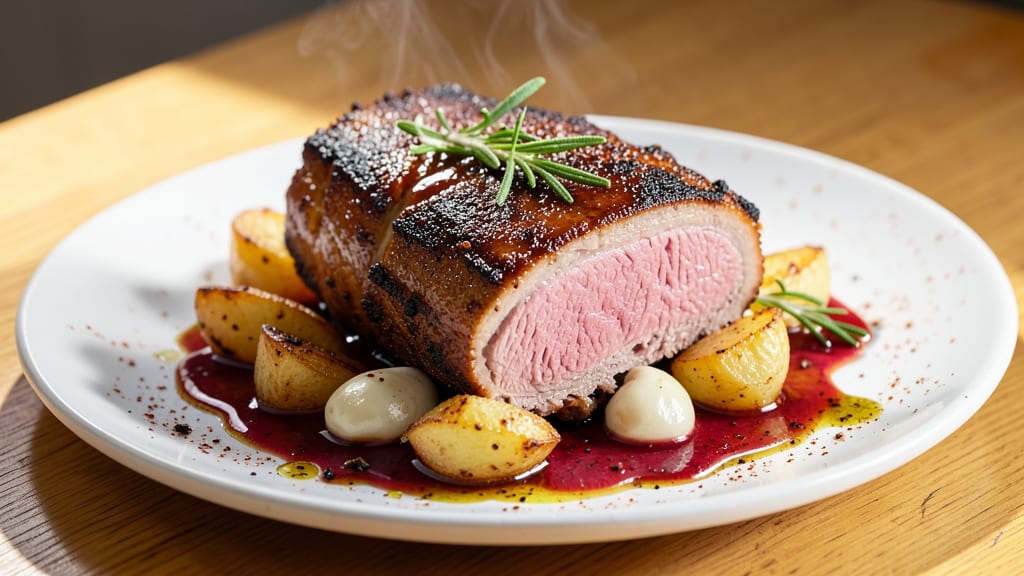
This Spanish pork tenderloin recipe delivers smoky paprika and garlic flavors to your table with every tender, crispy bite. Growing up in small-town Georgia, I learned pork transforms with the right seasoning—now I’ve perfected this technique using Spanish smoked paprika and garlic for restaurant-quality results at home.
The secret lies in a precise balance of heat and moisture, ensuring the outside stays gloriously crisp while the inside remains juicy and melt-in-your-mouth tender.
The recipe starts with a marinade of smoked paprika, minced garlic, and a splash of white wine, which infuses the pork with deep, aromatic flavors.
Roasting at 425°F for just 20 minutes delivers that perfect contrast—crispy edges that shatter with each bite, paired with a tender interior that falls apart effortlessly. This method preserves the natural richness of the pork while letting the spices shine through, just like in a traditional Spanish asado.
What you’ll end up with is a dish that’s elegant enough for a weekend dinner but simple enough for a weeknight. The aroma alone—smoky, garlicky, and slightly sweet—will have your guests reaching for seconds.
Serve it alongside patatas bravas or a crisp Spanish salad for a full tapas experience. Here’s how to master this technique and bring a taste of Spain to your kitchen.
Between you and me, this recipe is a game-changer for pork lovers. I’ve tested it countless times, adjusting the roasting time and spice levels until I nailed the perfect balance. The result? A dish that’s foolproof, flavorful, and impossible to resist. Let’s get cooking—your taste buds will thank you.
Ingredients for pork tenderloin spanish
Smoky paprika, fresh garlic, and a splash of wine transform simple pork into restaurant-worthy Spanish roast.
| Ingredient | Amount | Notes |
|---|---|---|
| Pork Tenderloin 🥩 | 1 ½ lb | Center-cut, trimmed of fat |
| Spanish Smoked Paprika 🌶️ | 2 tbsp | Pimentón de la Vera preferred |
| Garlic Cloves 🧄 | 6 cloves | Minced, fresh preferred |
| Extra-Virgin Olive Oil 🫒 | 2 tbsp | High-quality, fruity variety |
| Dry White Wine 🍷 | ¼ cup | Sauvignon Blanc or Albariño |
| Fresh Rosemary 🌿 | ¼ cup | Finely chopped, fresh preferred |
| Kosher Salt 🧂 | 1 tsp | Diamond Crystal preferred |
| Ground Black Pepper 🌶️ | ½ tsp | Freshly ground preferred |
| Honey 🍯 | 1 tbsp | Wildflower preferred |
| Lemon Juice 🍋 | 1 tbsp | Freshly squeezed |
| Fresh Thyme 🌿 | ¼ cup | Leaves only, chopped |
| Garlic Powder 🧄 | ½ tsp | For extra depth |
The Spanish smoked paprika is non-negotiable here—Pimentón de la Vera from Spain delivers that authentic smoky depth you can't replicate with regular paprika. Penzeys or La Tienda carry it, but if you can't find it, Spanish paprika from Trader Joe's works in a pinch. The pork tenderloin should be center-cut (not the cheaper end pieces) and trimmed of any fat—Costco or Whole Foods sell pre-trimmed ones, saving you time. For the garlic, I always use fresh—Spanish garlic has more flavor, but regular works fine. Just make sure it's minced fine enough to dissolve into the marinade, not just chopped chunks.
No white wine? Substitute chicken broth with a splash of apple cider vinegar—it mimics the acidity and depth. Fresh rosemary unavailable? Dried rosemary at one-third the amount gets you close, but it won't be as aromatic. The honey isn't just for sweetness—it helps caramelize the edges during roasting, giving you that perfect crisp. Trader Joe's sells wildflower honey in bulk, which is my go-to. For the olive oil, don't skimp—Spanish olive oil like Picual or Arbequina adds another layer of flavor, but any high-quality extra-virgin will work. The garlic powder is optional but recommended for extra depth if you're short on fresh garlic.
This marinade keeps in the fridge for up to 24 hours, but I recommend marinating for at least 4 hours for maximum flavor infusion. The pork itself reheats beautifully—425°F for 10-12 minutes in the oven or until internal temp hits 145°F. For leftovers, slice against the grain and store in an airtight container for 3-4 days. The crispy edges soften when reheated, so I often serve it fresh. If you're prepping ahead, marinate the pork and store it uncovered in the fridge overnight—the acid in the wine will start breaking down the fibers, making it even more tender.
Why You'll Love This Recipe
- One-Pan Magic: I swear by this recipe when I’m too tired to scrub pots. The pork sears right alongside the garlic and paprika, then simmers in that wine—no flipping, no fuss, just done. Honestly, the only cleanup is wiping the pan with a paper towel.
- Paprika-Perfect Crust: That Spanish smoked paprika isn’t just flavor—it’s the star. It clings to the pork like a spice hug, giving it a deep, smoky edge that pairs so well with the bright acidity of the white wine. (Yes, even on a Tuesday night.)
- Leftovers That Don’t Suffer: Between us, most pork recipes turn sad after day two. Not this one. The paprika keeps it tasting fresh, and the tenderloin stays juicy—perfect for wraps, salads, or just reheated with a splash of wine. My lunchbox thanks me weekly.
- Weeknight Crowd-Pleaser: This feeds four for under $15 and still feels fancy. The wine deglazing makes it taste like a restaurant dish, but the prep is so simple my teenager could handle it. (Okay, maybe not the knife skills, but the rest?)
Step-by-step instructions for smoky paprika and garlic roast pork tenderloin
This method delivers perfectly crispy edges and succulent, tender meat every time—just like Spain's finest tapas bars.
Prepare the Pork and Create the Rub
Pat the 1.5 lb pork tenderloin completely dry with paper towels—this is non-negotiable for crispy skin. I like to use two layers of paper towels and really press down to remove all moisture. Place the tenderloin on a cutting board and let it sit at room temperature for 30 minutes while you prepare the rub.
In a small bowl, combine 2 tbsp Spanish smoked paprika, 0.5 tsp garlic powder, 1 tsp kosher salt, and 0.5 tsp ground black pepper. This blend gives you that signature Spanish smokiness with just enough heat. Rub the mixture all over the pork, pressing firmly so it adheres. The paprika should coat the meat evenly—don't skip this step, as it creates that beautiful crust and deep flavor.
Sear the Pork for Maximum Flavor
Heat 2 tbsp extra-virgin olive oil in a large oven-safe skillet over medium-high heat until shimmering. Add the pork and sear for 3-4 minutes per side, turning carefully with tongs, until it develops a deep golden-brown crust. The key here is patience—don't rush the searing or the skin won't crisp properly. You'll know it's ready when the pork releases easily from the pan.
Remove the pork from the skillet and set it aside on a plate. Immediately pour in 0.25 cup dry white wine, scraping up any browned bits from the bottom of the pan. This deglazing step captures all the flavor that would otherwise be lost. Let the wine simmer for 2-3 minutes until reduced by half, then remove from heat.
Build the Herb and Honey Glaze
Return the skillet to medium heat and add 6 minced garlic cloves, cooking for 30 seconds until fragrant. Stir in 0.25 cup finely chopped fresh rosemary, 0.25 cup chopped fresh thyme, 1 tbsp honey, and 1 tbsp lemon juice. Let the mixture simmer for 1 minute, stirring constantly, until the herbs soften slightly and the honey begins to caramelize. This creates a beautiful, glossy glaze that will baste the pork as it roasts.
The combination of honey and lemon juice adds a touch of sweetness and acidity that balances the smokiness of the paprika. Taste the mixture and adjust seasoning if needed—you want it vibrant and flavorful, not bland.
Roast to Perfect Doneness
Transfer the skillet to a preheated 400°F oven and place the pork back in the skillet, spooning the herb mixture evenly over the top. Roast for 15-20 minutes, or until the internal temperature reaches 145°F when measured with an instant-read thermometer. The pork should be tender but still slightly pink in the center—it will continue cooking slightly as it rests.
For extra crispy edges, broil for 1-2 minutes at the end, watching closely to avoid burning. The skin should be deep golden brown and the pork should pull away from the edges easily. Remove from the oven and let the pork rest for 5 minutes before slicing. This resting period ensures the juices redistribute, making every bite incredibly tender.
Slice and Serve with Confidence
Using a sharp carving knife, slice the pork into ½-inch thick medallions against the grain for maximum tenderness. The meat should be juicy and flavorful, with a crispy exterior that gives way to succulent, smoky pork. Serve immediately with the pan juices spooned over the top—this adds another layer of depth to each bite.
This dish pairs beautifully with roasted vegetables or a simple Spanish salad. The smoky, garlicky flavors shine when served warm, so don't let it sit too long before enjoying. You'll be amazed at how simple ingredients can create such a restaurant-worthy result.
Pro Tips For Making Pork Tenderloin Spanish
- SEAR HOT AND FAST: Get your pan screaming hot—think 450°F—before adding the pork. I used to linger at medium heat, and the paprika just turned to dust instead of a deep, caramelized crust. Two minutes max per side for that golden, flavor-packed sear.
- MINCE THAT GARLIC: Skip the whole cloves unless you’re going for a rustic bite—this dish needs finesse. A quick pulse in a food processor or a sharp knife chop (no bigger than a pea) lets the garlic meld smoothly into the wine and paprika. Overlooking this makes the flavor uneven.
- DEGLAZE WITH PATIENCE: After searing, let those browned bits cool for 30 seconds before pouring in the wine. I learned this the hard way—splashing in cold wine too soon dilutes the fond and weakens the sauce. A slow pour, then simmering, builds real depth.
- REST UNDER FOIL: Transfer the cooked pork to a plate, tent loosely with foil, and let it sit for 5–10 minutes. Cutting it early turns the tenderloin into a sad, dry mess. The foil keeps it warm without steaming it into mush. (Yes, even if you’re impatient like me.)
Perfect pairings for this recipe
Classic Spanish Sides
No Spanish pork tenderloin meal is complete without patatas bravas—crispy fried potatoes smothered in spicy tomato sauce and aioli.
I make mine with Yukon Gold potatoes cut into ½-inch thick sticks, fried twice in peanut oil (first at 325°F for 8 minutes, then 375°F for 3-4 minutes until golden).
Serve with a sauce of 1 can (14 oz) crushed tomatoes, 1 tbsp smoked paprika, 1 tsp cayenne, and ½ cup chicken broth simmered for 15 minutes. 🌶️
A Spanish salad with mixed greens, cherry tomatoes, cucumber slices, and red onion tossed in 3 tbsp olive oil and 1 tbsp sherry vinegar adds freshness. Top with crumbled Manchego cheese and toasted almonds for crunch. This light contrast balances the richness of the pork beautifully.
Wine Pairings
Spanish whites like Albariño or Verdejo complement the dish’s smoky, garlicky notes perfectly. I love a crisp Albariño from Rías Baixas—its citrus and mineral flavors cut through the richness.
For red wine lovers, a Tempranillo from Rioja offers earthy undertones that harmonize with the paprika. Avoid bold, oaky wines—they’ll overpower the delicate herb glaze. 🍷
If you prefer beer, a Spanish lager like Estrella Galicia or a sour ale such as Alhambra Reserva 1925 works wonders. The slight tartness of the sour ale enhances the honey and lemon in the glaze, creating a refreshing contrast.
Bread and Dipping
Serve with crusty Spanish bread like pan de cristal or baguette slices toasted with garlic and olive oil. The bread soaks up the pan juices beautifully—just brush slices with 2 tbsp olive oil, sprinkle with minced garlic, and toast until golden.
For extra flair, drizzle with a little aioli (mayo + garlic + lemon juice).
For a tapas-style experience, prepare garlic shrimp (gambas al ajillo) on the side. Sauté 12 large shrimp in 3 tbsp olive oil with 6 minced garlic cloves, 1 tbsp smoked paprika, and ½ cup dry sherry.
Finish with a squeeze of lemon—it’s a match made in heaven with the pork. 🍤
Dessert Harmony
End the meal with crema catalana—Spain’s answer to crème brûlée. The citrusy, caramelized sugar topping contrasts the smoky pork flavors beautifully.
I use 2 cups heavy cream, 1 cup whole milk, ½ cup sugar, and 6 egg yolks cooked until thickened, then topped with a layer of sugar caramelized with a torch. Serve with a sprinkle of cinnamon. 🍮
For a lighter option, try turrón—a traditional almond nougat. The nutty sweetness cleanses the palate after the rich pork. Look for turrón blando (softer texture) from Picasso or La Salvetat brands, available at specialty stores or online.
Nutrition facts
Frequently asked questions
What makes this Spanish pork tenderloin different from regular pork recipes?
The key lies in the Spanish smoked paprika (pimentón) and the wine-based marinade that infuses deep, aromatic flavors. Unlike basic pork recipes, this version uses white wine, rosemary, and honey to create a smoky-sweet balance that's distinctly Spanish. The high-heat sear and crispy edges also set it apart from tender but bland preparations.
Can I substitute chicken broth for the white wine in the marinade?
Yes! If you don't have white wine, use chicken broth with 1 tbsp apple cider vinegar to mimic the acidity and depth. The vinegar adds brightness similar to wine's acidity, though the flavor will be slightly less complex. For best results, use a high-quality broth with herbs like thyme or bay leaf.
How do I get perfectly crispy edges without burning the pork?
Pat the pork completely dry before seasoning—moisture prevents crispiness. Sear over medium-high heat until golden brown, then finish in a 400°F oven for even cooking. For extra crunch, broil for 1-2 minutes at the end, watching closely to avoid burning. The internal temp should reach 145°F.
What's the best way to reheat leftovers without drying them out?
Slice the pork against the grain and reheat in a skillet with 1 tbsp olive oil over medium heat for 3-4 minutes until warmed through. Add 2 tbsp chicken broth to keep it moist. Never microwave—it turns the meat rubbery. Leftovers keep for 3-4 days in an airtight container.
Can I use this recipe for a large gathering? How do I scale it up?
For 8 servings, use 3 lb pork tenderloin and double all marinade ingredients. Roast at 400°F for 25-30 minutes (adjust for size). For crowd appeal, serve with patatas bravas and garlic shrimp as tapas-style sides. Prep the marinade and sides ahead—the pork cooks quickly when ready to serve.