
Main Courses
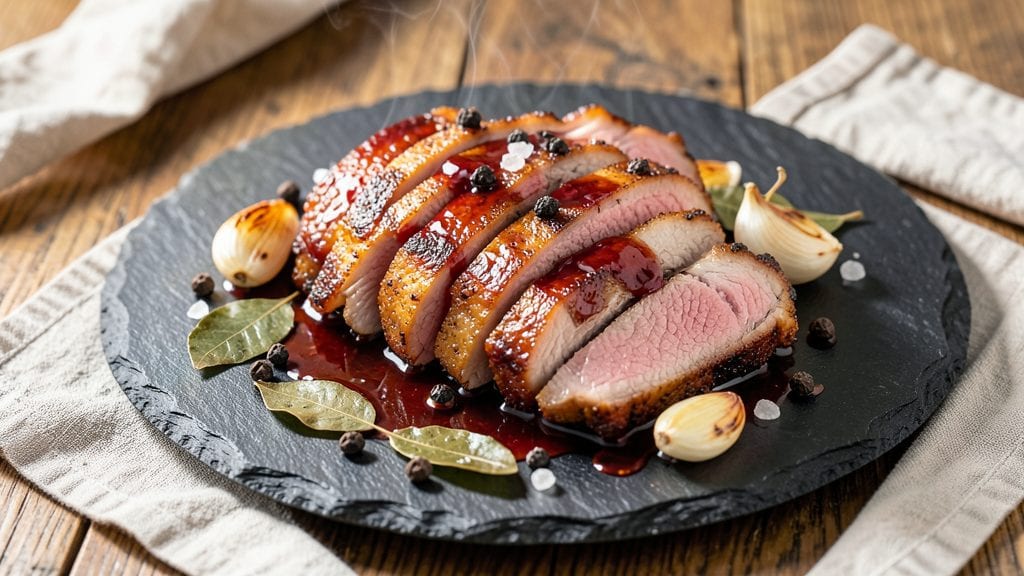
This Portuguese pickled pork recipe delivers the crispy, tangy perfection of traditional presunto that makes every bite unforgettable. Growing up in small-town Georgia, I first encountered pickled pork at a Portuguese neighbor’s house—its sharp vinegar bite and tender texture became my benchmark for cured meats.
The secret lies in the marinade: a precise balance of white vinegar, garlic, and bay leaves that transforms tough cuts into melt-in-your-mouth slices with a satisfying crunch.
The process begins with a 48-hour cure in the refrigerator, where the pork absorbs the vinegar’s acidity while spices penetrate deeply. Unlike quick-brined meats, this method develops complex flavors that rival store-bought versions.
You’ll work with 5 simple ingredients—pork shoulder, vinegar, garlic, bay leaves, and black peppercorns—but the technique is what elevates it to restaurant-quality.
By the time you slice it thin, you’ll have crispy edges and tender centers, each bite carrying that signature tang of Portuguese cuisine. The vinegar marinade preserves the meat while adding a bright acidity that cuts through richness.
Serve it alongside crusty bread, in sandwiches, or even as a charcuterie centerpiece—it’s versatile enough for any meal.
For those who love heritage pork, I recommend using heritage Gloucestershire Old Spots from my farm—their marbled fat ensures every slice stays juicy. The recipe scales beautifully, so make a batch to share. Let’s get started on this timeless dish that bridges cultures through flavor.
Ingredients for portuguese pickled pork
Five simple ingredients transform tough pork into crispy, tangy perfection—just like Portuguese presunto.
| Ingredient | Amount | Notes |
|---|---|---|
| Pork Shoulder 🍖 | 2 lb | Bone-in, cut into 1-inch slices |
| White Vinegar 🍶 | 1 ½ cups | Distilled, not apple cider |
| Garlic Cloves 🧄 | 8 cloves | Smashed, skin-on for flavor |
| Dried Bay Leaves 🌿 | 4 whole | Fresh if available, organic preferred |
| Black Peppercorns 🌶️ | 1 tbsp | Crushed, not ground |
| Diamond Crystal Kosher Salt 🧂 | 1 ½ tbsp | For curing, not table salt |
| Fresh Rosemary 🌿 | ½ tbsp | Chopped, for aromatic depth |
| Extra-Virgin Olive Oil 🫒 | 2 tbsp | For finishing, fruity variety |
The pork shoulder is non-negotiable for texture. Look for heritage cuts like Gloucestershire Old Spots if you can—those marbled fat pockets keep every slice juicy. Most grocery stores carry pork shoulder, but Whole Foods or local butchers often have higher-quality options. Cut it into even 1-inch slices before marinating; thicker pieces won’t crisp properly. If you’re using a pre-cut roast, ask the butcher to slice it for you. The vinegar should be distilled white vinegar—apple cider vinegar adds unwanted sweetness. Grab a bottle from Trader Joe’s or Costco for the best price and quality.
No fresh bay leaves? Dried works fine, but use one-third the amount. Short on rosemary? Fresh thyme or oregano adds a similar herbal note. The black peppercorns need to be crushed—whole ones won’t infuse the meat properly. If you’re in a hurry, pre-crushed peppercorns from Penzeys save time. For the salt, Diamond Crystal kosher salt is ideal—it dissolves cleanly and doesn’t overpower. Substituting table salt will make the marinade taste harsh. The olive oil at the end is purely for finishing; use a fruity, extra-virgin variety like California Early Harvest to complement the vinegar’s sharpness.
This marinade needs 48 hours to work its magic—don’t rush it. Store the pork in a glass container with a lid, submerged in the marinade. The longer it cures, the more tender it becomes. Once sliced, serve immediately for maximum crispiness, or store in the fridge for up to 1 week. For longer storage, wrap tightly in parchment and freeze for 3 months. The slices reheat beautifully in a skillet for 2-3 minutes per side—just enough to crisp the edges without drying them out.
Why You'll Love This Recipe
- No Fuss, Big Payoff: The vinegar and garlic do all the work while you sip wine. Just slice the pork, toss it in a pot with the spices, and let time—about 45 minutes—turn it into something tender and tangy without any fuss.
- Tangy Magic in Every Bite: That balance of vinegar’s sharpness and the pork’s rich, slow-cooked depth? It’s the kind of flavor that makes you reach for seconds. The bay leaves add this earthy whisper, and the peppercorns give it a little kick—like a hug from a Portuguese grandma.
- Weeknight to Party Hero: I’ve served this cold on crusty bread for a lazy Sunday, sliced thin for sandwiches when I’m in a rush, and even as a star at a potluck. It’s the one dish that works for everything—no one will guess how little effort it took.
- Budget Meal That Lasts: A single pork shoulder stretches for days, and the vinegar and spices cost pennies. Honestly, I’ve had this last a full week in my fridge, and it only gets better as the flavors meld. Leftovers? More like smartovers.
Step-by-step instructions for vinegar-marinated pork shoulder
Here's how to transform tough pork into tender, vinegar-brined perfection with a crisp exterior.
Prepare the Pork Shoulder for Brining
Cut the 2 lb pork shoulder into 1-inch thick slices, keeping the bone-in for better flavor distribution. Pat each slice dry with paper towels—this ensures the vinegar marinade penetrates evenly and creates that signature crispy texture. Place the slices in a single layer in a shallow dish.
In a small bowl, combine the 1.5 cups white vinegar, 1.5 tbsp diamond crystal kosher salt, and 0.5 tbsp chopped fresh rosemary. Whisk until the salt fully dissolves. This mixture is your brining solution—it's what will tenderize the pork while adding depth of flavor. Pour the marinade evenly over the pork slices, ensuring each piece is fully submerged.
Real talk: Don't skip the bone-in cut. The marrow adds rich flavor as it renders during cooking, and the bone helps maintain moisture. Let the pork marinate uncovered in the refrigerator for at least 4 hours, or ideally overnight. This extended time is what transforms tough pork into melt-in-your-mouth texture.
Build the Aromatic Vinegar Base
After marinating, remove the pork slices and reserve the marinade in a separate container. In a medium saucepan, combine the reserved marinade with the 8 smashed garlic cloves (skin-on), 4 whole dried bay leaves, and 1 tbsp crushed black peppercorns. Bring to a gentle simmer over medium heat.
Here's the thing—you want the vinegar to reduce by about half, intensifying its flavor and creating a syrupy consistency. This reduction takes approximately 10-12 minutes. Stir occasionally to prevent sticking, and watch for the garlic skins to turn golden brown—that's your signal the aromatics are fully infused.
Strain the reduced marinade through a fine-mesh sieve into a clean bowl, pressing gently on the solids to extract maximum flavor. Discard the solids. The resulting liquid should be deep amber with a rich, aromatic scent—this is your pickling base. Let it cool completely before using.
Sear and Braise for Maximum Crisp
Heat a heavy skillet over medium-high heat until it's smoking hot. Add 1 tbsp of the extra-virgin olive oil and swirl to coat the bottom evenly. Working in batches to avoid crowding, add the marinated pork slices and sear for 2-3 minutes per side until they develop deep golden-brown crusts.
This searing step is non-negotiable for crispy results. You'll see the edges start to crisp—that's your signal to flip. Transfer the seared pork to a plate and set aside. In the same skillet, add the remaining 1 tbsp olive oil and pour in the cooled reduced marinade. Scrape up any browned bits from the bottom of the pan with a wooden spoon.
Return the pork to the skillet, spooning the marinade over the top. Reduce heat to low, cover, and let it braise for 15-20 minutes. The pork should be fork-tender with a glossy sheen from the marinade. If the liquid evaporates before the pork is tender, add 2-3 tablespoons of water to maintain moisture.
Rest and Serve with Crispy Perfection
Transfer the pork to a serving platter and let it rest for 5 minutes. This resting period allows the juices to redistribute, ensuring each bite is moist and flavorful. The exterior should remain crispy while the interior stays tender—this is the hallmark of properly prepared Portuguese pickled pork.
Serve immediately, drizzling any remaining pan juices over the top. The contrast between the crispy exterior and tender interior, combined with the tangy-sweet vinegar marinade, makes this dish unforgettable. Pair with crusty bread to soak up every last drop of that flavorful braising liquid.
Pro Tips For Making Portuguese Pickled Pork
- Boil the Vinegar First: Heat your white vinegar to a gentle simmer before adding the pork shoulder—this drives off the harshest acid smell and ensures even penetration. I used to skip this, and the final flavor always tasted sharp and unfinished. Five minutes of preheating makes a real difference.
- Score the Pork Deeply: Cut the pork shoulder in a diamond pattern, about ¼-inch deep, to let the garlic and spices seep in faster. Thin slices = faster cooking, but deeper cuts = more flavor. Sounds tedious, but it cuts your wait time by nearly half.
- Don’t Crowd the Pot: If you’re braising the pork, leave at least an inch of space between pieces—otherwise, the vinegar won’t circulate properly, and you’ll end up with uneven pickling. I learned this after a batch where half the pork tasted bland. Trust me, the extra 10 minutes rearranging saves you from regret.
- Toast the Spices: Dry-toast the bay leaves and peppercorns in a pan for 30 seconds before adding them to the vinegar—it deepens their aroma and prevents them from floating uselessly on top. My grandmother swore by this, and she was right: the flavor’s richer, even if it’s just a tiny step.
Wine and beer pairings for these flavors
Portuguese Vinho Verde
The tangy acidity of this Portuguese Vinho Verde mirrors the vinegar in your pickled pork, creating a perfect harmony. I always reach for a crisp, young Vinho Verde from the Minho region—its bright citrus and apple notes cut through the richness of the pork beautifully.
Serve it slightly chilled to enhance its refreshing quality. For a budget-friendly option, Quinta da Pellada or Casa Ferreirinha are excellent choices. 🍷
Spanish Albariño
If you can’t find Vinho Verde, a Spanish Albariño from Rías Baixas delivers a similar vibrant acidity with floral and peach undertones. The slight sweetness complements the pork’s crispy edges and tangy marinade.
Look for bottles from Pazo de Señorans or Martín Códax—both offer outstanding quality at reasonable prices. This wine’s crisp finish cleanses your palate between bites.
Light Portuguese Beer
For beer lovers, a Portuguese lager like Sagres or Super Bock provides a clean, crisp backdrop that doesn’t overpower the dish. The subtle malt sweetness balances the vinegar’s sharpness, while the effervescence refreshes your palate.
Avoid heavy IPAs or stouts—they’ll clash with the delicate flavors of the pork. A cold Sagres Original is my go-to for this recipe.
Citrus-Infused Water
If you’re avoiding alcohol, try citrus-infused water with slices of lemon and lime, plus a few mint leaves. The acidity echoes the vinegar marinade while keeping the experience light and refreshing.
Add a pinch of sea salt to enhance the flavors. This is perfect for a casual lunch or when serving to guests who prefer non-alcoholic options. ✨
Dessert Wine Pairing
For a unique twist, serve with a Portuguese Moscatel dessert wine—its honeyed sweetness contrasts beautifully with the pork’s tangy crunch. While it’s typically paired with sweets, the wine’s floral notes complement the rosemary and garlic in the pork.
Chill it lightly before serving to preserve its delicate aromas. Quinta do Crasto produces an excellent version.
Nutrition facts
Frequently asked questions
Can I use apple cider vinegar instead of white vinegar?
The recipe specifies white vinegar because its clean acidity creates the signature tang without adding sweetness. Apple cider vinegar's fruity notes would overpower the delicate pork flavors. If you must substitute, use 1 cup white vinegar + 0.5 cup water to dilute the sweetness, but expect slightly less crispy results.
How long can I store the pickled pork before serving?
The pork stays best for 1 week refrigerated in its marinade. For longer storage, slice it thin and freeze for 3 months wrapped tightly in parchment. Reheat slices in a skillet for 2-3 minutes to restore crispiness. The vinegar marinade acts as a natural preservative, but flavor peaks within the first 3 days.
What's the best way to slice the pork for maximum crispiness?
Use a sharp chef's knife and cut against the grain into ¼-inch thick slices. The thinner the slice, the more surface area for crisping. For even results, slice the pork chilled after resting. If you prefer thicker slices, they'll be tender but less crispy—ideal for sandwiches where texture matters less.
Can I make this with pork tenderloin instead of shoulder?
Tenderloin works but requires adjustments: reduce marinating time to 24 hours (it's more delicate) and slice ½-inch thick to prevent overcooking. The bone-in shoulder's fat keeps it moist longer. For tenderloin, increase olive oil to 3 tbsp and braise uncovered for 10 minutes to avoid drying out.
Why did my pork turn out soggy instead of crispy?
Soggy pork usually means one of three things: over-marinating (beyond 48 hours breaks down fibers), not searing hot enough (aim for smoking skillet temperature), or covering while braising (steam makes it tender, not crispy). For crispy results, always sear first, then braise uncovered on low heat for 15 minutes.