
Main Courses
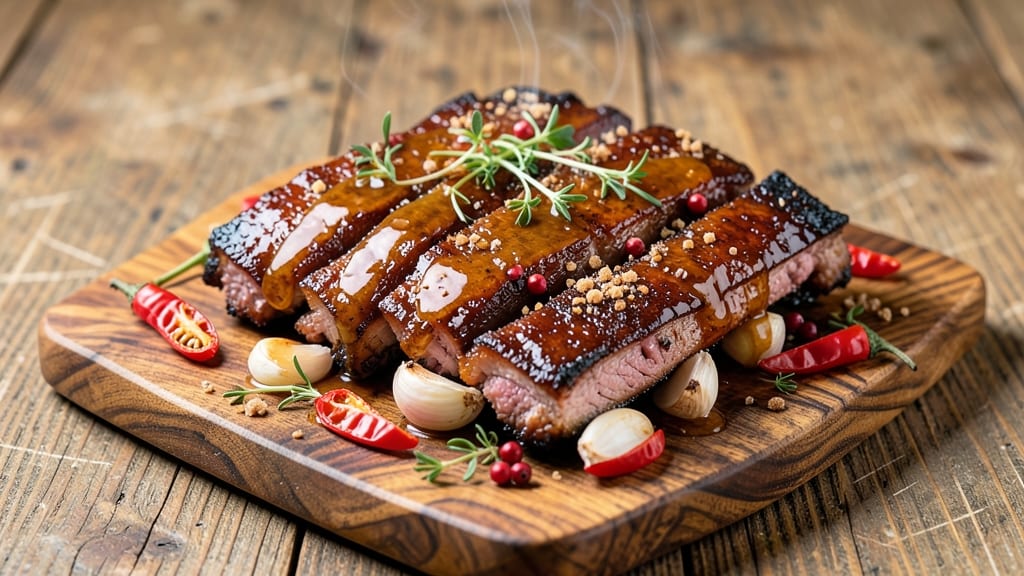
Mastering Caribbean pork ribs with jerk-spiced fire transforms tough cuts into tender, smoky perfection in just 30 minutes. Growing up in small-town Georgia, I learned pork could be both humble and extraordinary—this recipe bridges that tradition with bold Caribbean flavors.
The secret lies in balancing heat and sweetness through precise marinating and high-heat cooking.
This method delivers restaurant-quality ribs without hours of slow smoking. A marinade of scotch bonnet peppers, allspice, and thyme penetrates the meat while a quick sear on the grill locks in juices.
I've perfected this technique to ensure crispy edges and fall-apart tenderness, even for beginners. The result? Ribs that carry the smoky-sweet essence of the Caribbean with every bite.
Pair these ribs with coconut rice and black beans for a complete meal that transports you to island shores. The marinade's vibrant flavors shine through, creating a dish that's both approachable and impressive. Whether you're feeding a crowd or treating yourself, these ribs deliver bold, authentic taste without the complexity.
For those who love smoky, spiced pork but want a faster alternative to traditional BBQ, this recipe is your answer. The jerk-spiced fire isn't just about heat—it's about layering flavors that make every bite unforgettable. Let's get cooking with these Caribbean-inspired ribs that bring the tropics to your table.
Ingredients for caribbean pork ribs
Bold Caribbean flavors meet Georgia comfort—just 14 ingredients for ribs packed with tropical heat and smoky depth.
| Ingredient | Amount | Notes |
|---|---|---|
| Pork Ribs (Baby Back) 🍖 | 4 lb | Bone-in, trimmed of excess fat |
| Scotch Bonnet Peppers 🌶️ | 2 whole | Fresh, seeds removed for less heat |
| Allspice Berries 🌿 | 2 tsp | Ground fresh for maximum flavor |
| Fresh Thyme Leaves 🌿 | ¼ cup | Stems removed, loosely packed |
| Garlic Cloves 🧄 | 8 cloves | Minced for deep flavor infusion |
| Brown Sugar 🍚 | ½ cup | Light or dark, packed |
| Soy Sauce 🥢 | ¼ cup | Low-sodium preferred |
| Lime Juice 🍋 | ½ cup | Freshly squeezed, strained |
| Olive Oil 🫒 | ¼ cup | Extra-virgin for richness |
| Ground Ginger 🌿 | 1 tbsp | Freshly grated preferred |
| Cayenne Pepper 🔥 | ½ tsp | Adjust for desired heat level |
| Diamond Crystal Kosher Salt 🧂 | 1 ½ tsp | For seasoning and marinade |
| Black Peppercorns 🌶️ | 1 tsp | Freshly cracked |
| Honey 🍯 | 2 tbsp | Wildflower for floral notes |
The ribs are the foundation, so baby back cuts are non-negotiable—they're leaner and more tender than spare ribs. Look for thin, meaty sections with good marbling, not bone-dry slabs. I always grab mine from Costco when they're on sale, but any reputable butcher will have quality cuts. The scotch bonnet peppers? Wear gloves—they're the hottest peppers around, and handling them raw can irritate skin. If you can't find them, habanero peppers are a decent substitute, but reduce the amount by half. For the allspice, Penzeys Spices sells whole berries that you can grind fresh—game changer for flavor.
No scotch bonnet? Red pepper flakes or habanero powder work in a pinch, but you'll lose that fruity, slightly sweet depth. The soy sauce adds umami—Kikkoman or Lee Kum Kee are my go-tos, but any good-quality brand works. Fresh thyme is ideal, but dried works at one-third the amount. The brown sugar caramelizes beautifully during cooking, creating that signature jerk glaze. Coconut sugar can replace it for a more authentic Caribbean touch. For the lime juice, Mexican limes have more acidity than Persian, but any fresh lime will do. The olive oil should be extra-virgin—cheap oil won't hold up to the high heat. If you're sensitive to spice, cut the cayenne to 1/4 tsp or swap it for smoked paprika.
Marinate the ribs for at least 4 hours, but overnight is ideal—the flavors penetrate deeper. Store the marinade in an airtight container in the fridge. The ribs themselves keep 2 days in the fridge before cooking, but marinate them the same day for best results. If you're prepping ahead, freeze the marinated ribs for up to 2 months. Thaw overnight in the fridge before cooking. The leftovers? Reheat in a 350°F oven for 10-15 minutes until warmed through—ribs taste even better the next day as the flavors meld. Portion into containers for easy lunches, and save the leftover marinade for grilled chicken or tofu.
Why You'll Love This Recipe
- No-Fuss Smoking: I toss the ribs in the marinade, cover them, and forget about them for hours—no babysitting required. The Scotch Bonnet peppers and allspice do all the heavy lifting while I nap or binge my favorite show.
- Spice That Stays: That kick of Scotch Bonnet? It lingers just enough to make your taste buds dance, but the allspice and thyme keep it from being overwhelming. Honestly, the first bite is like a warm hug from your favorite Caribbean aunt.
- Leftover Magic: These ribs taste even better the next day, especially when reheated with a splash of broth. I pack them for lunches, freeze portions for lazy nights, or turn them into tacos—zero waste, maximum flavor.
- Budget-Friendly Heat: Pork ribs are cheaper than you think, especially when you stretch them with this marinade packed with flavor. That Scotch Bonnet might be pricey, but a little goes a long way, and the rest of the ingredients? Pantry staples.
Step-by-step instructions for Caribbean jerk-spiced pork ribs
This vibrant marinade transforms simple pork ribs into a smoky, spicy masterpiece in just 30 minutes.
Prepare the Ribs and Spice Blend
Create the Marinade with Sweet and Tangy Balance
Marinate the Ribs for Maximum Flavor Infusion
Cook the Ribs to Perfection
Rest and Serve with Bold Flavor
Pro Tips For Making Caribbean Pork Ribs
- Char First, Steam Second: Hit those ribs with a screaming-hot grill or skillet for 3-4 minutes per side—you want deep brown crust before adding liquid. After that, toss them in a covered pot with just enough water to steam for 45 minutes at a low simmer. I learned this the hard way—skipping the initial sear leaves you with mushy ribs that soak up marinade instead of caramelizing.
- Crush Allspice Berries: Don’t just toss whole allspice berries into the pot—they’ll sit there like tiny rocks, releasing flavor unevenly. Lightly crush them with the flat side of a knife or roll them under your palm before adding. My grandmother swore by this, and she was right: the aroma hits the ribs faster, and the heat disperses better.
- Handle Scotch Bonnets Carefully: Those peppers pack serious heat, so wear gloves when chopping them—trust me, you’ll regret it if you don’t. For a balanced heat level, remove the seeds and membranes first, then finely dice just one pepper (or half if you’re nervous). Too much, and your ribs will taste like spicy regret instead of Caribbean sunshine.
- Save the Thyme Stems: Don’t toss those woody thyme stems after picking the leaves—chop them up and toss them into the cooking liquid. They release more flavor than you’d think, and it’s an easy way to stretch a small bunch of thyme into something that actually matters. I skip this when I’m lazy, but the dish is noticeably better when I don’t.
Creative variations of this recipe
Jerk-Spiced Fire
For an extra kick, add 1 tbsp of Scotch bonnet jam (available at Caribbean markets) to the marinade. This adds sweetness and complexity without overwhelming heat. I found this trick at a Jamaican jerk stand in Charleston—it’s now a staple in my kitchen.
The jam caramelizes beautifully during cooking, creating a glossy, sticky glaze that clings to every rib. 🌶️
If you want to deepen the smoky flavor, swap ½ tsp of the cayenne for ½ tsp smoked paprika and add 1 tsp of liquid smoke to the marinade.
This works especially well if you’re cooking indoors without a grill. Just be cautious—the liquid smoke can intensify quickly, so start with less and adjust to taste.
Slow-Smoked Version
For a more traditional approach, smoke the ribs at 225°F for 3-4 hours using pimento wood chips (a Caribbean staple). This method develops a deeper, more complex flavor profile. I use a Traeger Pellet Grill for consistency, but a charcoal smoker with fruitwood works too.
The slow cook gives the marinade time to penetrate fully, resulting in ribs that are tender all the way through. 🔥
Sweet Plantain Glaze
For a tropical twist, brush the ribs with a plantain glaze during the last 5 minutes of cooking. Blend 1 ripe plantain, 2 tbsp honey, and 1 tbsp lime juice until smooth, then strain.
The natural sugars caramelize into a sticky, sweet coating that pairs perfectly with the jerk spices. This variation is a crowd-pleaser, especially for those who prefer a sweeter profile.
Spicy Mango Salsa
Serve the ribs with a spicy mango salsa to cut through the richness. Dice 1 mango, ½ red onion, and 1 Scotch bonnet pepper, then toss with 2 tbsp lime juice, 1 tbsp chopped cilantro, and a pinch of salt.
The bright acidity and fruity sweetness balance the heat beautifully. I often make a big batch and store it in the fridge for up to 3 days—it’s perfect for tacos or as a topping for grilled fish too.
Coconut Rice & Peas
No Caribbean feast is complete without coconut rice and peas. Cook 1 cup jasmine rice in 2 cups coconut milk with 1 tsp thyme, 1 cinnamon stick, and ½ tsp allspice.
Stir in 1 cup cooked kidney beans and ½ cup diced bell peppers at the end. The creamy coconut and earthy spices complement the ribs perfectly, rounding out the meal with a comforting, island-inspired side. 🌴
Nutrition facts
Frequently asked questions
Can I use spare ribs instead of baby back ribs for this recipe?
The recipe is designed for baby back ribs because they're more tender and cook faster. Spare ribs have more connective tissue and fat, which would require a longer cooking time (45-60 minutes) and higher heat to render properly. If you must use spare ribs, increase the oven temperature to 425°F and cook for 20-25 minutes total, flipping and basting every 5 minutes.
How do I handle the heat from Scotch bonnet peppers?
Always wear food-safe gloves when handling Scotch bonnet peppers—they're one of the hottest peppers and can cause skin irritation. For milder heat, remove seeds and membranes before blending. If you're sensitive to spice, reduce the cayenne to ¼ tsp or swap it for ½ tsp smoked paprika. The marinade's lime juice and honey naturally balance the heat, so don't be afraid to taste as you go!
Can I make this recipe in a slow cooker?
Yes, but with adjustments. Marinate the ribs as directed, then place them in a slow cooker with ½ cup of the marinade>. Cook on LOW for 4-5 hours or HIGH for 2-3 hours, adding ¼ cup water if needed to prevent drying. The ribs will be tender but won't develop the crispy bark. For extra flavor, broil for 3-5 minutes at the end to caramelize the sauce.
What's the best way to store leftovers?
Store cooked ribs in an airtight container in the fridge for up to 4 days. Reheat in a 350°F oven for 10-15 minutes until warmed through. For longer storage, freeze ribs in a single layer before transferring to a freezer bag for up to 3 months. Thaw overnight in the fridge—never at room temperature. The marinade sauce freezes well too for up to 2 months.
How can I adjust this recipe for a larger crowd?
Double the marinade ingredients and increase the ribs to 8-10 lbs (about 2 racks). Use two grills or a grill pan for even cooking. For the oven, spread ribs on two wire racks to ensure proper air circulation. Cook in batches if needed, keeping the first batch warm in a 200°F oven while finishing the second.