
Sauces & Condiments
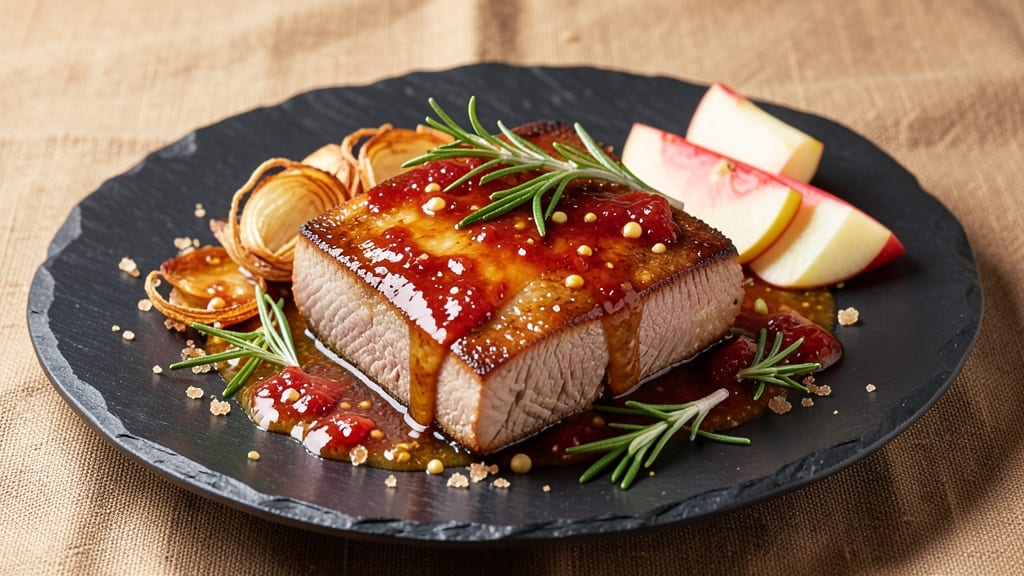
A pork loin glaze recipe like this one transforms simple roasted pork into a showstopping centerpiece—rich, glossy, and packed with caramelized depth. Growing up in small-town Georgia, I learned that the secret to memorable pork isn’t just the cut, but the glaze that makes it shine.
This version blends brown sugar, honey, and a touch of mustard for a balance of sweetness and tang that clings beautifully to the meat.
The magic happens when you reduce the glaze to a thick, syrupy consistency—just right for brushing on during the last 15 minutes of cooking. It caramelizes into a glossy finish that adds both flavor and visual appeal, turning an ordinary roast into something restaurant-worthy.
The combination of brown sugar and honey creates that classic caramelized shine, while the mustard adds a subtle kick that cuts through the richness.
What you’ll end up with is pork loin that’s tender on the inside, with a glossy, crackling glaze that’s impossible to resist. This glaze works equally well for grilled, roasted, or even braised pork—making it versatile for any cooking method.
The best part? It’s simple to make, requiring just a few pantry staples and a little patience to reduce it properly.
Whether you’re hosting a dinner party or simply treating yourself to a special meal, this glaze elevates pork loin to new heights. Let’s get started—your table is about to look (and taste) extraordinary.
Ingredients for pork loin glaze
Six pantry staples. One magical glaze. Your pork loin will never be ordinary again.
| Ingredient | Amount | Notes |
|---|---|---|
| Light Brown Sugar 🍚 | ½ cup | Packed firmly for accurate measurement |
| Honey 🍯 | ½ cup | Wildflower or clover variety preferred |
| Dijon Mustard 🍯 | 1 tbsp | High-quality, smooth texture |
| Apple Cider Vinegar 🍎 | 1 tbsp | For tangy balance |
| Unsalted Butter 🧈 | 2 tbsp | Cold, cubed for easy melting |
| Fresh Rosemary 🌿 | 1 tbsp | Chopped finely, or dried substitute |
| Salt 🧂 | ½ tsp | Kosher or sea salt preferred |
| Black Pepper 🌶️ | ¼ tsp | Freshly ground for best flavor |
The brown sugar and honey are the stars here—look for light brown sugar (it's less molasses-heavy) and raw honey if possible. I grab mine from Whole Foods or local farmers markets, but any grocery store will do. The Dijon mustard? Maille is my go-to, but any good-quality brand works. Fresh rosemary makes a difference, but dried works in a pinch at one-quarter the amount. For the butter, Plugrá is my favorite—it's rich and melts beautifully. If you're using dried herbs, make sure they're labeled 'culinary' not 'ornamental'—those are just for garnish.
No honey? Maple syrup works in a bind, but it's heavier and changes the flavor. Short on vinegar? Lemon juice at half the amount adds brightness. The butter can be swapped for olive oil if you're avoiding dairy, but it'll be less rich. Want more depth? Add 1 tsp of smoked paprika to the glaze. For a spicier kick, swap the rosemary for fresh thyme. The glaze reduces fast, so don't rush it—patience is key for that perfect caramelized shine.
This glaze keeps beautifully in the fridge for up to 2 weeks in a sealed jar. For longer storage, freeze in ice cube trays—just thaw and reheat before using. I like to make a double batch because it's so versatile. Use it on pork tenderloin, chicken thighs, or even roasted vegetables. The leftovers? Perfect for drizzling over pancakes or yogurt if you're feeling fancy.
Why You'll Love This Recipe
- Five-Ingredient Magic: I swear, this glaze comes together with stuff you already have—no fancy shopping needed. Just toss brown sugar, honey, mustard, vinegar, and butter into a saucepan, simmer for 10 minutes, and boom. That’s it. Even my college apartment kitchen could handle it.
- Sweet-Savory Balance: The honey and brown sugar caramelize into something rich, but the Dijon mustard and vinegar cut through it—like a sophisticated hug for your taste buds. It’s sticky, tangy, and just sweet enough to make you lick the plate (I won’t judge).
- Weeknight to Dinner Party: Same glaze, endless uses. Slather it on pork loin for a weeknight dinner, drizzle it over roasted potatoes for extra flavor, or even toss it with grilled veggies. Honestly, I’ve used it on everything from breakfast sausages to leftover ham, and it never lets me down.
- Leftovers That Don’t Suck: This glaze thickens beautifully when reheated—perfect for turning last night’s pork into tomorrow’s sandwiches or tacos. Store it in the fridge for up to a week, and it’s still just as addictive. (Yes, even on a Tuesday night.) Plus, it’s cheap—you’ll use less than $5 of ingredients for multiple meals.
Step-by-step instructions for caramelized pork loin glaze
This glaze balances sweet, tangy, and herby flavors perfectly—simple steps for restaurant-quality results.
Combine Wet Ingredients for the Base
In a medium saucepan, melt the 2 tablespoons unsalted butter over medium heat. Once the butter has fully melted and begins to foam, add the 0.5 cup light brown sugar and 0.5 cup honey. Stir constantly with a wooden spoon until the sugar dissolves completely—this should take about 3-4 minutes. You'll see the mixture turn into a smooth, golden liquid with no graininess.
Here's the thing—don't walk away. The sugar and honey can burn quickly once they combine, so keep your eye on the pan. If it starts to darken too much before the sugar dissolves, reduce the heat slightly to medium-low. The goal is a thick, syrupy consistency that coats the back of your spoon.
Add Acid and Mustard for Balance
Once the sugar and honey mixture reaches a gentle simmer, remove the pan from heat and stir in the 1 tablespoon Dijon mustard and 1 tablespoon apple cider vinegar. The vinegar will create a slight sizzle as it hits the hot mixture—this is normal and helps distribute the flavors evenly. Return the pan to low heat and let it simmer for another 2-3 minutes to allow the mustard to mellow out and the vinegar to integrate fully.
This is where the glaze gets its perfect balance of sweet and tangy. The mustard adds depth, while the vinegar cuts through the richness of the sugar and honey. If you taste it now, you'll notice it's already delicious—but we're not done yet. The rosemary will bring in that fresh, herby note that ties everything together.
Finish with Herbs and Seasonings
Add the 1 tablespoon finely chopped fresh rosemary, 0.5 teaspoon salt, and 0.25 teaspoon black pepper to the saucepan. Stir well to distribute the rosemary evenly—you want those aromatic needles to infuse the glaze. Let the mixture simmer on low heat for 1 minute to warm through and allow the rosemary to release its fragrance. The glaze should now have a rich, caramelized aroma with a hint of pine from the rosemary.
Taste the glaze at this stage and adjust the seasoning if needed. You might want to add a pinch more salt if your pork loin is particularly lean, or a splash more vinegar if you prefer a sharper tang. The glaze should be thick enough to coat the back of a spoon but still pourable. If it's too thick, you can thin it slightly with 1 teaspoon water while it's still warm.
Test and Adjust for Perfect Consistency
To ensure the glaze is ready, transfer a small spoonful to a chilled plate and let it sit for 1 minute. It should thicken slightly but still remain glossy and spreadable. If it's too runny, return the saucepan to low heat and simmer for another 30 seconds to 1 minute, stirring constantly, until it reaches your desired consistency. The glaze should coat the pork loin beautifully without dripping off.
Here's a pro tip: If you're preparing the glaze ahead of time, let it cool completely and store it in an airtight container in the refrigerator. It will thicken further as it chills, so you may need to warm it gently over low heat and thin it with a splash of water before using. This glaze keeps well for up to 1 week in the fridge, making it perfect for meal prep.
Pro Tips For Making Pork Loin Glaze
- Simmer Slow and Low: After burning three batches of glaze, I finally figured out that medium-low heat is your friend—especially when the butter starts melting. High heat turns this into caramelized syrup fast, but you’ll end up with a bitter, uneven mess. Keep it at a steady simmer (think tiny bubbles, not rolling) for 10-12 minutes, stirring occasionally. The sugar needs time to dissolve fully without scorching.
- Whisk in Cold Butter: My grandmother swore by this, and she was right: toss in that unsalted butter cold at the end, not melted. Stir it in until it just starts to glaze the sauce—this creates those little butter flecks that make the glaze taste richer without turning it greasy. (Yes, even if you’re impatient like me.)
- Deglaze with Vinegar First: Skip the crowding—add the apple cider vinegar first to the pan after searing the pork loin. Let it bubble for 30 seconds to break down any stuck-on bits before adding the sugar and honey. This cuts down on scraping later and keeps the glaze cleaner. (Your future self will thank you.)
- Balance Sweet and Tang: I used to load up on honey and sugar, only to end up with a cloying mess. The Dijon mustard and vinegar are the real MVPs here—they cut through the sweetness and add depth. Start with 1 tablespoon of each, taste as you go, and adjust. You’re aiming for a glaze that’s bold, not syrupy.
Creative variations of these flavors
Southern-Inspired Honey-Smoked Glaze
I love taking this classic glaze and adding a touch of Southern charm with liquid smoke—just ½ teaspoon mixed into the final reduction. This variation keeps all the sweetness but adds that unmistakable smoky depth that reminds me of my grandma’s Sunday roasts.
The smoke pairs beautifully with the caramelized honey, creating a flavor profile that’s both nostalgic and sophisticated. I use McCormick liquid smoke because it’s consistent and doesn’t overpower. 🔥
Spicy Chipotle Kick
For those who love heat, I swap out the rosemary for 1 teaspoon smoked paprika and add ½ teaspoon adobo sauce from a jar of chipotle peppers. This gives the glaze a subtle smoky-spicy punch that’s perfect for grilled pork loin.
I like to add the adobo sauce at the end, just before the final simmer, so it doesn’t cook off too much of the heat. Trust me, this glaze will make your taste buds dance!
Fruit-Infused Citrus Twist
Brighten things up with a zest of 1 orange and ¼ cup orange juice added during the final simmer. This citrusy twist cuts through the richness of the honey and brown sugar, giving the glaze a refreshing lift.
I add the zest and juice at the same time as the rosemary, letting it infuse for just 1 minute on low heat. It’s a great way to keep the glaze vibrant and lively, especially if you’re serving it with lighter sides like grilled vegetables.
Herbaceous Sage & Garlic
If you’re craving something earthier, replace the rosemary with 1 tablespoon finely chopped fresh sage and 1 minced garlic clove. The sage adds a warm, slightly bitter note that balances the sweetness, while the garlic brings a savory depth.
I let the garlic infuse for just 30 seconds before removing the pan from heat, so it doesn’t turn bitter. This glaze is fantastic for roasted pork loin and pairs wonderfully with mashed potatoes or a simple green salad.
Balsamic & Walnut Crunch
For a gourmet touch, reduce ¼ cup balsamic vinegar with the glaze during the final simmer and finish with 2 tablespoons chopped walnuts for texture. The balsamic adds a tangy depth, while the walnuts provide a nice crunch when brushed on the pork.
I toast the walnuts lightly in a dry pan before chopping to enhance their flavor. This variation is perfect for a more upscale dinner, and the glaze clings beautifully to the meat, creating a stunning presentation.
Nutrition facts
Frequently asked questions
Can I make this glaze ahead of time?
This glaze actually tastes better when made a day ahead. Store it in an airtight container in the fridge for up to 1 week. When ready to use, warm it gently over low heat and thin with 1 teaspoon water if needed. The flavors meld beautifully overnight, giving you a more complex taste profile.
What's the best way to apply the glaze to pork loin?
Brush the glaze on during the last 15 minutes of cooking when your pork reaches 145°F internally. Start with a thin layer, then brush on additional coats every 5 minutes for a glossy finish. For extra shine, finish with a quick broil for 2-3 minutes under the oven's heat.
Can I use this glaze on other meats or vegetables?
This versatile glaze works beautifully on chicken thighs, salmon, or even roasted carrots! For poultry, reduce the honey slightly to ¼ cup to prevent over-sweetness. The caramelized flavors complement grilled vegetables perfectly too. Just adjust cooking times as needed for different proteins.
Why did my glaze turn grainy or crystallize?
This usually happens if the sugar didn't dissolve completely or if the glaze cooled too quickly. Always stir constantly while melting the sugar and honey, and keep the heat at medium-low to prevent burning. If it does crystallize, warm it gently with 1 teaspoon water and stir until smooth. Patience is key—don't rush the reduction!
How can I make this glaze vegan?
Swap the honey for ½ cup maple syrup, use vegan butter, and replace the Dijon mustard with 1 tablespoon yellow mustard. The flavor will be slightly different but still delicious. For extra richness, add 1 tablespoon coconut oil to the butter substitute. The caramelization process remains the same!