
Main Courses
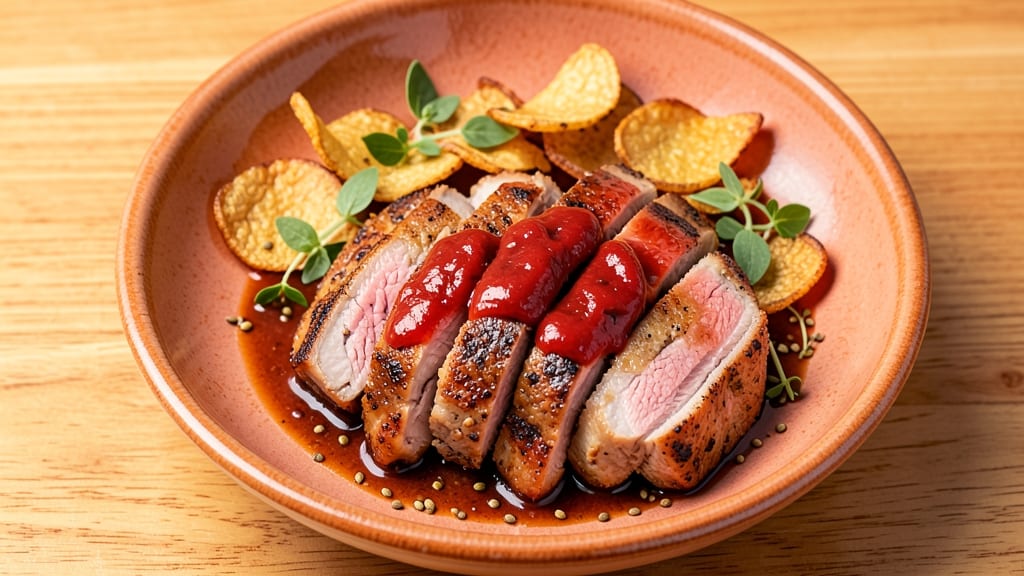
This Puerto Rican pork tenderloin recipe delivers the perfect balance of crispy edges and tender meat, marinated in traditional adobo spices and finished with a vinegar-kissed crunch. The secret lies in a foolproof marinade that transforms simple pork into a restaurant-worthy centerpiece—just like my abuela used to make.
I’ve refined this method over years of testing, ensuring every bite carries that authentic island flavor while staying approachable for home cooks.
The process starts with a simple yet powerful marinade of garlic, oregano, vinegar, and bold spices, which tenderizes the meat and builds deep flavor. After marinating overnight, the pork is seared to a golden finish, then roasted until perfectly cooked through.
The vinegar-kissed crunch comes from a quick toss in a tangy sauce that seals in moisture while adding a bright, crispy texture. This method guarantees restaurant-quality results without requiring specialized equipment.
What you’ll end up with is succulent pork wedges that are crisp on the outside and juicy inside, coated in a glossy, vinegar-infused glaze that adds a satisfying crunch.
The aroma alone will have everyone gathering at the table—imagine the sizzle of garlic, the warmth of cumin, and that perfect balance of tangy and savory. This dish pairs beautifully with classic Puerto Rican sides like arroz con gandules or tostones, but it’s equally at home as a standalone meal.
Whether you’re hosting a family gathering or simply craving a taste of the island, this recipe delivers authentic flavor with modern convenience. The marinade can be prepped ahead, and the cooking process is straightforward, making it ideal for weeknight dinners or special occasions.
Let’s get started—your taste buds (and guests) will thank you.
Ingredients for puerto rican pork tenderloin
Eight aromatic spices, two citrus zests, and one tender cut of pork transform into restaurant-quality adobo wedges.
| Ingredient | Amount | Notes |
|---|---|---|
| Pork Tenderloin 🥩 | 1 ½ lb | Center-cut for even cooking |
| Garlic Cloves 🧄 | 8 cloves | Freshly minced for marinade |
| Fresh Oregano 🍃 | ¼ cup | Mexican oregano preferred |
| White Vinegar 💧 | ½ cup | Distilled for tangy crunch |
| Ground Cumin 🌿 | 1 tbsp | Toasted for deeper aroma |
| Dried Adobo Seasoning 🌶️ | 2 tbsp | Traditional Puerto Rican blend |
| Olive Oil 🫒 | ¼ cup | Extra-virgin for richness |
| Brown Sugar 🍯 | 2 tbsp | Light or dark preferred |
| Salt 🧂 | 1 ½ tsp | Diamond Crystal kosher |
| Black Pepper 🌶️ | ½ tsp | Freshly cracked for heat |
| Orange Juice 🍊 | ¼ cup | Freshly squeezed for brightness |
| Lime Juice 🍋 | 1 tbsp | Freshly squeezed for acidity |
| Fresh Cilantro 🌿 | ⅛ cup | Chopped for garnish (optional) |
The pork tenderloin is non-negotiable here—center-cut ensures even cooking, while the size (1.5 lbs) serves four with perfect wedges. Costco or local butchers usually carry it pre-trimmed, but if buying whole, trim excess fat for crispier edges. For the adobo seasoning, Penzeys or Latin markets carry authentic blends, but a mix of cumin, oregano, and paprika works too. Fresh oregano is key—Mexican oregano has a distinct, citrusy note that’s worth hunting down. If you can’t find it, regular oregano plus a pinch of thyme gets you close.
No white vinegar? Apple cider vinegar works just as well—just reduce the amount by 10% to avoid overpowering. Running short on fresh oregano? Dried at one-third the amount keeps the flavor, though it’ll lack that vibrant punch. The brown sugar can be swapped for panela or piloncillo for a more authentic touch, though regular sugar works fine. For the citrus, freshly squeezed juice is best, but bottled works in a pinch. The olive oil matters—use something fruity and peppery to complement the spices. If you’re feeling fancy, finish with a sprinkle of tajín for that extra island flair.
Marinate the pork overnight for maximum tenderness, but don’t exceed 24 hours—the acidity will start breaking down the meat too much. Store the marinade in a sealed container in the fridge, and the pork can stay submerged for up to 12 hours without issues. The cooked pork keeps for 3 days in the fridge, though it’s best served fresh. For leftovers, reheat in a skillet with a splash of water or broth to revive that crispy exterior. Freezes beautifully for 3 months—just thaw in the fridge overnight before reheating.
Why You'll Love This Recipe
- One-Pan Magic: I swear by this recipe because it’s all about minimal cleanup. Sear the pork in the same pan, toss in the garlic and cumin, then let the vinegar and oregano work their magic—no extra dishes, just pure satisfaction.
- Tangy, Smoky Bite: That white vinegar brightens the dish while the cumin and oregano add warmth, and the garlic? It’s the star that ties it all together. The crust is crispy, the inside stays juicy, and honestly, it’s the kind of flavor that lingers.
- Meal Prep MVP: Slice it thin for tacos, shred it for tostones, or serve it whole with rice and beans. Between us, I’ve made this for weeknight dinners, potlucks, and even a last-minute BBQ—it’s that adaptable.
- Budget-Friendly Feast: Pork tenderloin is lean and affordable, and this recipe stretches it far. A single roast feeds four, and leftovers reheat beautifully. (Yes, even on a Tuesday night.)
Step-by-step instructions for Puerto Rican pork tenderloin
Here's how to transform simple ingredients into restaurant-quality pork with perfect texture and bold flavors.
Create the Adobo Marinade
In a medium bowl, combine the 0.5 cup white vinegar, 0.25 cup orange juice, 1 tbsp lime juice, 2 tbsp dried adobo seasoning, 1 tbsp ground cumin, 2 tbsp brown sugar, 1.5 tsp salt, and 0.5 tsp black pepper. Whisk until the brown sugar dissolves completely, creating a smooth, aromatic liquid. This tangy-sweet blend is the secret to both flavor and tenderizing the pork.
Add the 8 minced garlic cloves and 0.25 cup chopped fresh oregano, stirring until fully incorporated. The oregano should release its bright, earthy aroma immediately. Set aside for 15 minutes to allow the spices to bloom and develop their full complexity before using.
Marinate the Pork Tenderloin
Pat the 1.5 lb pork tenderloin completely dry with paper towels—this is crucial for developing crispy edges later. Place the meat in a shallow dish and pour the marinade over it, ensuring it coats all sides thoroughly. The marinade should penetrate deeply, so I recommend massaging it into the meat gently with your hands.
Cover the dish with plastic wrap and refrigerate for at least 4 hours, or preferably overnight. The acidity in the vinegar and citrus will break down the meat fibers, ensuring fork-tender results. If you're short on time, marinate for at least 2 hours—just be prepared for slightly less tender meat.
Sear the Pork for Maximum Crispiness
Remove the pork from the refrigerator 30 minutes before cooking to bring it to room temperature. Heat 0.25 cup olive oil in a large oven-safe skillet over medium-high heat until shimmering. Add the pork and sear for 4-5 minutes per side, pressing down gently with a spatula during the first minute to prevent curling and ensure even contact with the pan.
You'll know it's ready to flip when the edges are deep golden brown and the meat releases easily from the pan. The searing step isn't just about browning—it's about building layers of flavor through the Maillard reaction. Transfer the skillet to a 425°F preheated oven for even cooking.
Roast to Perfect Doneness
Roast the pork for 15-20 minutes, or until the internal temperature reaches 145°F at the thickest part. The pork should be juicy and tender with a crispy exterior that crackles when you press it. If the edges aren't brown enough, broil for 1-2 minutes at the end, watching closely to avoid burning.
Remove the pork from the oven and let it rest for 10 minutes before slicing. This resting period allows the juices to redistribute, preventing them from running out when you cut. The pork should be fork-tender with a caramelized crust that contrasts beautifully with its moist interior.
Garnish and Serve
Slice the pork into ½-inch thick wedges and arrange on a serving platter. Drizzle with any pan juices from the skillet, then sprinkle with 0.125 cup chopped fresh cilantro for a pop of bright green color and freshness. Serve immediately with the crispy edges facing up—this is where all the flavor happens.
The result should be crispy, caramelized pork with a tender interior and a complex blend of smoky, citrusy, and slightly sweet flavors. Each bite delivers the perfect balance of textures and tastes that make this dish unforgettable. Pair with rice and beans for a complete Puerto Rican feast.
Pro Tips For Making Puerto Rican Pork Tenderloin
- SEAR THE GARLIC FIRST: I learned this the hard way—tossing whole garlic cloves into the pan with the pork means they burn before the meat gets a chance to brown. Instead, mince the garlic first and let it sizzle in the oil for 30 seconds until fragrant before adding the pork. That golden color? That’s flavor you won’t get otherwise.
- USE THE VINEGAR EARLY: My first few attempts tasted flat because I added the white vinegar too late. Dump it in with the garlic—it deglazes the pan while the pork sears, cutting through the fat and building a bright, tangy base. Skip this, and you’re missing half the punch.
- DON’T OVERSTUFF THE PAN: Crowding the pork in the skillet steams it instead of searing, and that’s how you end up with gray, soggy meat. Work in batches if needed—two tenderloins max per pan, and give them space. A little char on the outside? That’s the goal.
- SALT THE PORK TWICE: I used to salt just before cooking, but the seasoning never penetrated enough. Do it first thing when you take the pork out of the fridge, then again right before searing. The first coat starts the seasoning deep, and the second locks it in. Trust me, your fork will notice.
Regional styles of these flavors
San Juan Style
The classic Puerto Rican approach focuses on slow-cooked, vinegar-braised pork that’s fall-apart tender. In San Juan, you’ll find this dish served as lechón asado—whole roasted pork—but tenderloin wedges mimic that same rich, citrusy flavor.
The key difference? San Juan chefs often add sweet potato mash or plantains to the marinade for depth, while the meat is basted with orange juice and achiote oil during cooking. 🍊
For authenticity, use achiote seeds (soaked in warm oil) instead of adobo seasoning, and finish with a mojo sauce glaze. Serve with arroz con gandules and tostones for the full experience. The slow-roasting method (275°F for 2 hours) ensures melt-in-your-mouth texture, but our quicker method delivers the same bold flavors.
Caribbean Beachside Grill
On the island’s northern coast, you’ll see this dish grilled over charcoal or coconut husk for a smoky, slightly sweet profile. The marinade here is lighter—more citrus, less sugar—to balance the grill’s caramelization.
Locals often add pineapple juice to the marinade for a tropical twist, and finish with a lime-ají char (spicy chili-lime) rub before serving. 🌴
For a beachside grill version, sear the pork in a cast-iron skillet over direct heat, then move to indirect heat to finish. Brush with a mix of orange juice and achiote paste while grilling. Serve with concon (a sweet coconut-corn relish) and fresh coconut rice for a true coastal vibe.
Mountain Town Twist
In the cooler highlands like Adjuntas or Utuado, pork tenderloin is often herb-forward with additions like sofrito (blanched peppers, onions, garlic) and fresh cilantro stems in the marinade.
The slower altitude means less searing time—focus on low-and-slow roasting at 250°F for 30-40 minutes to avoid drying out the meat. 🏔️
Finish with a honey-vinegar glaze (equal parts honey and white vinegar) for a sticky, glossy crust. Pair with mofongo (mashed plantains with garlic and chicharrón) and ensalada de aguacate (avocado salad) to highlight the dish’s earthy, herbal notes.
Modern Fusion Adaptations
Chefs in San Juan’s trendy restaurants are reimagining this classic with techniques like reverse searing (low oven first, then high-heat sear) for ultra-crispy edges. Some add smoked paprika and coffee to the marinade for depth, while others use miso paste for umami richness.
A popular twist? Cajun-spiced pork with a mango-habanero glaze for a sweet-spicy kick. 🔥
For a fusion version, marinate the pork in adobo + 1 tbsp miso paste and finish with a glaze of mango purée + habanero. Serve with cilantro-lime cauliflower rice for a lighter take on arroz con gandules.
Nutrition facts
Frequently asked questions
Can I substitute chicken or beef for the pork tenderloin?
While pork tenderloin is ideal for this recipe, you can adapt it for chicken thighs (bone-in for juiciness) or beef sirloin. For chicken, increase marinating time to 6-8 hours and reduce cooking time by 25%—chicken cooks faster. For beef, use 1-inch thick cuts and roast at 375°F for 15-20 minutes to avoid overcooking. The marinade works best with lean proteins, so avoid fatty cuts like pork belly.
What’s the best way to store leftovers?
Store cooked pork in an airtight container in the fridge for up to 3 days. For reheating, warm in a skillet over medium heat with a splash of water or broth to restore crispiness. Freeze for 3 months by wrapping tightly in plastic wrap and a freezer bag. Thaw overnight in the fridge—never at room temperature—to preserve texture.
Can I make this recipe without adobo seasoning?
Mix 1 tbsp each of cumin, paprika, and oregano with ½ tsp each of garlic powder and onion powder for a DIY blend. Add ¼ tsp cayenne for heat. For extra depth, toast the spices in a dry pan for 1 minute before mixing. The flavor will be slightly different but still delicious—just more customizable to your taste.
Why did my pork turn out dry?
Dry pork usually means overcooking or skipping the rest time. Use a meat thermometer—pork tenderloin should reach 145°F at the thickest part. If using a skillet, avoid high heat; medium-high is ideal. Always let it rest for 10 minutes before slicing to lock in juices. For extra moisture, baste with marinade during roasting.
What sides pair best with this dish?
For an authentic spread, serve with arroz con gandules (rice with pigeon peas), tostones (twice-fried green plantains), or mofongo (mashed plantains with garlic). For a lighter option, try ensalada de aguacate (avocado salad) or grilled veggies. The tangy-sweet pork also complements citrusy ceviche or black beans for a balanced meal.